Optimizing Shipbuilding Pipe Fabrication Through Material Efficiency
Industrial engineering in the maritime sector demands a rigorous focus on material utilization and labor productivity. The fabrication of complex piping systems and massive fluid storage tanks represents a significant portion of a vessel’s structural cost. Traditionally, pipe profiling and subsequent assembly have been plagued by significant material “tailing”—the unusable scrap left at the end of a pipe run due to chucking limitations. The implementation of zero-tailing technology has emerged as a critical solution to these inefficiencies.
In a shipyard environment, where pipes often feature large diameters and heavy wall thicknesses, the cumulative waste from standard cutting processes can account for 5% to 8% of total raw material expenditures. By refining the mechanical feed and clamping systems, engineers can now ensure that the cutting head maintains precision even at the extreme ends of the workpiece. This transition from traditional batch processing to a high-yield, zero-waste methodology aligns with Lean Manufacturing principles by reducing both inventory costs and secondary handling of scrap material.
The Mechanics of Zero-Tailing in Oxy-Fuel Pipe Cutting
To achieve zero-tailing without the use of high-energy beam systems, mechanical engineers rely on sophisticated multi-point clamping and synchronized rotation units. The core of the shipbuilding pipe fabrication process involves maintaining the pipe’s center line relative to the cutting torch throughout the entire length of the stock.
Conventional machines require a “safety zone” for the chuck to grip the pipe, resulting in a tailing piece that must be discarded. Zero-tailing machines utilize a dual-chuck or a pass-through clamping system that allows the cutting torch to operate within millimeters of the gripping mechanism. This is particularly vital when preparing bevels for thick-walled pipes used in ballast and fuel transfer systems. The oxy-fuel process, preferred for its deep penetration and cost-effective operation in thick carbon steel, is optimized here to provide clean, weld-ready edges with minimal heat-affected zones (HAZ).
Tank Fillet Welding and the Role of Magnetic Crawlers
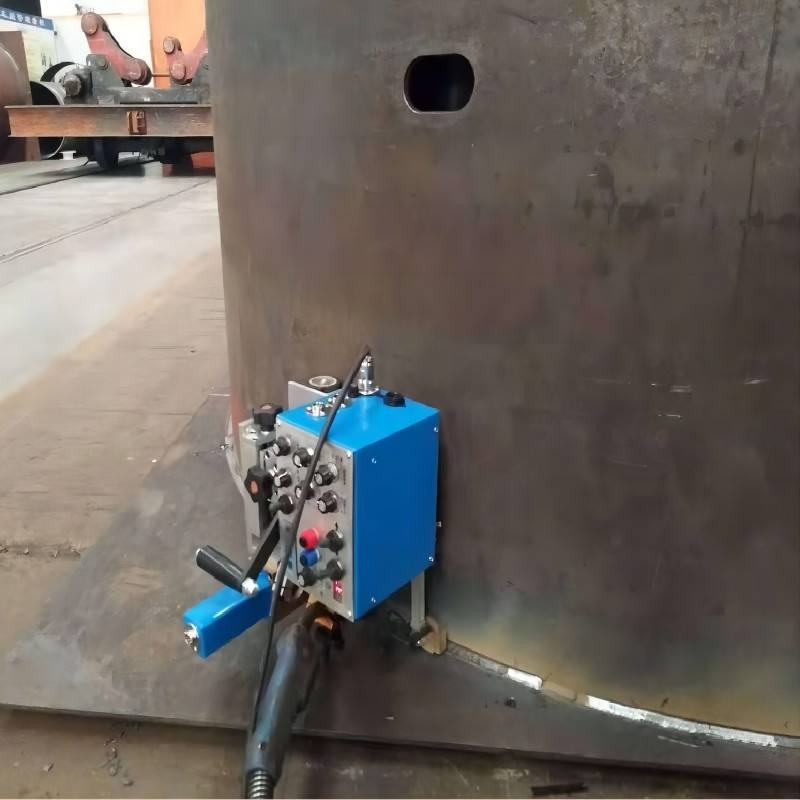
Once the pipe profiles are cut to exact specifications, the assembly phase focuses on the integration of these pipes into the ship’s tanks. Tank fillet welding is one of the most labor-intensive aspects of ship construction, often requiring welders to work in confined spaces or at awkward angles. The introduction of the magnetic crawler has revolutionized this stage by providing a stable, mechanized platform for continuous welding.
These crawlers are engineered with high-traction permanent magnets or switchable electromagnets that allow the unit to adhere to the vertical or overhead surfaces of the tank walls. Unlike stationary automated systems, the magnetic crawler is portable and can be deployed directly into the field construction site. This mobility ensures that the welding torch follows the fillet joint with consistent speed and distance, which is nearly impossible to maintain manually over long stretches.
Ensuring Field Construction Stability
The shipyard environment is inherently volatile, characterized by fluctuating temperatures, humidity, and the vibrations of nearby heavy machinery. Field construction stability is therefore a primary engineering requirement for any automated welding solution. The magnetic crawler’s low center of gravity and high-torque drive motors enable it to overcome surface irregularities, such as primer coatings or minor mill scale, without losing adhesion or trajectory.
From an industrial engineering perspective, the stability of the crawler translates directly into weld quality. A steady travel speed ensures uniform heat input, which reduces the risk of burn-through or lack of fusion in the fillet joint. Furthermore, the integration of an oscillating torch holder on the crawler allows for multi-pass welding in thick-plate tank corners, ensuring that the structural integrity of the vessel’s fluid containment system meets stringent maritime classification standards.
Integration of Pipe Profiling and Fillet Automation
The synergy between zero-tailing cutting and crawler-based welding creates a closed-loop fabrication process. When the Pipe Profile Cutting Machine delivers a perfectly beveled edge with no material waste, the subsequent fit-up in the tank becomes seamless. The magnetic crawler then takes over the heavy lifting of the welding process, ensuring that the fillet welds connecting the pipe to the tank bulkhead are executed with repeatable precision.
This integrated approach mitigates the common “stack-up” of tolerances that occurs when manual cutting and manual welding are combined. By standardizing the input (the cut pipe) and the process (the automated weld), shipyards can predict construction timelines with much greater accuracy. This predictability is the cornerstone of modern shipyard project management, allowing for tighter scheduling of subsequent trades and faster dry-dock turnover.
Technical Considerations for Heavy-Duty Oxy-Fuel Cutting
While other technologies exist, oxy-fuel remains the industry standard for Shipbuilding due to its ability to handle thicknesses exceeding 50mm with ease. The zero-tailing machines designed for this sector must feature robust gas flow control and automated height sensing. Because the pipe surface is rarely perfectly round, the cutting head must dynamically adjust its position to maintain a constant standoff distance.
The zero-tailing mechanism specifically addresses the “end-of-pipe” deflection. As the pipe reaches the end of its stock, the weight distribution changes, which can lead to vibration. Heavy-duty industrial rollers and secondary support beds are synchronized with the main drive to dampen these vibrations, ensuring that the final profile cut is as accurate as the first. This mechanical rigor is what differentiates industrial-grade equipment from standard light-duty alternatives.
Safety and Ergonomic Impact
Beyond the technical and economic metrics, the use of magnetic crawlers for tank fillet welding significantly improves the safety profile of the shipyard. By removing the welder from the immediate vicinity of the arc and the concentrated welding fumes within the tank, the risk of occupational hazards is drastically reduced. The operator acts as a technician, monitoring the crawler’s progress via a remote pendant, rather than performing high-strain manual labor in hazardous positions.
This shift in labor application allows for a more diverse workforce and reduces the physical toll on experienced welders, extending their productive careers. In an industry facing a global shortage of skilled labor, the ability to augment human capability with mechanized stability is a strategic imperative.
Conclusion: The Future of Maritime Structural Fabrication
The adoption of pipe profile cutting machines equipped with Zero-tailing technology, paired with the deployment of magnetic crawlers for tank fillet welding, represents a significant leap forward in shipbuilding efficiency. By focusing on mechanical precision and field construction stability, shipyards can minimize material waste, enhance weld quality, and improve worker safety. As the maritime industry continues to face pressure for faster delivery cycles and higher structural standards, these automated thermal processing and welding solutions will remain foundational to successful industrial engineering strategies.
In summary, the transition to high-yield cutting and stabilized automated welding is not merely a technical upgrade; it is a fundamental shift toward a more sustainable and profitable shipbuilding model. By eliminating the “tailing” waste and mastering the complexities of field-based fillet welding, modern shipyards secure their competitive edge in a demanding global market.
-
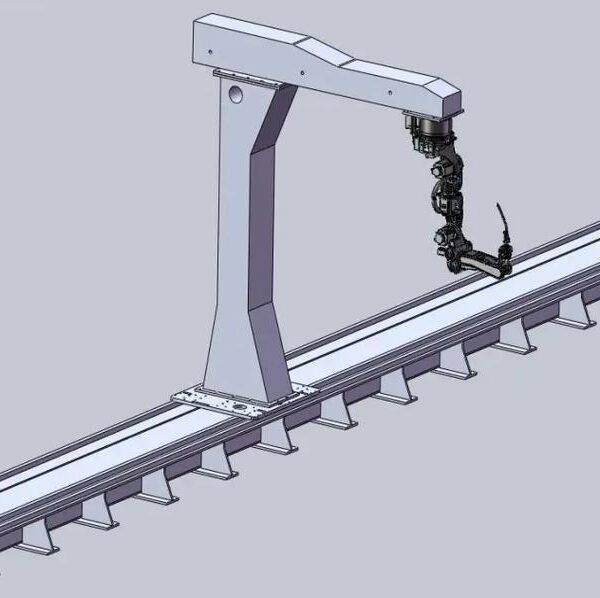

Cantilever Welding Robot solution
-
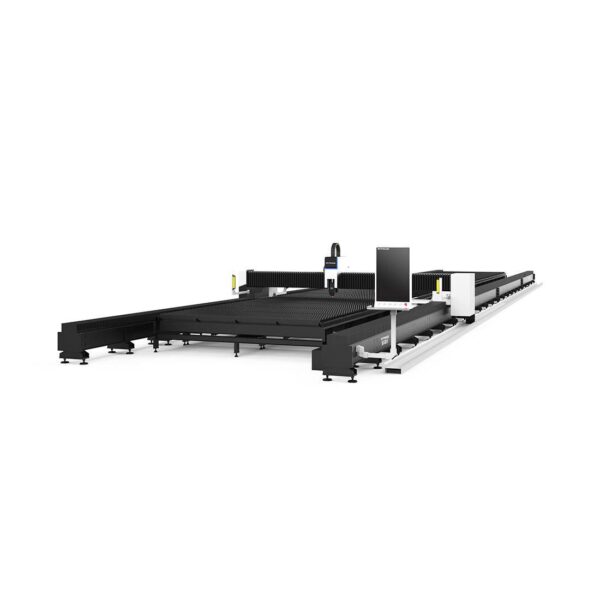

GF laser cutting machine
-
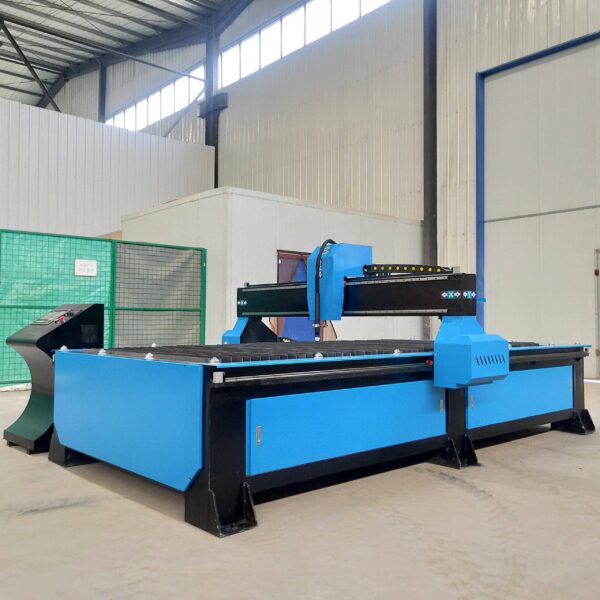
P3015 plasma cutting machine
-

LFP3015 Fiber Laser Cutter
-
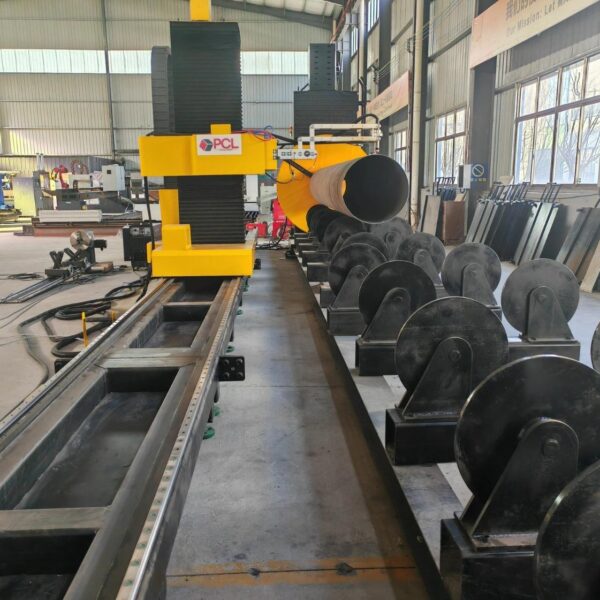
pipe plasma cutting machine
-
LFH 4020 Fiber Laser Cutting Machine
-
LFP4020
-
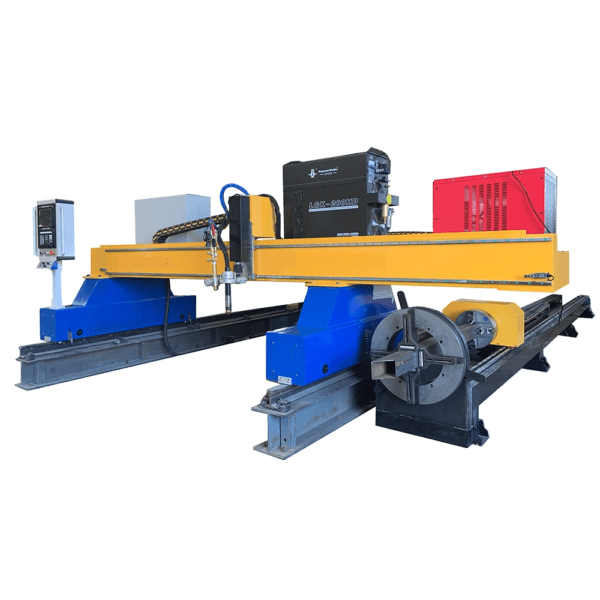
gantry plasma air cutting machine
-
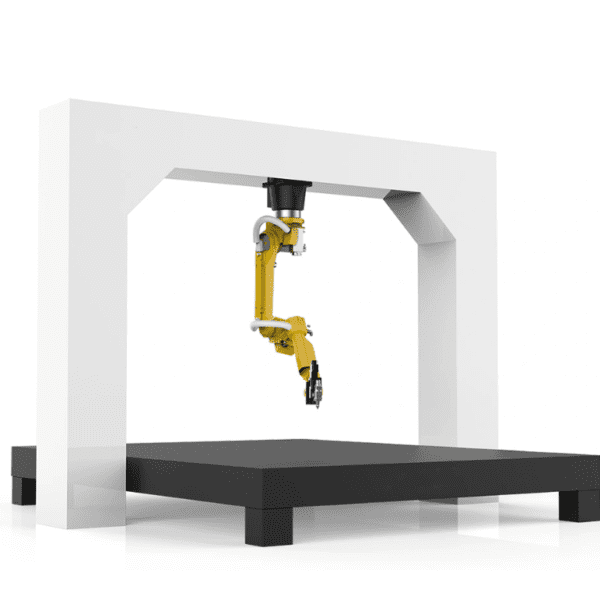
3D robot cutting machine
-
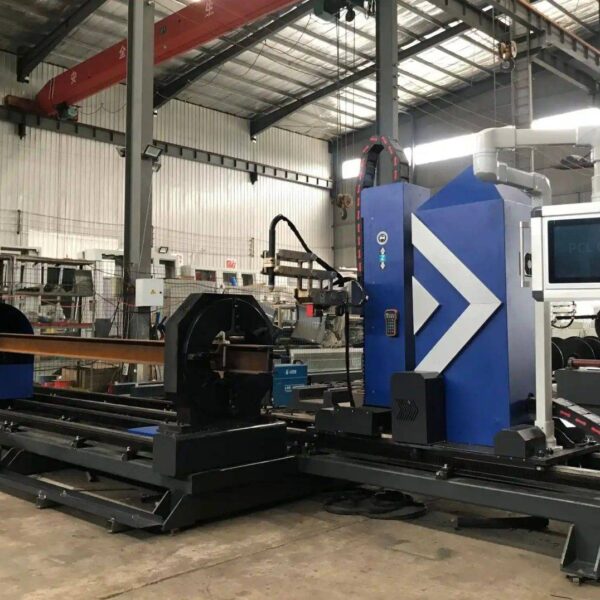
8 axis plasma cutting machine
-
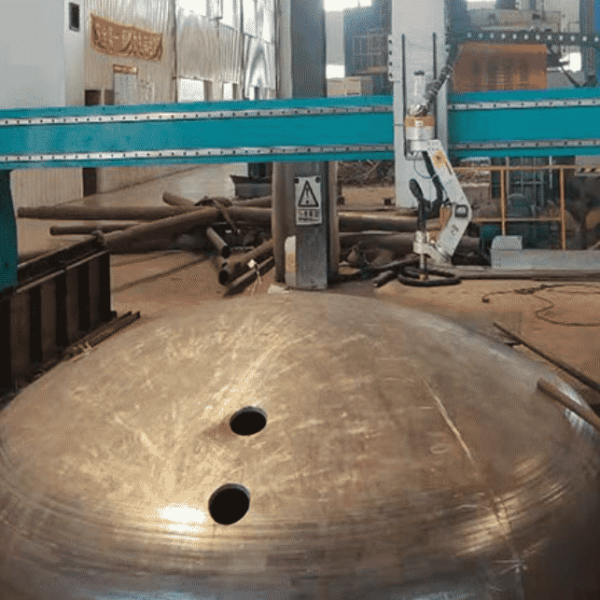
5 axis plasma cutting machine
-

LT360 tube laser cutting machine
-
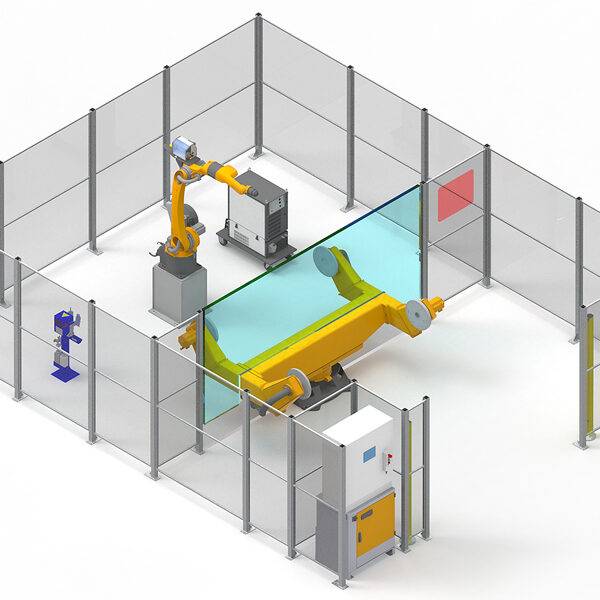
robot welding workstation
-
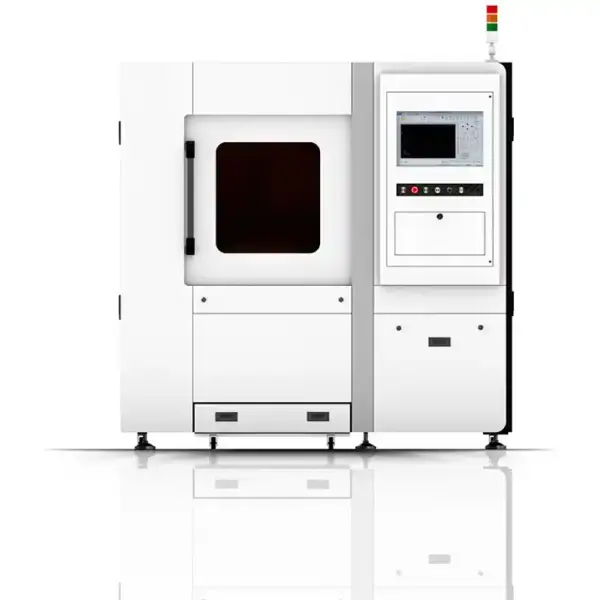
SF6060 fiber laser cutting machine
Advanced Fiber Laser Tube Processing Technology
Our CNC Fiber Laser Tube Cutting systems revolutionize metal fabrication by integrating high-precision cutting, punching, and profiling into a single automated workflow. Designed for versatility, this technology handles a wide array of profiles including Round, Square, Rectangular, and Oval tubes, as well as complex L-shaped and U-shaped channels.
- Precision Punching: High-speed hole punching with micron-level accuracy, eliminating the need for mechanical drilling or die-stamping.
- Complex Profiling: Advanced 3D pathing allows for intricate interlocking joints and specialized notch cuts, ideal for structural frames.
- High Material Efficiency: Intelligent nesting software minimizes scrap, reducing raw material costs across large production runs.
- Clean Finish: Delivers oxide-free, burr-free edges that require zero secondary grinding before welding.

Seamlessly processing multiple profiles with consistent precision.
Global Delivery & Logistics



From our high-tech manufacturing facility directly to your global site. PCL WeldCut ensures secure packaging, professional handling, and reliable international logistics to safeguard your equipment throughout the entire journey.