Advanced Integration of 3D Vision in Tank Fillet Welding
In the domain of large-scale steel structure fabrication, specifically concerning storage tanks and pressure vessels, the integrity of the shell-to-bottom fillet weld is paramount. Industrial engineers are increasingly moving away from manual arc welding in favor of specialized tank fillet welding automation. This shift is driven by the need for consistent penetration profiles and reduced thermal distortion. Unlike shop-floor environments, field construction presents unique challenges: wind, uneven foundations, and fluctuating ambient temperatures. The application of a pipe profile-style positioning logic, adapted for 3D vision-guided magnetic crawlers, provides a robust solution for these environmental variables.
Mechanical Stability via Magnetic Crawler Systems
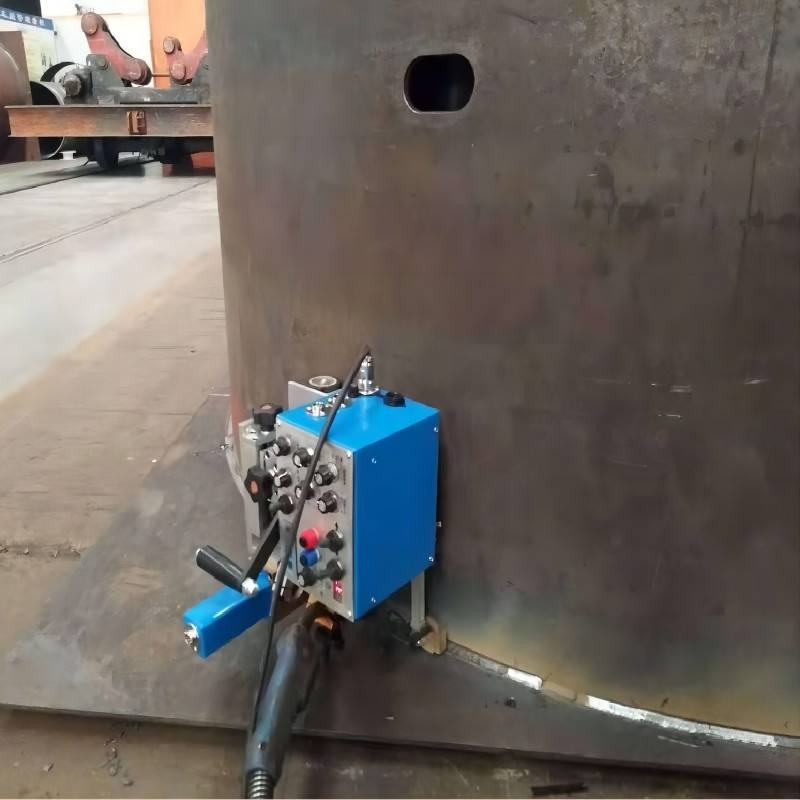
The foundation of field-based welding automation is the magnetic crawler. These units utilize high-flux permanent magnets or switchable electromagnets to adhere to the vertical or horizontal steel plates of a tank. For a magnetic crawler technology to be effective, it must maintain a constant standoff distance while traversing the circumference of the tank. Industrial engineering specifications require these units to handle the weight of the wire feeder, welding torch, and the vision sensor without slipping or losing alignment.
The traction system typically employs four-wheel drive or tank-tread designs with high-friction coatings. This ensures that even when the steel surface is coated with primer or affected by minor oxidation, the crawler maintains a steady travel speed. Stability is not merely about staying attached to the wall; it is about dampening vibrations that could interfere with the 3D vision sensors. By using a low-center-of-gravity design, the mechanical carriage minimizes the moment of force exerted by the umbilical cables, ensuring the welding arc remains centered in the joint preparation.
3D Vision Positioning and Seam Tracking
Precision in tank construction is often compromised by “out-of-roundness” or vertical misalignment of shell plates. Traditional mechanized tractors follow a fixed path, which often leads to weld defects such as undercut or lack of fusion when the joint gap varies. The integration of 3D vision seam tracking allows the system to perceive the joint geometry in real-time. This vision system uses structured light patterns—not to be confused with cutting beams—to create a spatial map of the fillet joint.
As the magnetic crawler moves, the 3D sensor captures the profile of the intersection between the vertical shell and the horizontal annular plate. The onboard processor calculates the exact center of the root and adjusts the torch manipulator’s cross-slide. This dynamic adjustment compensates for fit-up deviations up to several millimeters. From an industrial engineering perspective, this reduces the “repair rate” significantly, as the system ensures the weld leg length meets the design specifications regardless of minor plate irregularities.
Optimization of Field Construction Workflow
Implementing 3D-guided crawlers transforms the construction timeline. In traditional manual setups, welders must work in cramped conditions, often leading to fatigue-induced inconsistencies. With the automated crawler, the operator acts as a technician, monitoring the 3D feed and adjusting parameters such as voltage and wire feed speed from a remote pendant. This enhances safety and throughput. The system’s ability to maintain a consistent heat input is critical for the metallurgy of the Heat Affected Zone (HAZ), particularly in high-strength steels used for cryogenic storage.
Technical Specifications for Fillet Weld Integrity
The success of an automated fillet weld is measured by its throat thickness and the smoothness of its transition to the base metal. Using 3D vision, the machine can calculate the volume of the joint and automatically adjust the travel speed to maintain a constant fill. For example, if the gap between the shell and the bottom plate widens, the system slows the crawler to allow for more filler metal deposition. This level of process control is nearly impossible to achieve manually over long distances.
Key parameters for the field construction stability of these systems include:
Adhesion Force and Payload Ratios
A standard crawler must provide an adhesion force at least three times the total weight of the assembly. This safety factor accounts for the dynamic loads experienced when the crawler passes over plate overlaps or vertical seams. The magnetic flux must be concentrated at the contact points to avoid interference with the welding arc, which could otherwise lead to arc blow.
Vision Sensor Resolution and Sampling Rate
For high-speed fillet welding, the vision system requires a sampling rate of at least 50Hz. This ensures that the torch position is updated every few millimeters of travel. The 3D resolution must be sufficient to detect changes in the joint angle as small as 1 degree, allowing the system to tilt the torch for optimal gas shielding and penetration.
Environmental Adaptability in Steel Structure Projects
Field environments are notoriously hostile to sensitive electronics. Industrial-grade 3D vision systems are housed in IP65 or higher rated enclosures to protect against dust and moisture. Furthermore, the light filters used in these sensors are specifically tuned to ignore the intense radiation produced by the welding arc, focusing only on the structured light used for mapping. This allows the crawler to operate in direct sunlight or total darkness without losing the seam path.
The mechanical design of the crawler also includes scrapers or brushes ahead of the wheels to clear debris from the path. This ensures that the 3D mapping data is not corrupted by slag or metal filings, which could lead to false corrections in the torch path. By addressing these environmental factors, the system provides a level of reliability that matches the rigorous demands of infrastructure projects.
Economic Impact and Quality Assurance
From a CAPEX/OPEX perspective, the investment in 3D-vision-enabled magnetic crawlers is justified by the reduction in non-destructive testing (NDT) failures. Manual fillet welds on large tanks often require extensive grinding and re-welding due to porosity or irregular profiles. Automated systems produce a “machine-finish” quality weld that often passes visual inspection and vacuum box testing on the first attempt. The data logged by the vision system can also be used as a digital twin of the weld, providing a permanent record of the joint geometry and welding parameters for quality assurance documentation.
Conclusion for Industrial Implementation
The convergence of 3D vision and magnetic crawling platforms represents a significant leap in tank construction technology. By focusing on mechanical stability and precise spatial positioning, industrial engineers can ensure that steel structures are built faster and with higher safety margins. The absence of complex robotic arms simplifies the maintenance of the equipment in remote field locations, making it a practical choice for global energy and infrastructure projects. As the industry continues to evolve, the reliance on automated seam tracking will become the standard for any project prioritizing structural longevity and process efficiency.
-
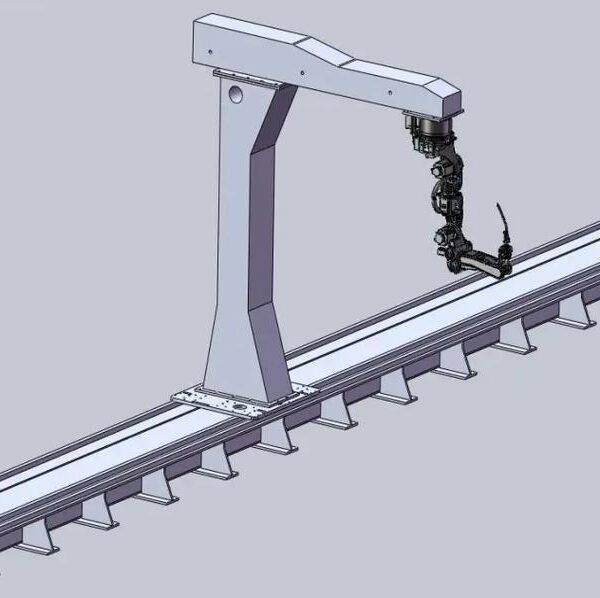

Cantilever Welding Robot solution
-
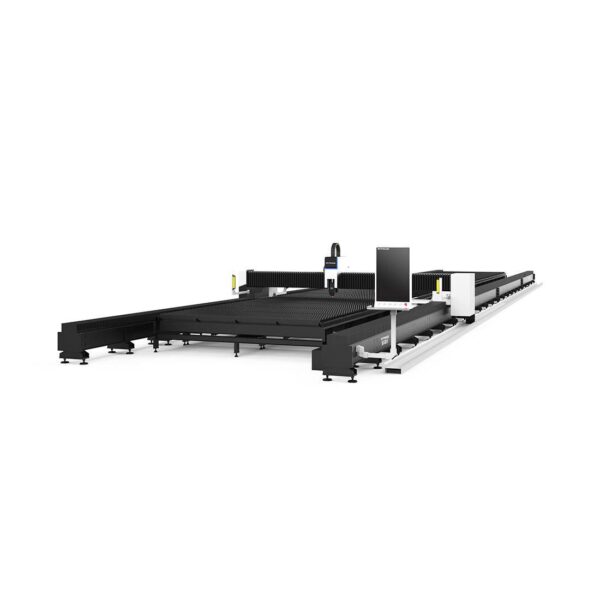

GF laser cutting machine
-
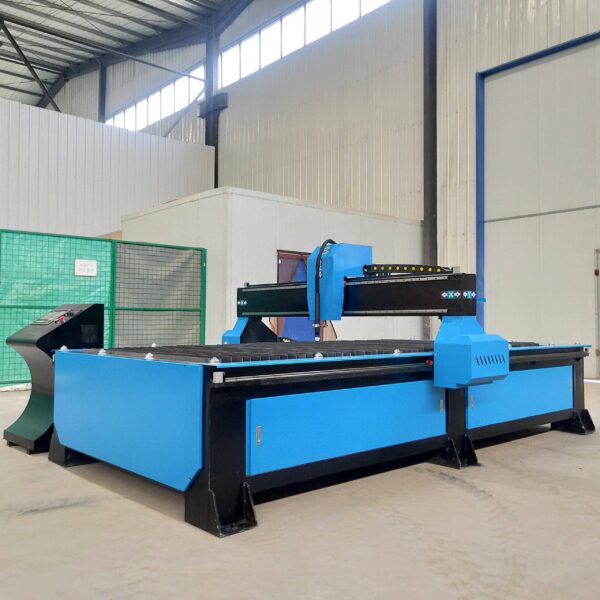
P3015 plasma cutting machine
-

LFP3015 Fiber Laser Cutter
-
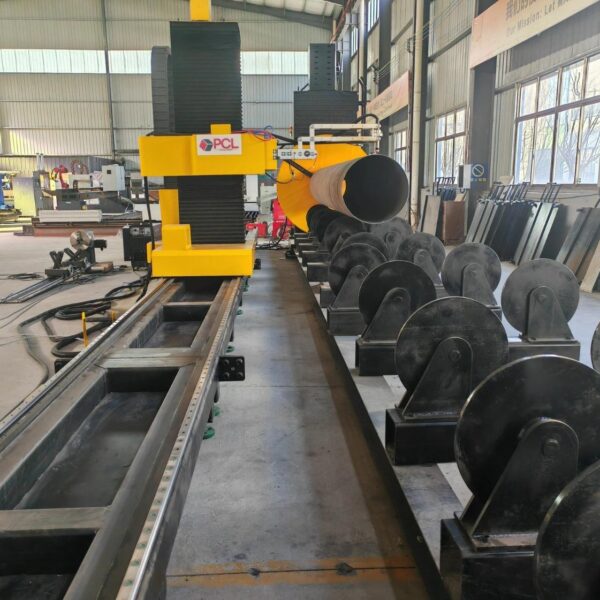
pipe plasma cutting machine
-
LFH 4020 Fiber Laser Cutting Machine
-
LFP4020
-
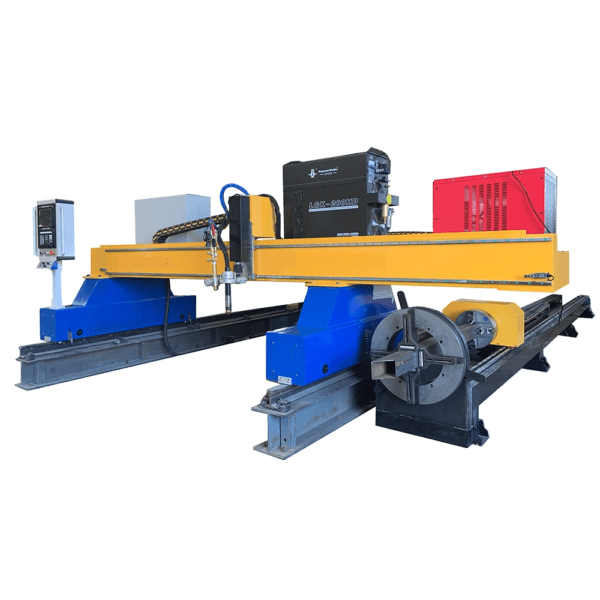
gantry plasma air cutting machine
-
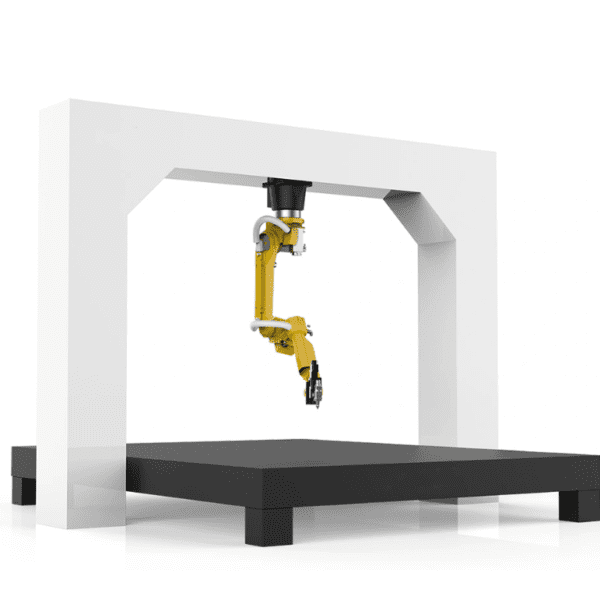
3D robot cutting machine
-
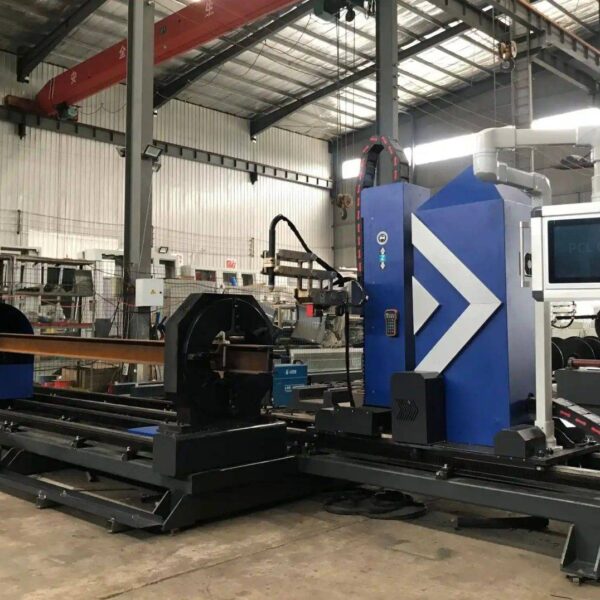
8 axis plasma cutting machine
-
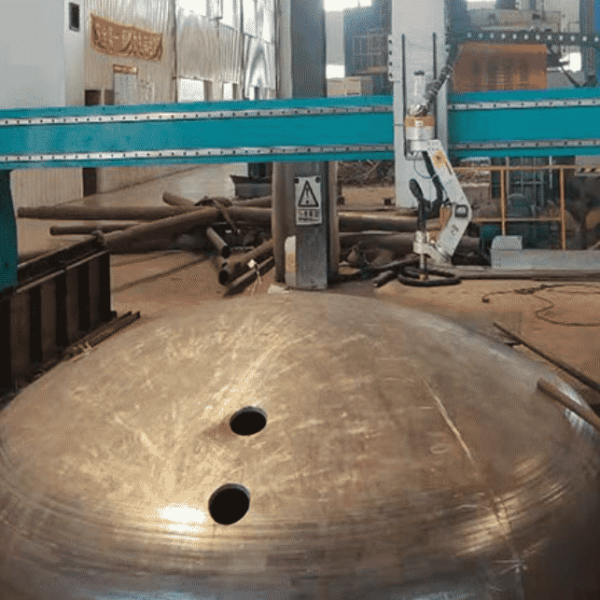
5 axis plasma cutting machine
-

LT360 tube laser cutting machine
-
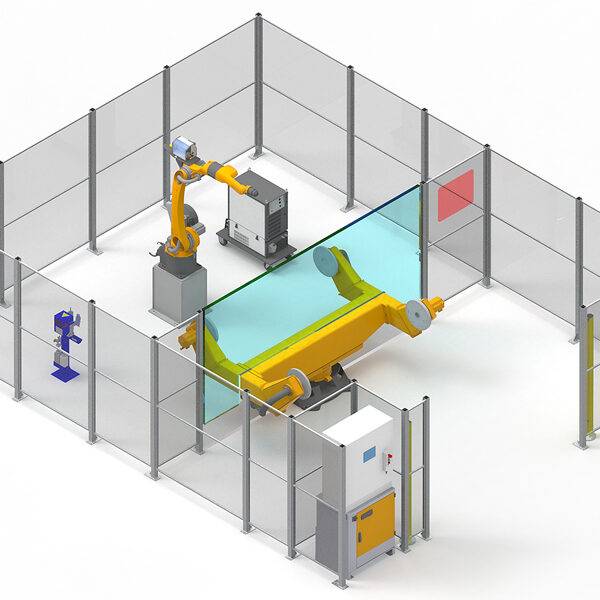
robot welding workstation
-
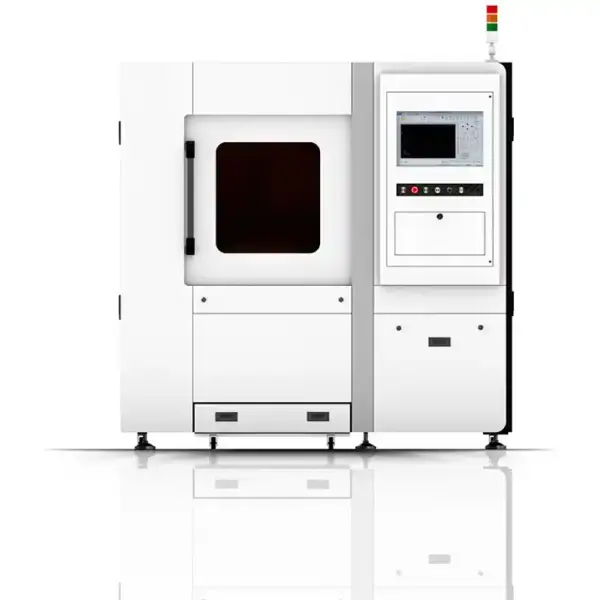
SF6060 fiber laser cutting machine
Advanced Fiber Laser Tube Processing Technology
Our CNC Fiber Laser Tube Cutting systems revolutionize metal fabrication by integrating high-precision cutting, punching, and profiling into a single automated workflow. Designed for versatility, this technology handles a wide array of profiles including Round, Square, Rectangular, and Oval tubes, as well as complex L-shaped and U-shaped channels.
- Precision Punching: High-speed hole punching with micron-level accuracy, eliminating the need for mechanical drilling or die-stamping.
- Complex Profiling: Advanced 3D pathing allows for intricate interlocking joints and specialized notch cuts, ideal for structural frames.
- High Material Efficiency: Intelligent nesting software minimizes scrap, reducing raw material costs across large production runs.
- Clean Finish: Delivers oxide-free, burr-free edges that require zero secondary grinding before welding.

Seamlessly processing multiple profiles with consistent precision.
Global Delivery & Logistics



From our high-tech manufacturing facility directly to your global site. PCL WeldCut ensures secure packaging, professional handling, and reliable international logistics to safeguard your equipment throughout the entire journey.