Mechanized Tank Fillet Welding: Engineering Stability and Precision
In the domain of large-scale liquid storage and heavy structural fabrication, the integrity of fillet welds serves as the primary determinant of long-term structural reliability. For industrial engineers, the challenge lies in maintaining consistent weld quality across thousands of linear meters of joint geometry, often in unpredictable field environments. The shift toward Magnetic Crawler technology represents a strategic move to decouple welding performance from operator fatigue, focusing instead on mechanical repeatability and controlled deposition rates.
Unlike stationary workshop setups, field construction requires equipment that can adapt to vertical, horizontal, and overhead orientations while maintaining a constant contact distance from the workpiece. The use of magnetized mechanized carriages allows for a stabilized platform that traverses the steel plates of a tank shell or base with high precision. This ensures that the weld torch remains at a fixed angle and distance, which is critical for achieving the required throat thickness in a fillet weld.
Mechanical Design and Magnetic Adhesion Principles
The core of a field-ready welding crawler is its magnetic drive system. High-flux permanent magnets or switchable magnetic bases are integrated into the chassis to provide the necessary clamping force against the ferromagnetic steel plates. From an engineering standpoint, the magnetic pull must be calculated to exceed the gravitational pull and the torque generated by the welding cables and gas hoses. This safety factor ensures that the carriage does not slip or detach during vertical climbs.
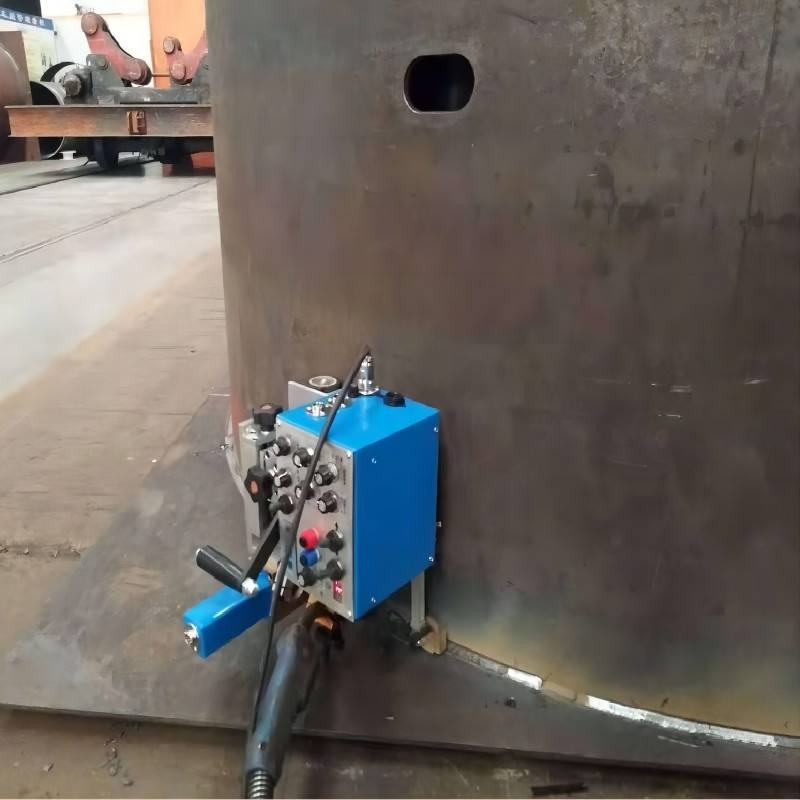
The drive train usually consists of a high-torque DC motor coupled with a worm gear reduction box. This configuration provides the steady, low-speed movement required for Fillet Welding, where travel speeds typically range between 100mm and 600mm per minute depending on the plate thickness and the required leg length of the weld. By using four-wheel drive systems with high-friction silicone or heat-resistant rubber tires, the crawler maintains traction even on surfaces with light oxidation or mill scale.
Optimizing Fillet Weld Geometry in Field Environments
The primary goal of using a mechanized crawler for tank construction is the standardization of the fillet weld profile. In manual welding, the “weave” pattern and travel speed are subject to human variance, which can lead to stress risers or insufficient penetration at the root. Mechanized systems utilize a torch oscillation unit that can be programmed for specific widths, dwell times, and frequencies. This allows the industrial engineer to dictate the exact morphology of the weld bead.
For lap joints and T-joints common in tank floors and shell-to-bottom connections, the crawler is equipped with a mechanical tracking arm or a guide roller. This physical probe follows the seam of the joint, providing real-time mechanical feedback to the torch positioner. This ensures that even if the plate has slight undulations or fit-up gaps, the arc remains centered in the joint. This level of consistency is vital for meeting API 650 standards, which govern the design and construction of atmospheric storage tanks.
Field Construction Stability and Environmental Variables
One of the most significant advantages of magnetic crawlers is their contribution to Field Construction stability. Working at height or in confined spaces poses significant risks to personnel. By utilizing a remote-controlled crawler, the welder can operate the system from a safe distance or a stable platform, reducing the need for extensive scaffolding. Furthermore, the mechanical carriage provides a level of shielding gas protection that is difficult to maintain manually in windy conditions. Many crawlers are designed with integrated wind shields that surround the torch, ensuring the integrity of the gas envelope.
Thermal management is another critical factor. Large-scale tank welding involves significant heat input, which can lead to plate distortion. A mechanized system allows for a continuous, uninterrupted weld bead. This constant travel speed results in uniform heat distribution, which minimizes the “peaking” or “banding” effects often seen in manual tank shell welding. By controlling the cooling rate through precise travel speed management, the metallurgical properties of the heat-affected zone (HAZ) are preserved, reducing the risk of hydrogen-induced cracking.
Operational Throughput and Industrial Efficiency
From a productivity perspective, the implementation of Structural Integrity through mechanization significantly alters the project timeline. Manual welding involves frequent stops and starts as the welder repositions themselves. Each stop is a potential point of defect (porosity or slag inclusions). A magnetic crawler can operate for the entire length of a wire spool or the full circumference of a tank shell without stopping, provided the cable management system is properly configured.
The duty cycle of the welding process is effectively increased from approximately 30-40% in manual operations to over 70-80% with mechanization. This doubling of effective welding time, combined with the reduction in post-weld grinding and repair work, results in a substantial decrease in the total cost per meter of weld. Furthermore, the data logged by modern mechanized units—such as average voltage, current, and travel speed—provides engineers with a digital record of the construction process, facilitating easier quality audits and compliance reporting.
Technical Specifications for Heavy-Duty Crawlers
When specifying a magnetic crawler for tank fillet welding, engineers must evaluate several key parameters:
- Vertical Load Capacity: The maximum weight the magnets can support on a vertical plane.
- Traction Torque: The ability to pull heavy lead cables (often up to 30-50 meters in length).
- Oscillation Range: The width of the weld bead the system can produce (typically 0-30mm).
- Heat Resistance: The ability of the drive components to withstand pre-heated plates or the radiant heat from high-amperage welding.
By focusing on these mechanical and electrical specifications, the industrial engineer ensures that the equipment is not just a tool, but a reliable component of the construction infrastructure. The focus on magnetic adhesion and mechanical tracking eliminates the variables associated with manual labor, leading to a safer, faster, and more robust tank construction process.
Conclusion: The Future of Field Mechanization
The use of magnetic crawlers for tank fillet welding is a testament to the maturation of field construction technology. By prioritizing mechanical stability and process control over manual versatility, the industry can achieve higher standards of safety and quality. For the industrial engineer, the goal remains clear: to create a repeatable, high-output welding environment that stands up to the rigors of the field while ensuring the long-term durability of the infrastructure being built. Through the elimination of manual variance and the integration of robust mechanical drive systems, the path to superior structural fabrication is secured.
-
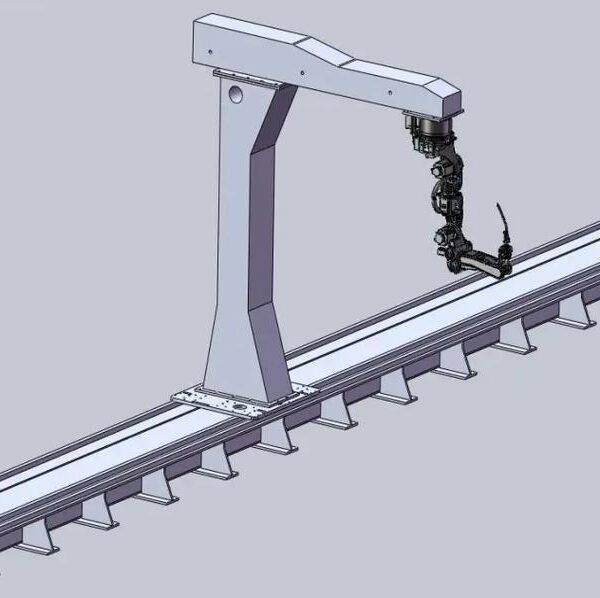

Cantilever Welding Robot solution
-
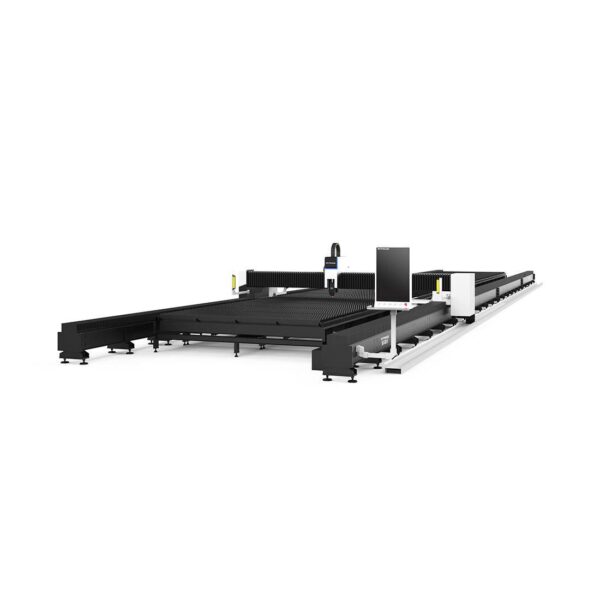

GF laser cutting machine
-
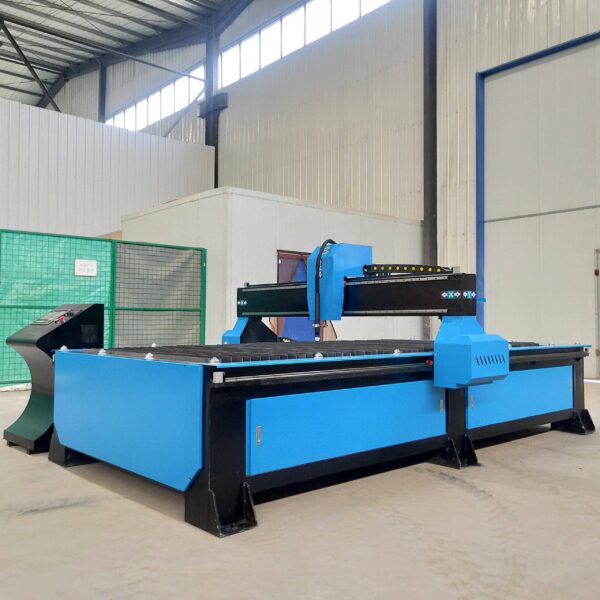
P3015 plasma cutting machine
-

LFP3015 Fiber Laser Cutter
-
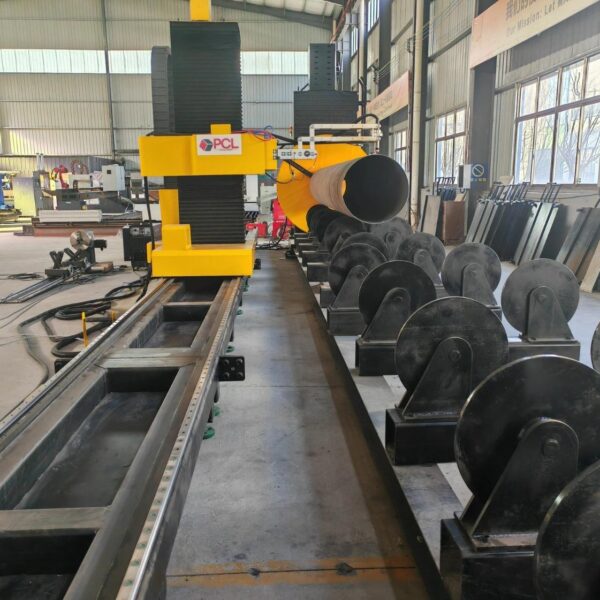
pipe plasma cutting machine
-
LFH 4020 Fiber Laser Cutting Machine
-
LFP4020
-
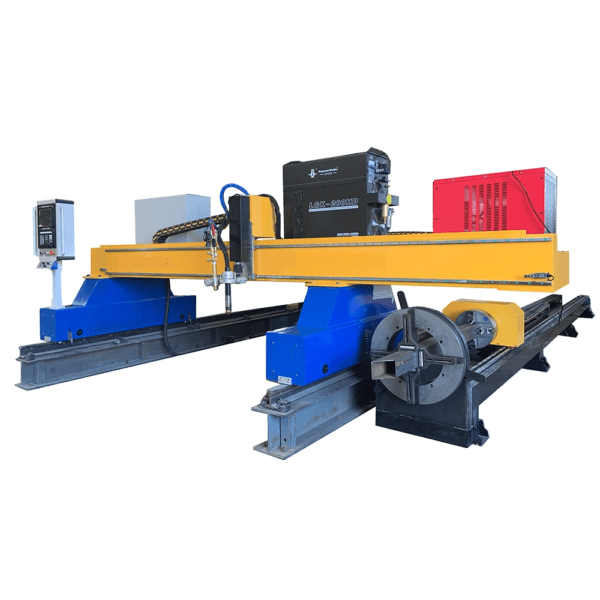
gantry plasma air cutting machine
-
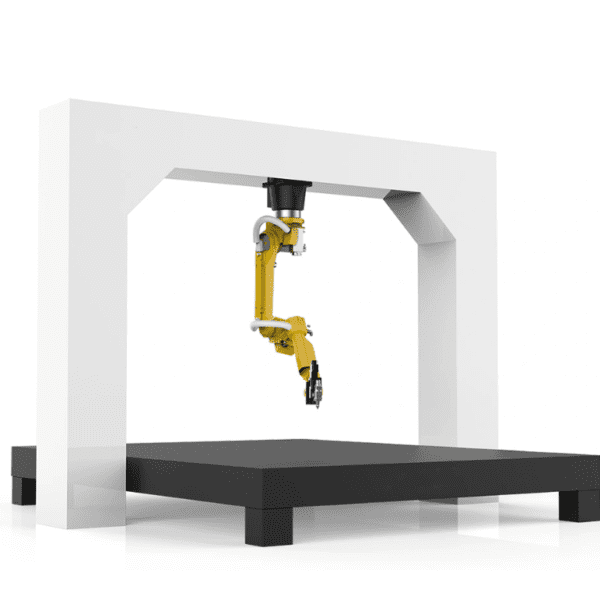
3D robot cutting machine
-
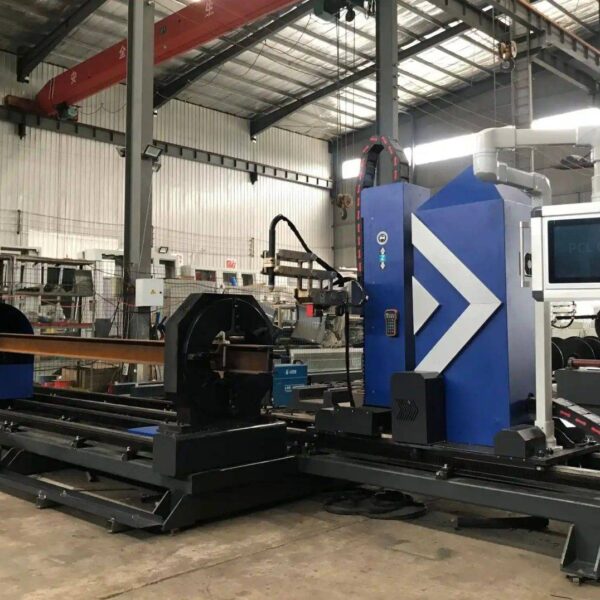
8 axis plasma cutting machine
-
5 axis plasma cutting machine
-

LT360 tube laser cutting machine
-
robot welding workstation
-

SF6060 fiber laser cutting machine
Advanced Fiber Laser Tube Processing Technology
Our CNC Fiber Laser Tube Cutting systems revolutionize metal fabrication by integrating high-precision cutting, punching, and profiling into a single automated workflow. Designed for versatility, this technology handles a wide array of profiles including Round, Square, Rectangular, and Oval tubes, as well as complex L-shaped and U-shaped channels.
- Precision Punching: High-speed hole punching with micron-level accuracy, eliminating the need for mechanical drilling or die-stamping.
- Complex Profiling: Advanced 3D pathing allows for intricate interlocking joints and specialized notch cuts, ideal for structural frames.
- High Material Efficiency: Intelligent nesting software minimizes scrap, reducing raw material costs across large production runs.
- Clean Finish: Delivers oxide-free, burr-free edges that require zero secondary grinding before welding.

Seamlessly processing multiple profiles with consistent precision.
Global Delivery & Logistics



From our high-tech manufacturing facility directly to your global site. PCL WeldCut ensures secure packaging, professional handling, and reliable international logistics to safeguard your equipment throughout the entire journey.