Mechanized Tank Fillet Welding in Bridge Truss Fabrication
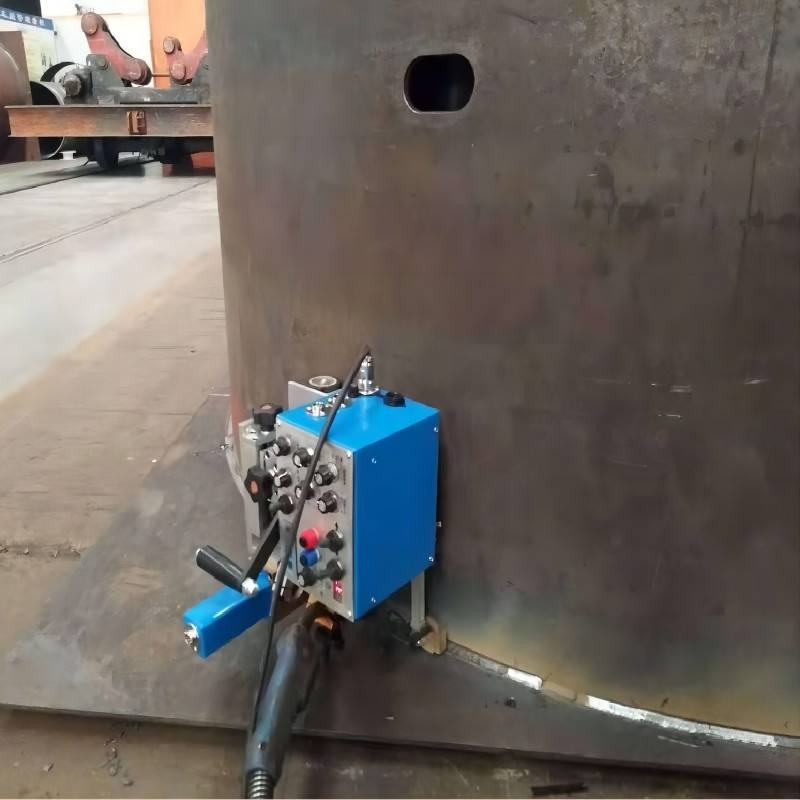
In the fabrication of heavy-duty bridge trusses and large-diameter tubular nodes, the integrity of the fillet weld is a primary structural requirement. Unlike standard plate welding, the geometry of tank-style structures requires consistent torch positioning across long, often curved, trajectories. The transition from manual stick welding to mechanized magnetic crawler systems represents a critical shift in industrial efficiency. These systems are not autonomous robots but rather precision-engineered carriages designed to provide a steady travel speed and constant contact with the workpiece, ensuring that the weld bead profile remains uniform regardless of the welder’s physical fatigue.
The Role of Magnetic Adhesion in Field Construction Stability
Field construction presents environmental variables that are absent in a controlled shop environment. Wind, uneven surfaces, and gravity-induced sag in welding cables can disrupt the arc. The magnetic crawler solves these issues through high-pull permanent magnets or electromagnets integrated into the drive wheels. This magnetic force ensures that the unit remains locked to the steel surface, even when operating in vertical or overhead positions. for Bridge Trusses, where tubular intersections create complex fillet angles, the stability of the carriage is the determining factor in achieving the required throat thickness and leg length.
Mechanical stability is further enhanced by four-wheel drive configurations that distribute weight evenly. This prevents “crabbing” or slipping during the welding cycle. By maintaining a fixed distance between the contact tip and the work (CTWD), the machine eliminates the fluctuations in voltage and current that typically occur with manual semi-automatic processes. This stability is essential for high-deposition flux-cored arc welding (FCAW) where the molten puddle is large and sensitive to movement vibrations.
Optimizing Fillet Weld Geometry through Mechanical Precision
Fillet welds in tank and bridge applications must meet strict AWS or ISO standards for leg size and convexity. When using a mechanized crawler, the industrial engineer can pre-set the travel speed and oscillation parameters. This precision ensures that the heat-affected zone (HAZ) is minimized while maximizing field construction stability. Because the machine moves at a constant rate, the energy input per linear millimeter is perfectly distributed, preventing burn-through on thinner tank walls and ensuring deep penetration on heavy bridge gussets.
The control interface on these crawlers allows for fine adjustments to the torch angle. In fillet welding, the work angle and travel angle are vital to prevent undercut and overlap. A mechanized carriage holds the torch at a rigid 45-degree angle (or the specified design angle) with a tolerance that a human hand cannot replicate over a 10-meter span. This repeatability is the cornerstone of industrial quality assurance, reducing the need for post-weld grinding or rework.
Mechanical Traction and Surface Preparation Requirements
While magnetic crawlers offer superior stability, their performance is tethered to the quality of the substrate. Industrial engineers must specify surface preparation protocols, such as grit blasting or power tool cleaning, to ensure the magnets achieve maximum flux. Mill scale and heavy rust can reduce the magnetic pull force, potentially leading to carriage slippage during critical weld passes. The traction wheels, often made of high-friction heat-resistant silicone or serrated steel, must be inspected daily to ensure they can overcome the drag of heavy lead cables.
Cable management systems are often integrated into the crawler setup. By using a counter-weight or a cable hanger, the industrial engineer ensures that the weight of the GMAW/FCAW gun and the umbilical does not exceed the magnetic holding force of the machine. This foresight in planning prevents equipment failure and ensures a continuous weld bead, which is essential for structures subject to fatigue loading, such as highway bridges.
Operational Efficiency and Throughput Analysis
The implementation of mechanized fillet welding is a strategic decision based on throughput. A manual welder typically operates at a 20-30% duty cycle due to the need for repositioning and environmental breaks. In contrast, a magnetic crawler can operate at duty cycles exceeding 70%. In the context of tank construction or bridge truss assembly, this translates to hundreds of additional meters of welding per shift. The weld profile consistency achieved also simplifies the non-destructive testing (NDT) phase, as ultrasonic and radiographic testing find fewer discontinuities in mechanized welds compared to manual ones.
Thermal Management in Thick-Walled Bridge Nodes
Welding thick-walled bridge components requires careful monitoring of interpass temperatures. Magnetic crawlers can be equipped with heat shields to protect the internal drive motors and magnets from the intense radiant heat of the arc. By managing the thermal load, the machine can perform multi-pass fillet welds without the need for cooling periods that would otherwise stall production. This capability is particularly beneficial when working with high-strength low-alloy (HSLA) steels, where maintaining a specific cooling rate is necessary to preserve the mechanical properties of the grain structure.
Summary of Industrial Advantages
The utilization of magnetic crawler technology in tank and bridge construction is not about replacing the welder but about providing a superior tool for high-volume, high-criticality joints. By ensuring field construction stability through mechanical means, engineers can guarantee that every fillet weld meets the design specification. The absence of complex robotic programming or volatile laser/plasma systems makes these crawlers robust enough for the harsh realities of the construction site, where durability and simplicity are the keys to maintaining the project timeline. The focus remains on the mechanical synergy between magnetic adhesion, constant travel speed, and precise torch positioning, ensuring structural integrity in the most demanding infrastructure projects.
-
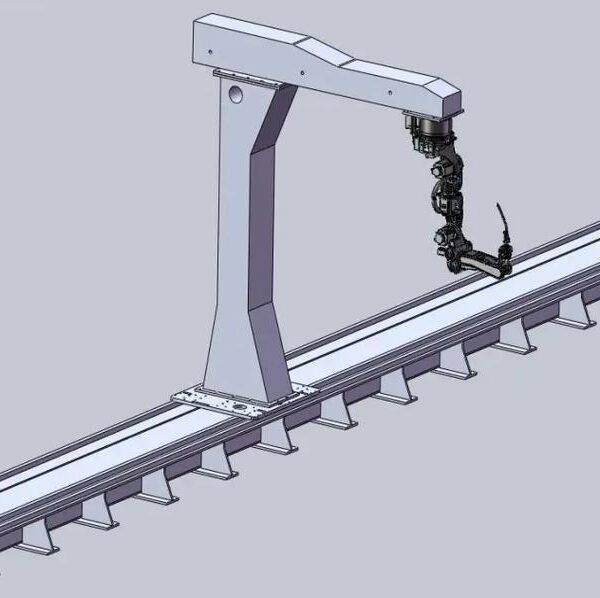

Cantilever Welding Robot solution
-
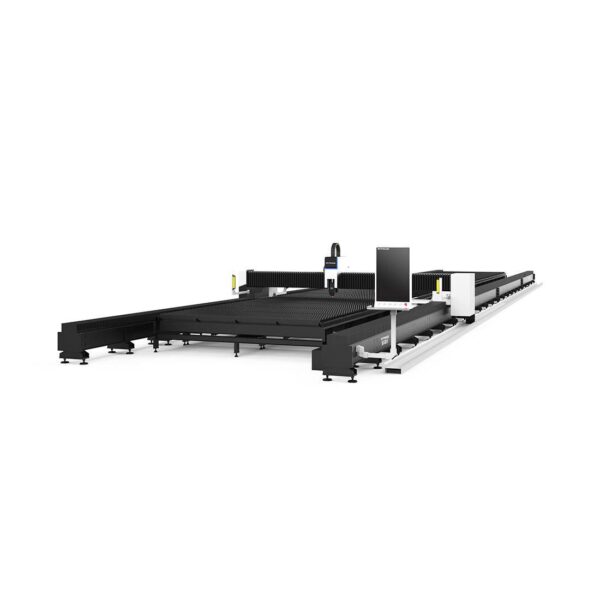

GF laser cutting machine
-
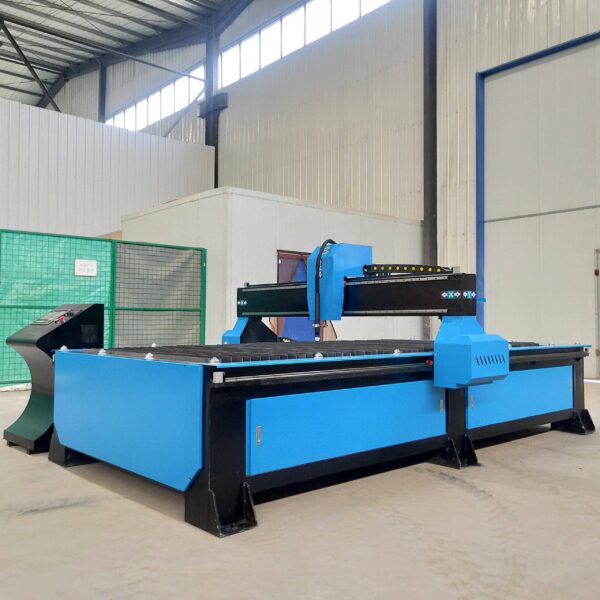
P3015 plasma cutting machine
-

LFP3015 Fiber Laser Cutter
-
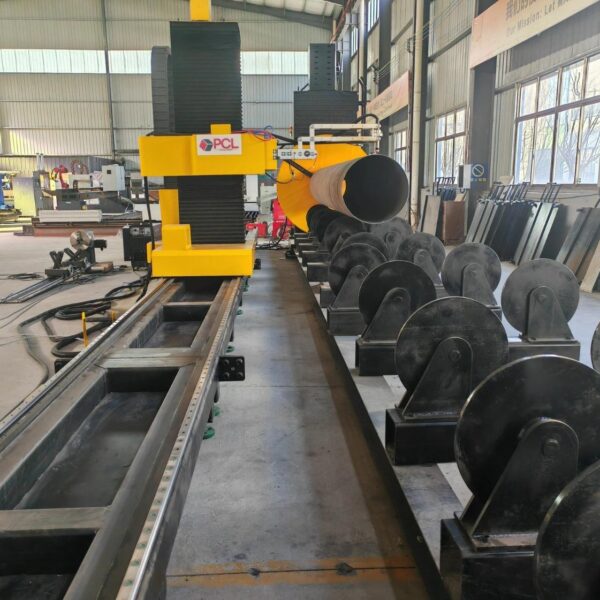
pipe plasma cutting machine
-
LFH 4020 Fiber Laser Cutting Machine
-
LFP4020
-
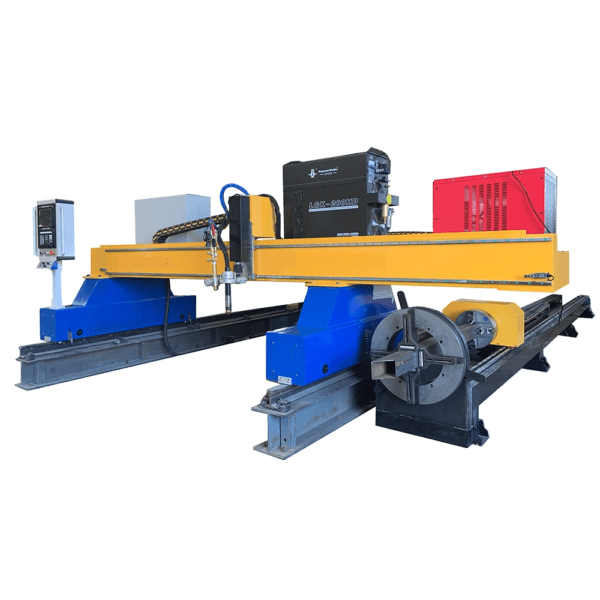
gantry plasma air cutting machine
-
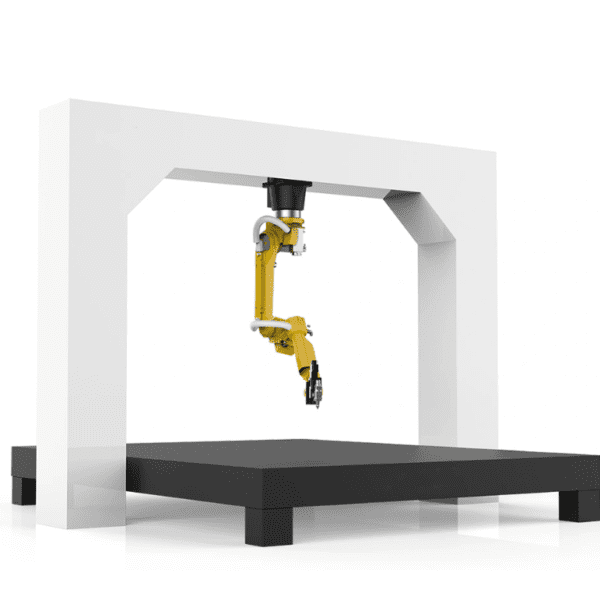
3D robot cutting machine
-
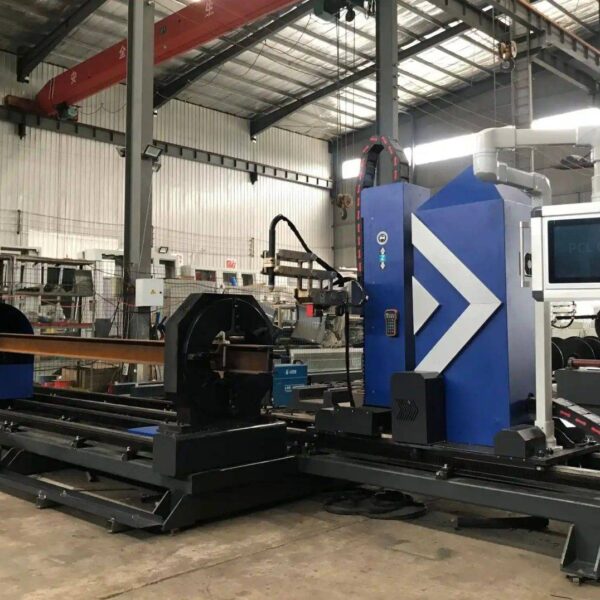
8 axis plasma cutting machine
-
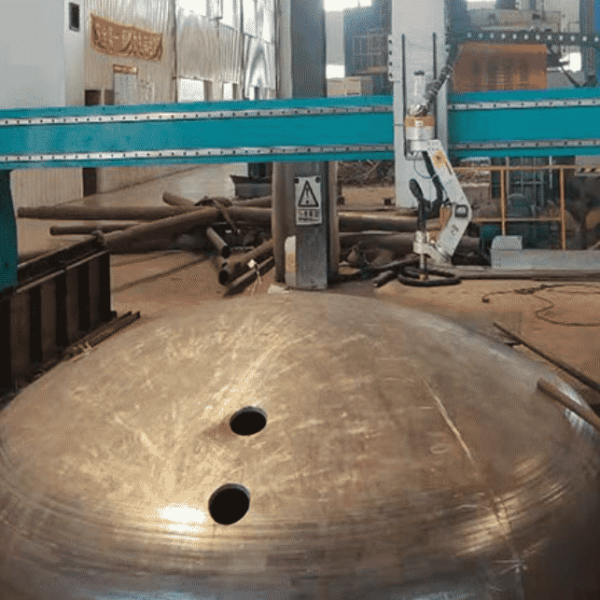
5 axis plasma cutting machine
-

LT360 tube laser cutting machine
-
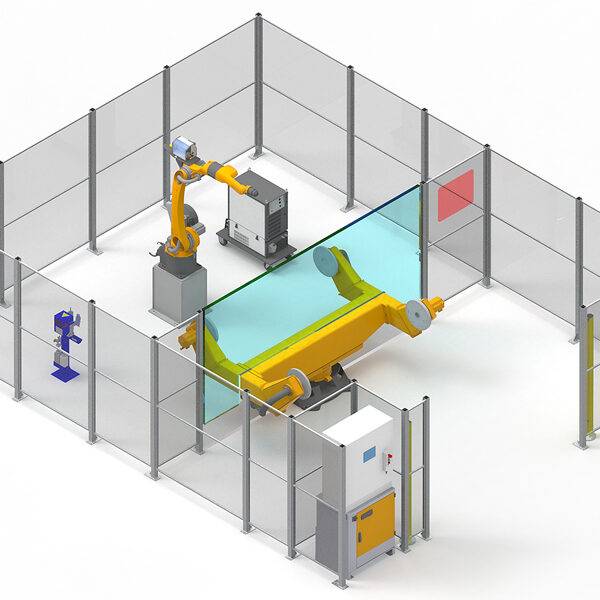
robot welding workstation
-

SF6060 fiber laser cutting machine
Advanced Fiber Laser Tube Processing Technology
Our CNC Fiber Laser Tube Cutting systems revolutionize metal fabrication by integrating high-precision cutting, punching, and profiling into a single automated workflow. Designed for versatility, this technology handles a wide array of profiles including Round, Square, Rectangular, and Oval tubes, as well as complex L-shaped and U-shaped channels.
- Precision Punching: High-speed hole punching with micron-level accuracy, eliminating the need for mechanical drilling or die-stamping.
- Complex Profiling: Advanced 3D pathing allows for intricate interlocking joints and specialized notch cuts, ideal for structural frames.
- High Material Efficiency: Intelligent nesting software minimizes scrap, reducing raw material costs across large production runs.
- Clean Finish: Delivers oxide-free, burr-free edges that require zero secondary grinding before welding.

Seamlessly processing multiple profiles with consistent precision.
Global Delivery & Logistics



From our high-tech manufacturing facility directly to your global site. PCL WeldCut ensures secure packaging, professional handling, and reliable international logistics to safeguard your equipment throughout the entire journey.