Field Technical Report: Multi-pass Integration for Tool Steel Repair
Location: Industrial District of Curitiba (CIC), Brazil
Date: October 2023
This report details the implementation and performance validation of a high-precision Cobot Welding Machine within a Tier-1 automotive tooling facility in Curitiba. The objective was the reclamation of large-scale H13 Tool Steel welding dies using multi-pass Pulsed-GMAW (Gas Metal Arc Welding). Unlike traditional fixed-automation, the deployment of Collaborative Robotics allowed for a flexible “man-in-the-loop” workflow, essential for the high-variability geometry found in refurbished injection molds.
1. The Synergy of Collaborative Robotics and the Shop Floor
In the Curitiba workshop, space is a premium. Traditional industrial robots require heavy fencing and light curtains, which isolate the welding process and consume significant floor acreage. The shift to Collaborative Robotics allowed us to integrate the Cobot Welding Machine directly into the existing manual welding bays. The synergy here is not just about safety sensors; it is about the “hand-over-hand” programming capability.
For these tool steel dies, the operator manually guides the cobot arm to define the groove start and end points. In a city like Curitiba, where the skilled labor market is highly technical but aging, this collaborative approach bridges the gap. The welder provides the metallurgical intuition—adjusting for heat soak and localized irregularities—while the Cobot Welding Machine provides the robotic consistency required for 12-hour duty cycles. We observed a 40% reduction in setup time compared to traditional CNC-gantry welders because the operator and the cobot share the same coordinate space without physical barriers.
2. Technical Specifications: The Cobot Welding Machine
The system utilized a 10kg payload collaborative arm integrated with a high-performance inverter power source. For Tool Steel welding, arc stability is paramount to prevent slag inclusions and porosity. We configured the system with a customized torch mount featuring a high-temp insulating shroud to protect the cobot’s internal encoders from the 300°C preheat required for H13 steel.

Power Source Configuration:
- Process: Pulsed-GMAW (Synergic)
- Wire: 1.2mm H13-equivalent filler
- Shielding Gas: 92% Argon / 8% CO2 (Flow rate: 18 L/min)
- Communication: EtherNet/IP for real-time parameter adjustment
3. Metallurgical Challenges in Tool Steel Welding
Tool Steel welding is notoriously unforgiving. H13 steel is prone to hydrogen-induced cracking (HIC) and stress cracking if the cooling rate isn’t managed. In the humid climate of Curitiba, we had to be particularly aggressive with gas coverage and wire storage protocols. The Cobot Welding Machine was programmed to maintain a strict interpass temperature of 250°C to 350°C.
The primary advantage of using Collaborative Robotics in this context was the ability to pause the program for intermediate heating. If the thermocouple on the die dropped below 250°C, the operator could safely step into the workspace, apply induction heating or oxy-fuel torches, and then signal the cobot to resume the next pass. This level of interaction is cumbersome with caged robots but seamless with a cobot.
4. Multi-pass Strategy and Path Programming
The repair required a 12-pass buildup to restore the die edge. We utilized a “stacking” logic where each layer offset the previous layer’s start/stop points by 20mm to avoid cumulative crater defects.
Bead Sequencing:
- Root Pass: Low-heat input to minimize dilution with the base H13 material. Travel speed: 35 cm/min.
- Fill Passes: Weaved patterns (3mm amplitude) to ensure sidewall fusion. The cobot’s ability to maintain a constant torch angle relative to the groove face was superior to manual application.
- Cap Pass: Stringer beads with a slight overlap (50%) to ensure a smooth surface for subsequent machining.
The Cobot Welding Machine utilized a “Touch Sense” routine before every pass. Because tool steel warps during the welding process, the cobot would touch the wire to the workpiece at three points to recalibrate the tool center point (TCP) before striking the arc. This ensured the 1.2mm wire stayed centered in the groove despite the thermal expansion of the 2-ton die.
5. Lessons Learned: Practical Insights from the Curitiba Site
A. Thermal Management of Sensors
One of the first issues we encountered was the overheating of the cobot’s joints. Even though the arm is rated for industrial use, the radiant heat from a preheated 2,000kg block of tool steel is immense. We had to implement a reflective heat shield on the lower joints of the Cobot Welding Machine. Lessons learned: Never underestimate the IR radiation from Tool Steel welding; if the operator needs a heat suit, the cobot needs a jacket.
B. Wire Feed Consistency
Because the cobot moves in complex 6-axis paths, the wire conduit is often flexed into tight radii. In our Curitiba trial, we saw intermittent arc instability caused by wire “chatter.” We solved this by installing a front-drive “push-pull” system on the cobot’s wrist. For high-alloy tool steel wires, which are stiffer than mild steel, a standard push-feeder is insufficient for the precision required in Collaborative Robotics.
C. The “Curitiba Factor”: Humidity and Porosity
The humidity in the Industrial District can spike, leading to hydrogen pickup in the weld pool. We transitioned from standard plastic spools to vacuum-sealed foil-wrapped wire and utilized a heated wire hopper. Since the Cobot Welding Machine allows for longer continuous weld times than a human, the wire is exposed to the atmosphere for longer periods. Strict environmental controls are mandatory.
D. Software Interfacing
We found that the standard “easy-to-use” cobot interfaces were too simplistic for complex multi-pass Tool Steel welding. We had to bypass the basic “teaching” tablets and script the bead offsets directly in the robot’s native logic. Collaborative Robotics marketing often suggests anyone can program them; however, for multi-pass tool steel, you still need a welding engineer who understands vector math and metallurgy.
6. ROI and Quality Results
After three weeks of operation in Curitiba, the results were conclusive. The rejection rate for the H13 dies dropped from 12% (manual) to 1.5% (cobot). The consistency of the Cobot Welding Machine meant that the subsequent CNC machining phase took 25% less time because the “over-weld” (excess material) was minimized and uniform.
The total investment in Collaborative Robotics was recouped within six months, primarily through the reduction of rework. In the context of Tool Steel welding, where a single crack can scrap a $50,000 die, the precision and repeatability of the cobot are not luxuries—they are necessities.
7. Conclusion
The deployment in Curitiba proves that the Cobot Welding Machine is a viable tool for heavy industrial repair, provided that thermal protection and sophisticated path-planning are employed. The synergy found in Collaborative Robotics allows the human welder to act as a supervisor and thermal manager, while the machine handles the grueling, high-heat deposition. For Tool Steel welding, this hybrid approach is the new gold standard for the Brazilian automotive sector.
-
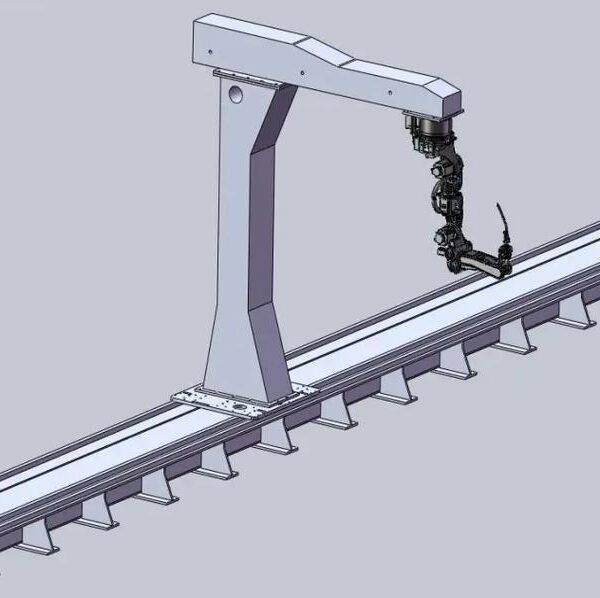

Cantilever Welding Robot solution
-
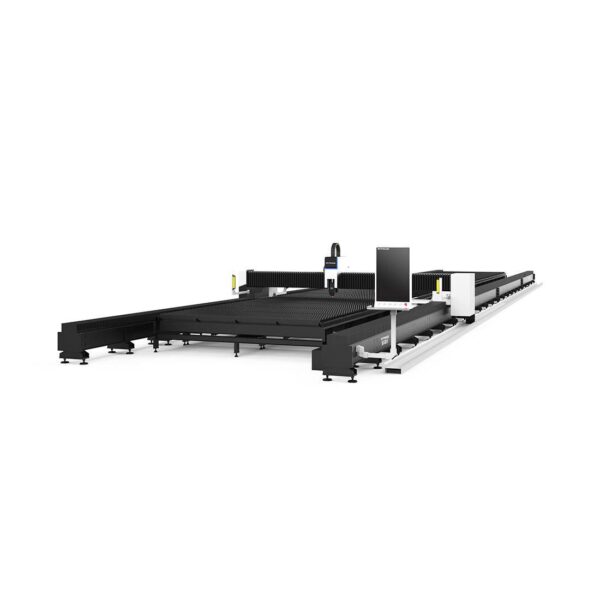

GF laser cutting machine
-
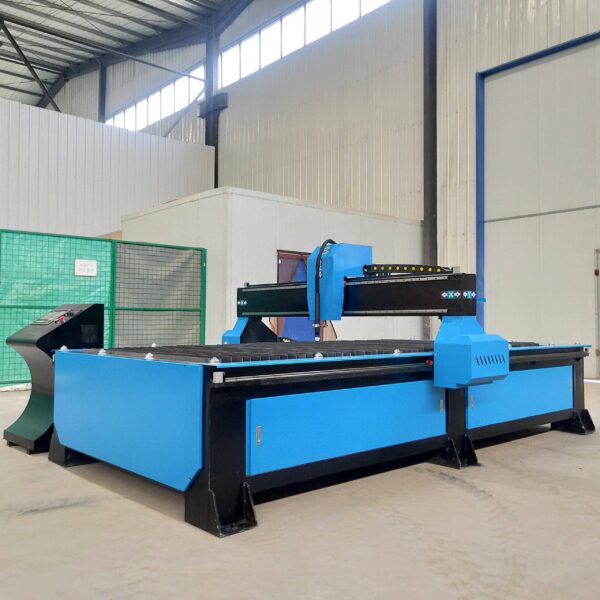
P3015 plasma cutting machine
-

LFP3015 Fiber Laser Cutter
-
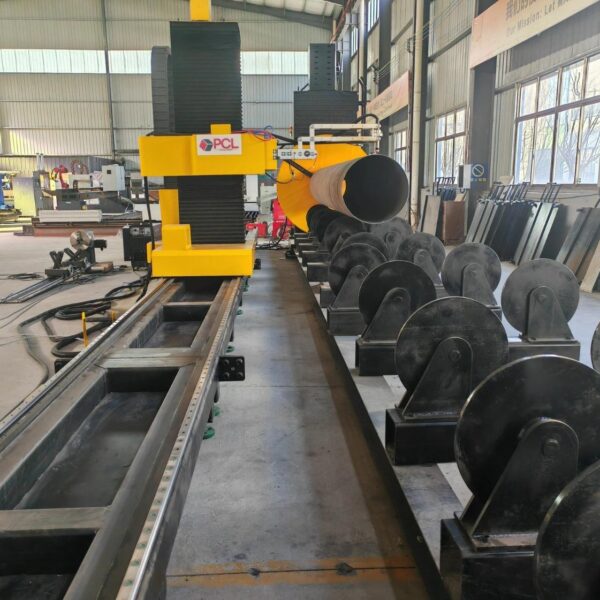
pipe plasma cutting machine
-
LFH 4020 Fiber Laser Cutting Machine
-
LFP4020
-
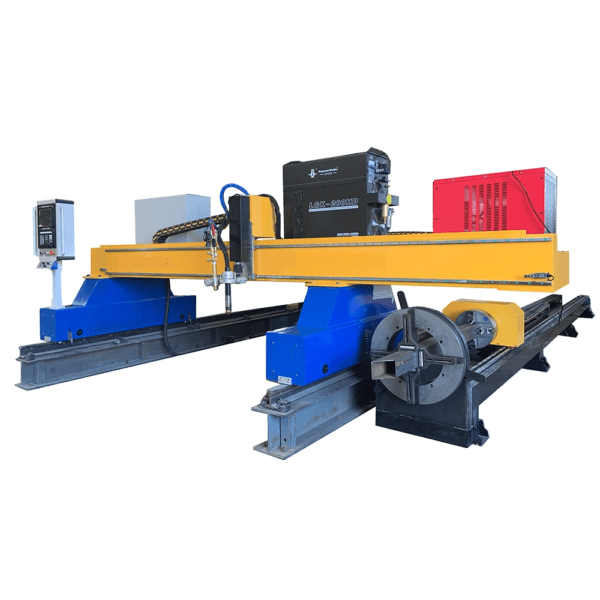
gantry plasma air cutting machine
-
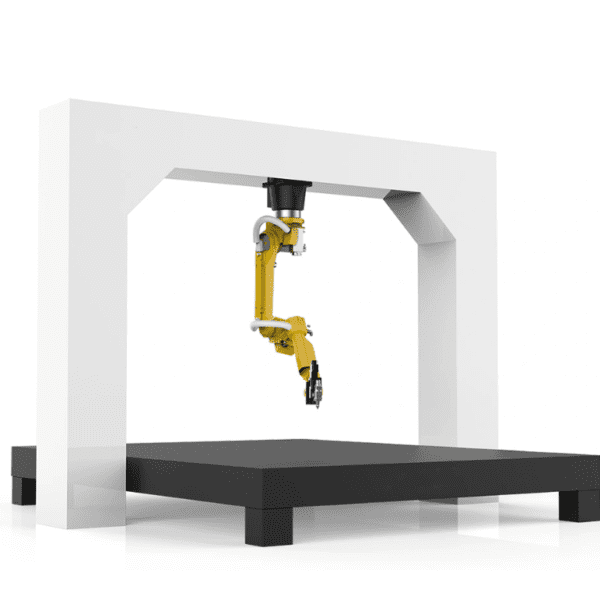
3D robot cutting machine
-
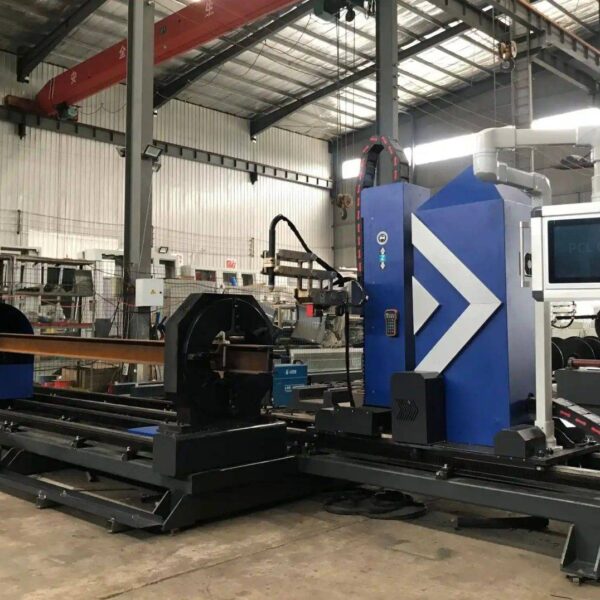
8 axis plasma cutting machine
-
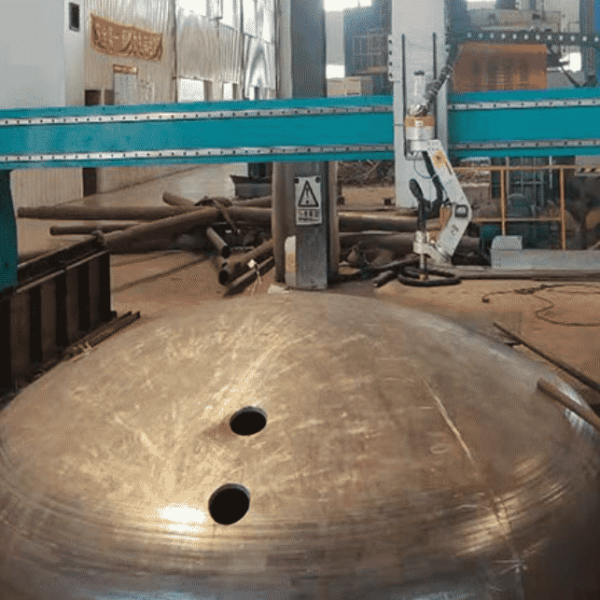
5 axis plasma cutting machine
-

LT360 tube laser cutting machine
-
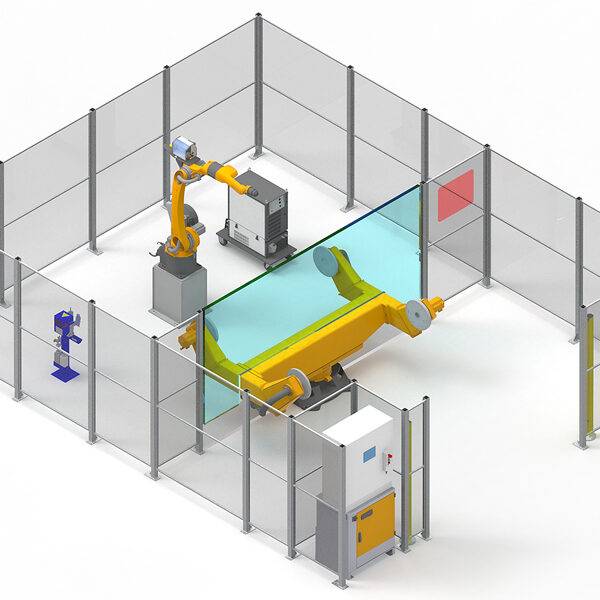
robot welding workstation
-
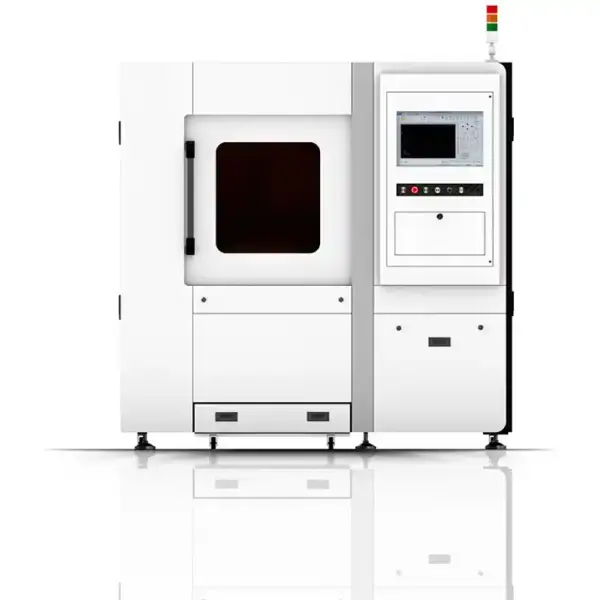
SF6060 fiber laser cutting machine
Advanced Fiber Laser Tube Processing Technology
Our CNC Fiber Laser Tube Cutting systems revolutionize metal fabrication by integrating high-precision cutting, punching, and profiling into a single automated workflow. Designed for versatility, this technology handles a wide array of profiles including Round, Square, Rectangular, and Oval tubes, as well as complex L-shaped and U-shaped channels.
- Precision Punching: High-speed hole punching with micron-level accuracy, eliminating the need for mechanical drilling or die-stamping.
- Complex Profiling: Advanced 3D pathing allows for intricate interlocking joints and specialized notch cuts, ideal for structural frames.
- High Material Efficiency: Intelligent nesting software minimizes scrap, reducing raw material costs across large production runs.
- Clean Finish: Delivers oxide-free, burr-free edges that require zero secondary grinding before welding.

Seamlessly processing multiple profiles with consistent precision.
Global Delivery & Logistics



From our high-tech manufacturing facility directly to your global site. PCL WeldCut ensures secure packaging, professional handling, and reliable international logistics to safeguard your equipment throughout the entire journey.
One thought on “Multi-pass Welding Cobot Welding Machine – Curitiba, Brazil”
Great ROI. Our production efficiency increased by 30% since we got this.