Field Report: Deployment of High-Speed MAG Cobot Welder Systems in Rayong Structural Fabrication
This report details the technical implementation and performance validation of collaborative robotic welding systems at a major structural steel facility in Rayong, Thailand. As the industrial sector in the Eastern Economic Corridor (EEC) shifts toward automation to combat skilled labor shortages, the integration of a MAG Cobot Welder into existing Arc Welding Solutions represents a significant pivot in production strategy. This report focuses on the practicalities of Structural Steel welding under high-humidity conditions and the resulting efficiency gains observed over a six-week deployment period.
1. Site Conditions and Infrastructure Challenges
Rayong presents a specific set of environmental challenges that impact weld metallurgy and equipment longevity. During the deployment, ambient humidity levels averaged 78%, with peak temperatures in the workshop reaching 38°C. For high-speed MAG (Metal Active Gas) processes, these conditions necessitate stringent control over gas shielding integrity and wire storage.
The primary objective was the fabrication of heavy-duty H-beam stiffeners and gusset plates. Traditionally, this Structural Steel welding was performed manually, leading to inconsistencies in throat thickness and excessive post-weld grinding. The introduction of the MAG Cobot Welder was designed to standardize these parameters while maintaining the flexibility of a manual workstation.
2. Technical Configuration: The MAG Cobot Welder Ecosystem
The system deployed consists of a 10kg-payload collaborative arm integrated with a high-performance inverter power source. Unlike traditional industrial robots, this cobot operates without safety fencing, utilizing force-torque sensors to allow human-robot co-habitation in the tight confines of the Rayong facility.

Power Source and Waveform Control
The synergy between the MAG Cobot Welder and our broader Arc Welding Solutions is rooted in the digital communication bridge. We utilized a modified spray-transfer mode to maximize deposition rates. For the 12mm to 20mm structural plates, the power source was tuned to provide a pulsed-MAG waveform, which reduced spatter by 15% compared to standard CV (Constant Voltage) sets used previously on the floor.
Wire and Gas Selection
We standardized on 1.2mm ER70S-6 solid wire. Given the Rayong humidity, we implemented heated wire dispensers to prevent moisture pick-up on the wire surface, which is a leading cause of hydrogen-induced cracking in Structural Steel welding. The shielding gas mixture was optimized at 82% Argon and 18% CO2, providing the necessary penetration profile while stabilizing the arc at high travel speeds.
3. Integration with Arc Welding Solutions
The “Solution” aspect of this deployment goes beyond the hardware. It involves the digital twin programming and the sensory feedback loops that allow the MAG Cobot Welder to adapt to real-world fit-up variances. In structural fabrication, “perfect” fit-up is a myth; gaps vary from 0.5mm to 2.0mm.
Adaptive Stitching and Weaving
By leveraging the software suite within our Arc Welding Solutions, we programmed adaptive weaving patterns. The cobot monitors arc voltage in real-time; if the gap widens, the system automatically slows travel speed and increases weave width. This level of autonomy is critical for Structural Steel welding where thermal distortion can shift joint geometry mid-pass.
4. Performance Metrics: Manual vs. Cobot
Data collected over 400 production hours indicates a marked shift in OEE (Overall Equipment Effectiveness). While a manual welder in the Rayong heat typically manages a 30% arc-on time due to fatigue and heat stress, the MAG Cobot Welder maintained an arc-on time of 72%.
Deposition and Travel Speeds
In 10mm fillet welds on structural H-beams, we achieved travel speeds of 480mm/min, nearly double the sustainable manual rate. Furthermore, the “repair rate”—the percentage of welds requiring rework due to porosity or undercut—dropped from 4.2% to 0.8%. This delta is primarily attributed to the cobot’s ability to maintain a constant contact-tip-to-work distance (CTWD), which is notoriously difficult for manual operators to do consistently over long joints.
5. Lessons Learned from the Rayong Workshop Floor
Engineering success in the field is rarely about the “best-case scenario” and usually about how the system handles “worst-case” variables. Several critical lessons were identified during the commissioning phase.
The Grounding Bottleneck
We initially encountered intermittent arc instability. The culprit was the workshop’s “common ground” rail system. High-frequency noise from adjacent plasma cutters was interfering with the cobot’s sensitive control electronics. Lesson: Every MAG Cobot Welder requires a dedicated, isolated earth return directly to the workpiece or the welding table to ensure the integrity of the Arc Welding Solutions feedback loop.
Torch Angle Sensitivity
In Structural Steel welding, the tendency is to use a steep push angle. However, the cobot’s high-speed MAG process proved sensitive to “gas tunneling.” If the torch angle exceeded 15 degrees from the vertical, the high travel speed created a low-pressure zone behind the arc, drawing in atmospheric oxygen. We recalibrated the programming to a 5-7 degree lead angle, which cured the intermittent porosity issues we saw in the first week.
Cable Management in Tight Geometries
Unlike a human welder, a cobot does not “feel” a snagged cable. During the fabrication of complex gusset assemblies, the umbilical for the torch was catching on the workpiece corners, causing “stutter” in the travel speed and resulting in localized humping. We had to design custom 3D-printed cable guides to ensure the MAG Cobot Welder had a clear radius of motion. This is a vital consideration for any engineer planning Arc Welding Solutions in a crowded structural shop.
6. Metallurgical Observations in Structural Steel
Cross-sectional macro-etching of the 12mm fillet welds showed excellent fusion at the root. The heat-affected zone (HAZ) was notably narrower than manual equivalents. Because the MAG Cobot Welder moves at a faster, more consistent pace, the total heat input (kJ/mm) is lower despite the higher amperage. This is a major advantage for Structural Steel welding as it minimizes plate warping and preserves the mechanical properties of the base metal.
7. Human-Machine Synergy: The Operator’s Role
A common misconception in the Rayong industrial zone is that the cobot replaces the welder. Our field observation contradicts this. The most successful cells were those where the “operator” transitioned into a “welding technician” role. The technician handles the fit-up, tacking, and cleaning, while the MAG Cobot Welder handles the high-volume deposition. This division of labor reduced the physical toll on the staff, a critical factor in the tropical climate where heat exhaustion is a daily risk.
8. Conclusion and Strategic Recommendation
The implementation of the MAG Cobot Welder in our Rayong facility has validated that collaborative Arc Welding Solutions are not just for light-gauge automotive parts; they are robust enough for heavy Structural Steel welding. The ROI (Return on Investment) is projected at 14 months, driven largely by the reduction in rework and the increase in daily tonnage throughput.
For future rollouts, I recommend a phased approach:
Phase A: Infrastructure Upgrade
Ensure all power grids are stabilized and isolated grounds are installed before the cobots arrive on site.
Phase B: Skill-Set Pivot
Invest in training existing manual welders on basic robotic path programming. Their knowledge of puddle dynamics is the secret sauce to optimizing the MAG Cobot Welder.
Phase C: Process Standardization
Standardize all Structural Steel welding joints to a “Cobot-Friendly” design, ensuring clear access for the torch and consistent bevel angles.
The Rayong deployment proves that when you pair a high-speed MAG Cobot Welder with a well-engineered Arc Welding Solution, the result is a massive leap in structural integrity and shop-floor productivity.
Report Submitted by:
Senior Welding Engineer
Rayong Field Office
-
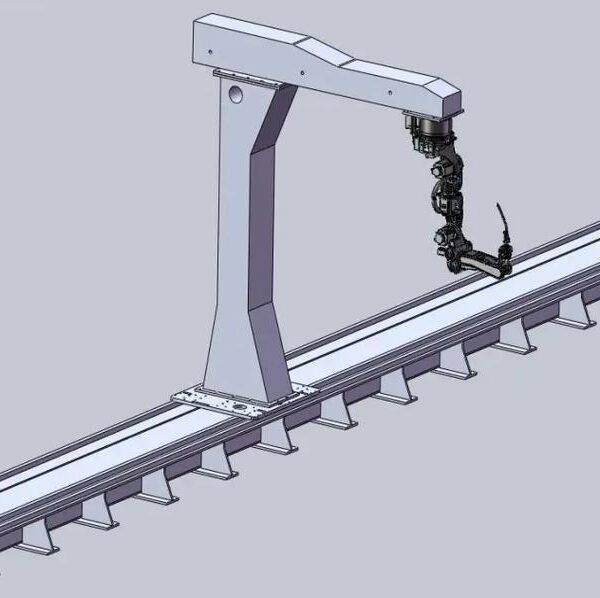

Cantilever Welding Robot solution
-
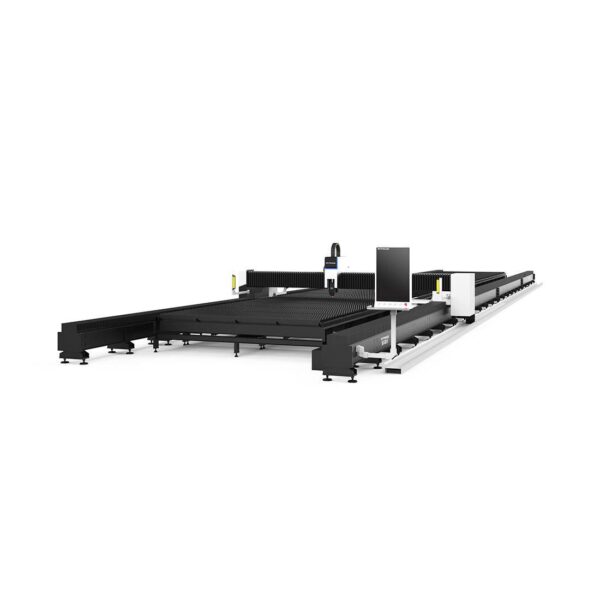

GF laser cutting machine
-
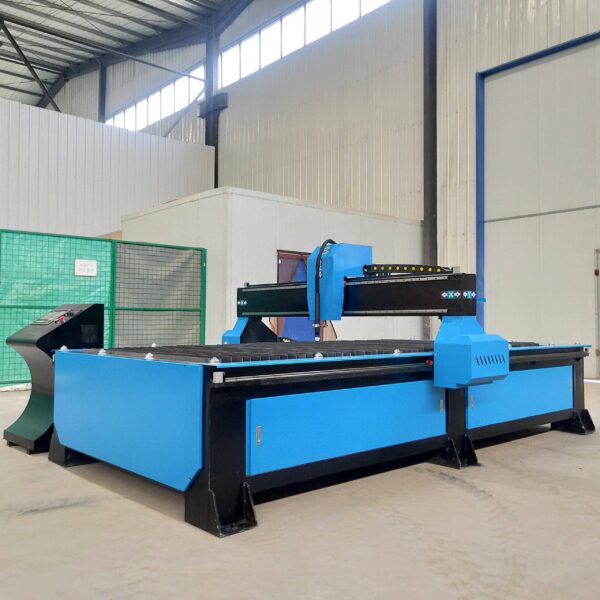
P3015 plasma cutting machine
-

LFP3015 Fiber Laser Cutter
-
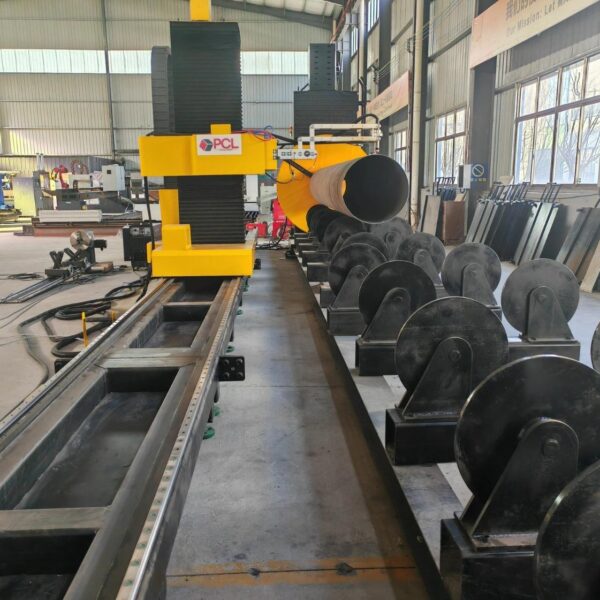
pipe plasma cutting machine
-
LFH 4020 Fiber Laser Cutting Machine
-
LFP4020
-
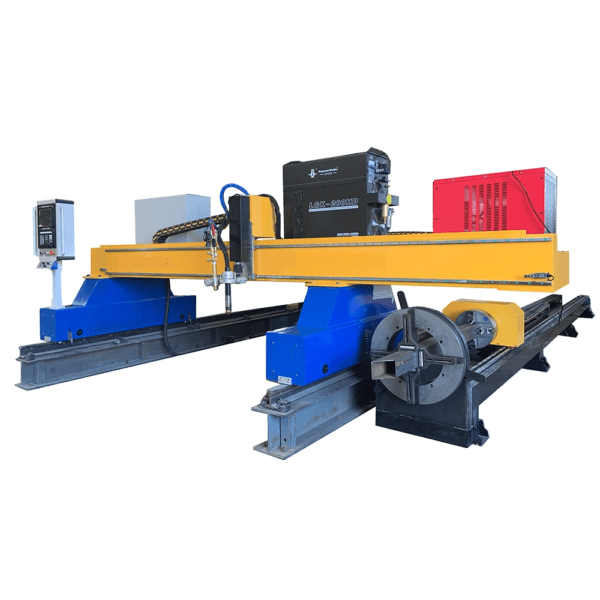
gantry plasma air cutting machine
-
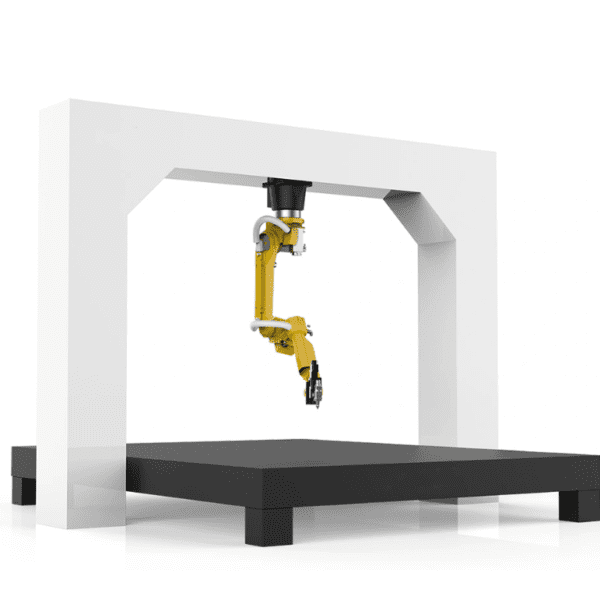
3D robot cutting machine
-
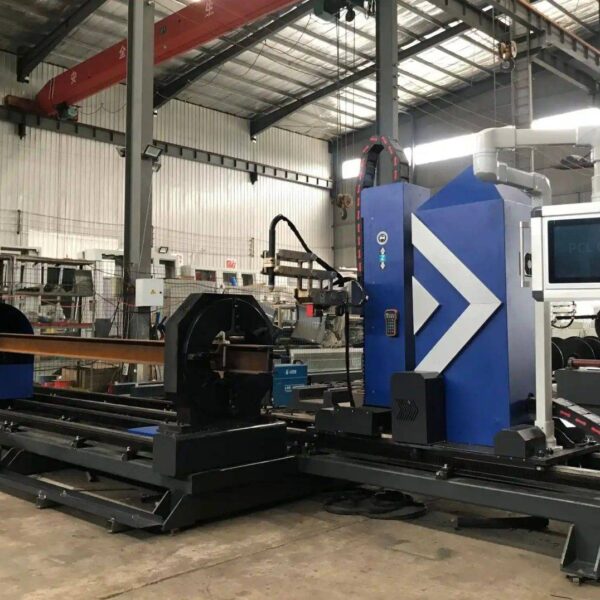
8 axis plasma cutting machine
-
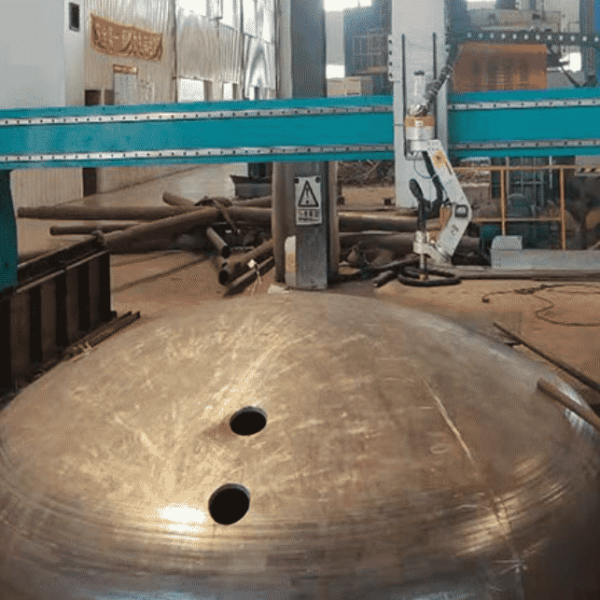
5 axis plasma cutting machine
-

LT360 tube laser cutting machine
-
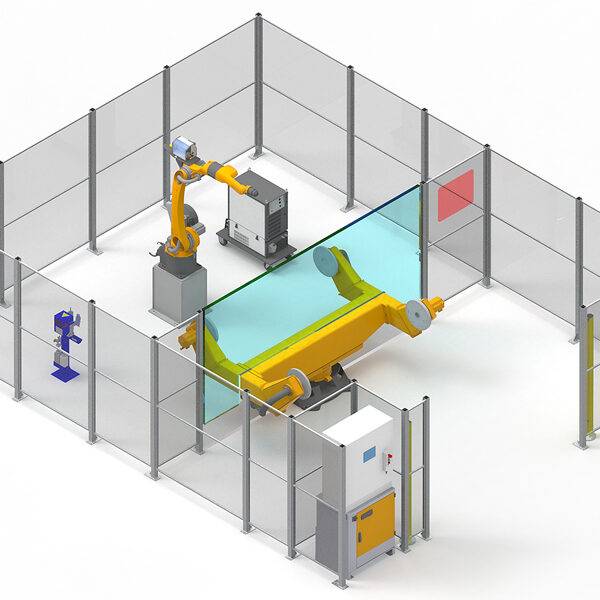
robot welding workstation
-
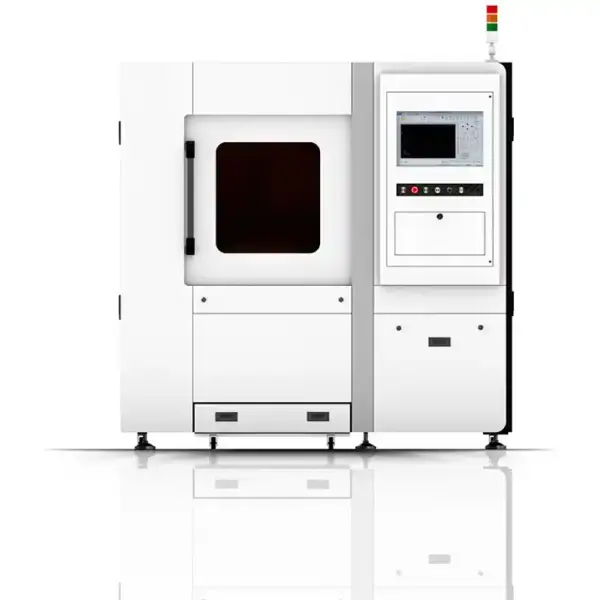
SF6060 fiber laser cutting machine
Advanced Fiber Laser Tube Processing Technology
Our CNC Fiber Laser Tube Cutting systems revolutionize metal fabrication by integrating high-precision cutting, punching, and profiling into a single automated workflow. Designed for versatility, this technology handles a wide array of profiles including Round, Square, Rectangular, and Oval tubes, as well as complex L-shaped and U-shaped channels.
- Precision Punching: High-speed hole punching with micron-level accuracy, eliminating the need for mechanical drilling or die-stamping.
- Complex Profiling: Advanced 3D pathing allows for intricate interlocking joints and specialized notch cuts, ideal for structural frames.
- High Material Efficiency: Intelligent nesting software minimizes scrap, reducing raw material costs across large production runs.
- Clean Finish: Delivers oxide-free, burr-free edges that require zero secondary grinding before welding.

Seamlessly processing multiple profiles with consistent precision.
Global Delivery & Logistics



From our high-tech manufacturing facility directly to your global site. PCL WeldCut ensures secure packaging, professional handling, and reliable international logistics to safeguard your equipment throughout the entire journey.