Field Report: Deployment of Fiber Laser Cobot Systems in Hanoi Heavy Industry Sector
This report summarizes the technical findings and operational performance of the newly integrated High-speed Fiber Laser Cobot systems at the Hanoi manufacturing facility. Our primary objective was to transition from traditional manual TIG (Tungsten Inert Gas) processes to an automated solution capable of handling high-grade Titanium welding for export-market aerospace components and performance exhaust systems. The following documentation details the synergy between advanced Laser Technology and collaborative robotics under local environmental constraints.
1. Site Conditions and Environmental Challenges
Hanoi’s industrial environment presents specific challenges for high-precision welding. During the commissioning phase in July, ambient humidity levels consistently peaked at 85-90%. For Titanium welding, moisture is the enemy. Even trace amounts of hydrogen or oxygen contamination in the weld pool lead to embrittlement.
We found that traditional manual welding in these conditions required excessive setup for shielding tents. By implementing the Fiber Laser Cobot, we condensed the weld zone. The high energy density of the fiber source allows for a significantly smaller Heat Affected Zone (HAZ), reducing the time the metal stays at critical temperatures where it is most susceptible to atmospheric contamination.
2. Technical Specifications of the Fiber Laser Cobot
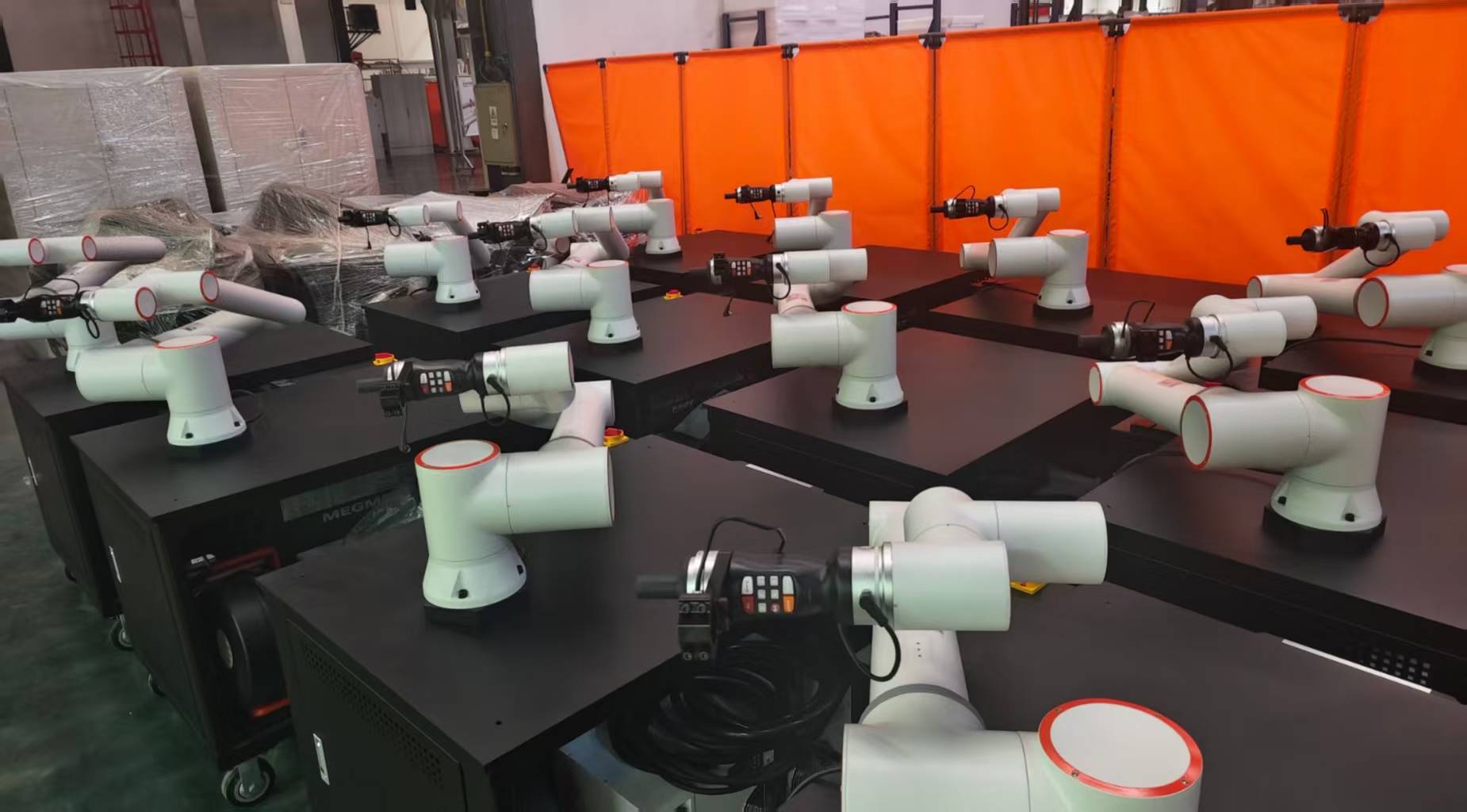
The system utilizes a 2kW continuous wave (CW) fiber source integrated with a 6-axis collaborative arm. Unlike traditional gantry robots, the Fiber Laser Cobot was selected for its “lead-through” programming capability, which is essential for the complex geometries found in Hanoi’s specialized fabrication shops.
Laser Technology Parameters
- Wavelength: 1070nm (ideal for high absorption in titanium alloys).
- Beam Quality (M²): <1.1, allowing for a focal spot size of 150μm.
- Wobble Function: 0-5mm amplitude at 200Hz. This was critical for bridging fit-up gaps in manually tacked assemblies.
3. Synergy: Fiber Laser Cobot and High-Speed Processing
The true advantage in this deployment is the synergy between the motion control of the cobot and the instantaneous power delivery of Laser Technology. In manual Titanium welding, the welder must balance travel speed with filler rod addition, often resulting in “pulsed” heat input that can warp thin-gauge (1.5mm) Grade 5 Titanium.
The Fiber Laser Cobot maintains a constant travel speed of 25mm/s—nearly four times faster than our best manual operators. This speed is only possible because the 1070nm fiber laser couples so efficiently with the material. We observed that the high-speed processing effectively “outruns” the heat conduction, keeping the bulk of the component cool and maintaining structural integrity without expensive chilled fixturing.
4. Advanced Titanium Welding Protocols
Titanium requires a purity of shielding that goes beyond standard steels. In Hanoi, we sourced 99.999% (5.0) High Purity Argon. However, the Laser Technology allows us to use a specialized coaxial nozzle that delivers a laminar flow of gas directly over the keyhole.
Lessons Learned: Trailing Shield Integration
Initially, we experienced “straw-colored” oxidation on the weld bead. In the field, any color other than silver in titanium welding is a failure. We modified the Fiber Laser Cobot head with a custom 3D-printed titanium trailing shield. Because the cobot moves with such precision, we were able to design the shield to maintain a 2mm stand-off from the workpiece, ensuring the weld remains under gas cover until it cools below 400°C.
5. Comparative Analysis: Manual vs. Automated Fiber Laser
Over a 30-day trial period in the Hanoi workshop, we gathered the following data on a standard titanium flange-to-tube joint:
| Metric | Manual TIG | Fiber Laser Cobot |
|---|---|---|
| Cycle Time | 12.5 Minutes | 2.2 Minutes |
| Post-Weld Grinding | Required | None |
| Argon Consumption | 25 L/min | 8 L/min |
| Scrap Rate (due to oxidation) | 14% | <1% |
6. The “Hanoi Factor”: Power Grid and Dust Management
One field lesson that isn’t in the manual: power stability. Hanoi’s industrial zones can experience voltage fluctuations. Laser Technology is sensitive to these dips. we had to install a dedicated 30kVA stabilizer to prevent the fiber source from tripping during peak afternoon loads.
Furthermore, the particulate matter in the Hanoi air necessitated a pressurized optical housing. We found that even microscopic dust on the protective window of the Fiber Laser Cobot would cause “thermal lensing,” shifting the focus point and resulting in lack of penetration in the Titanium welding samples. We implemented a twice-daily lens inspection protocol which eliminated this issue.
7. Metallurgy and Weld Integrity
Microstructural analysis of the welds performed by the Fiber Laser Cobot showed a much finer acicular alpha structure compared to the coarse grains seen in manual welds. This is a direct result of the rapid cooling rates inherent in Laser Technology. For the aerospace components we are producing in Hanoi, this translates to higher fatigue strength and better performance in high-vibration environments.
Keyhole vs. Conduction Mode
We primarily operated in “Keyhole Mode” for the 3mm plate sections. This requires the Fiber Laser Cobot to maintain a vertical tolerance of ±0.5mm. Manual welders cannot maintain this over a 500mm seam, but the cobot’s sensors adjusted the path in real-time. This ensured full penetration without the “drop-through” often seen when titanium becomes too molten.
8. Workforce Integration and Training
There was initial resistance from the local welding crew. However, the Fiber Laser Cobot is not a replacement for their skill; it is a tool that augments it. We trained the senior welders to “teach” the cobot the paths. Their knowledge of Titanium welding—specifically how the metal “pulls” during cooling—was vital in programming the offset parameters into the software. The synergy here is human-machine: the welder provides the metallurgical intuition, and the Laser Technology provides the execution.
9. Economic Impact and Scaling
The return on investment (ROI) for the Fiber Laser Cobot at the Hanoi site is projected at 14 months. This is driven largely by the reduction in gas consumption and the elimination of post-weld chemical cleaning (pickling), which is environmentally regulated and costly in Vietnam. By mastering Titanium welding at high speeds, the facility has already secured two new contracts from European Tier-1 automotive suppliers.
10. Final Technical Recommendations
- Cooling Systems: Ensure the chiller for the fiber source is oversized. Hanoi’s 40°C summer days require 30% more cooling capacity than European standards suggest.
- Optical Maintenance: Use only reagent-grade ethanol for lens cleaning. Local industrial alcohol left residues that burned under the 2kW beam.
- Jigging: Shift from manual clamps to pneumatic toggles. The Fiber Laser Cobot moves so fast that manual clamping becomes the bottleneck.
11. Conclusion
The deployment in Hanoi has proven that the Fiber Laser Cobot is not just a laboratory toy but a robust industrial workhorse. When properly shielded and supported by stable power, Laser Technology transforms Titanium welding from a slow, artisan craft into a high-throughput, repeatable manufacturing process. The lessons learned regarding humidity and optical maintenance will be applied to our upcoming deployments in Da Nang and Ho Chi Minh City.
Report Signed:
Senior Welding Engineer, Southeast Asian Operations
-
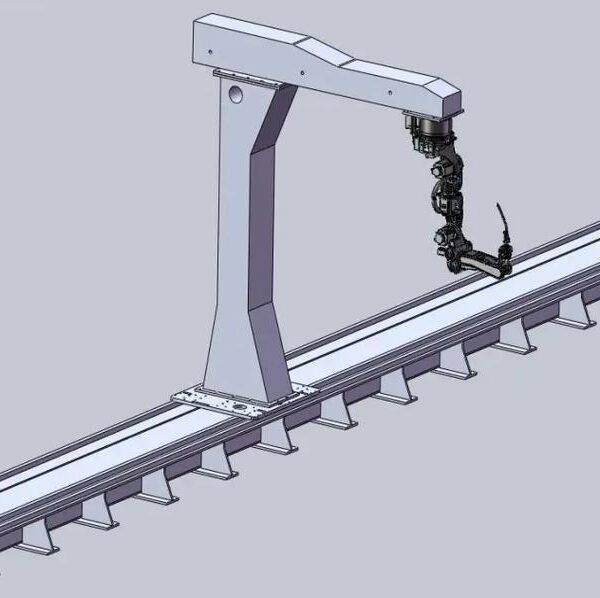

Cantilever Welding Robot solution
-
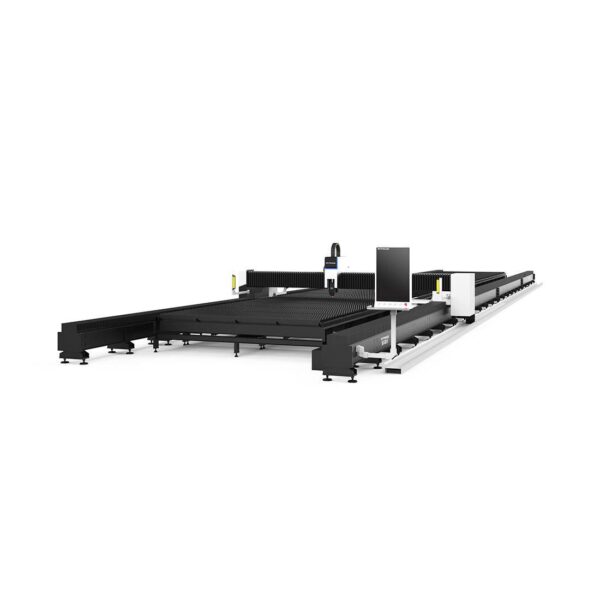

GF laser cutting machine
-
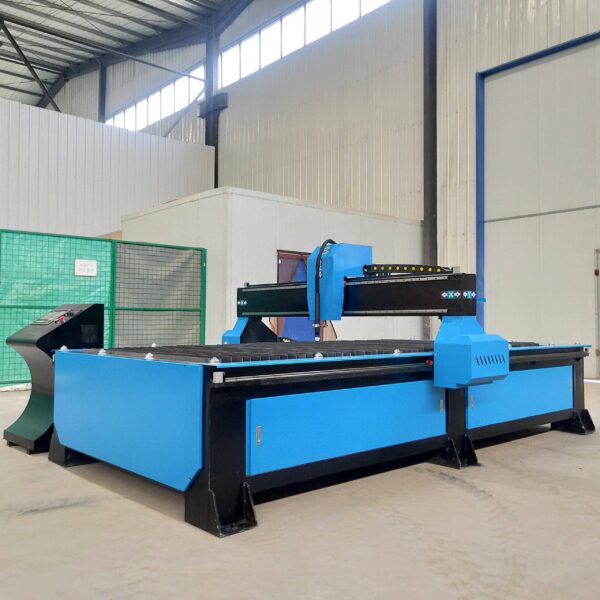
P3015 plasma cutting machine
-

LFP3015 Fiber Laser Cutter
-
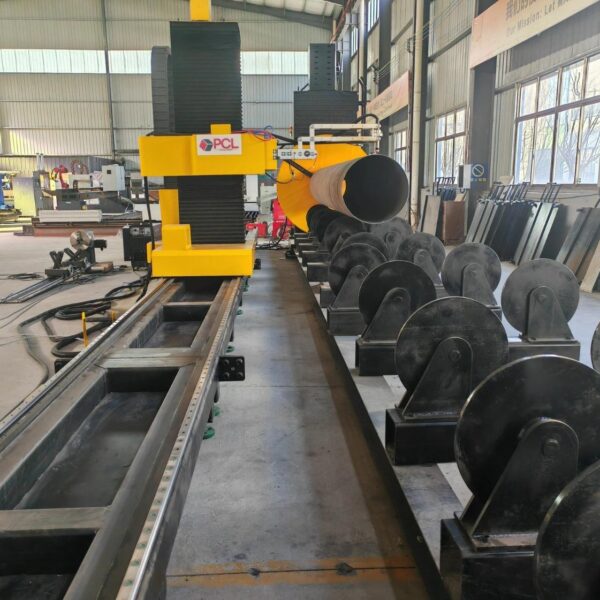
pipe plasma cutting machine
-
LFH 4020 Fiber Laser Cutting Machine
-
LFP4020
-
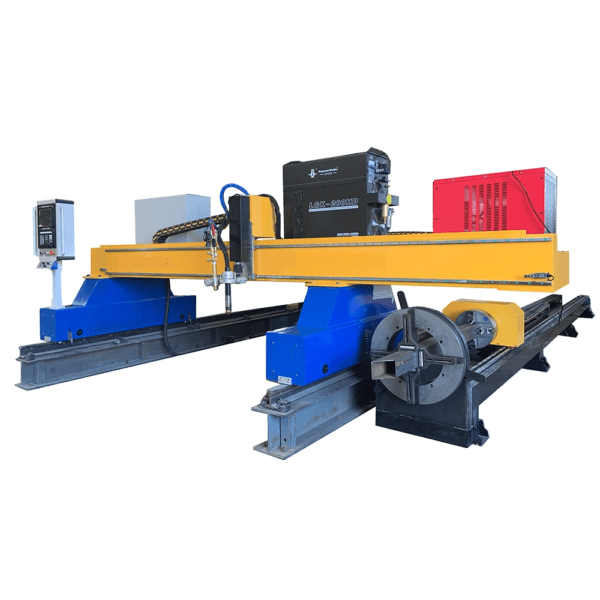
gantry plasma air cutting machine
-
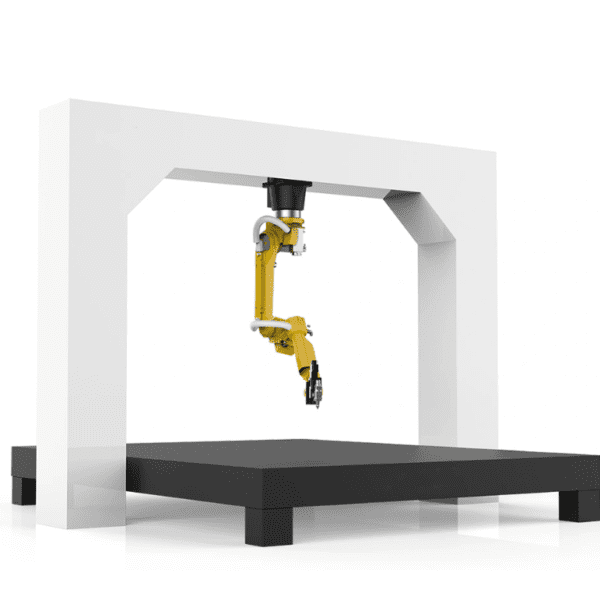
3D robot cutting machine
-
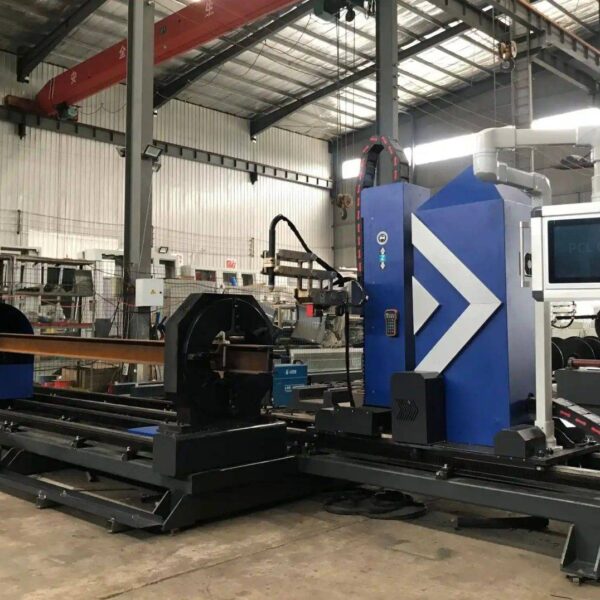
8 axis plasma cutting machine
-
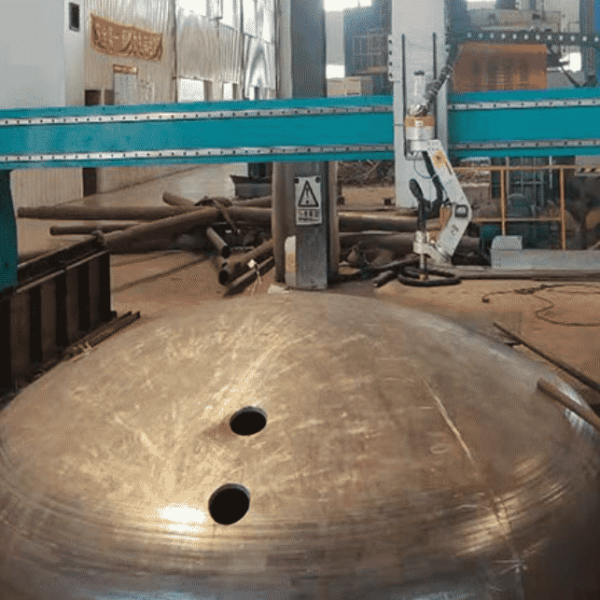
5 axis plasma cutting machine
-

LT360 tube laser cutting machine
-
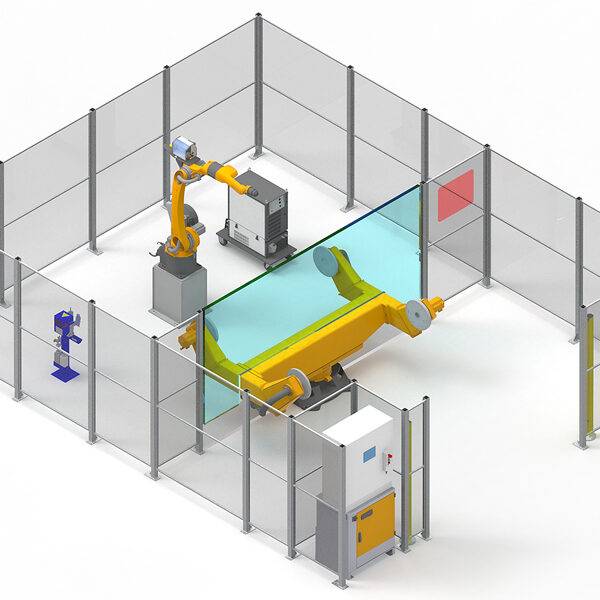
robot welding workstation
-
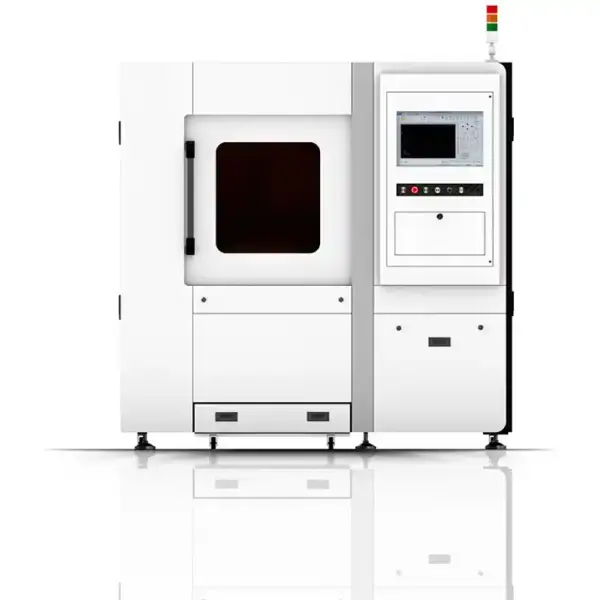
SF6060 fiber laser cutting machine
Advanced Fiber Laser Tube Processing Technology
Our CNC Fiber Laser Tube Cutting systems revolutionize metal fabrication by integrating high-precision cutting, punching, and profiling into a single automated workflow. Designed for versatility, this technology handles a wide array of profiles including Round, Square, Rectangular, and Oval tubes, as well as complex L-shaped and U-shaped channels.
- Precision Punching: High-speed hole punching with micron-level accuracy, eliminating the need for mechanical drilling or die-stamping.
- Complex Profiling: Advanced 3D pathing allows for intricate interlocking joints and specialized notch cuts, ideal for structural frames.
- High Material Efficiency: Intelligent nesting software minimizes scrap, reducing raw material costs across large production runs.
- Clean Finish: Delivers oxide-free, burr-free edges that require zero secondary grinding before welding.

Seamlessly processing multiple profiles with consistent precision.
Global Delivery & Logistics



From our high-tech manufacturing facility directly to your global site. PCL WeldCut ensures secure packaging, professional handling, and reliable international logistics to safeguard your equipment throughout the entire journey.