Field Engineering Report: Implementation of MAG Cobot Welder Systems in Curitiba Industrial District
1. Introduction and Site Context
This report details the technical deployment and optimization of a high-capacity MAG Cobot Welder within a heavy-duty machinery fabrication facility in Curitiba, Paraná. Curitiba’s industrial sector, specifically the CIC (Cidade Industrial de Curitiba), demands high-throughput production of structural frames. The primary objective was to transition a significant portion of mild steel welding from manual GMAW stations to semi-automated collaborative cells to address consistency issues and a local shortage of certified high-pressure welders.
The integration focused on the synergy between advanced Arc Welding Solutions and collaborative robotics. Unlike traditional industrial robots that require massive floor space and light curtains, the cobot approach was selected for its footprint efficiency and the ability for operators to work alongside the machine during the jig-loading phase.
2. Technical Specifications of the MAG Cobot Welder
The system deployed utilizes a 6-axis collaborative arm with a 10kg payload capacity, integrated with a 400A pulsed-power source. In the context of heavy-duty mild steel welding, the “MAG” (Metal Active Gas) process was optimized using a shielding gas mixture of 82% Argon and 18% CO2 (C18). This specific blend was chosen to balance penetration depth with spatter control—a critical factor when the goal is to reduce post-weld grinding time.

2.1. Synergic Mapping and Interface
The MAG Cobot Welder is not merely a mechanical arm but a node within a broader ecosystem of arc welding solutions. We utilized synergic lines specifically tuned for ER70S-6 wire (1.2mm diameter). The synergy between the cobot’s motion controller and the power source allowed for real-time adjustments of wire feed speed (WFS) based on the travel speed, ensuring a consistent bead profile even on complex geometries. This is vital in Curitiba’s manufacturing environment where fluctuating ambient humidity can occasionally impact arc stability; the digital interface allowed us to compensate by slightly increasing the arc voltage trim.
3. Optimizing Mild Steel Welding for Heavy-Duty Structures
The workpieces at the Curitiba site consist primarily of ASTM A36 and SAE 1020 mild steel plates ranging from 8mm to 16mm in thickness. Achieving full penetration in multi-pass fillet welds was the primary KPI.
3.1. Heat Input Management
Excessive heat input is the enemy of mild steel welding in structural components, leading to distortion and weakened Heat Affected Zones (HAZ). By implementing the MAG Cobot Welder, we achieved a 15% reduction in total heat input compared to manual welding. This was accomplished through precise travel speed maintenance—constantly held at 350mm/min—which is difficult for a manual welder to sustain over an 8-hour shift. The arc welding solutions employed included a “Pulse-on-Pulse” mode, which assisted in managing the weld pool during vertical-down transitions, a common requirement for these specific machine frames.
3.2. Gap Bridging and Tolerance
One of the “lessons learned” during the first week in Curitiba was the variation in fit-up tolerances. While the MAG Cobot Welder is precise, the upstream plasma cutting and bending often left gaps of up to 2.0mm. We utilized a “weave” parameter within the cobot’s software. By setting a 3Hz frequency with a 1.5mm amplitude, we successfully bridged these gaps without burn-through, maintaining the structural integrity required by AWS D1.1 standards.
4. Synergy Between Hardware and Software: Arc Welding Solutions
In a real-world Curitiba workshop, “synergy” isn’t a buzzword; it’s a requirement for uptime. The arc welding solutions we integrated involve a bidirectional communication link between the robot controller and the inverter power source via EtherNet/IP.
4.1. Adaptive Fill and Through-Arc Seam Tracking (TAST)
For the 16mm mild steel welding joints, we engaged TAST. As the MAG Cobot Welder traverses the joint, the system monitors the current fluctuations. If the part has warped slightly due to tack welding, the TAST algorithm adjusts the robot’s Z-axis and Y-axis in real-time to maintain the correct stick-out (Contact-to-Work Distance). This level of arc welding solutions integration eliminates the need for expensive vision systems, which are often prone to failure in the dusty, high-vibration environment of a heavy machinery plant.
4.2. Tool Center Point (TCP) Calibration
A frequent failure point in cobot welding is TCP drift after a nozzle cleaning or contact tip change. We installed an automated TCP check station. Every 50 cycles, the MAG Cobot Welder moves to a touch-off point to verify the wire position. This ensures that the mild steel welding remains centered in the root, preventing lack-of-fusion defects on the side walls of the joint.
5. Lessons Learned: The Curitiba Implementation
The following technical insights were gathered during the 60-day commissioning phase. These represent the “ground truth” for senior engineers looking to deploy similar systems.
5.1. Shielding Gas Consistency
The Curitiba facility experienced pressure drops in the central gas manifold during peak afternoon shifts. For a MAG Cobot Welder, a drop in gas flow is catastrophic, leading to porosity that the robot cannot “see.” We installed dedicated flow meters at the robot base with a digital alarm tied to the cobot’s E-stop. For mild steel welding, maintaining a steady 18-22 L/min is non-negotiable.
5.2. Spatter Management and Nozzle Maintenance
Even with optimized arc welding solutions, MAG welding produces spatter. We found that manual application of anti-spatter spray was inconsistent. The solution was an integrated reamer station that the cobot visits every 15 minutes. This keeps the gas shroud clear and ensures laminar gas flow, which is critical for the high-current spray transfer mode used on the 12mm plates.
5.3. Operator Training Shift
The most successful operators were not the “tech kids,” but the veteran manual welders who understood the puddle. By teaching them to program the MAG Cobot Welder, we combined their knowledge of mild steel welding metallurgy with the robot’s precision. They knew instinctively that the weld was “running cold” and could adjust the voltage trim on the fly, demonstrating that the best arc welding solutions still require human metallurgical intuition.
6. Environmental Factors in Paraná
The climate in Curitiba is notably more temperate and humid than Brazil’s northern industrial hubs. This humidity can lead to moisture absorption in the wire spools if left uncovered over the weekend. We observed a direct correlation between Monday morning “arc pop” and wire oxidation. The implementation of heated wire enclosures became a mandatory part of our arc welding solutions package to ensure the mild steel welding quality remained consistent from Monday through Friday.
7. Productivity and ROI Analysis
Prior to the MAG Cobot Welder, the cycle time for a standard chassis frame was 145 minutes of arc-on time, with an additional 60 minutes of cleaning. Post-implementation, the arc-on time remained similar (limited by physics and metallurgy), but the non-productive time—positioning, cleaning, and rework—dropped by 40%. The mild steel welding quality passed 100% visual inspection (VT) and 20% random ultrasonic testing (UT), which was a significant improvement over the previous 88% pass rate.
8. Conclusion
The deployment of the MAG Cobot Welder in Curitiba proves that collaborative systems are no longer just for light-gauge sheet metal. When integrated with robust arc welding solutions and tuned for the specific demands of heavy-duty mild steel welding, these systems provide a scalable answer to the industry’s consistency challenges. The success of this project relied heavily on the technical synergy between the power source’s digital control and the cobot’s adaptive motion profiles. Future phases will involve expanding these cells to include coordinated motion with external rotators for even larger structural assemblies.
-
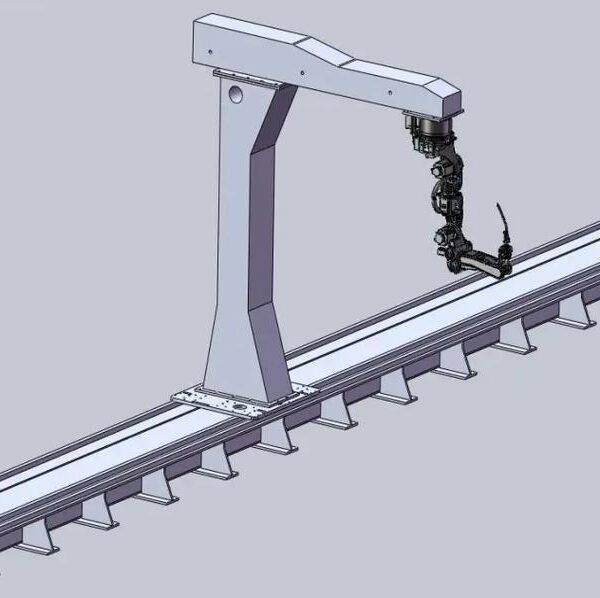

Cantilever Welding Robot solution
-
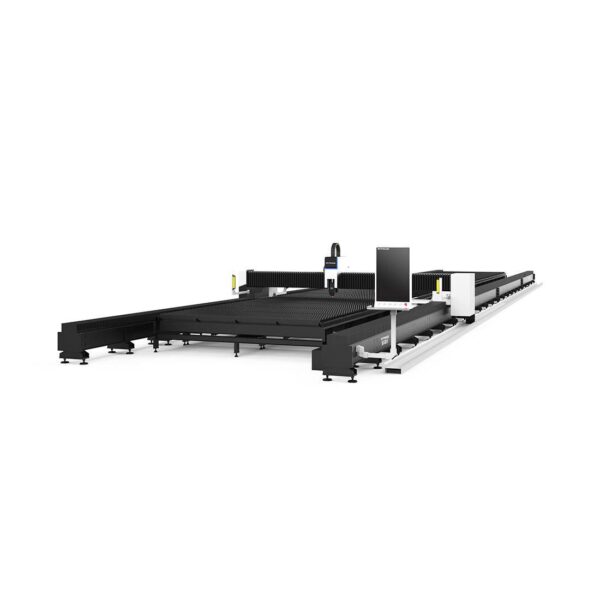

GF laser cutting machine
-
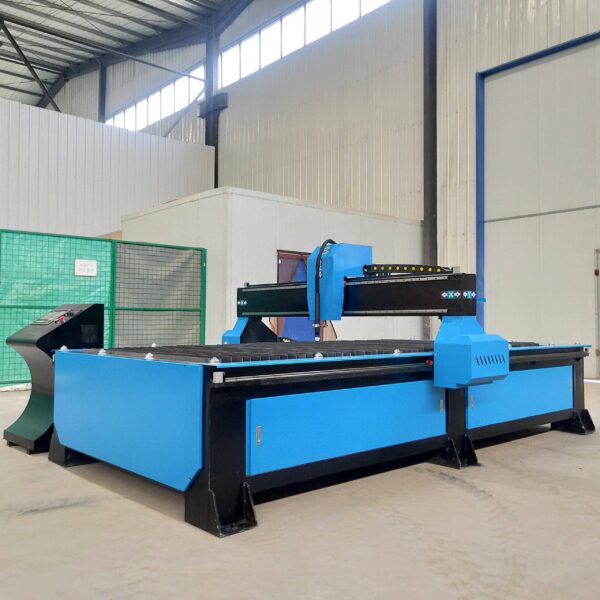
P3015 plasma cutting machine
-

LFP3015 Fiber Laser Cutter
-
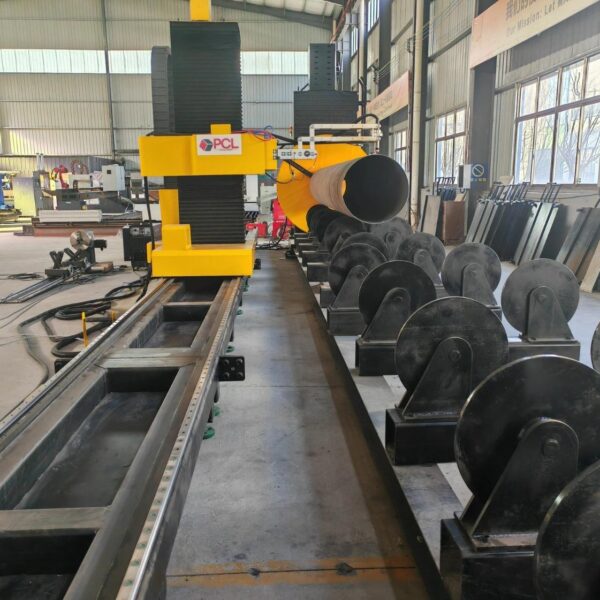
pipe plasma cutting machine
-
LFH 4020 Fiber Laser Cutting Machine
-
LFP4020
-
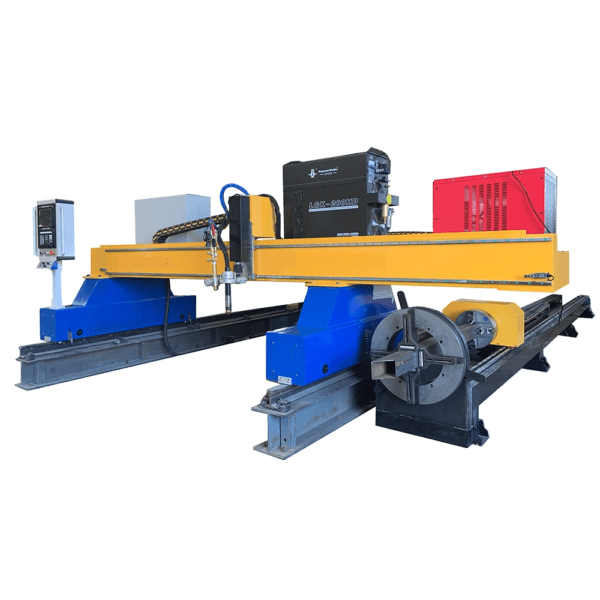
gantry plasma air cutting machine
-
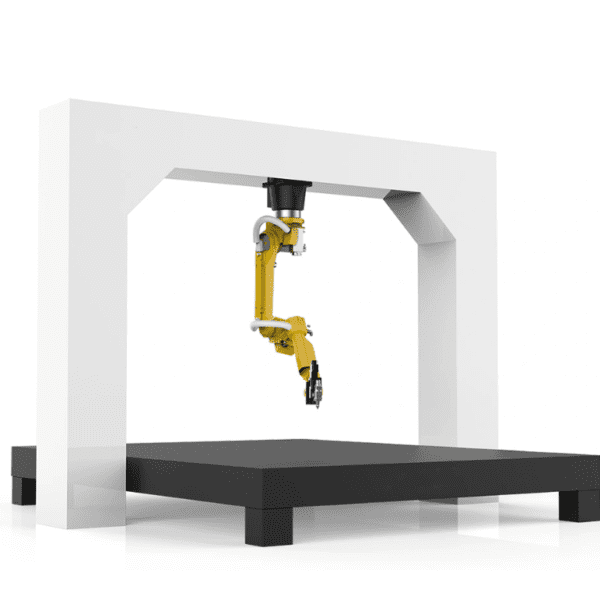
3D robot cutting machine
-
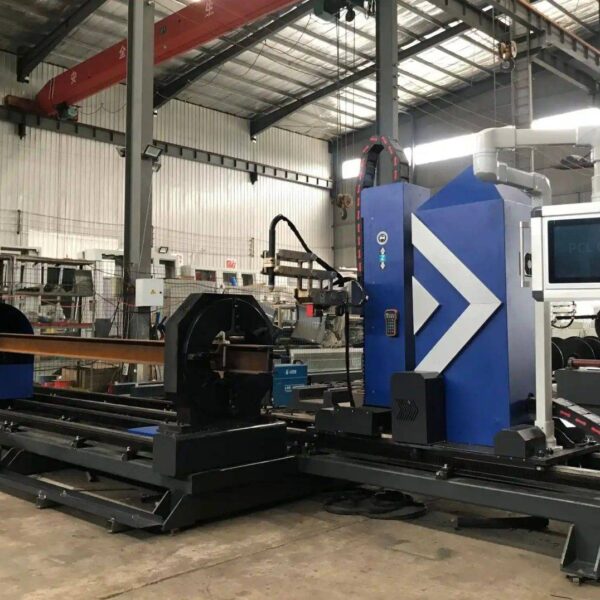
8 axis plasma cutting machine
-
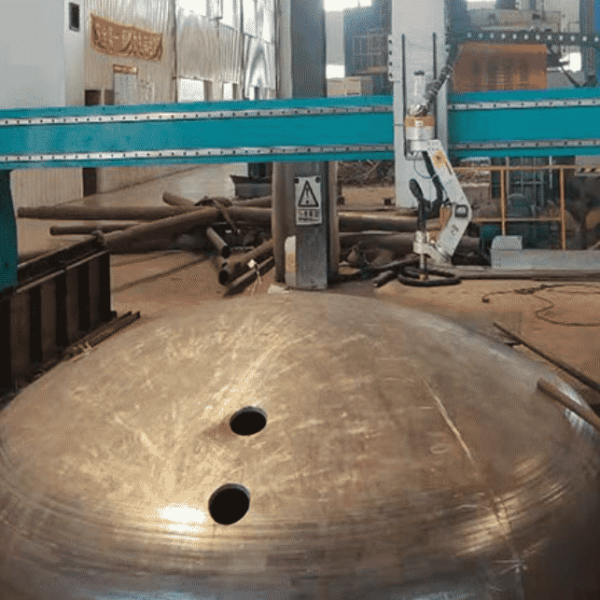
5 axis plasma cutting machine
-

LT360 tube laser cutting machine
-
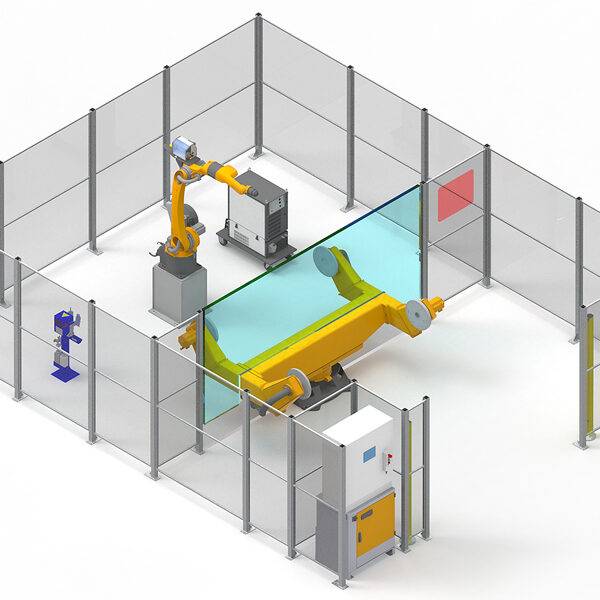
robot welding workstation
-
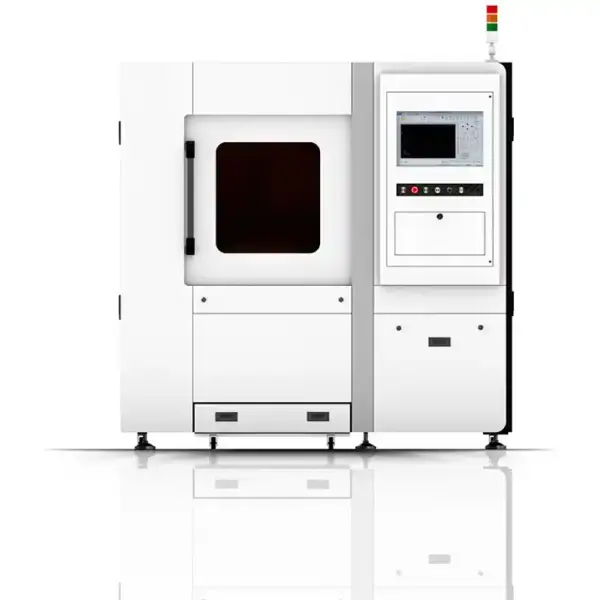
SF6060 fiber laser cutting machine
Advanced Fiber Laser Tube Processing Technology
Our CNC Fiber Laser Tube Cutting systems revolutionize metal fabrication by integrating high-precision cutting, punching, and profiling into a single automated workflow. Designed for versatility, this technology handles a wide array of profiles including Round, Square, Rectangular, and Oval tubes, as well as complex L-shaped and U-shaped channels.
- Precision Punching: High-speed hole punching with micron-level accuracy, eliminating the need for mechanical drilling or die-stamping.
- Complex Profiling: Advanced 3D pathing allows for intricate interlocking joints and specialized notch cuts, ideal for structural frames.
- High Material Efficiency: Intelligent nesting software minimizes scrap, reducing raw material costs across large production runs.
- Clean Finish: Delivers oxide-free, burr-free edges that require zero secondary grinding before welding.

Seamlessly processing multiple profiles with consistent precision.
Global Delivery & Logistics



From our high-tech manufacturing facility directly to your global site. PCL WeldCut ensures secure packaging, professional handling, and reliable international logistics to safeguard your equipment throughout the entire journey.
One thought on “Heavy-duty Industrial MAG Cobot Welder – Curitiba, Brazil”
The customer support for the Cutting System was very helpful during installation.