Optimization of H-Beam Fabrication for Bridge Infrastructure
In the realm of heavy structural engineering, the production of H-beams for Bridge Trusses demands a level of precision that exceeds standard commercial construction requirements. As bridge designs evolve toward higher load-bearing capacities and longer spans, the move toward narrow gap welding (NGW) has become a strategic necessity. However, the efficacy of NGW is entirely dependent on the upstream preparation of the steel members. This is where high-definition Plasma Cutting serves as the foundational process, dictating the success of the entire production line.
The primary objective in a bridge truss H-beam line is to minimize the volume of weld metal while ensuring full penetration and metallurgical integrity. By utilizing specialized plasma cutting stations, engineers can achieve the necessary narrow gap groove preparation that allows for reduced heat input and minimized distortion. This technical focus ensures that the physical properties of the high-strength low-alloy (HSLA) steels typically used in bridge work are preserved.
Achieving Superior Intersection Accuracy
The geometry of a bridge truss involves complex intersections where web plates meet flange plates under extreme structural loads. Any deviation in the squareness or the “fit-up” of these intersections leads to increased stress concentrations and potential fatigue failure. Plasma cutting systems integrated with 5-axis robotic heads or high-precision gantries provide the mechanical accuracy required to ensure that the web-to-flange interface is seamless.
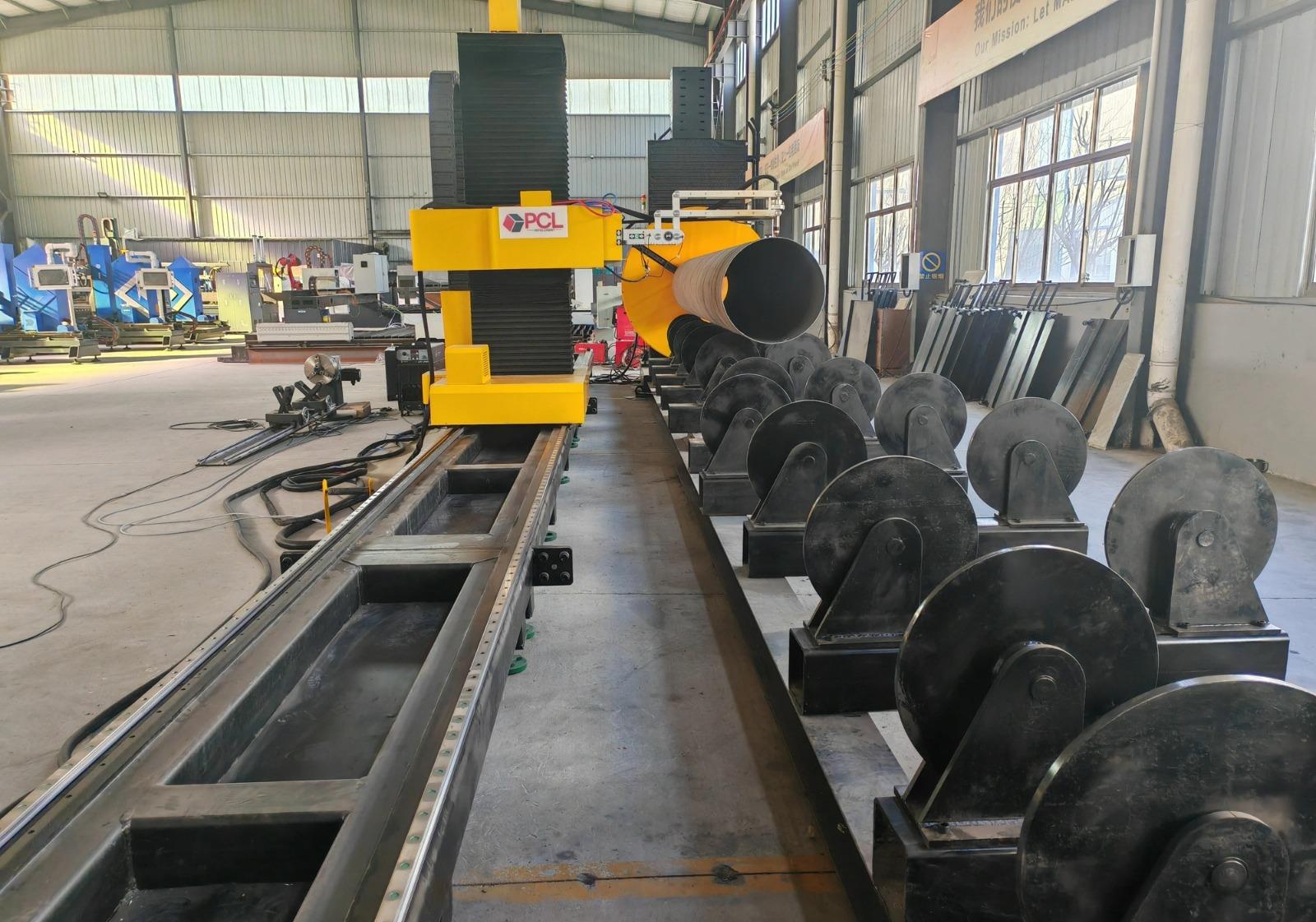
Intersection fit-up accuracy is measured by the gap tolerance between the joined members. In a narrow gap configuration, this tolerance often falls within +/- 0.5mm. High-definition plasma systems utilize sophisticated kerf compensation algorithms and real-time height control to maintain a consistent torch-to-workpiece distance. This prevents the “rounding” of corners and ensures that the contact surfaces are perfectly perpendicular or angled according to the truss design, facilitating a stable arc during the subsequent welding phase.
Advanced Beveling for Narrow Gap Preparation
Traditional V-groove preparations require significant amounts of filler material and multiple welding passes. In contrast, narrow gap welding requires a specific bevel profile—often a tight J-groove or a steep-angle V-groove with a narrow opening. Plasma cutting technology has evolved to handle these complex geometries on thick-walled H-beam components without the need for secondary machining.
The ability of the plasma torch to perform multi-pass beveling or single-pass steep angles (up to 45 degrees or more in some configurations) is critical. This capability allows the H-Beam Production Line to transition directly from raw plate cutting to assembly. By controlling the gas dynamics—using specific mixtures of Oxygen, Nitrogen, or H35—the plasma arc maintains a concentrated energy density. This results in a narrow heat-affected zone (HAZ), which is vital for maintaining the bridge truss structural integrity and ensuring the base metal’s grain structure remains stable.
Plasma System Reliability and Maintenance Efficiency
Industrial engineers prioritize uptime and predictable maintenance cycles. In a high-volume H-beam production environment, the “consumable life” of the cutting system is a key performance indicator (KPI). Modern high-definition plasma systems are designed for low maintenance through the use of liquid-cooled torches and advanced electrode wear-sensing technology.
Unlike mechanical cutting or milling processes that suffer from tool wear and breakage when encountering hard spots in bridge-grade steel, plasma is a non-contact thermal process. This inherent characteristic ensures that the system can run for multiple shifts with minimal intervention. The “quick-change” torch designs and automated plate alignment systems further reduce downtime. By standardizing on plasma, the production line benefits from a consistent throughput rate, as the cutting speeds remain high even when processing thicker flange materials.
Thermal Management and Surface Quality
Surface finish is a secondary but vital aspect of plasma cutting in bridge fabrication. The dross-free cutting range of modern plasma systems ensures that the beveled edges require no grinding before they enter the welding station. This is achieved through precise control of the plasma arc precision and the synchronization of the CNC motion system.
Furthermore, the thermal management of the plasma process prevents significant plate warping. By optimizing the cutting sequence and using underwater or water-muffler systems, the internal stresses within the H-beam are kept to a minimum. This ensures that the final truss member meets the required camber and sweep tolerances, which are critical for the successful assembly of the bridge on-site.
Conclusion: The Engineering Advantage
The integration of high-definition plasma cutting into an H-beam production line for bridge trusses represents a shift toward data-driven manufacturing. By focusing on the precision of the cut and the efficiency of the beveling process, engineers can significantly reduce the total cost of ownership of the production line. The reduction in manual rework, combined with the low maintenance requirements of the plasma hardware, creates a streamlined workflow.
Ultimately, the synergy between precise plasma preparation and narrow gap welding results in a bridge truss that is both lighter and stronger. The accuracy of the intersections ensures that the structural loads are distributed as intended by the designers, while the efficient use of materials and consumables enhances the sustainability of the fabrication process. In the competitive landscape of infrastructure construction, this technical rigor in the cutting stage is what defines a world-class production facility.
-


LT240S tube laser cutting machine
-
LT120S tube laser cutting machine
-
Sale

Tank Fillet Welding Machine
Original price was: $1,000.00.$900.00Current price is: $900.00. -
Sale

MAK100 tube laser cutting machine
Original price was: $5,500.00.$5,000.00Current price is: $5,000.00. -

portable plasma air cutting machine
$1,200.00 -

2in1 fiber laser cutting machine
-

Air cooling Laser welding machine
-

HF h beam laser cutting machine
-

LT240 laser cutting machine
-

Laser welding machine
-


Cobot Welding Station
-

Gantry welding robot solution
-

Tracked Wheeled AGV Welding robot
-

LFH6020 Fiber laser cutting machine
-
LFP6020
-

robotic welidng machine
Advanced Fiber Laser Tube Processing Technology
Our CNC Fiber Laser Tube Cutting systems revolutionize metal fabrication by integrating high-precision cutting, punching, and profiling into a single automated workflow. Designed for versatility, this technology handles a wide array of profiles including Round, Square, Rectangular, and Oval tubes, as well as complex L-shaped and U-shaped channels.
- Precision Punching: High-speed hole punching with micron-level accuracy, eliminating the need for mechanical drilling or die-stamping.
- Complex Profiling: Advanced 3D pathing allows for intricate interlocking joints and specialized notch cuts, ideal for structural frames.
- High Material Efficiency: Intelligent nesting software minimizes scrap, reducing raw material costs across large production runs.
- Clean Finish: Delivers oxide-free, burr-free edges that require zero secondary grinding before welding.

Seamlessly processing multiple profiles with consistent precision.
Global Delivery & Logistics



From our high-tech manufacturing facility directly to your global site. PCL WeldCut ensures secure packaging, professional handling, and reliable international logistics to safeguard your equipment throughout the entire journey.