Technical Field Report: Implementation of Water-Cooled Collaborative Arc Welding in Birmingham Automotive Fabrication
1.0 Introduction and Site Context
This report summarizes the field implementation and performance evaluation of a water-cooled Collaborative Arc Welding System at a Tier 2 automotive component facility in Birmingham, UK. The site historically relied on manual GMAW (Gas Metal Arc Welding) for heavy-gauge structural frames but faced significant scrap rates and thermal distortion issues when transitioning to Thin Metal Sheet welding for electric vehicle (EV) battery enclosures and lightweight heat shields.
The objective was to transition a portion of the production line toward Automated Welding without the massive capital expenditure and spatial footprint of traditional caged industrial robots. The Birmingham workshop’s floor plan is dense; therefore, the safety-rated monitored stop and power/force limiting capabilities of a collaborative system were essential.
2.0 The Collaborative Arc Welding System: Hardware Configuration
The deployed system utilizes a high-torque 6-axis cobot arm integrated with a 400A water-cooled power source. While many collaborative setups use air-cooled torches for simplicity, our “Birmingham spec” required a water-cooled variant.
2.1 The Necessity of Water Cooling
In Automated Welding, the duty cycle often exceeds 80%. Air-cooled torches in a collaborative environment frequently suffer from “thermal drift.” As the nozzle temperature rises, the contact tip expands, leading to micro-stoppages in wire feed consistency—a death sentence for Thin Metal Sheet welding. The water-cooled torch maintains a constant Tool Center Point (TCP) temperature, ensuring that the arc characteristics remain identical from the first weld of the shift to the last.
3.0 Precision in Thin Metal Sheet Welding
The primary challenge at the Birmingham site involved 1.2mm and 1.5mm 304L Stainless Steel sheets. Manual welding of these gauges requires an elite level of torch control to prevent burn-through or excessive warping.
3.1 Heat Input Control
The Collaborative Arc Welding System allows for precise manipulation of the “Pulse-on-Pulse” parameters. By automating the travel speed—fixed at exactly 450mm/min for this application—we achieved a heat input profile that manual operators could not replicate consistently.
* **Observation:** Manual welding resulted in a Heat Affected Zone (HAZ) of approximately 8mm.
* **Automated Result:** The cobot reduced the HAZ to 3.2mm, significantly decreasing post-weld straightening labor.
3.2 Gap Bridging Capability
In thin sheet fabrication, fit-up is rarely perfect. We leveraged the collaborative system’s “touch-sensing” logic to compensate for part variance. The system probes the material before striking the arc, adjusting the programmed path in real-time. This is where the synergy between the operator and Automated Welding becomes visible: the operator ensures the jigging is secure, while the system handles the micro-adjustments necessary for thin-gauge integrity.
4.0 Synergizing Collaborative Systems with Automated Welding
There is often a misconception that a Collaborative Arc Welding System is merely a “helper.” In the Birmingham workshop, we treated it as the central node of an Automated Welding cell.
4.1 Programming vs. Teaching
Traditional automation requires G-code or complex proprietary languages. The collaborative nature of this system allows for “Lead-Through Programming.” Our senior welders—who understand the “puddle” better than any software engineer—manually move the cobot arm to the start and end points. The system then automates the intermediate travel, oscillation (weaving), and crater-fill sequences.
This synergy democratizes Automated Welding. It allows the Birmingham workforce to transition from “torch swingers” to “process controllers.” The human handles the complex spatial reasoning (loading and jigging), while the system handles the repetitive execution.
5.0 Field Observations: The Birmingham Implementation
5.1 Spatter Management and Gas Shielding
During the first week, we noted excessive spatter on the 1.2mm sheets. Investigation revealed that the collaborative arm’s proximity to the workpiece was causing turbulence in the shielding gas (98% Ar / 2% CO2). We recalibrated the gas flow to 15 L/min and adjusted the nozzle-to-work distance (CTWD) to a strict 12mm. The water-cooled torch’s narrower profile allowed for better gas coverage in tight fillet joints compared to the bulkier air-cooled manual torches.
5.2 Duty Cycle Realities
The Birmingham facility runs two 8-hour shifts. With the water-cooled system, we achieved a “torch-on” time of 5.5 hours per shift. In a manual setup, the same welder averaged 2.2 hours of actual arc time due to fatigue and heat exposure. This represents a 150% increase in throughput for Thin Metal Sheet welding components without increasing the headcount.
6.0 Lessons Learned and Senior Engineering Recommendations
6.1 Maintenance of the Water Circuit
A critical lesson learned was the sensitivity of the water-cooling unit to the workshop environment. In Birmingham’s industrial atmosphere, particulate matter can clog heat exchangers.
* **Action Item:** Implement a bi-weekly coolant filtration check. Use only de-ionized water with approved corrosion inhibitors to prevent galvanic corrosion within the cobot’s internal conduits.
6.2 Fixturing Rigidity
When moving to Automated Welding, your fixtures must be better than your welds. We found that the thin metal sheets would “oil-can” (pop) under the heat of the arc if not clamped every 50mm. The collaborative system is precise, but it cannot “see” a plate that has deformed 3mm upwards mid-weld unless expensive vision systems are integrated.
* **Lesson:** Invest in heavy-duty pneumatic clamping for thin-gauge automated paths.
6.3 The “Collaborative” Safety Paradox
While the system is collaborative, the arc is not. We had to design custom welding curtains that interface with the cobot’s I/O. If a human enters the zone, the cobot stops (safety), but the arc must also extinguish instantaneously to prevent flash injuries. The integration of the arc-flash sensors with the collaborative stop-circuit was the most time-consuming part of the Birmingham setup.
7.0 Conclusion
The deployment of the water-cooled Collaborative Arc Welding System in Birmingham has proven that Automated Welding is no longer reserved for high-volume, heavy-industry manufacturers. For Thin Metal Sheet welding, the cobot provides a level of thermal management and path consistency that exceeds manual capabilities while maintaining the flexibility required for small-batch UK manufacturing.
The synergy is clear: the cobot provides the “mechanical repeatability,” the water-cooling provides the “thermal stability,” and the Birmingham welder provides the “process intelligence.” The result is a 40% reduction in rework and a significant improvement in the structural aesthetics of the final automotive components.
Report Prepared By:
Senior Welding Engineer, Midlands Region
Date: October 2023
-
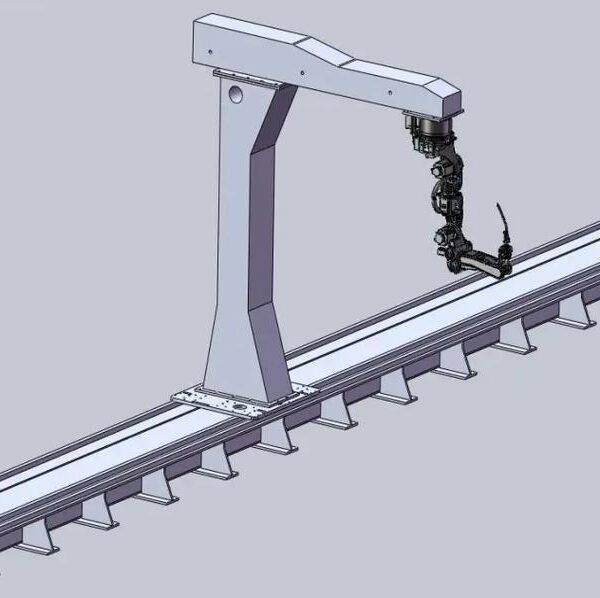

Cantilever Welding Robot solution
-
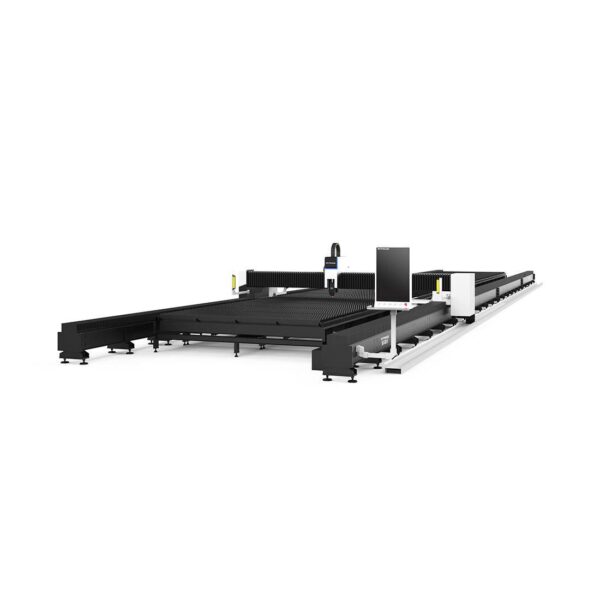

GF laser cutting machine
-
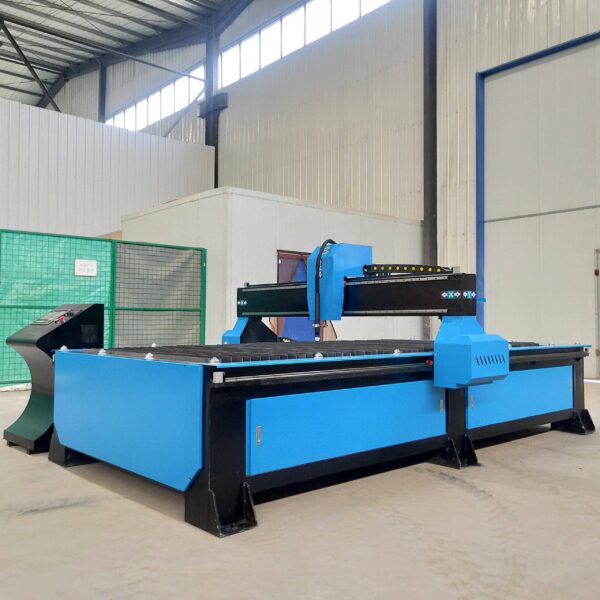
P3015 plasma cutting machine
-

LFP3015 Fiber Laser Cutter
-
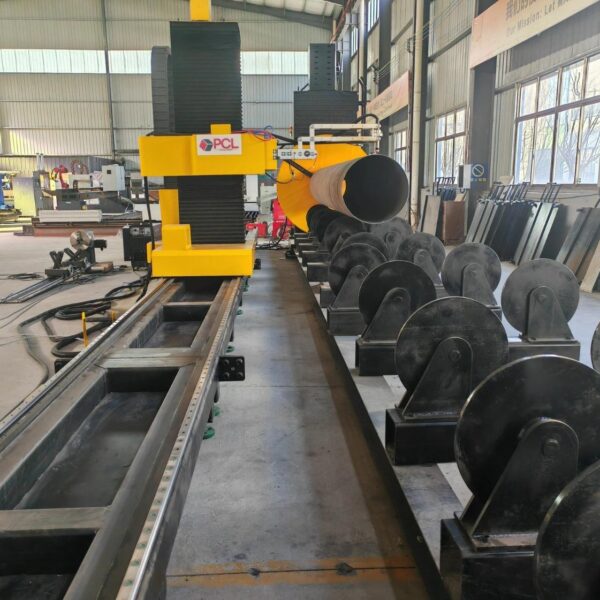
pipe plasma cutting machine
-
LFH 4020 Fiber Laser Cutting Machine
-
LFP4020
-
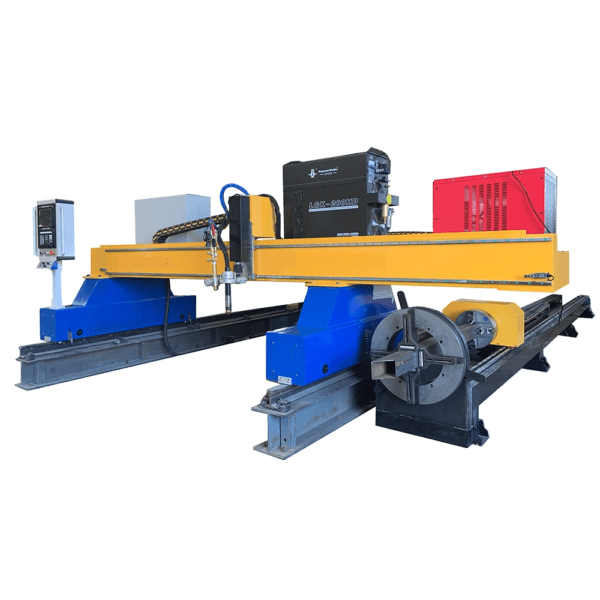
gantry plasma air cutting machine
-
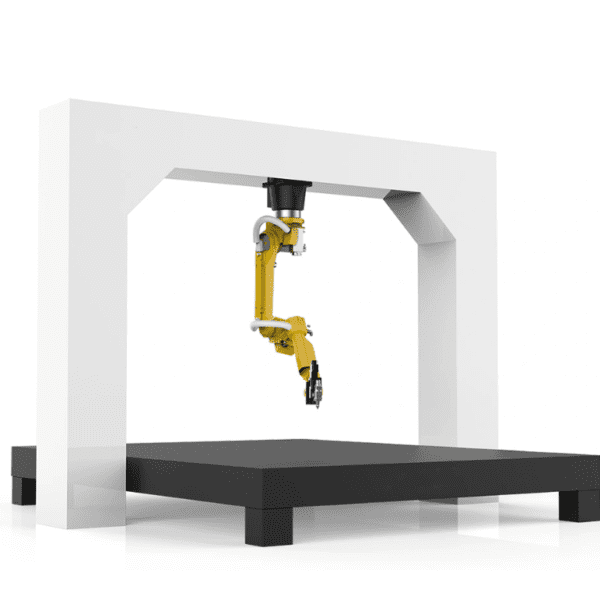
3D robot cutting machine
-
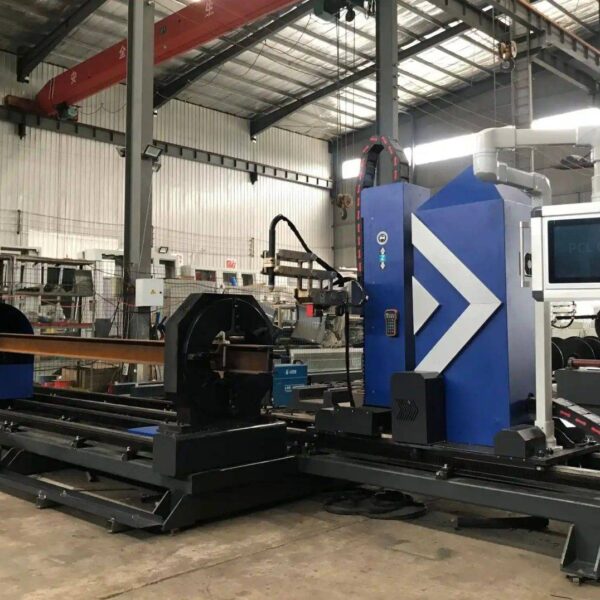
8 axis plasma cutting machine
-
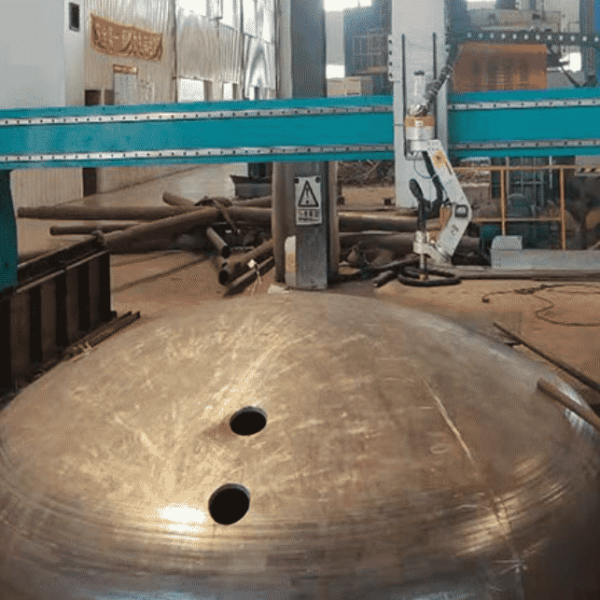
5 axis plasma cutting machine
-

LT360 tube laser cutting machine
-
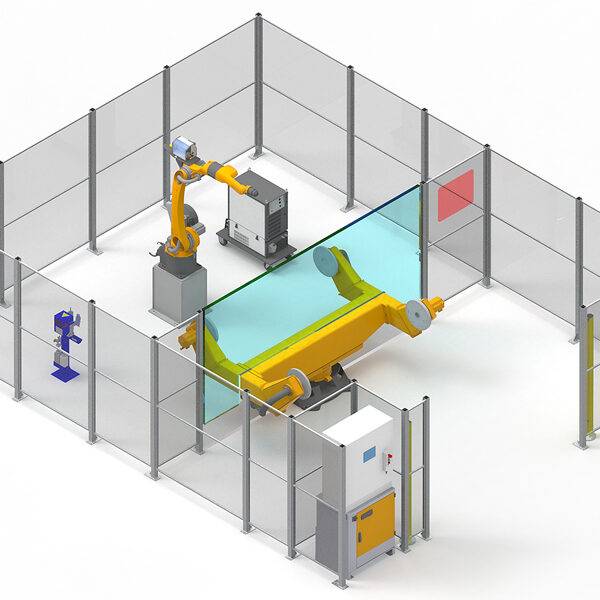
robot welding workstation
-
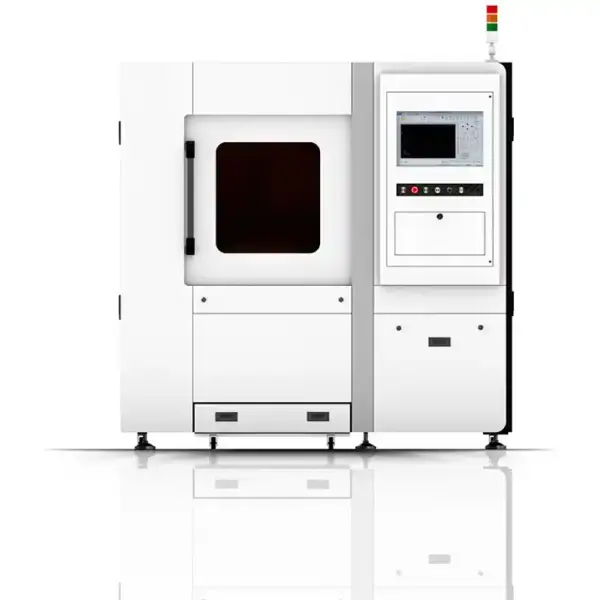
SF6060 fiber laser cutting machine
Advanced Fiber Laser Tube Processing Technology
Our CNC Fiber Laser Tube Cutting systems revolutionize metal fabrication by integrating high-precision cutting, punching, and profiling into a single automated workflow. Designed for versatility, this technology handles a wide array of profiles including Round, Square, Rectangular, and Oval tubes, as well as complex L-shaped and U-shaped channels.
- Precision Punching: High-speed hole punching with micron-level accuracy, eliminating the need for mechanical drilling or die-stamping.
- Complex Profiling: Advanced 3D pathing allows for intricate interlocking joints and specialized notch cuts, ideal for structural frames.
- High Material Efficiency: Intelligent nesting software minimizes scrap, reducing raw material costs across large production runs.
- Clean Finish: Delivers oxide-free, burr-free edges that require zero secondary grinding before welding.

Seamlessly processing multiple profiles with consistent precision.
Global Delivery & Logistics



From our high-tech manufacturing facility directly to your global site. PCL WeldCut ensures secure packaging, professional handling, and reliable international logistics to safeguard your equipment throughout the entire journey.