Field Engineering Report: Automated CMT Integration in Georgia Structural Fabrication
This report summarizes the three-month commissioning and optimization phase of the Precision CMT (Cold Metal Transfer) MIG/MAG Welding Robot at our primary structural steel facility in Georgia, USA. As we shift from manual intensive labor to high-output automation, the focus has remained on maintaining the integrity of ASTM A36 and A572 Grade 50 steel while maximizing the deposition rates inherent in modern Arc Welding Solutions.
The Georgia climate, specifically the high ambient humidity near the Savannah coastal region, presented unique challenges regarding hydrogen diffusion and surface preparation. This report details the technical calibration of the MIG/MAG welding robot and how the synergy between hardware and software creates a robust solution for heavy-duty structural steel welding.
1. Technical Specification and Robot Configuration
1.1 The MIG/MAG Welding Robot Assembly
The core of the installation is a 6-axis high-speed MIG/MAG welding robot integrated with a 500A CMT power source. Unlike standard spray-transfer systems, the CMT process utilized here employs a motorized wire feeder that physically retracts the wire during the short circuit. This mechanical intervention in the droplet detachment phase allows for a “cold” metal transfer, which is critical when working with the tight tolerances required in structural steel welding.
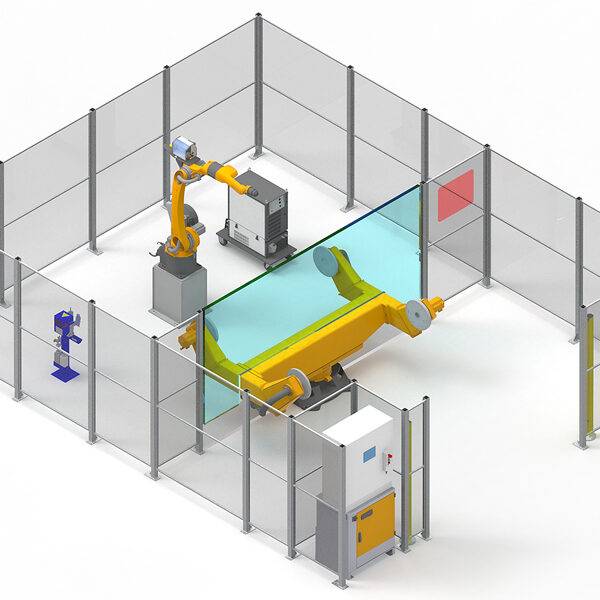
In our Georgia workshop, we configured the robot with a hollow-wrist design to prevent umbilical snagging during complex 3D paths on H-beams and custom trusses. The integration of a digital twin interface allowed us to simulate torch angles—specifically the 15-degree push angle required to ensure gas coverage in high-humidity environments.
1.2 Synergy with Arc Welding Solutions
We do not view the robot as a standalone tool, but rather as the centerpiece of comprehensive arc welding solutions. This includes the synchronized positioners, the gas mixing station (Ar/CO2 80/20), and the real-time data monitoring suite. The “solution” aspect refers to the feedback loop between the arc sensors and the robot controller. For example, when the robot detects a deviation in the joint gap of a structural column, the “Arc Welding Solutions” software automatically adjusts the weave parameters and wire feed speed to maintain throat thickness without operator intervention.
2. Structural Steel Welding: Application and Metallurgy
2.1 Handling ASTM A572 Grade 50 Requirements
Structural steel welding in the US Southeast often involves high-strength, low-alloy (HSLA) steels. The primary challenge with A572 Grade 50 is the Heat Affected Zone (HAZ). Traditional high-heat MIG processes often lead to grain coarsening in the HAZ, reducing the impact toughness of the joint. By utilizing the CMT MIG/MAG welding robot, we successfully reduced the heat input by approximately 30% compared to manual flux-cored arc welding (FCAW).

The “cold” nature of the CMT arc allowed us to perform multi-pass fillets on 1-inch thick plates without exceeding the maximum interpass temperatures specified in AWS D1.1. This is a critical metric for Georgia-based projects subject to rigorous third-party inspections.
2.2 Distortion Control in Long-Span Girders
One of the “lessons learned” during this deployment involved the longitudinal distortion of 40-foot bridge girders. Even with a MIG/MAG welding robot, improper sequencing leads to “bowing.” We implemented a back-step welding sequence programmed directly into the robot’s logic. By leveraging the precision of arc welding solutions, we could synchronize two robots working on opposite sides of the web, effectively canceling out the thermal stresses that typically plague structural steel welding.
3. Field Observations: Overcoming Environmental and Material Variables
3.1 The Georgia Humidity Factor
During August and September, the relative humidity in the shop frequently exceeded 85%. In manual operations, this often leads to porosity if the gas flow is not perfectly dialed in. The MIG/MAG welding robot was equipped with a dual-shielded nozzle and an automated wire brushing station. We found that the “Arc Welding Solutions” package needed a specific modification: a heated wire-feeding conduit. This prevents moisture condensation on the wire surface before it reaches the contact tip, a small but vital adjustment that eliminated intermittent porosity issues in our structural steel welding runs.
3.2 Mill Scale and Surface Prep
Structural steel arrives from the mill with a layer of magnetite (mill scale). While the CMT process is more forgiving than standard short-circuit MIG, the MIG/MAG welding robot still requires a clean path for consistent grounding. We integrated a laser-cleaning head as a pre-pass tool within the robot’s end-of-arm tooling. This ensures that the arc welding solutions we provide are truly end-to-end, removing the variable of human error in surface preparation.
4. Lessons Learned and Practical Engineering Notes
Grounding is Non-Negotiable
In many structural steel welding setups, engineers overlook the “work piece lead” or ground. With high-speed MIG/MAG welding robots, an unstable ground creates electromagnetic interference (EMI) that can crash the robot controller. We learned to use rotational ground clamps on all turning rolls to ensure a constant, low-resistance path. This is especially important when using high-frequency arc welding solutions.
Consumable Management
The contact tip is the most frequent point of failure. In a high-duty cycle Georgia shop, we moved from standard copper tips to Chrome-Zirconium-Copper (CuCrZr) tips. While more expensive, they lasted three times longer under the continuous arc-on time of the robot. If the tip wears (keyholing), the wire aim wanders, and in structural steel welding, a 2mm deviation can mean a failed UT (Ultrasonic Testing) inspection.
Programming for “Real” Steel
CAD models are perfect; structural steel is not. Beams are never perfectly straight. We learned that the “Arc Welding Solutions” must include “Touch Sensing” and “Through-Arc Seam Tracking” (TAST). The MIG/MAG welding robot uses the wire itself to touch the workpiece and find the start point, then monitors the current fluctuations during the weave to stay in the center of the joint. Without TAST, automation in structural steel is a losing battle.
5. Efficiency Gains and ROI Analysis
After 90 days of operation in the Georgia facility, the data indicates a 400% increase in inches-per-minute (IPM) of completed weld compared to manual FCAW. More importantly, the repair rate dropped from 4.5% to 0.2%. The integration of the MIG/MAG welding robot has allowed our senior welders to move into “Cell Supervisor” roles, where they oversee the arc welding solutions rather than spending 8 hours a day under a hood in 95-degree heat.
The consistency of the CMT process means that the post-weld cleanup—specifically spatter removal—has been virtually eliminated. In the context of structural steel welding, where thousands of feet of weld are laid monthly, the savings in grinding abrasives alone accounted for a significant portion of the monthly lease payment for the robot.
6. Conclusion
The deployment of the Precision CMT MIG/MAG Welding Robot in Georgia has proven that high-tech arc welding solutions are not only viable but necessary for the future of structural steel welding. By addressing the specific metallurgical needs of Grade 50 steel and the environmental challenges of the American South, we have established a blueprint for future automated cells. The key to success was not just the robot itself, but the holistic approach to the welding “system”—ensuring that software, power source, and environmental controls work in concert to produce code-compliant, high-strength joints.
Prepared by:
Senior Welding Engineer
Field Operations – Georgia Division
-
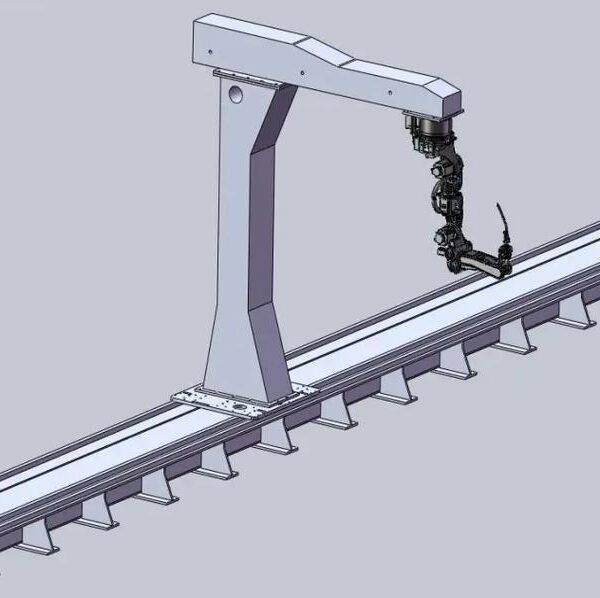

Cantilever Welding Robot solution
-
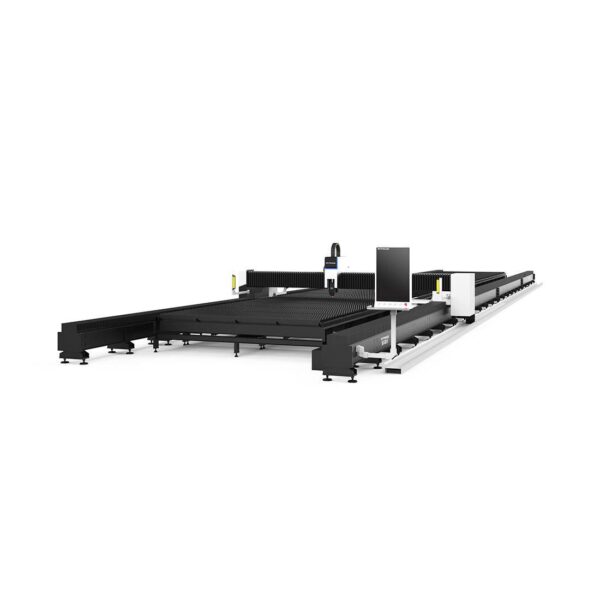

GF laser cutting machine
-
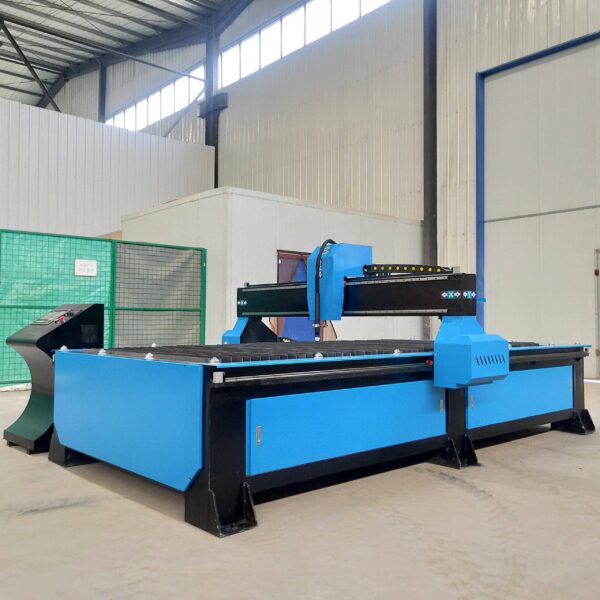
P3015 plasma cutting machine
-

LFP3015 Fiber Laser Cutter
-
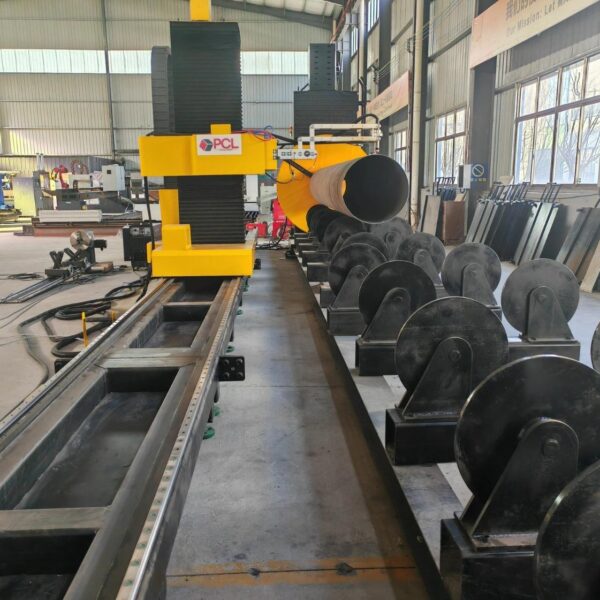
pipe plasma cutting machine
-
LFH 4020 Fiber Laser Cutting Machine
-
LFP4020
-
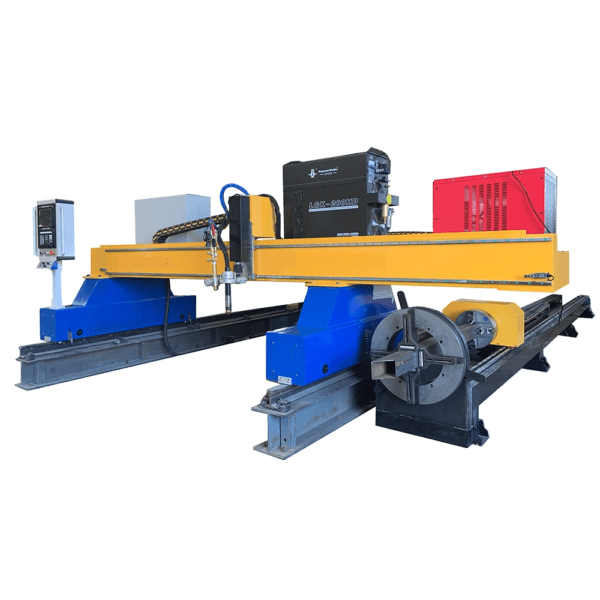
gantry plasma air cutting machine
-
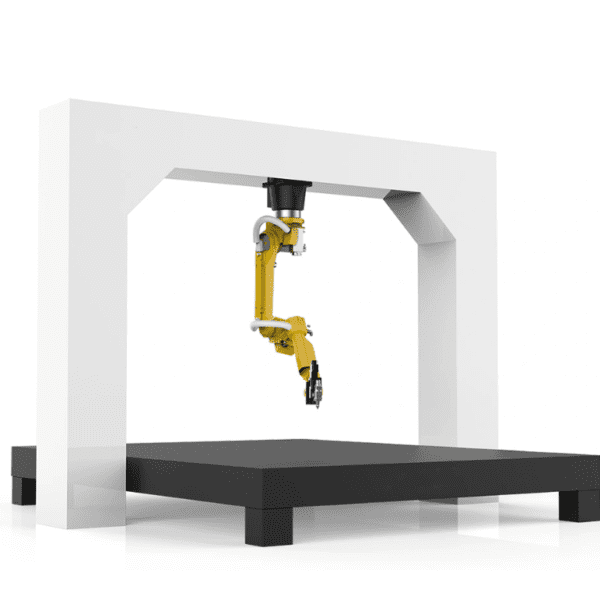
3D robot cutting machine
-
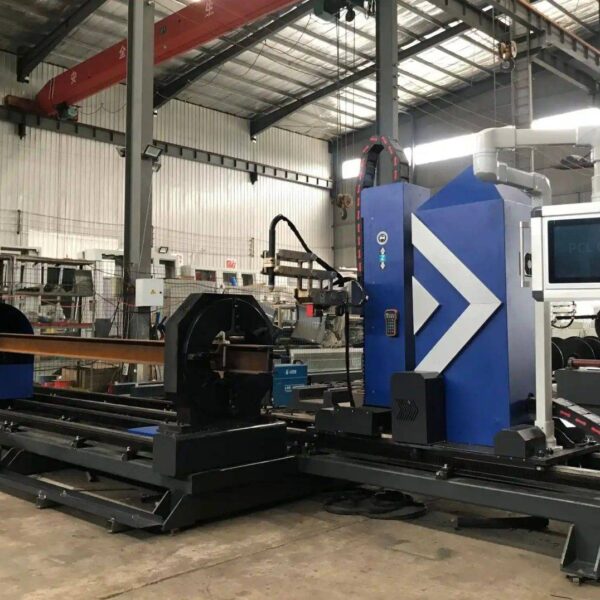
8 axis plasma cutting machine
-
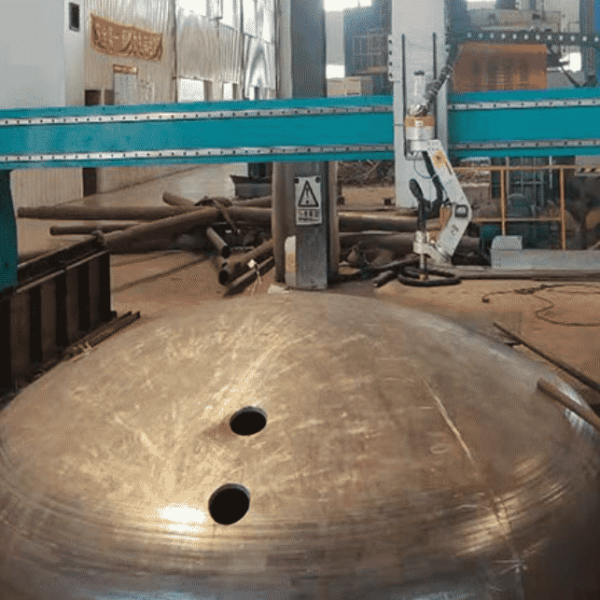
5 axis plasma cutting machine
-

LT360 tube laser cutting machine
-
robot welding workstation
-
SF6060 fiber laser cutting machine
Advanced Fiber Laser Tube Processing Technology
Our CNC Fiber Laser Tube Cutting systems revolutionize metal fabrication by integrating high-precision cutting, punching, and profiling into a single automated workflow. Designed for versatility, this technology handles a wide array of profiles including Round, Square, Rectangular, and Oval tubes, as well as complex L-shaped and U-shaped channels.
- Precision Punching: High-speed hole punching with micron-level accuracy, eliminating the need for mechanical drilling or die-stamping.
- Complex Profiling: Advanced 3D pathing allows for intricate interlocking joints and specialized notch cuts, ideal for structural frames.
- High Material Efficiency: Intelligent nesting software minimizes scrap, reducing raw material costs across large production runs.
- Clean Finish: Delivers oxide-free, burr-free edges that require zero secondary grinding before welding.

Seamlessly processing multiple profiles with consistent precision.
Global Delivery & Logistics



From our high-tech manufacturing facility directly to your global site. PCL WeldCut ensures secure packaging, professional handling, and reliable international logistics to safeguard your equipment throughout the entire journey.