Field Engineering Report: Precision CMT MIG/MAG Integration
Location: Industrial Sector – Bologna, Italy
Date: October 24, 2023
1. Executive Summary of Operations
The following report details the site-specific commissioning and optimization of a high-precision MIG/MAG Welding Robot utilizing Cold Metal Transfer (CMT) technology. The deployment took place at a heavy machinery fabrication facility in Bologna, Italy, specializing in high-stress structural components. The primary objective was to transition from manual flux-cored processes to an automated Arc Welding Solutions framework to handle 20mm Thick Plate Steel welding with higher repeatable accuracy and reduced thermal distortion.
Upon arrival, the primary bottleneck was identified as inconsistent root penetration on V-groove preparations. Over the course of the 14-day deployment, we integrated the robotic arm’s kinematic control with the power source’s waveform management, ensuring that the MIG/MAG Welding Robot acted not just as a torch manipulator, but as a dynamic participant in the metallurgical bond.
2. Technical Analysis of the MIG/MAG Welding Robot System
The core of the Bologna installation is a 6-axis high-speed MIG/MAG Welding Robot coupled with a CMT-ready power source. Unlike conventional spray transfer systems, the CMT process utilized here relies on a mechanical wire retraction system that physically assists droplet detachment. This is critical when working in an industrial hub like Bologna, where the requirement for “aesthetic” welds must be balanced with the “structural” reality of heavy machinery.
Kinematic Precision and Path Planning
In the context of Thick Plate Steel welding, the robot’s pathing must account for the accumulation of heat. During the first week, we observed a 1.2mm deviation in the TCP (Tool Center Point) caused by thermal expansion of the workpiece during multi-pass runs. We implemented a “Search and Track” routine using the Arc Welding Solutions software suite, utilizing the wire as a tactile sensor to re-register the joint position before each fill pass.
3. Implementing Arc Welding Solutions for Synergic Control
The term Arc Welding Solutions is often used loosely, but in this technical context, it refers to the holistic integration of the shielding gas (82% Ar/18% CO2), the digital power source, and the robotic controller. The synergy between these components allowed us to develop custom “Job” profiles for the Bologna facility.
Waveform Modulation
To optimize the MIG/MAG Welding Robot for the specific carbon steel grades found on-site (S355J2+N), we adjusted the pulsing frequency. By tightening the arc length through the digital interface, we reduced the spatter levels to near-zero. This is a significant operational win; manual cleaning time per unit was reduced from 45 minutes to under 5 minutes, directly impacting the workshop’s throughput.

Wire Feed Synchronization
One of the more complex Arc Welding Solutions we deployed was the synchronization of the wire feed speed (WFS) with the robot’s travel speed during cornering. When the MIG/MAG Welding Robot rounds a 90-degree internal fillet, the effective heat input increases. We programmed a linear ramp-down of the WFS by 15% during these transitions to prevent “humping” of the weld bead and to ensure a flat profile required for downstream NDT (Non-Destructive Testing) inspections.
4. Challenges in Thick Plate Steel Welding
Thick Plate Steel welding presents unique metallurgical challenges, primarily regarding the Heat Affected Zone (HAZ) and grain growth. In Bologna, the client’s specs required high impact strength at -20°C. This means heat input had to be strictly controlled despite the 20mm thickness.
Multi-Pass Strategy
The strategy for the Thick Plate Steel welding involved a 3-layer, 7-pass sequence.
- Root Pass: Utilizing the CMT (Cold Metal Transfer) mode to ensure a flat root face with zero burn-through.
- Fill Passes: Switching the MIG/MAG Welding Robot to a high-deposition Pulse-on-Pulse mode to maximize fill rates while maintaining a controlled puddle.
- Cap Pass: A wide-weave pattern to ensure sidewall fusion and a smooth transition to the base metal.
Managing Interpass Temperatures
A major lesson learned in this field report involves the interpass temperature. In the Bologna facility, ambient temperatures can fluctuate significantly. We integrated an infrared pyrometer into the Arc Welding Solutions loop. The MIG/MAG Welding Robot was programmed to “wait” if the interpass temperature exceeded 250°C, preventing the loss of toughness in the S355 steel. This level of automation ensures that the metallurgical integrity is never compromised by an operator’s desire to speed up the cycle time.
5. Synergy in the Bologna Workshop Environment
The marriage of a MIG/MAG Welding Robot and sophisticated Arc Welding Solutions in an Italian manufacturing environment requires a cultural shift as much as a technical one. The “Bologna approach” emphasizes precision engineering and aesthetic finish. We leveraged the robot’s capability to perform “Stitch Welding” on non-structural covers, which provided the clean, uniform look the Italian market demands, while reserving the heavy-duty CMT parameters for the load-bearing chassis.
The synergy was most evident during the integration of the rotary positioner. By communicating via a high-speed Profinet link, the positioner and the MIG/MAG Welding Robot maintained a constant surface speed. This is vital for Thick Plate Steel welding on cylindrical components, where gravity can cause the molten puddle to sag if the rotation is not perfectly synchronized with the arc force.
6. Lessons Learned and Field Observations
The “Dry Run” Fallacy
A recurring issue in robotic deployment is the “Dry Run” fallacy—where the path looks perfect without an arc. However, once the arc is struck on Thick Plate Steel welding, the electromagnetic forces and the heat-induced warp change the geometry. Lesson Learned: Always perform the final calibration with the arc active on a scrap piece of the same thickness to account for “Arc Blow” and thermal drift.
Shielding Gas Consistency
In Bologna, we noticed a slight porosity issue during the graveyard shift. Investigation revealed that the central gas supply pressure dropped when other manual stations were active. Lesson Learned: For a MIG/MAG Welding Robot to function as part of a high-end Arc Welding Solutions package, it must have a dedicated gas regulation system to ensure a laminar flow of 18-22 L/min, regardless of factory-wide demand.
Wire Conduit Maintenance
With high-duty cycle Thick Plate Steel welding, the wire conduit accumulates micro-shavings. We installed an automatic wire-cleaning station that the robot visits every 10 cycles. This drastically reduced “arc hunting” issues caused by inconsistent wire feeding, which is often mistaken for a power source fault.
7. Final Recommendations and KPIs
The Bologna installation is now operating at a 92% efficiency rate. To maintain this, the following KPIs have been established:
- Contact Tip Life: Monitor for “keyholing” every 50 hours of arc time; the CMT process is gentler on tips, but Thick Plate Steel welding still generates significant radiant heat.
- Spatter Levels: If spatter exceeds 2% by weight of wire consumed, the Arc Welding Solutions software requires a re-calibration of the synergic lines.
- Weld Bead Geometry: Weekly laser scanning of the cap pass to ensure no undercut exceeds 0.5mm, per ISO 5817 Level B.
In conclusion, the integration of the MIG/MAG Welding Robot in Bologna demonstrates that when Arc Welding Solutions are applied with a deep understanding of Thick Plate Steel welding physics, the result is a massive leap in both quality and profitability. The “lessons learned” regarding gas consistency and thermal drift have been documented for our global engineering database.
Signed,
Senior Welding Engineer, Field Operations
-
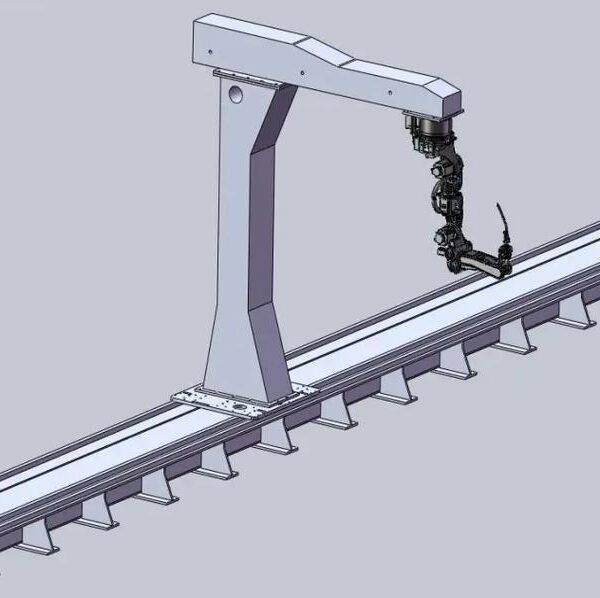

Cantilever Welding Robot solution
-
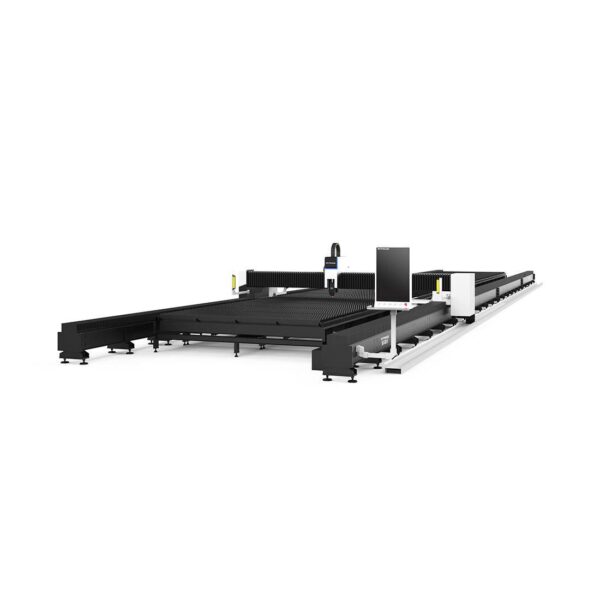

GF laser cutting machine
-
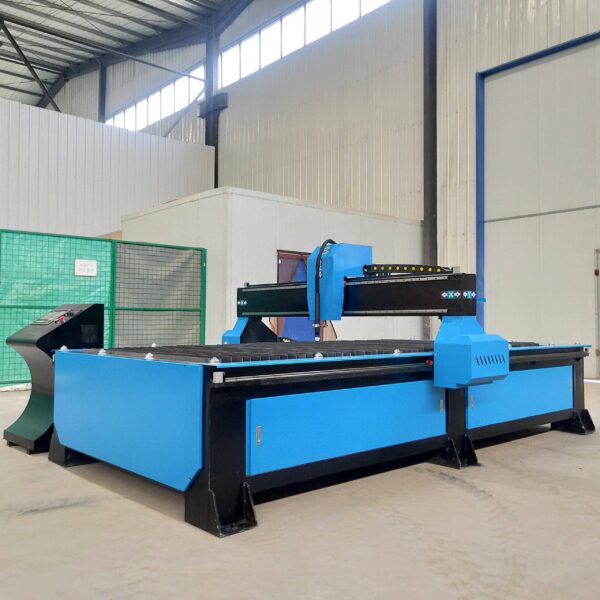
P3015 plasma cutting machine
-

LFP3015 Fiber Laser Cutter
-
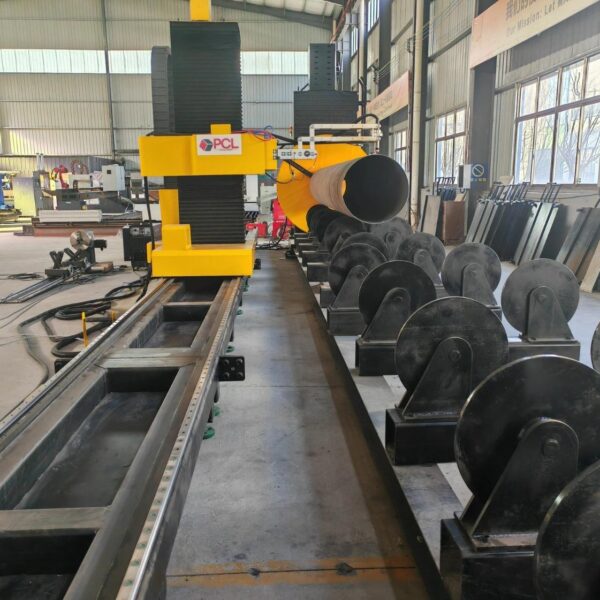
pipe plasma cutting machine
-
LFH 4020 Fiber Laser Cutting Machine
-
LFP4020
-
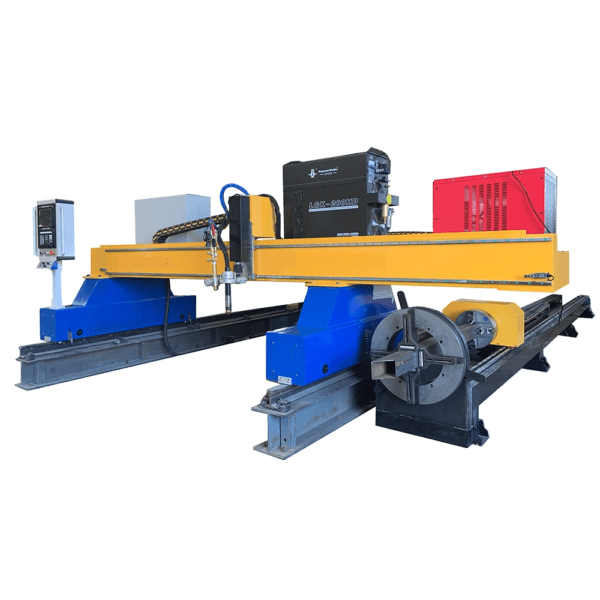
gantry plasma air cutting machine
-
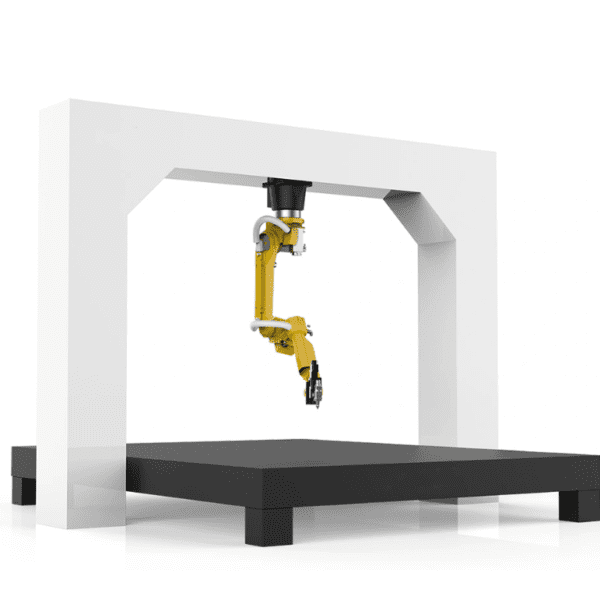
3D robot cutting machine
-
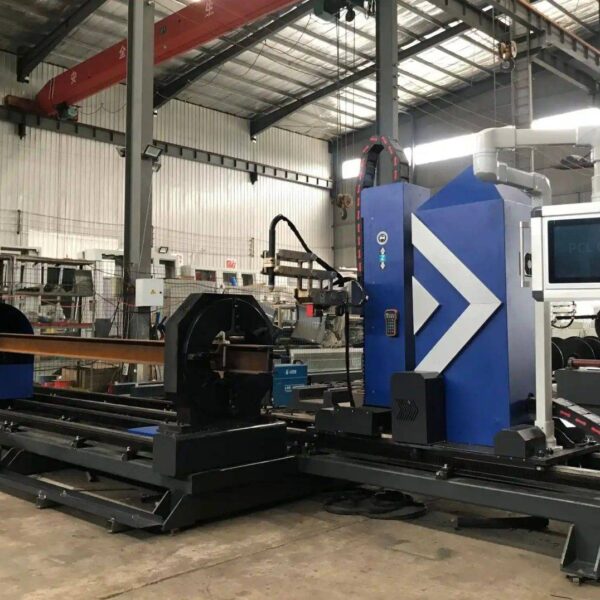
8 axis plasma cutting machine
-
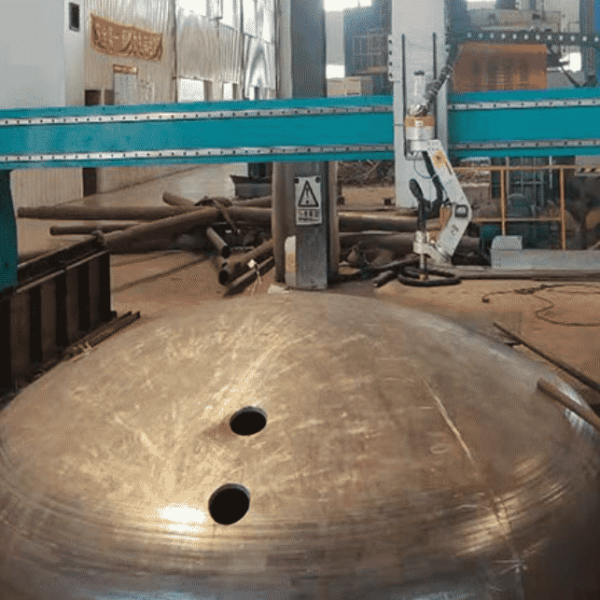
5 axis plasma cutting machine
-

LT360 tube laser cutting machine
-
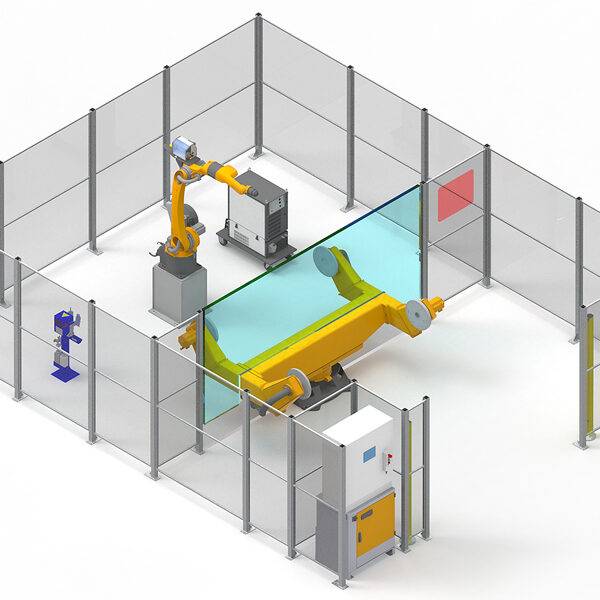
robot welding workstation
-
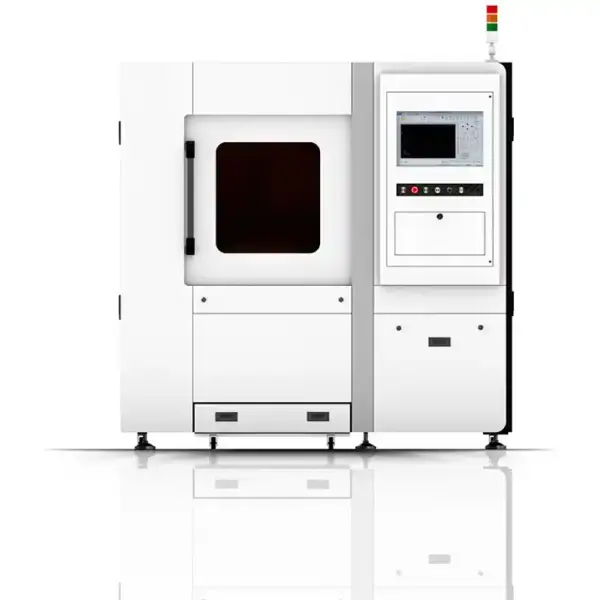
SF6060 fiber laser cutting machine
Advanced Fiber Laser Tube Processing Technology
Our CNC Fiber Laser Tube Cutting systems revolutionize metal fabrication by integrating high-precision cutting, punching, and profiling into a single automated workflow. Designed for versatility, this technology handles a wide array of profiles including Round, Square, Rectangular, and Oval tubes, as well as complex L-shaped and U-shaped channels.
- Precision Punching: High-speed hole punching with micron-level accuracy, eliminating the need for mechanical drilling or die-stamping.
- Complex Profiling: Advanced 3D pathing allows for intricate interlocking joints and specialized notch cuts, ideal for structural frames.
- High Material Efficiency: Intelligent nesting software minimizes scrap, reducing raw material costs across large production runs.
- Clean Finish: Delivers oxide-free, burr-free edges that require zero secondary grinding before welding.

Seamlessly processing multiple profiles with consistent precision.
Global Delivery & Logistics



From our high-tech manufacturing facility directly to your global site. PCL WeldCut ensures secure packaging, professional handling, and reliable international logistics to safeguard your equipment throughout the entire journey.