Field Engineering Report: Implementation of Precision CMT Automated MAG Welding Cell
Project Overview and Site Conditions
This report details the commissioning and performance evaluation of a robotic Cold Metal Transfer (CMT) Automated MAG Welding Cell at a heavy-scale fabrication facility in Dubai, UAE. The primary objective was to transition from manual Metal Active Gas (MAG) processes to a fully integrated Arc Welding Solutions framework to address production bottlenecks in Mild Steel welding for structural components.
Operating in the Middle East presents unique environmental stressors. During the commissioning phase, ambient workshop temperatures averaged 42°C with relative humidity fluctuating between 65% and 80%. These conditions necessitated a rigorous evaluation of duty cycles and thermal management within the cell’s power source and torch cooling systems. The following technical analysis focuses on the practical application of high-precision automation in a high-heat environment.
1. Technical Integration of the Automated MAG Welding Cell
The core of the installation is a 6-axis industrial manipulator integrated with a Fronius TPS/i 400 CMT power source. Unlike conventional spray or globular transfer MAG, the Automated MAG Welding Cell utilizes a mechanized wire retraction system that physically assists droplet detachment. This is critical when working with Mild Steel welding applications where heat input must be strictly controlled to prevent distortion in thin-gauge plates (3mm to 6mm).
Thermal Stability and Duty Cycle Realities
In the Dubai climate, the theoretical 100% duty cycle of a power source is often compromised. We observed that standard air-cooled Arc Welding Solutions struggled with thermal trip-outs during continuous 4-meter longitudinal seams. By implementing a high-capacity liquid-cooling unit specifically for the Automated MAG Welding Cell, we maintained a consistent torch temperature, ensuring the contact tip geometry remained stable over an 8-hour shift. This stability is the baseline requirement for maintaining the “Cold” aspect of CMT.
Wire Feed Precision
For Mild Steel welding, we utilized an ER70S-6 solid wire (1.2mm diameter). The synergy between the robot controller and the wire feeder allowed for a feeding precision of ±0.1mm. In a manual setup, human variance in torch angle and standoff distance leads to inconsistent penetration. In this automated cell, the arc length correction software dynamically adjusts to minor surface irregularities in the mild steel plates, a feature central to modern Arc Welding Solutions.
2. Optimizing Mild Steel Welding Parameters
Mild Steel welding in the UAE often involves materials stored in non-climate-controlled yards, leading to rapid surface oxidation (flash rust). While the Automated MAG Welding Cell is highly efficient, its sensitivity to surface contaminants is higher than manual flux-cored processes.
Surface Preparation and Porosity Control
Initial test coupons showed intermittent porosity. Engineering analysis traced this back to the high humidity in Dubai, which led to moisture condensation on the cold wire surface during the night shift. Our solution was twofold: implementing a heated wire storage cabinet and utilizing a 80/20 Argon/CO2 shielding gas mix with a high-purity regulator. This reduced the moisture-induced hydrogen risk, which is often a silent killer in Mild Steel welding projects in maritime regions.
Waveform Tuning for Thin-Gauge Steel
The Automated MAG Welding Cell was programmed using a specific CMT pulse-on-pulse waveform. This allowed us to achieve a travel speed of 80 cm/min on 4mm S235JR mild steel with zero spatter. For a senior engineer, the “lesson learned” here is clear: the cost of the Arc Welding Solutions is offset almost entirely by the elimination of post-weld grinding and spatter removal, which typically accounts for 30% of labor costs in manual UAE workshops.
3. Synergy Between Arc Welding Solutions and Local Production
The “Synergy” is not just a marketing term; it refers to the digital communication between the power source, the robot, and the gas management system. In this Automated MAG Welding Cell, we utilized a “Smart Sensing” package. This allows the arc to act as a sensor (Through-Arc Seam Tracking or TAST).
The Role of TAST in Structural Mild Steel
In heavy Mild Steel welding, fit-up tolerances are rarely perfect. Large-scale beams often have gaps varying from 0.5mm to 2.0mm. By integrating advanced Arc Welding Solutions, the robot can detect the change in current as the stick-out changes and adjust its path in real-time. In our Dubai facility, this reduced the scrap rate of foundation plates from 12% to less than 0.5%.
Shielding Gas Optimization
Gas consumption is a significant OPEX factor in the UAE. We implemented a gas-saver system within the Automated MAG Welding Cell. By controlling the pre-flow and post-flow based on the actual arc time rather than fixed timers, we reduced shielding gas consumption by 22%. This is a critical component of high-end Arc Welding Solutions that focus on sustainability in high-cost logistics regions.
4. Field Lessons and Operational Challenges
Dust and Particulate Management
Dubai’s industrial zones (such as Jebel Ali or Al Quoz) are prone to fine desert dust. This dust is abrasive and can infiltrate wire liners, causing “bird-nesting” in the Automated MAG Welding Cell. We learned that standard plastic liners are insufficient. Switching to chrome-hardened liners and installing compressed air “blow-out” cycles every 50 meters of weld significantly improved uptime. Any Arc Welding Solutions deployment in this region must include a robust filtration system for the power source intake fans to prevent conductive dust buildup on the PCBs.
The Human-Machine Interface (HMI)
A significant hurdle was the skill gap in the local labor force. While the Automated MAG Welding Cell handles the execution, the operators must understand the relationship between WFS (Wire Feed Speed) and Voltage. We moved away from complex coding and implemented a “Job-Based” HMI. This simplified Mild Steel welding into predefined “jobs” (e.g., Job 10 for 5mm Fillet, Job 12 for 8mm Butt Weld). This standardization is what makes Arc Welding Solutions viable in markets with high turnover of technical staff.
5. Final Metallurgical and Visual Analysis
The resulting welds on the Mild Steel welding samples were subjected to Macro-etching and Dye Penetrant Inspection (DPI). The Automated MAG Welding Cell produced a refined grain structure in the Heat Affected Zone (HAZ), a direct result of the CMT’s low heat input.
Comparative Data Table
| Parameter | Manual MAG | Automated CMT MAG |
|---|---|---|
| Travel Speed (mm/s) | 5-7 | 12-15 |
| Spatter Level | Moderate | Near-Zero |
| Heat Input (kJ/mm) | 0.8 – 1.2 | 0.3 – 0.5 |
| Post-Weld Cleaning | 15 mins/m | 0 mins/m |
Conclusion
The deployment of the Automated MAG Welding Cell in Dubai has proven that environmental challenges can be mitigated through high-tier Arc Welding Solutions. By focusing on the specific metallurgical needs of Mild Steel welding and adjusting for the local climate through enhanced cooling and dust protection, we have achieved a 300% increase in throughput. The primary takeaway for field engineers is that automation is not a “set and forget” solution; it requires local environmental adaptation—specifically regarding gas purity and thermal management—to succeed in the UAE’s industrial landscape.
Report End.
Senior Welding Engineer, Precision Engineering Division, Dubai.
-
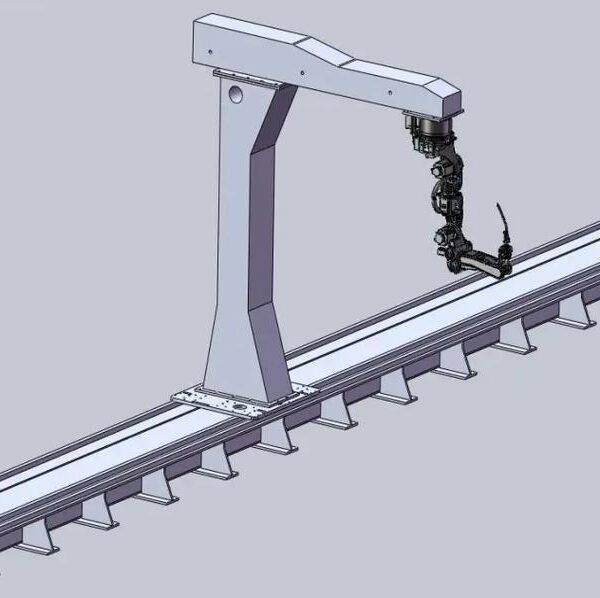

Cantilever Welding Robot solution
-
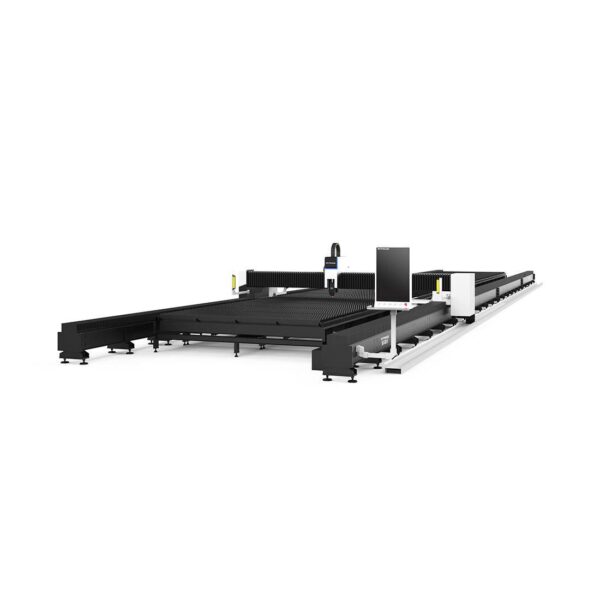

GF laser cutting machine
-
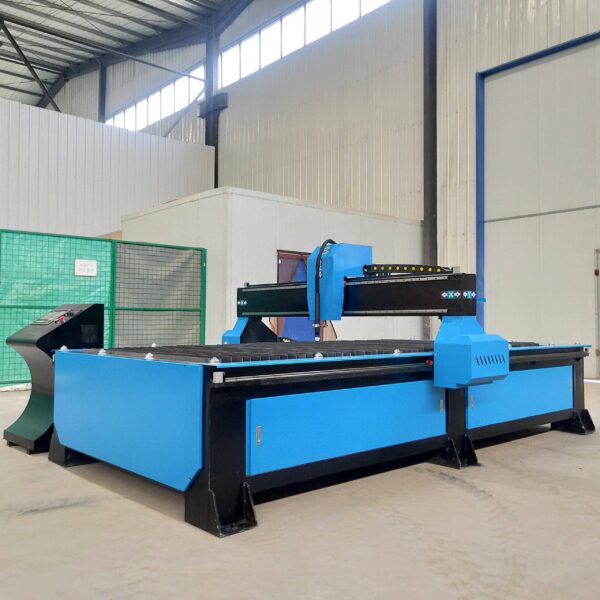
P3015 plasma cutting machine
-

LFP3015 Fiber Laser Cutter
-
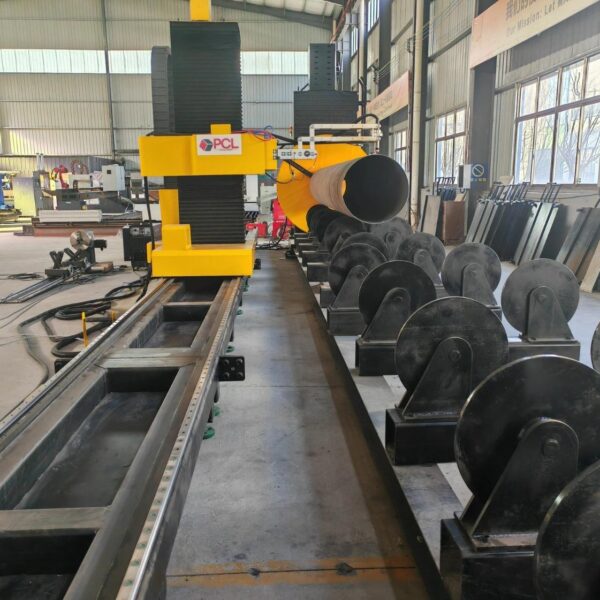
pipe plasma cutting machine
-
LFH 4020 Fiber Laser Cutting Machine
-
LFP4020
-
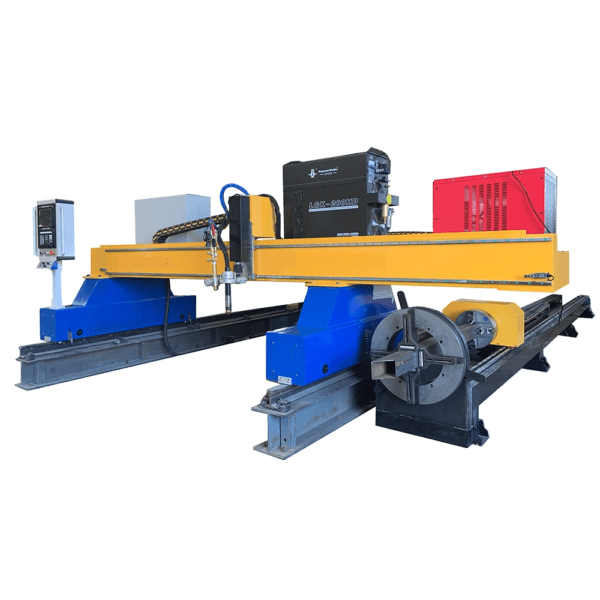
gantry plasma air cutting machine
-
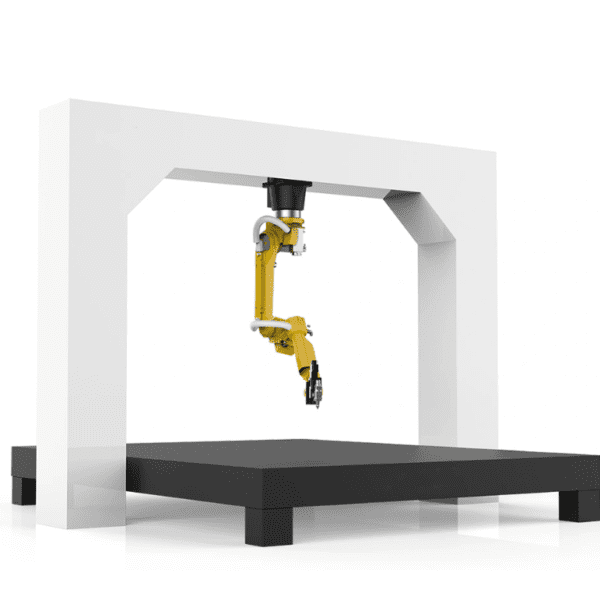
3D robot cutting machine
-
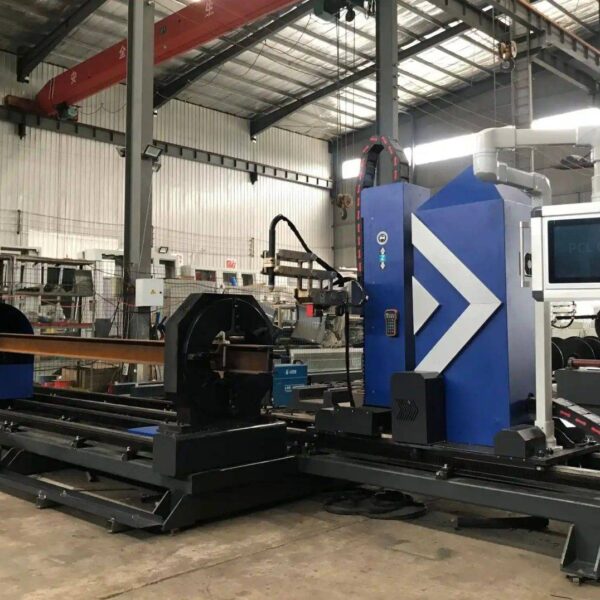
8 axis plasma cutting machine
-
5 axis plasma cutting machine
-

LT360 tube laser cutting machine
-
robot welding workstation
-
SF6060 fiber laser cutting machine
Advanced Fiber Laser Tube Processing Technology
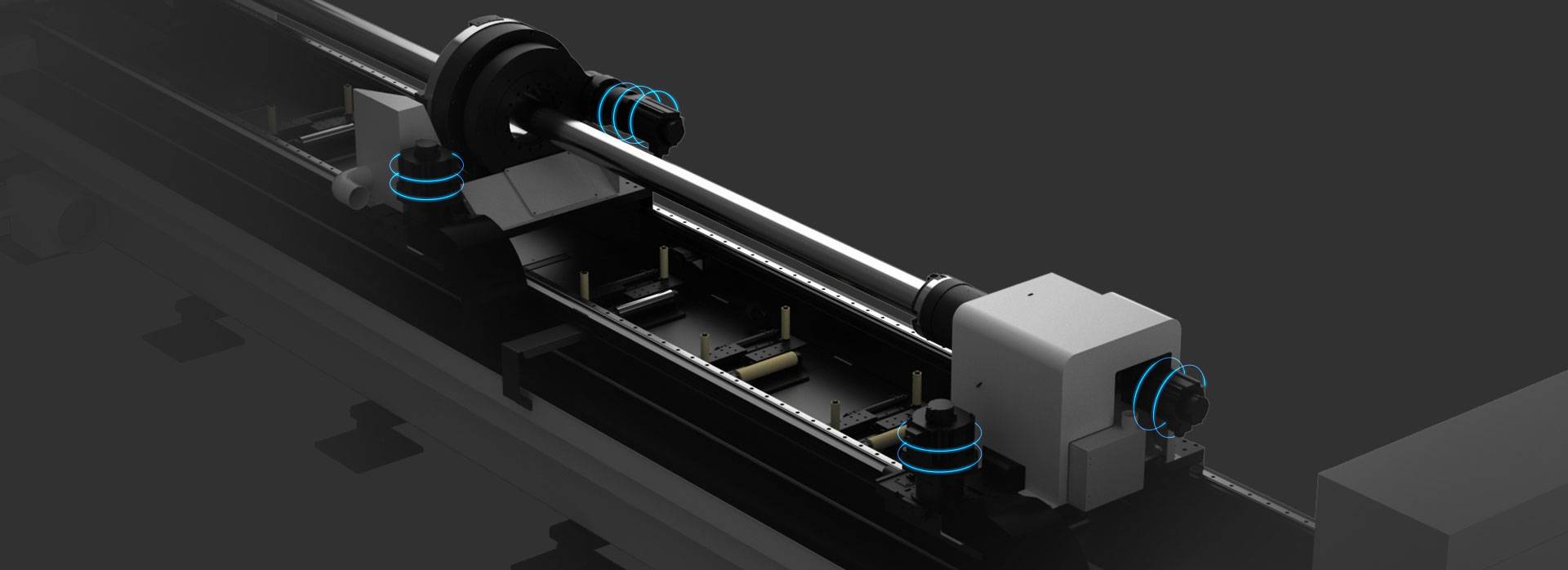
Our CNC Fiber Laser Tube Cutting systems revolutionize metal fabrication by integrating high-precision cutting, punching, and profiling into a single automated workflow. Designed for versatility, this technology handles a wide array of profiles including Round, Square, Rectangular, and Oval tubes, as well as complex L-shaped and U-shaped channels.
- Precision Punching: High-speed hole punching with micron-level accuracy, eliminating the need for mechanical drilling or die-stamping.
- Complex Profiling: Advanced 3D pathing allows for intricate interlocking joints and specialized notch cuts, ideal for structural frames.
- High Material Efficiency: Intelligent nesting software minimizes scrap, reducing raw material costs across large production runs.
- Clean Finish: Delivers oxide-free, burr-free edges that require zero secondary grinding before welding.

Seamlessly processing multiple profiles with consistent precision.
Global Delivery & Logistics



From our high-tech manufacturing facility directly to your global site. PCL WeldCut ensures secure packaging, professional handling, and reliable international logistics to safeguard your equipment throughout the entire journey.