Field Technical Report: Deployment of Low-Spatter MAG Robotic Arm Welder
Site Location: Wacol Industrial Precinct, Brisbane, QLD
1. Introduction and Project Scope
This report details the technical commissioning and performance evaluation of a high-speed, low-spatter MAG (Metal Active Gas) welding system integrated into a 6-axis Robotic Arm Welder. The project was executed within a heavy-fab facility in Brisbane, focusing on the transition from manual Gmaw to a fully realized Industrial Automation workflow. The primary objective was to stabilize Stainless Steel welding processes for Tier-2 mining equipment components, where aesthetic finish and structural integrity are non-negotiable.
Brisbane’s specific environmental conditions—namely the high relative humidity during the summer months—presented unique challenges for gas shielding stability. This report outlines how the synergy between the Robotic Arm Welder and modern Industrial Automation protocols mitigated these variables while drastically reducing post-weld rework.
2. Technical Configuration of the Robotic Arm Welder
The core of the installation is a high-speed 6-axis Robotic Arm Welder featuring a 2.0-meter reach and integrated cable management. Unlike previous generations, this unit utilizes a hollow-wrist design to prevent torch lead snagging during complex circular interpolations required for cylindrical 316L stainless housings.
The power source is an inverter-based 500A unit capable of high-frequency pulsed waveforms. To achieve the “low-spatter” requirement, we implemented a modified short-circuit transfer mode. In this mode, the Robotic Arm Welder communicates via a dedicated EtherCAT bridge to the power source, allowing for micro-second adjustments in current the moment the wire touches the weld pool. By dropping the current immediately before the bridge breaks, we eliminate the “explosion” of the globule, which is the primary cause of spatter in Stainless Steel welding.
3. The Role of Industrial Automation in Process Control
The Robotic Arm Welder does not operate in a vacuum. Its efficacy is entirely dependent on the surrounding Industrial Automation ecosystem. In the Brisbane facility, we integrated a dual-station rotary positioner (Headstock/Tailstock) controlled as an external 7th and 8th axis.

The synergy here is critical: the Industrial Automation system ensures that the workpiece is always presented in the 1F or 2F position (flat or horizontal-fillet). By maintaining a gravity-neutral weld pool, the Robotic Arm Welder can push travel speeds to 800mm/min without risking undercut or lack of fusion. Furthermore, the automation suite includes an automated torch cleaning station. Every five cycles, the robot executes a “reaming” sequence and anti-spatter spray application, ensuring gas flow remains laminar—a vital requirement for preventing porosity in Stainless Steel welding under Brisbane’s humid conditions.
4. Practical Application: Stainless Steel Welding Parameters
Stainless Steel welding is notoriously sensitive to heat input. Excess heat leads to carbide precipitation (sensitization), which ruins the corrosion resistance of the 316L and 304 grades commonly used in the local Brisbane food processing and marine sectors.
By utilizing the Robotic Arm Welder, we achieved a level of thermal management impossible with manual welding. Our parameters were set as follows:
- Wire: 1.2mm ER316LSi
- Gas Mix: 98% Argon / 2% CO2 (The 2% CO2 is essential for arc stability while minimizing oxidation).
- Travel Speed: Optimized at 12mm/s.
- Waveform: Low-spatter Pulse-on-Pulse.
The precision of the Industrial Automation sensors allowed for “Touch Sensing” and “Arc Tracking.” Because stainless steel has a high coefficient of thermal expansion, the parts tend to warp during the run. The Robotic Arm Welder uses the wire itself to sense the part location before striking the arc, and the thru-arc tracker adjusts the path in real-time to compensate for thermal drift. This is where Industrial Automation moves from a “luxury” to a “necessity.”
5. Synergy and Performance Metrics
The convergence of the Robotic Arm Welder and the Industrial Automation controller resulted in a 40% reduction in cycle time. However, the most significant gain was in the “Cleanliness Index.” In manual Stainless Steel welding, a technician typically spends 15 minutes per component using a flap disc or pickling paste to remove spatter and heat tint.
Because the low-spatter MAG process is so stable, post-weld cleaning has been reduced to a simple Scotch-Brite wipe. The Industrial Automation system logs every weld’s heat input data. If the voltage or current deviates from the programmed WFS (Wire Feed Speed) window, the system flags the part for inspection. This data-driven approach is a cornerstone of modern Brisbane manufacturing, moving away from “guesswork” and toward aerospace-level traceability.
6. Lessons Learned from the Field
During the first week of deployment in Brisbane, we encountered arc instability during the afternoon shifts. Technical analysis revealed that the Industrial Automation sensors were functioning correctly, but the ambient humidity was affecting the wire’s surface conductivity and gas density.
Lesson 1: Environmental Control. Even with a high-end Robotic Arm Welder, you cannot ignore the shop environment. We installed a dedicated dehumidifier for the wire storage area and switched to high-barrier liners in the torch leads. This stabilized the arc immediately.
Lesson 2: Earth Grounding. In a facility with heavy Industrial Automation, electrical noise is a significant factor. We had to implement a dedicated “clean earth” for the Robotic Arm Welder to prevent feedback loops from the high-frequency motors in the positioners from interfering with the weld pulse frequency.
Lesson 3: Stainless-Specific Programming. When Stainless Steel welding, the “crater fill” sequence is vital. We programmed the Robotic Arm Welder to perform a “back-step” at the end of each segment to ensure the crater was filled and the gas shield remained over the cooling pool for an extra 1.5 seconds. This prevented the common “pipe-eye” defect at the end of the welds.
7. Conclusion
The deployment of the Robotic Arm Welder at the Brisbane site has proven that the marriage of Industrial Automation and specialized Stainless Steel welding processes is the only viable path for local manufacturers to remain competitive. The reduction in spatter is not merely an aesthetic improvement; it is a fundamental reduction in labor costs and an increase in the fatigue life of the welded joints.
Future phases will look into integrating “Vision Systems” into the automation stack, allowing the Robotic Arm Welder to identify part geometry variations automatically, further reducing the need for expensive precision jigging. For now, the system stands as a benchmark for low-spatter MAG performance in the Queensland region.
Report Prepared By:
Senior Welding Engineer
Specialist Field Operations – Brisbane
-
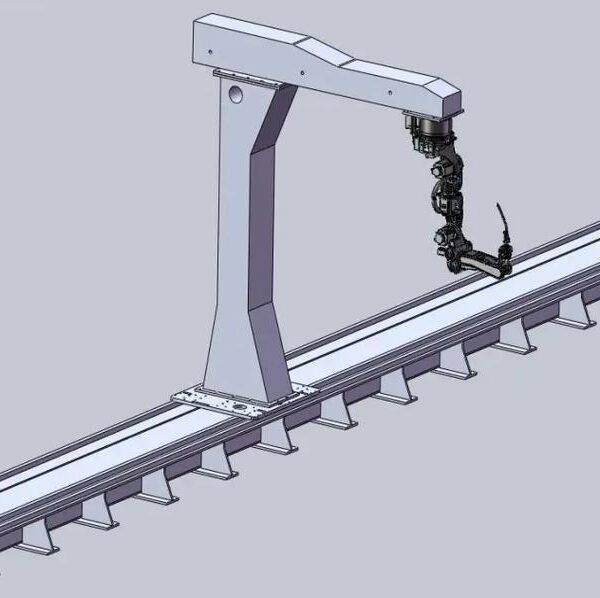

Cantilever Welding Robot solution
-
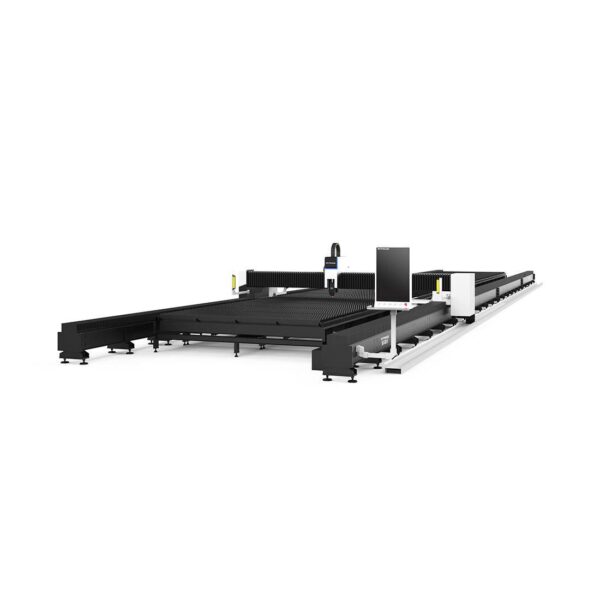

GF laser cutting machine
-
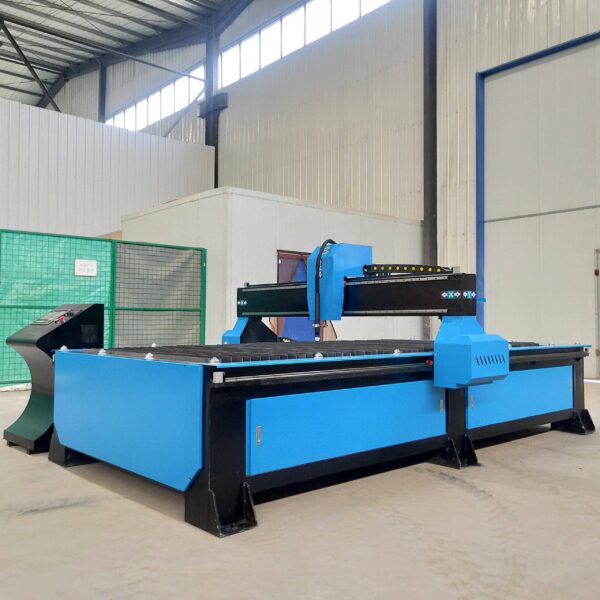
P3015 plasma cutting machine
-

LFP3015 Fiber Laser Cutter
-
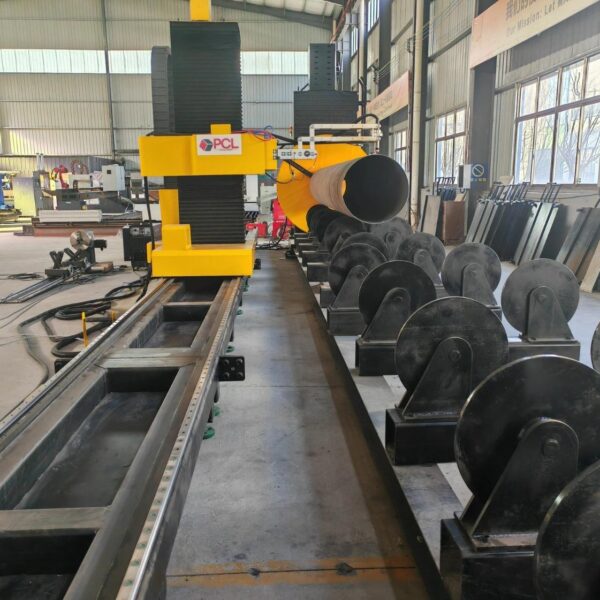
pipe plasma cutting machine
-
LFH 4020 Fiber Laser Cutting Machine
-
LFP4020
-
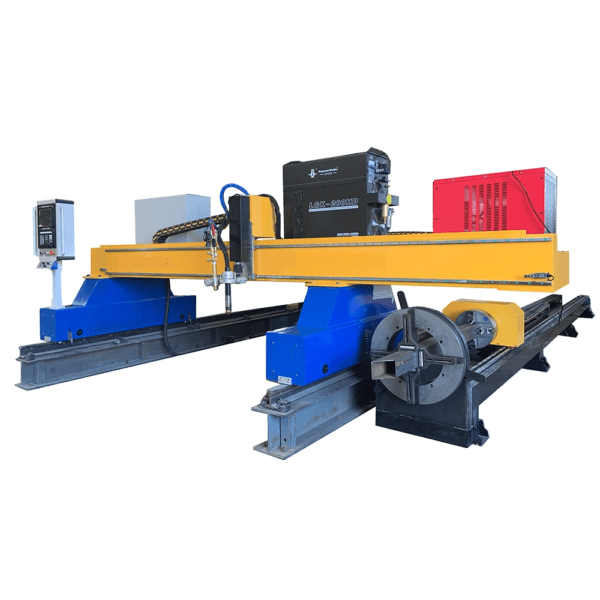
gantry plasma air cutting machine
-
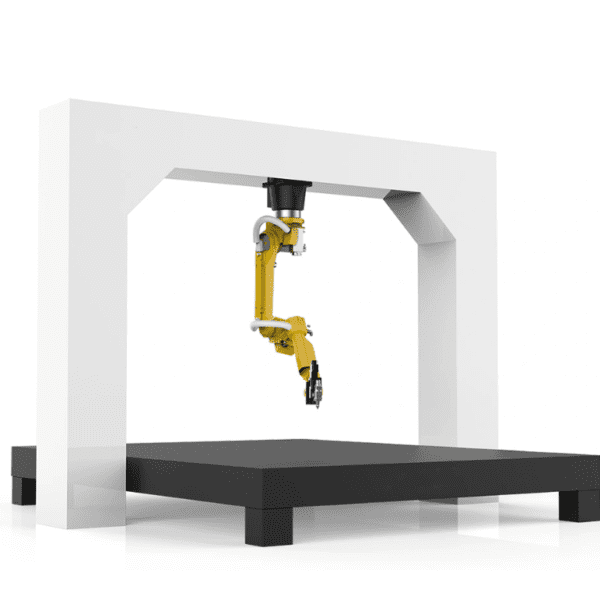
3D robot cutting machine
-
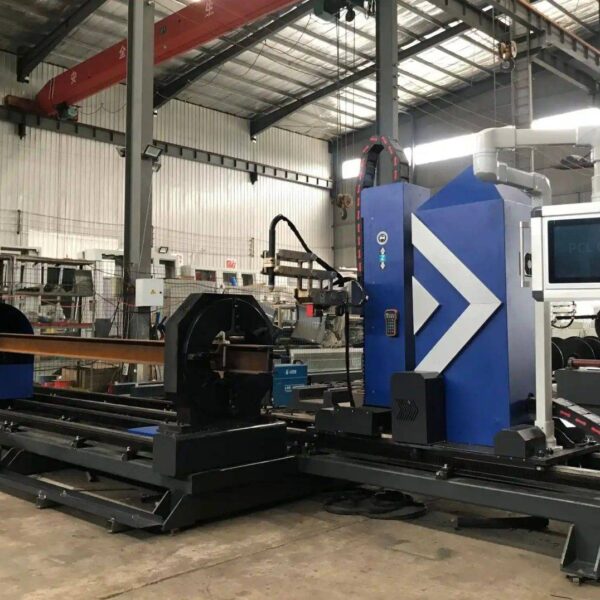
8 axis plasma cutting machine
-
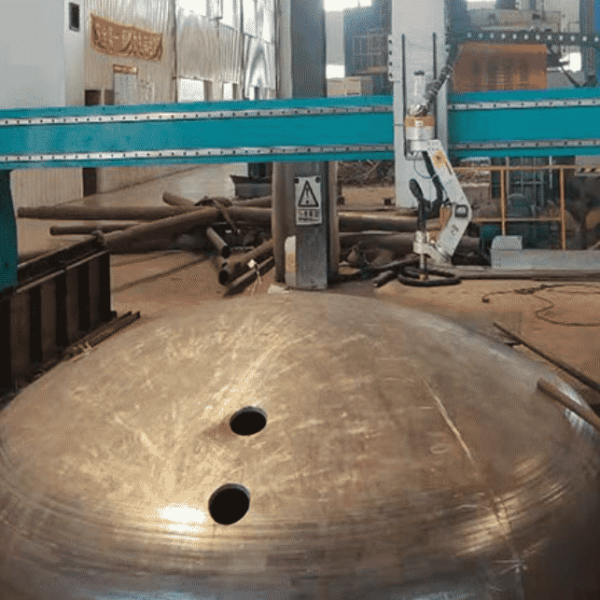
5 axis plasma cutting machine
-

LT360 tube laser cutting machine
-
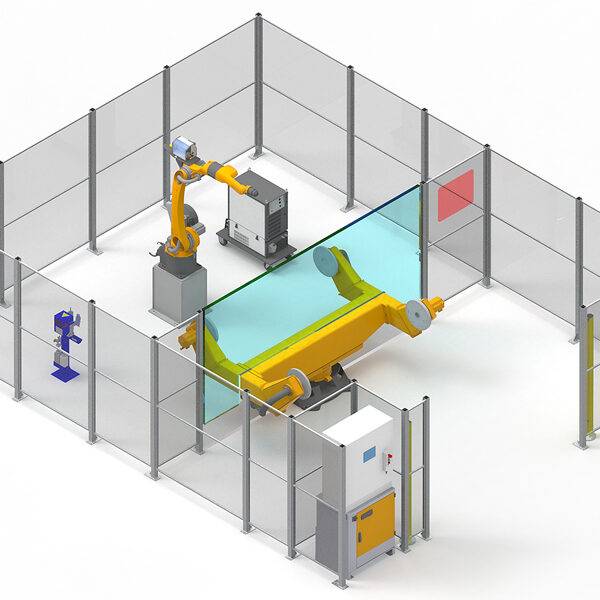
robot welding workstation
-
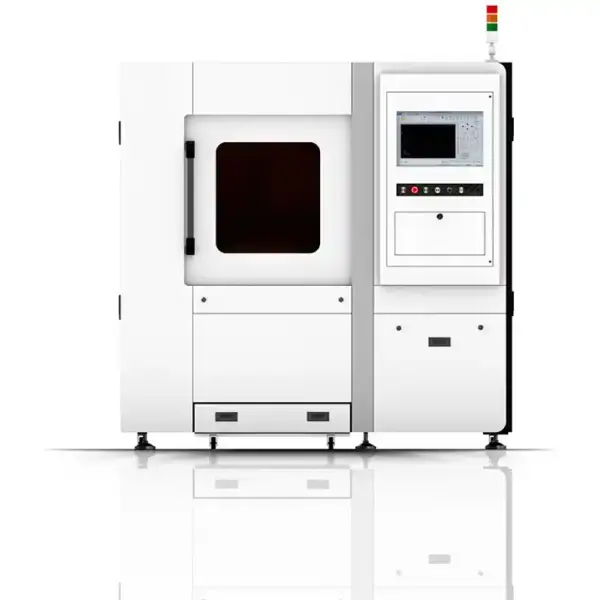
SF6060 fiber laser cutting machine
Advanced Fiber Laser Tube Processing Technology
Our CNC Fiber Laser Tube Cutting systems revolutionize metal fabrication by integrating high-precision cutting, punching, and profiling into a single automated workflow. Designed for versatility, this technology handles a wide array of profiles including Round, Square, Rectangular, and Oval tubes, as well as complex L-shaped and U-shaped channels.
- Precision Punching: High-speed hole punching with micron-level accuracy, eliminating the need for mechanical drilling or die-stamping.
- Complex Profiling: Advanced 3D pathing allows for intricate interlocking joints and specialized notch cuts, ideal for structural frames.
- High Material Efficiency: Intelligent nesting software minimizes scrap, reducing raw material costs across large production runs.
- Clean Finish: Delivers oxide-free, burr-free edges that require zero secondary grinding before welding.

Seamlessly processing multiple profiles with consistent precision.
Global Delivery & Logistics



From our high-tech manufacturing facility directly to your global site. PCL WeldCut ensures secure packaging, professional handling, and reliable international logistics to safeguard your equipment throughout the entire journey.