Field Technical Report: Low-Spatter MAG Cobot Integration for Copper Components
Project Location: Musaffah Industrial Zone, Abu Dhabi, UAE
This report details the field implementation and performance evaluation of a Low-spatter MAG Cobot Welding Machine deployed for the fabrication of high-conductivity heat exchange assemblies. The primary objective was to transition from manual GTAW (Gas Tungsten Arc Welding) to an automated MAG (Metal Active Gas) process to meet aggressive production timelines for a regional power generation contract. The focus remains on the synergy between Collaborative Robotics and advanced power source waveforms to manage the unique thermal profiles of Copper Components welding.
1. The Technical Challenge: Copper Components Welding in High Ambient Heat
Welding copper in Abu Dhabi presents two distinct challenges: the material’s inherent high thermal conductivity and the environmental ambient temperature, which often exceeds 45°C in the workshop during peak hours. Traditional manual MAG welding on copper typically results in excessive spatter and inconsistent penetration due to the difficulty in maintaining a stable arc as the workpiece “sinks” the heat away from the weld pool.
In this application, we were dealing with C10100 Oxygen-Free Electronic (OFE) copper. The high heat input required for fusion often leads to grain growth in the Heat Affected Zone (HAZ), reducing the structural integrity of the component. To mitigate this, we introduced a Cobot Welding Machine equipped with a modified short-circuit transfer mode (low-spatter pulse). The goal was to achieve deep penetration without the catastrophic heat accumulation associated with traditional spray transfer.
2. Hardware Configuration: The Cobot Welding Machine
The system comprises a 6-axis collaborative arm integrated with a 500A inverter-based power source. Unlike traditional industrial robots, this Cobot Welding Machine utilizes high-resolution torque sensors in each joint. This is critical for our “lead-through” programming, where the senior welder manually guides the arm to define the path on complex manifold geometries.
Power Source Waveform Control
We utilized a proprietary low-spatter waveform that oscillates the wire feed speed in synchronization with the current pulses. By retracting the wire slightly during the short-circuit phase, we achieved a droplet transfer that is almost entirely devoid of spatter. In the context of Copper Components welding, this reduction in spatter is not just aesthetic; it prevents the occlusion of cooling fins and threads that are adjacent to the weld zones, eliminating hours of post-weld manual cleaning.
3. Collaborative Robotics: Human-Machine Synergy
In the Abu Dhabi facility, the implementation of Collaborative Robotics changed the floor dynamics. Traditional automation requires safety fencing, which consumes valuable floor space and isolates the operator. In our setup, the welder and the cobot work in a shared workspace. The welder performs the tacking and fit-up of the copper headers, while the cobot executes the long-seam and circumferential welds.

The synergy here is found in “Adaptive Task Sharing.” Copper requires pre-heating to approximately 200°C to ensure proper wetting. The welder manages the induction heating system and monitors the interpass temperature using infrared thermography. Once the threshold is met, the welder triggers the cobot. This allows the human operator to focus on thermal management—a nuance the machine cannot yet fully perceive—while the machine provides the mechanical consistency required for a 100% X-ray clear weld.
4. Operational Observations: Abu Dhabi Environmental Factors
Field testing in the UAE necessitates a focus on cooling and gas shielding stability. We observed that the high humidity in the Musaffah area can lead to hydrogen porosity in copper welds if the shielding gas (99.99% Argon or Argon-Helium mixes) is not strictly monitored.
Shielding Gas Dynamics
We found that a 70% Ar / 30% He mix provided the best balance for the Cobot Welding Machine. The Helium component increases the arc voltage and heat input, which is vital for copper’s conductivity, while the Cobot’s steady travel speed (maintained at a constant 4.5 mm/s) prevented the turbulence that often occurs with manual torch manipulation. We also implemented a secondary trailing shield on the cobot arm to protect the cooling weld bead from oxidation, a common failure point in high-ambient-temperature environments.
Duty Cycle and Thermal Management
The Cobot Welding Machine‘s torch was liquid-cooled. We learned early in the deployment that standard internal chillers were struggling with the 50°C workshop ambient air. We retrofitted an external heavy-duty refrigeration unit to the coolant loop to ensure the torch consumables (specifically the chrome-zirconium contact tips) did not soften. Contact tip wear is accelerated in Copper Components welding because the wire and the tip share similar metallic properties, leading to “micro-welding” inside the tip. Maintaining the tip temperature below 150°C was essential for consistent wire feed.
5. Lessons Learned: Lessons from the Field
The transition to Collaborative Robotics for copper alloys provided several technical takeaways that differ from standard carbon steel automation:
- Wire Feed Tension: Copper wire is softer than steel. The cobot’s ability to maintain a perfectly consistent torch cable radius is a major advantage. In manual welding, the welder often kinks the liner, causing wire-burn-back. The cobot’s programmed pathing keeps the liner geometry constant, resulting in zero feed-related downtime over a 40-hour work week.
- Programming for Thermal Expansion: Copper expands significantly. A path programmed on a cold component will be off by 1.2mm by the end of a 500mm pass. We had to implement “Thermal Offsets” in the cobot software, slightly adjusting the TCP (Tool Center Point) as the weld progressed to compensate for the workpiece’s growth.
- Tack Welding Precision: When using a Cobot Welding Machine, tack welds must be low-profile. The low-spatter MAG process is sensitive to changes in the arc gap. If the welder leaves a “hump” during the manual tacking phase, the cobot’s voltage sensing may over-correct, leading to a localized lack of fusion. We moved to autogenous TIG tacks to keep the path smooth.
6. Performance Metrics and Results
After six months of operation in the Abu Dhabi site, the data indicates a 40% increase in throughput compared to manual GTAW. More importantly, the repair rate for Copper Components welding dropped from 12% to less than 1.5%. The low-spatter technology reduced the post-weld processing time by 80%, as there was no need for pneumatic chiseling of spatter from the intricate cooling paths of the manifolds.
The Collaborative Robotics approach also improved worker safety. By removing the welder’s hands from the immediate vicinity of the 200°C pre-heated copper parts and the intense UV radiation of the Ar/He arc, we reduced heat-stress incidents—a major KPI for UAE-based industrial operations.
7. Conclusion and Recommendations
The synergy between a Cobot Welding Machine and specialized waveforms for Copper Components welding is no longer theoretical; it is a proven necessity for high-output environments like Abu Dhabi. The key to success lies not in replacing the welder, but in using Collaborative Robotics to handle the physical burden of arc consistency while the welder manages the metallurgical and thermal variables.
For future deployments in the MENA region, I recommend the integration of real-time laser tracking to automate the thermal expansion offsets we currently calculate manually. Additionally, dedicated climate-controlled enclosures for the power source inverters will further extend the lifespan of the electronics against the fine desert dust and high humidity typical of the coastal UAE industrial zones.
Report End.
-
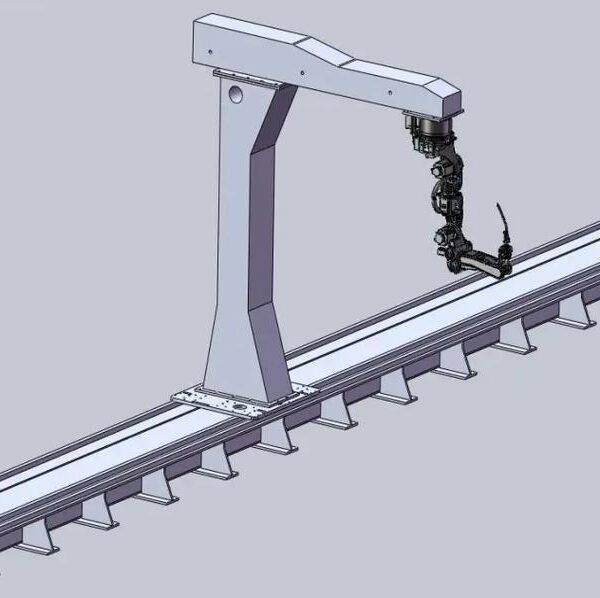

Cantilever Welding Robot solution
-
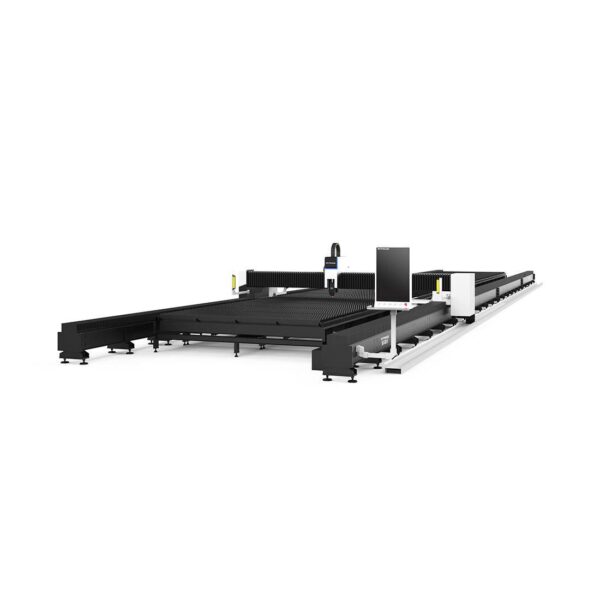

GF laser cutting machine
-
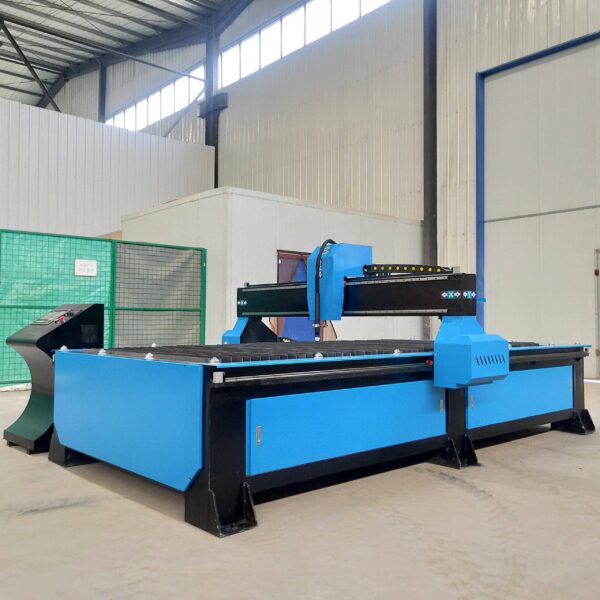
P3015 plasma cutting machine
-

LFP3015 Fiber Laser Cutter
-
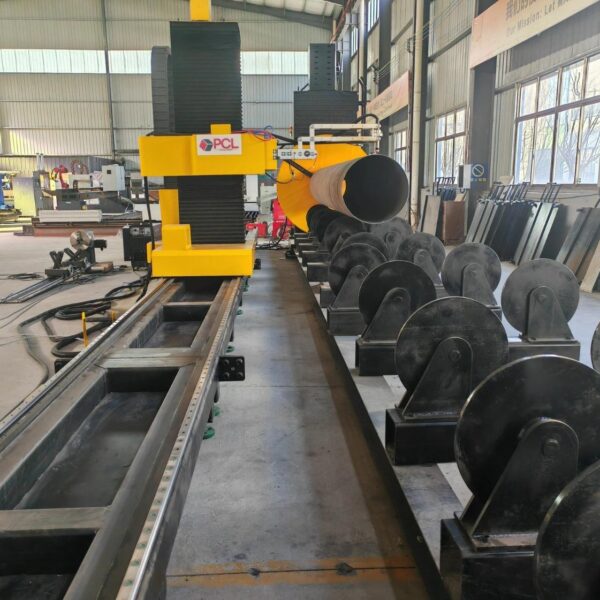
pipe plasma cutting machine
-
LFH 4020 Fiber Laser Cutting Machine
-
LFP4020
-
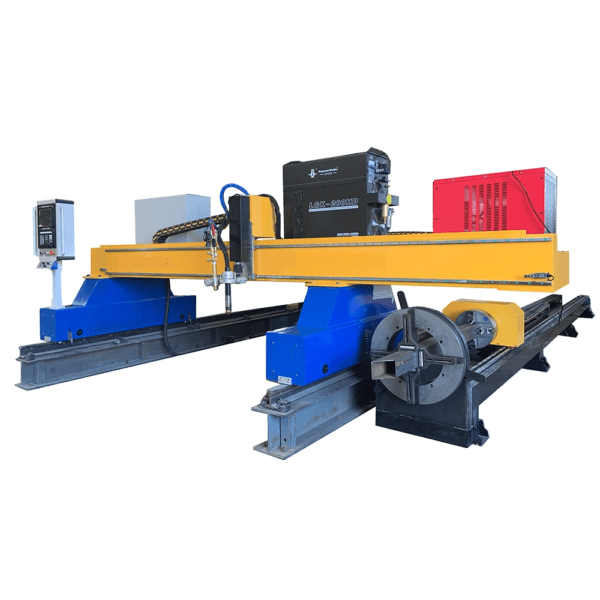
gantry plasma air cutting machine
-
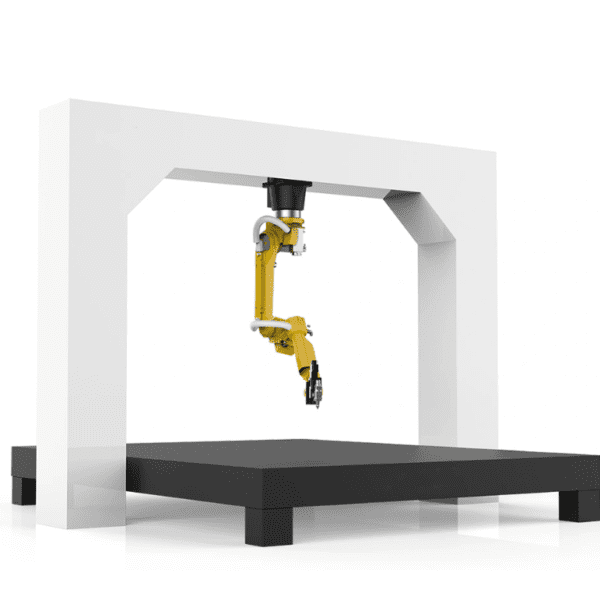
3D robot cutting machine
-
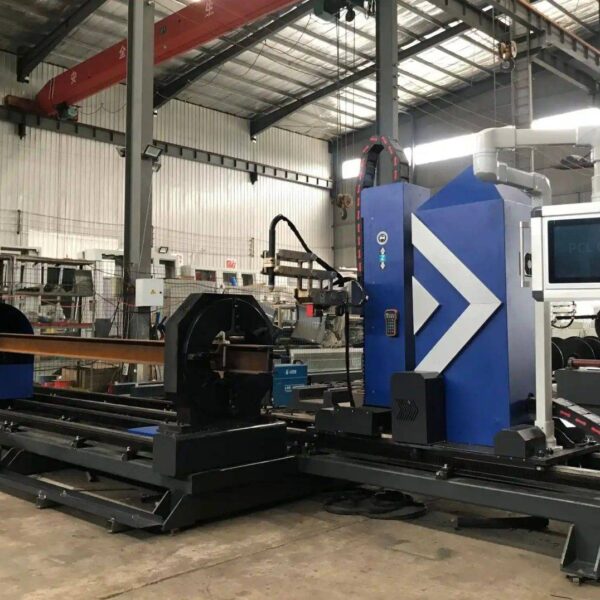
8 axis plasma cutting machine
-
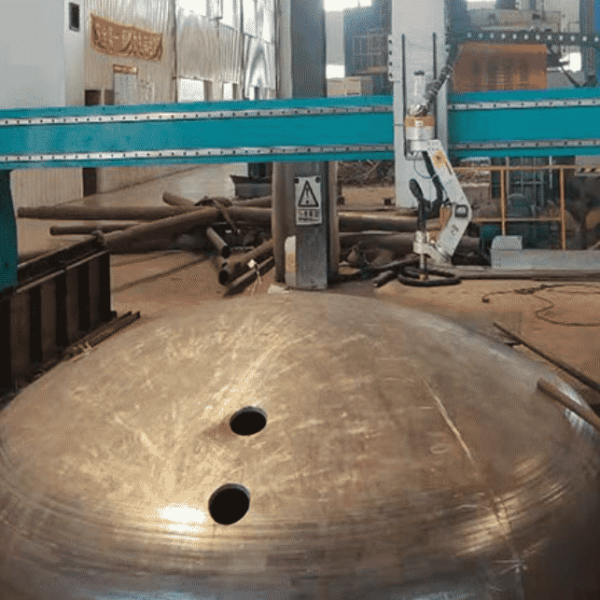
5 axis plasma cutting machine
-

LT360 tube laser cutting machine
-
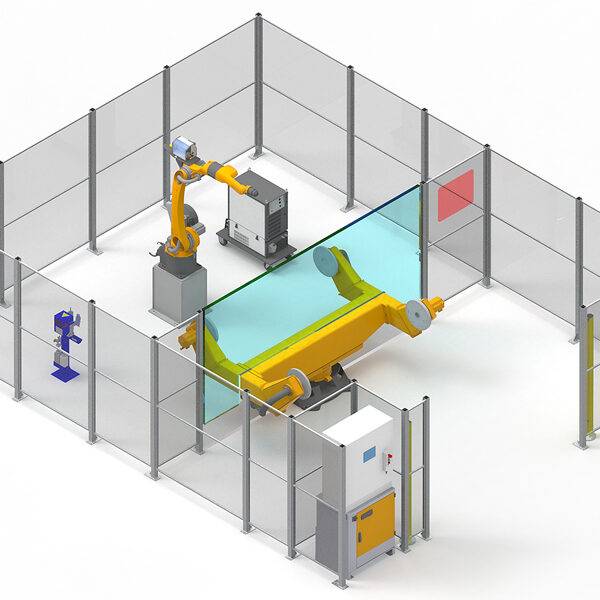
robot welding workstation
-
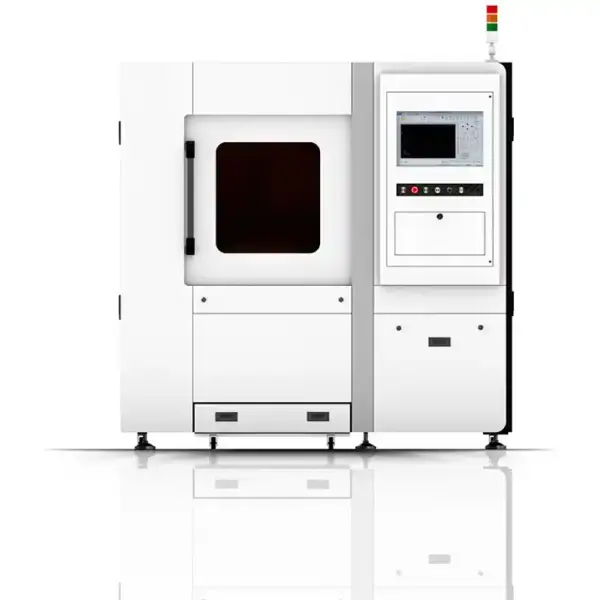
SF6060 fiber laser cutting machine
Advanced Fiber Laser Tube Processing Technology
Our CNC Fiber Laser Tube Cutting systems revolutionize metal fabrication by integrating high-precision cutting, punching, and profiling into a single automated workflow. Designed for versatility, this technology handles a wide array of profiles including Round, Square, Rectangular, and Oval tubes, as well as complex L-shaped and U-shaped channels.
- Precision Punching: High-speed hole punching with micron-level accuracy, eliminating the need for mechanical drilling or die-stamping.
- Complex Profiling: Advanced 3D pathing allows for intricate interlocking joints and specialized notch cuts, ideal for structural frames.
- High Material Efficiency: Intelligent nesting software minimizes scrap, reducing raw material costs across large production runs.
- Clean Finish: Delivers oxide-free, burr-free edges that require zero secondary grinding before welding.

Seamlessly processing multiple profiles with consistent precision.
Global Delivery & Logistics



From our high-tech manufacturing facility directly to your global site. PCL WeldCut ensures secure packaging, professional handling, and reliable international logistics to safeguard your equipment throughout the entire journey.