Field Engineering Report: Deployment of Low-Spatter MAG All-in-one Cobot Stations
Location: Tier-2 Automotive & Food-Grade Fabrication Facility – Gainesville, Georgia, USA
1. Executive Summary of Field Activities
This report details the technical commissioning and performance evaluation of the integrated All-in-one Cobot Station units deployed for high-precision Stainless Steel welding. The facility in Georgia faced significant throughput bottlenecks in their manual TIG lines, specifically regarding heat-exchanger brackets and food-grade manifold assemblies. By transitioning these components to a low-spatter MAG process via Collaborative Robotics, we aimed to reduce cycle times without sacrificing the aesthetic and metallurgical integrity required for 304 and 316L grades.
2. The All-in-One Cobot Station: Hardware Architecture and Georgia Site Constraints
In a typical Georgia fabrication environment, floor space is at a premium, and ambient humidity fluctuates significantly, affecting shielding gas stability. The **All-in-one Cobot Station** was selected specifically because it houses the power source, the robotic controller, and the welding torch cooling system within a single, mobile footprint.
Unlike traditional industrial robot cells that require extensive fencing and safety interlocks (consuming roughly 150+ sq. ft.), this station operates on a 4×4 ft footprint. This “plug-and-play” capability allowed us to deploy the units directly into existing manual weld lines. The integration of the power source is critical; the station uses a high-speed inverter capable of 20kHz switching frequencies, which is mandatory for the pulsed MAG waveforms used to achieve low-spatter results on stainless steel.
3. Synergy: All-in-One Infrastructure meets Collaborative Robotics
The core advantage observed during this deployment was the synergy between the **All-in-one Cobot Station** and the principles of **Collaborative Robotics**. In the Georgia workshop, the “collaboration” isn’t just about safety—it’s about the interface between the veteran manual welder and the machine.
**Lessons Learned in Collaboration:**
* **Direct Teaching (Hand-guiding):** We utilized the cobot’s lead-through programming. For complex Stainless Steel welding paths on 3D manifolds, the welder physically moved the torch to define the path. This eliminated the need for a dedicated robotics programmer.
* **Workspace Sharing:** Because these are collaborative systems, operators were able to load and unload jigs on one side of the table while the cobot welded on the other. This “shadow-box” workflow increased the arc-on time from 30% (manual) to nearly 75%.
* **Dynamic Interference:** We encountered initial issues with “nuisance stops” due to the cobot’s sensitivity settings. In Georgia’s high-vibration environments (adjacent to heavy stamping presses), we had to tune the force-torque sensors to distinguish between a human collision and floor-borne vibration.
4. Technical Deep-Dive: Stainless Steel Welding Parameters
The primary metallurgical challenge was maintaining the corrosion resistance of the 304L stainless steel while using a MAG process. Traditional MAG is often avoided for stainless due to high spatter and carbon pick-up. However, the All-in-one station utilizes a proprietary “Low-Spatter” control logic.
**Waveform Analysis:**
We utilized a modified pulsed-spray transfer. By precisely controlling the droplet detachment, we ensured that the globule never creates a short circuit that would lead to explosive spatter.
* **Wire:** ER308LSi (0.035” diameter). The “Si” (Silicon) content was vital for weld pool fluidity under the high travel speeds of the cobot.
* **Gas Mix:** 98% Argon / 2% CO2. We initially tried a 97/3 mix, but the 2% CO2 proved superior for stabilizing the arc on the cobot’s high-speed passes (18-22 inches per minute) while minimizing surface oxidation.
* **Heat Input Control:** Stainless steel has a high coefficient of thermal expansion and low thermal conductivity. Excessive heat leads to warping. The **Collaborative Robotics** system allowed for “stitch welding” patterns that are perfectly repeatable, distributing heat more evenly than a manual operator could over an 8-hour shift.
5. Performance Metrics: Spatter Reduction and Post-Weld Processing
One of the most significant “lessons learned” during the Georgia field test was the economic impact of spatter. In food-grade fabrication, any spatter on the base metal is a site for potential bacterial growth and must be mechanically removed.
**Data Comparison:**
* **Manual MAG:** Required 12 minutes of post-weld grinding and pickling per unit.
* **All-in-one Cobot Station:** Reduced post-weld cleanup to 2 minutes. The “Low-Spatter” mode virtually eliminated the need for anti-spatter sprays, which are often a nuisance in high-humidity Georgia summers as they can contribute to porosity if not dried correctly.
6. Environmental Challenges: The Georgia Factor
The North Georgia climate presents a specific challenge: high relative humidity. During the August deployment, we noticed intermittent porosity in the stainless beads.
**Engineering Intervention:** We discovered that the standard gas hoses provided with the station were slightly permeable. Under high humidity, moisture was diffusing into the shielding gas line. We swapped these for dual-layer reinforced hoses and increased the pre-flow gas timer to 1.5 seconds to purge the nozzle effectively. This is a critical adjustment for any **All-in-one Cobot Station** operating in the Southeastern US.
7. Programming and Operator Adoption
The success of **Collaborative Robotics** depends on the buy-in from the shop floor. In this Georgia facility, the welders were initially skeptical of “the arm.”
However, the All-in-one Station’s interface—which uses a tablet-based GUI rather than a complex Teach Pendant—lowered the barrier to entry. Within two days, Tier-1 welders were “copy-pasting” weld paths for circular flanges.
**Key Technical Insight:** We implemented “Touch-Sense” logic. Since stainless steel parts often have slight dimensional variances due to previous shearing operations, the cobot uses the wire tip to touch the part and find the exact start point. This ensured that even if the jig was slightly misaligned, the **Stainless Steel welding** remained on-seam.
8. Safety and Compliance (ANSI/RIA R15.06)
While the station is marketed as “Collaborative,” we conducted a thorough Risk Assessment. Because we were welding stainless steel, the UV radiation and welding fumes remained hazards. Even though the “robot” doesn’t need a cage for motion safety, we installed portable weld screens and high-vacuum fume extraction integrated into the cobot’s arm. The **All-in-one Cobot Station** simplifies this because it includes a 110V auxiliary outlet to power the extraction unit directly from the station’s base.
9. Final Observations and Lessons Learned
* **Grounding is Non-Negotiable:** With the integrated electronics of an All-in-one station, high-frequency noise can interfere with cobot encoders. We had to ensure a dedicated common ground for the station to avoid “phantom” E-stops during high-amperage starts.
* **Consumable Life:** Because the cobot maintains a perfect Contact-Tip-to-Work Distance (CTWD), we saw a 40% increase in contact tip life compared to manual MAG.
* **Joint Preparation:** Collaborative robotics is “garbage in, garbage out.” The 304 stainless plates required tighter fit-up tolerances (gap < 10% of material thickness) than what the manual welders were used to providing.
10. Conclusion
The deployment in Georgia confirms that the **All-in-one Cobot Station** is the most viable path for mid-sized manufacturers to automate **Stainless Steel welding**. The synergy of the integrated platform with **Collaborative Robotics** allows for a flexible, high-quality production line that addresses the current labor shortage while significantly reducing the cost-per-part through spatter mitigation and reduced rework. Future rollouts should prioritize gas line integrity and operator training on “Touch-Sense” features to maximize the ROI of these units.
**Signed,**
*Senior Welding Engineer*
*Field Operations Division*
-
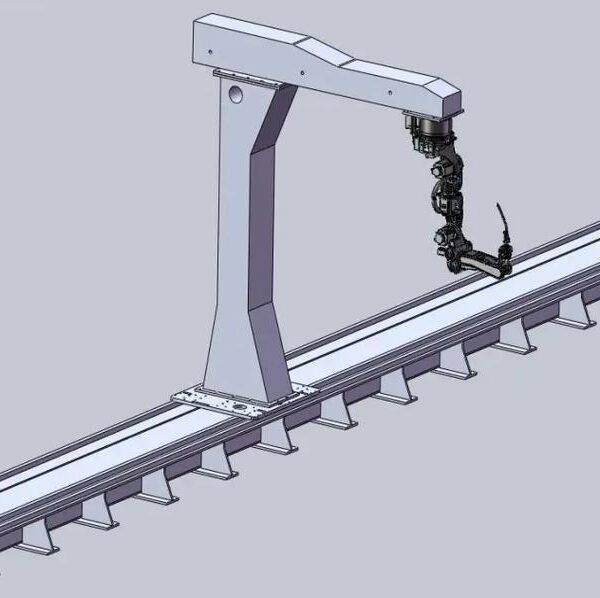

Cantilever Welding Robot solution
-
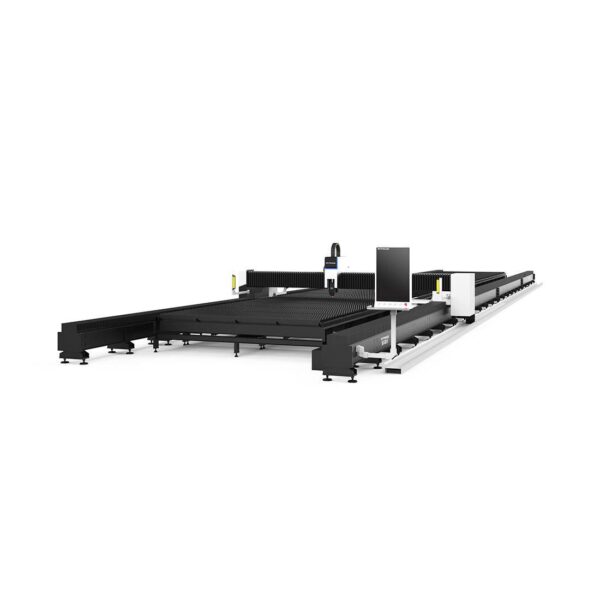

GF laser cutting machine
-
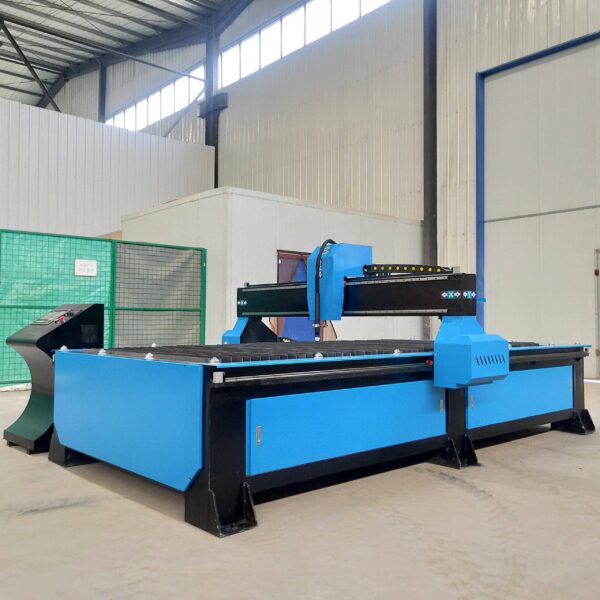
P3015 plasma cutting machine
-

LFP3015 Fiber Laser Cutter
-
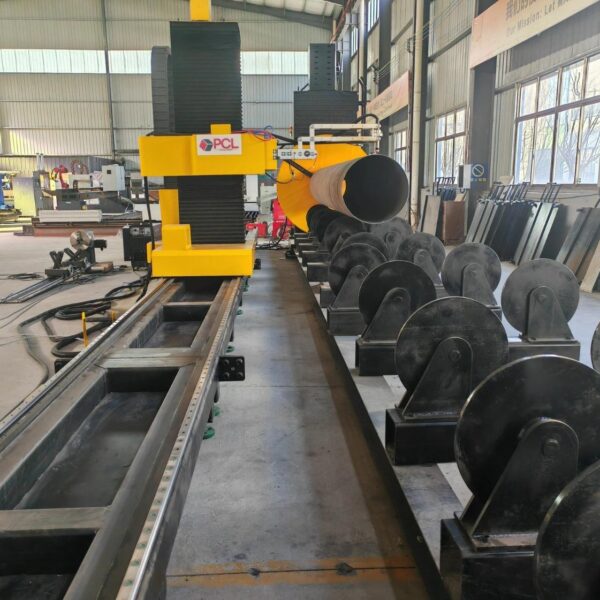
pipe plasma cutting machine
-
LFH 4020 Fiber Laser Cutting Machine
-
LFP4020
-
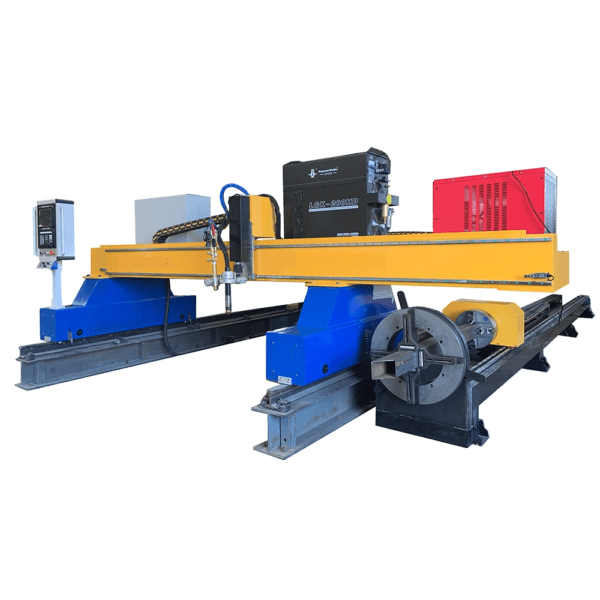
gantry plasma air cutting machine
-
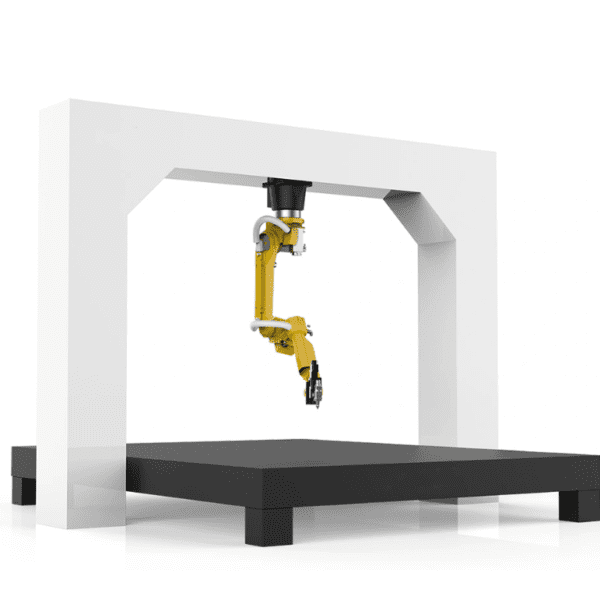
3D robot cutting machine
-
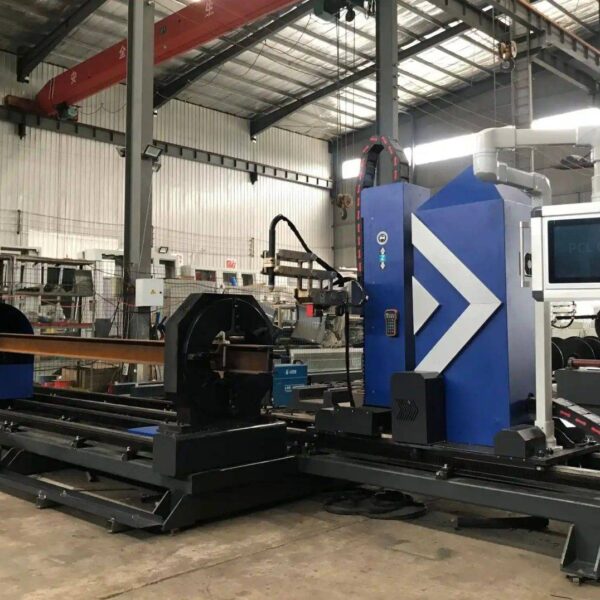
8 axis plasma cutting machine
-
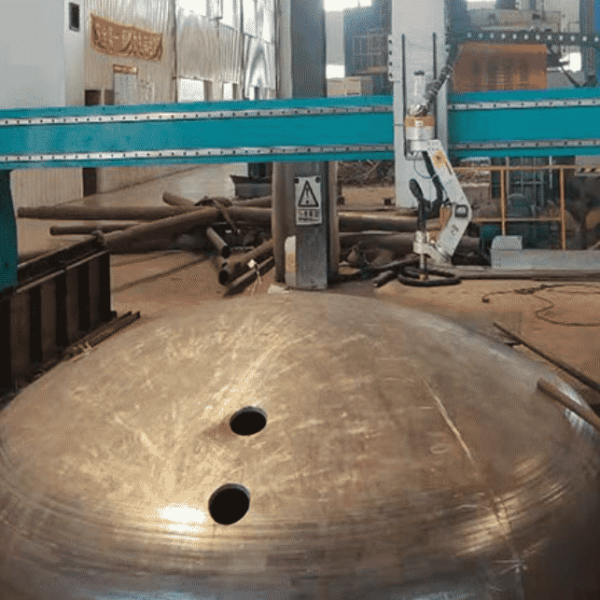
5 axis plasma cutting machine
-

LT360 tube laser cutting machine
-
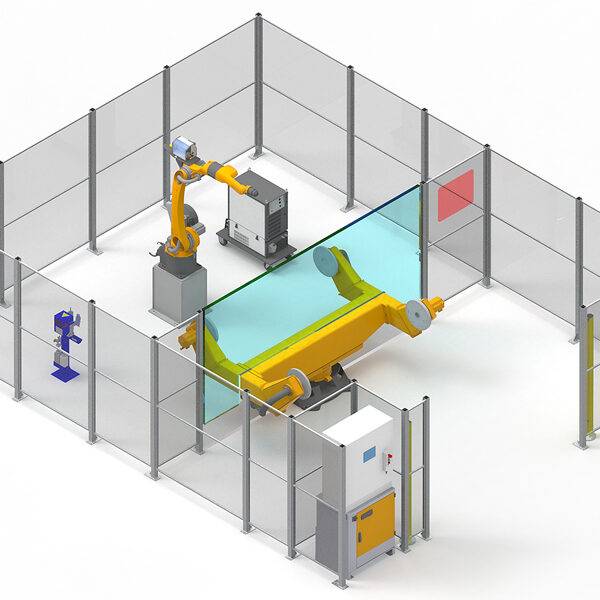
robot welding workstation
-
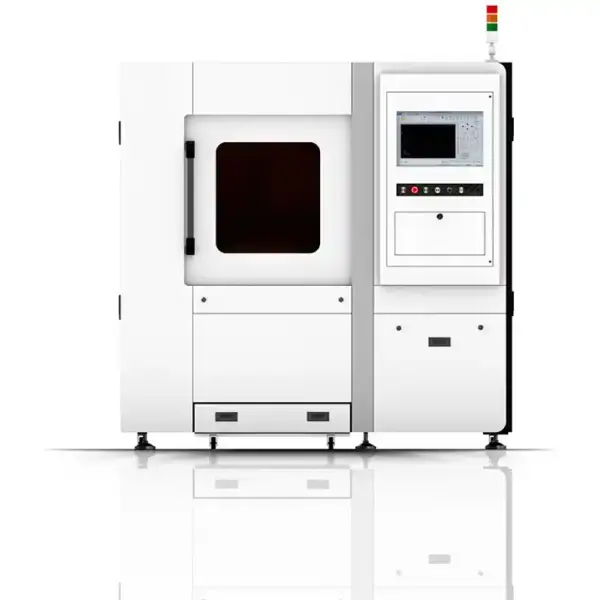
SF6060 fiber laser cutting machine
Advanced Fiber Laser Tube Processing Technology
Our CNC Fiber Laser Tube Cutting systems revolutionize metal fabrication by integrating high-precision cutting, punching, and profiling into a single automated workflow. Designed for versatility, this technology handles a wide array of profiles including Round, Square, Rectangular, and Oval tubes, as well as complex L-shaped and U-shaped channels.
- Precision Punching: High-speed hole punching with micron-level accuracy, eliminating the need for mechanical drilling or die-stamping.
- Complex Profiling: Advanced 3D pathing allows for intricate interlocking joints and specialized notch cuts, ideal for structural frames.
- High Material Efficiency: Intelligent nesting software minimizes scrap, reducing raw material costs across large production runs.
- Clean Finish: Delivers oxide-free, burr-free edges that require zero secondary grinding before welding.

Seamlessly processing multiple profiles with consistent precision.
Global Delivery & Logistics



From our high-tech manufacturing facility directly to your global site. PCL WeldCut ensures secure packaging, professional handling, and reliable international logistics to safeguard your equipment throughout the entire journey.
One thought on “Engineering Review: Low-spatter MAG All-in-one Cobot Station – Georgia, USA”
The nesting software is very intuitive. Saved us a lot of stainless steel waste.