Field Report: Deployment of Intelligent Arc Control 6-Axis Collaborative Welder
Location: Industrial Park El Marqués, Queretaro, Mexico
Date: October 24, 2023
Subject: Process Validation and Synergy of Automated Welding in High-Precision Stainless Steel Fabrication
1. Introduction and Site Conditions
This report details the field implementation of the Intelligent Arc Control 6-axis collaborative welder within a Tier 2 automotive supplier facility in Queretaro. The objective was to transition a high-volume 304L stainless steel manifold assembly from manual TIG to an automated welding workflow. Queretaro’s industrial environment presents specific challenges: high ambient humidity during the rainy season and a fluctuating power grid that can introduce noise into sensitive electronic arc stabilizers. Our primary focus was the integration of the 6-axis collaborative welder to maintain torch perpendicularity across complex radial geometries while leveraging real-time arc adjustments to mitigate thermal distortion.
2. Technical Analysis of the 6-Axis Collaborative Welder
In the context of stainless steel welding, the “6-axis” capability is not a luxury; it is a geometric requirement. Unlike 4-axis systems that struggle with torch lead/lag angles on curved headers, the 6-axis collaborative welder allows for full hemispherical positioning. This flexibility is critical when navigating the tight radii of exhaust manifolds where the torch nozzle must maintain a consistent 15-degree push angle to ensure proper gas shielding.
2.1 Collaborative Synergy and Floor Dynamics
The “collaborative” nature of the system allowed us to bypass the 4-week lead time for safety fencing and light curtains required by traditional industrial robots. In the Queretaro workshop, floor space is at a premium. We integrated the cobot directly into the existing manual cell. The synergy between the human operator (who handles part loading and tacking) and the automated welding unit (which executes the root and cover passes) resulted in a 40% reduction in cycle time. The operator’s ability to “hand-guide” the 6-axis arm for point-teaching significantly reduced the programming overhead compared to coordinate-based entry.
3. Automated Welding Process Implementation
The transition to automated welding was centered on the Intelligent Arc Control (IAC) software. Manual welding on 1.5mm stainless steel often results in “burn-through” or excessive carbide precipitation (sugaring) due to inconsistent travel speeds. The automated welding system compensates for this by synchronizing the wire feed speed with the cobot’s tool center point (TCP) velocity.
3.1 Parameter Stabilization
During the field test, we established a baseline pulse-on-pulse schedule. The IAC monitored the arc voltage at 20kHz, adjusting the current in micro-seconds to compensate for the slight variations in joint fit-up. In Queretaro’s manufacturing landscape, part tolerances from upstream stamping can vary by ±0.5mm. Traditional automated welding would fail here, but the intelligent 6-axis collaborative welder uses “Through-Arc Seam Tracking” to adjust the path in real-time, ensuring the arc remains centered in the groove.
4. Stainless Steel Welding: Metallurgical and Practical Challenges
Stainless steel welding demands rigorous heat input control to maintain corrosion resistance. Overheating 304L leads to chromium carbide precipitation at the grain boundaries. Our deployment utilized a “Cold Pulse” logic programmed into the automated welding suite.

4.1 Heat Affected Zone (HAZ) Management
By using the 6-axis collaborative welder, we maintained a constant travel speed of 450mm/min, which is nearly double the consistent speed of a manual welder. This higher speed, combined with the IAC’s ability to “pinch” the arc, resulted in a HAZ that was 30% narrower than previous manual samples. We observed a significant reduction in longitudinal warping across the 600mm manifold length, eliminating the need for post-weld straightening—a major bottleneck in the Queretaro facility.
4.2 Gas Shielding and Discoloration
A lesson learned during the first 48 hours involved gas turbulence. The 6-axis arm moves with high agility, and at high-speed transitions, the surrounding air was being pulled into the weld pool, causing “straw-colored” oxidation. We modified the automated welding program to include a 2-second post-flow dwell and added a custom trailing shield to the 6-axis arm. This ensured the stainless steel welding remained in an inert environment until the metal dropped below the 400°C critical threshold.
5. Field Observations and Lessons Learned
5.1 Grounding and Electrical Noise
One unforeseen issue in the Queretaro plant was the “dirty” electrical ground. The 6-axis collaborative welder’s sensors initially reported phantom collisions. We traced this to high-frequency feedback from a nearby CNC plasma table. Lesson Learned: Always specify an isolated ground for automated welding cells in older industrial parks. Once the isolated ground was installed, the error codes ceased.
5.2 Wire Feed Consistency
We found that the 0.035″ ER308L wire was “bird-nesting” at the drive rolls due to the high-flex movements of the 6-axis arm. Because the 6-axis collaborative welder moves through complex orientations, the liner experiences frequent kinking. We switched to a high-flexibility Teflon liner and moved the wire spool to a top-mounted bracket on the cobot’s third axis. This shortened the feed distance and stabilized the arc plasma.
5.3 Local Operator Training
The success of automated welding in the Mexico region depends heavily on “Knowledge Transfer.” We spent 72 hours training local technicians not just on “how to press start,” but on the relationship between arc length and voltage. The intuitive interface of the 6-axis collaborative welder allowed the local team to troubleshoot 80% of the wire-sticking issues without engineering intervention.
6. Quantitative Performance Metrics
After two weeks of continuous operation in Queretaro, the data reflects the following:
- Defect Rate: Dropped from 12% (manual) to 1.5% (automated). The primary remaining defects are due to raw material surface contamination, not the welding process itself.
- Consumable Efficiency: 15% reduction in gas consumption due to optimized pre/post-flow settings in the automated welding logic.
- Throughput: The facility now produces 85 units per shift, up from 52.
7. Conclusion
The integration of the Intelligent Arc Control 6-axis collaborative welder in Queretaro proves that automated welding is no longer reserved for massive “lights-out” factories. The synergy between the 6-axis movement and the IAC software allows for high-tier stainless steel welding results on a mid-sized shop floor. The project has moved from the validation phase to full production. Future installations should prioritize isolated grounding and the use of trailing shields as standard kits for all stainless applications.
Prepared by:
Senior Welding Engineer
Field Operations Division
-
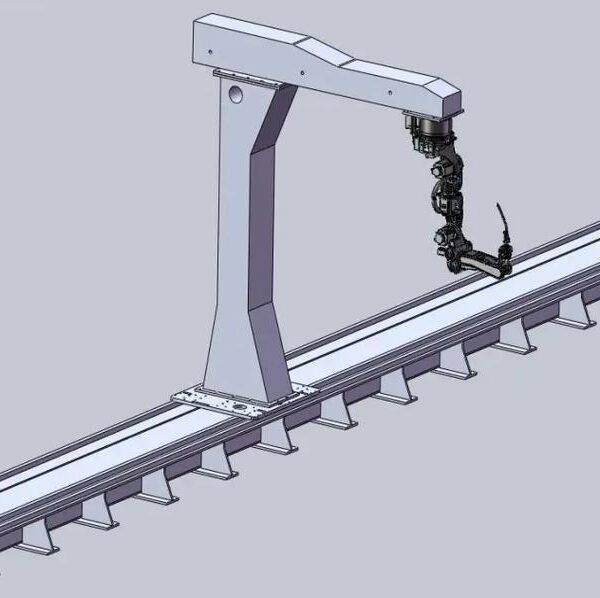

Cantilever Welding Robot solution
-
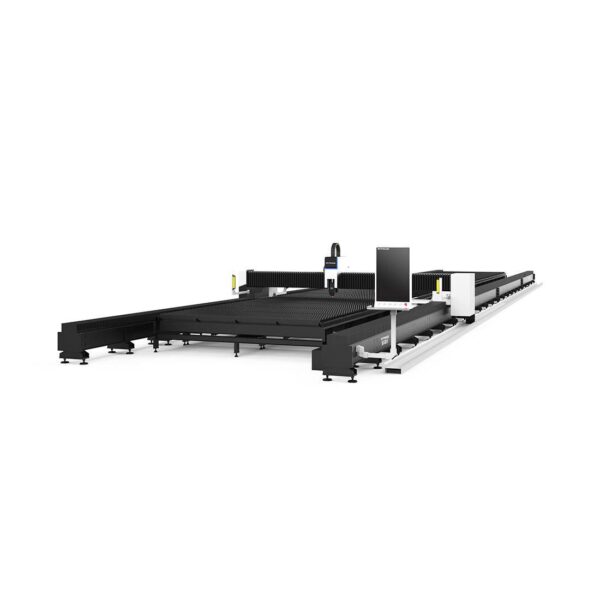

GF laser cutting machine
-
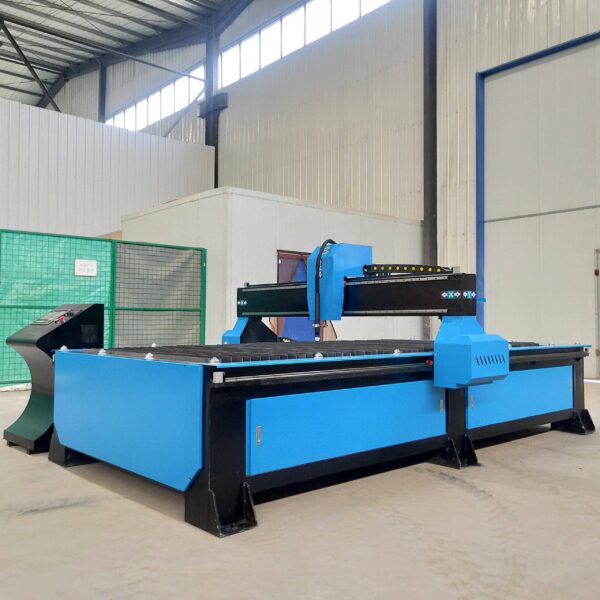
P3015 plasma cutting machine
-

LFP3015 Fiber Laser Cutter
-
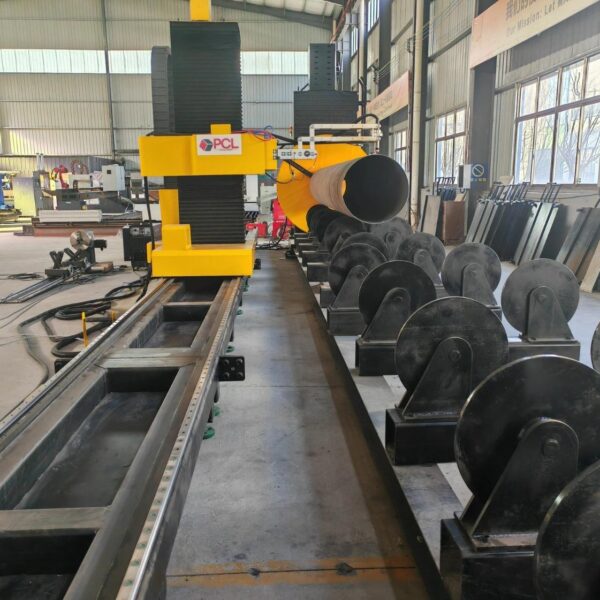
pipe plasma cutting machine
-
LFH 4020 Fiber Laser Cutting Machine
-
LFP4020
-
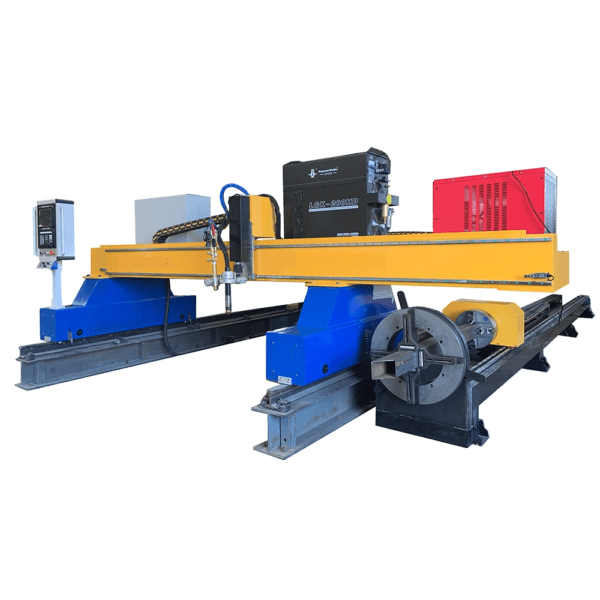
gantry plasma air cutting machine
-
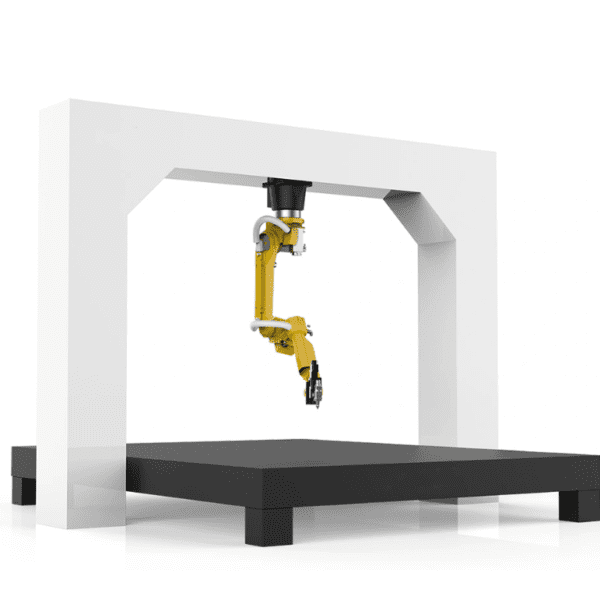
3D robot cutting machine
-
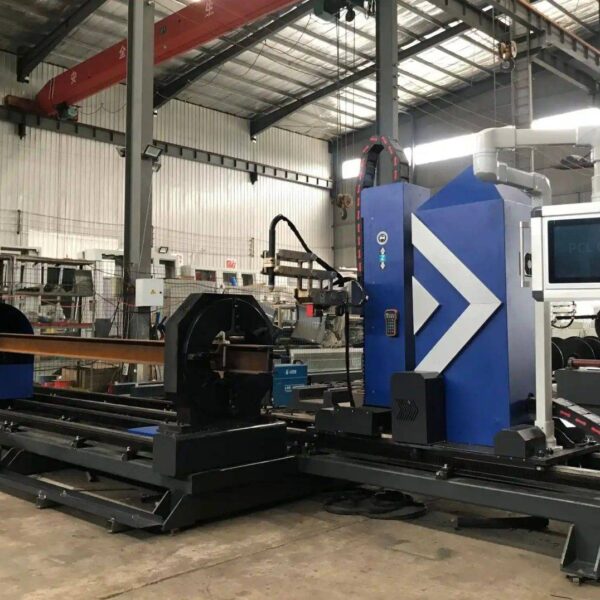
8 axis plasma cutting machine
-
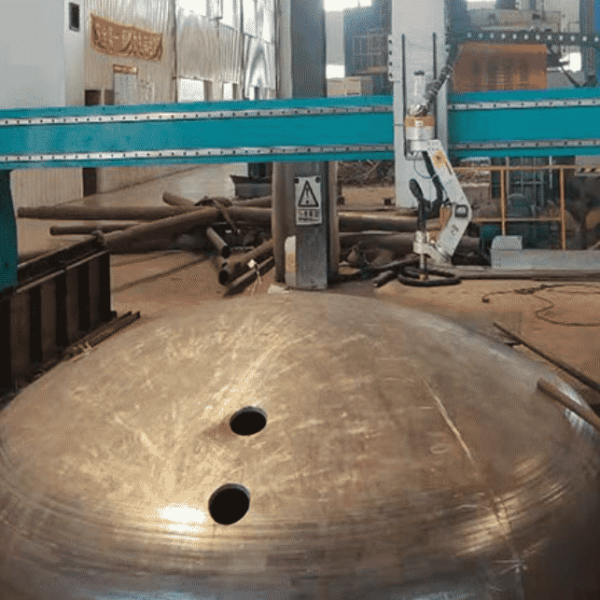
5 axis plasma cutting machine
-

LT360 tube laser cutting machine
-
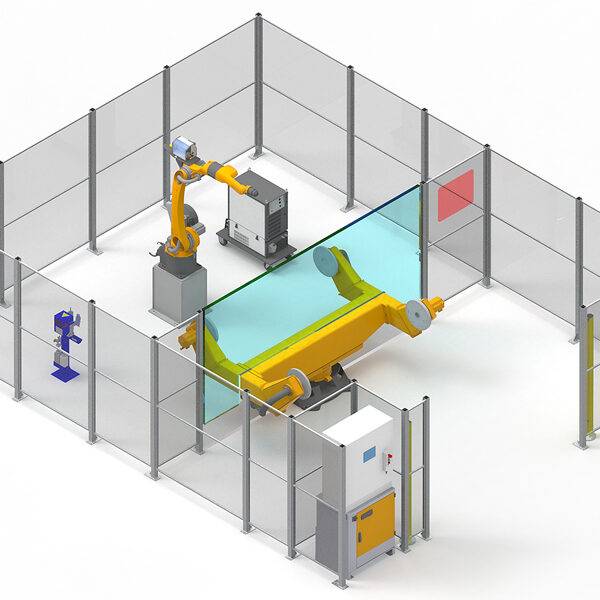
robot welding workstation
-
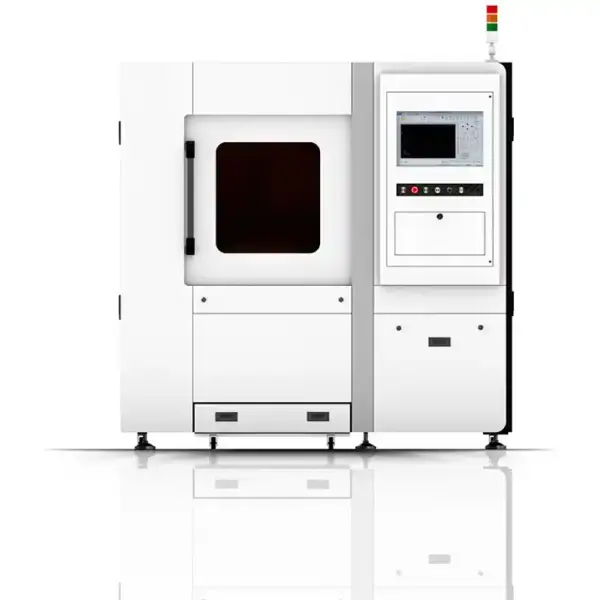
SF6060 fiber laser cutting machine
Advanced Fiber Laser Tube Processing Technology
Our CNC Fiber Laser Tube Cutting systems revolutionize metal fabrication by integrating high-precision cutting, punching, and profiling into a single automated workflow. Designed for versatility, this technology handles a wide array of profiles including Round, Square, Rectangular, and Oval tubes, as well as complex L-shaped and U-shaped channels.
- Precision Punching: High-speed hole punching with micron-level accuracy, eliminating the need for mechanical drilling or die-stamping.
- Complex Profiling: Advanced 3D pathing allows for intricate interlocking joints and specialized notch cuts, ideal for structural frames.
- High Material Efficiency: Intelligent nesting software minimizes scrap, reducing raw material costs across large production runs.
- Clean Finish: Delivers oxide-free, burr-free edges that require zero secondary grinding before welding.

Seamlessly processing multiple profiles with consistent precision.
Global Delivery & Logistics



From our high-tech manufacturing facility directly to your global site. PCL WeldCut ensures secure packaging, professional handling, and reliable international logistics to safeguard your equipment throughout the entire journey.