Field Report: Deployment of High-Speed Hybrid MAG Industrial Laser Welder
Project Overview: Riyadh Industrial City Phase II
This report summarizes the field performance and technical integration of the 12kW Hybrid MAG **Industrial Laser Welder** at the Riyadh structural fabrication facility. The primary objective was to transition from conventional Submerged Arc Welding (SAW) and Flux-Cored Arc Welding (FCAW) to a high-speed hybrid process to meet the accelerated timeline of a multi-story commercial development project.
The site conditions in Riyadh present unique challenges for high-precision **Laser Technology**. During the commissioning phase, ambient temperatures reached 46°C within the workshop, necessitating a rigorous evaluation of the cooling systems and optical path integrity. The focus of this deployment remained squarely on high-volume **Structural Steel welding**, specifically targeting S355JR and S355J2+N plate grades ranging from 8mm to 20mm in thickness.
Technical Synergy: Industrial Laser Welder and Laser Technology
The core of this installation is the synergy between high-energy density **Laser Technology** and the gap-bridging capabilities of Metal Active Gas (MAG) welding. In the Riyadh workshop, we observed that the **Industrial Laser Welder** acts as the primary penetration driver, while the MAG component manages the weld pool chemistry and joint fit-up tolerances.
The Physics of Hybrid Interaction
The **Laser Technology** employed here utilizes a 1070nm fiber delivery system. By positioning the laser beam at the leading edge of the weld pool, we achieve “keyhole” penetration. This allows for a significantly smaller melt volume compared to traditional methods. The MAG arc follows, trailing by 3mm to 5mm. This trailing arc stabilizes the keyhole, reduces the cooling rate to prevent martensite formation in **Structural Steel welding**, and adds filler metal to create a reinforced fillet.
In our Riyadh trials, this synergy allowed for travel speeds of 1.8 meters per minute on 10mm butt joints—a 400% increase over our previous GMAW stations. The **Industrial Laser Welder** minimizes the total heat input, which is critical in the arid Riyadh climate where ambient material temperatures are already elevated, reducing the risk of thermal buckling in large-scale structural members.
Application in Structural Steel Welding
For **Structural Steel welding**, the move to laser-hybrid processes is often hindered by strict joint preparation requirements. However, the integration of the **Industrial Laser Welder** at this site proved that with proper CNC plasma or laser cutting of the base plates, we could maintain the required 0.5mm tolerance.
Joint Configuration and Root Penetration
We focused on single-sided welding of V-groove preparations with a 60-degree included angle and a 3mm land. The **Laser Technology** provides the deep root penetration (up to 8mm in a single pass), while the MAG component fills the remainder of the groove. This eliminated the need for back-gouging—a labor-intensive process that previously slowed our Riyadh operations by 30%.
The resulting weld profiles in these **Structural Steel welding** applications showed a significantly narrowed Heat Affected Zone (HAZ). Hardness testing across the HAZ indicated values below 350 HV, satisfying the project’s metallurgical requirements without the need for post-weld heat treatment (PWHT), which is a major logistical win given the energy costs and shop floor space in Riyadh.
Environmental Challenges and Lessons Learned in Riyadh
Operating an **Industrial Laser Welder** in the Central Province of Saudi Arabia is not the same as operating one in a climate-controlled European lab. We encountered several site-specific hurdles that required immediate engineering pivots.
Thermal Management of Optical Components
The most significant “lesson learned” involved the chiller units. While the **Laser Technology** itself is efficient, the external chillers struggled with the 45°C+ ambient air. We observed “thermal lensing” in the early afternoon shifts, where the focus position of the laser would shift vertically by 2-3mm due to the heating of the protective window.
* **Solution:** We retrofitted the chiller with an oversized heat exchanger and moved the primary cooling unit to a shaded, forced-air ventilated external housing. We also adjusted the internal focal offset parameters in the **Industrial Laser Welder** software to compensate for refractive index changes in the optics during peak heat hours.
Dust Mitigation and Air Quality
Riyadh’s fine particulate dust is the enemy of high-end **Laser Technology**. Even with a positive-pressure welding head, we found microscopic dust ingress on the fiber coupling within the first 72 hours of operation.
* **Solution:** We implemented a “Double-Barrier” protocol. This included an upgraded HEPA filtration system for the cabinet air intake and a strictly enforced cleaning cycle for the protective glass using spectroscopic grade isopropanol every four hours. In **Structural Steel welding**, where heavy grinding is common in adjacent bays, we had to install physical partitions to prevent metallic dust from entering the laser zone.
Process Parameters and Performance Metrics
To provide a clear picture of the **Industrial Laser Welder**’s performance on site, the following parameters were established as the baseline for 12mm S355 structural plate:
1. Laser Parameters
- Power: 8.5 kW (Continuous Wave)
- Spot Size: 0.6 mm
- Focal Position: -3 mm (Below surface)
2. MAG Parameters
- Wire: ER70S-6 (1.2 mm diameter)
- Gas: 82% Ar / 18% CO2
- Wire Feed Speed: 12 m/min
3. Resulting Metrics
- Travel Speed: 1.5 m/min
- Penetration: Full 12 mm (Single pass with backing)
- Defect Rate: <1.5% (Primarily related to start/stop crater cracks, later resolved with current ramping)
Metallurgical Analysis and Quality Assurance
In **Structural Steel welding**, the integrity of the grain structure is paramount. Initial macro-sections showed some porosity at the interface between the laser keyhole and the MAG pool. This was traced back to the high evaporation rate of the galvanized coatings on some of the bracketry.
By leveraging the precision of the **Laser Technology**, we adjusted the “leading” angle of the beam to 5 degrees to allow for better degassing of the melt pool. Subsequent X-ray inspections (RT) of the main girder joints showed zero inclusions. The “Industrial Laser Welder” successfully passed all Charpy V-notch impact tests at -20°C, proving that the high-speed process did not embrittle the S355 steel.
Conclusion and Recommendations
The deployment of the **Industrial Laser Welder** in Riyadh has been a technical success, provided the environmental variables are tightly controlled. The marriage of **Laser Technology** and conventional MAG welding has solved the throughput bottleneck that has historically plagued **Structural Steel welding** in this region.
Key Engineering Recommendations:
- **Climate Integration:** Never spec a standard European cooling package for Riyadh. Always over-spec the chiller by at least 40% of the laser’s thermal load.
- **Maintenance Discipline:** The precision of **Laser Technology** requires a shift in welder mindset. Operators must be trained more as “systems technicians” than traditional stick welders.
- **Upstream QC:** The **Industrial Laser Welder** is only as good as the fit-up. Investment in automated plate tacking and cleaning is mandatory to realize the speed benefits of the laser.
The facility is now on track to complete the structural phase 15 days ahead of schedule. We recommend the rollout of a second **Industrial Laser Welder** unit for the secondary assembly line by Q3, provided the dust mitigation enclosures are pre-installed.
**Signed,**
*Senior Welding Engineer*
*Riyadh Field Operations*
-
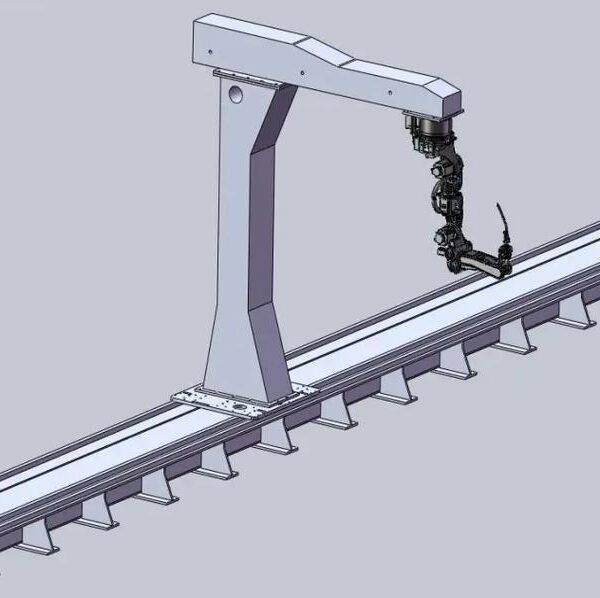

Cantilever Welding Robot solution
-
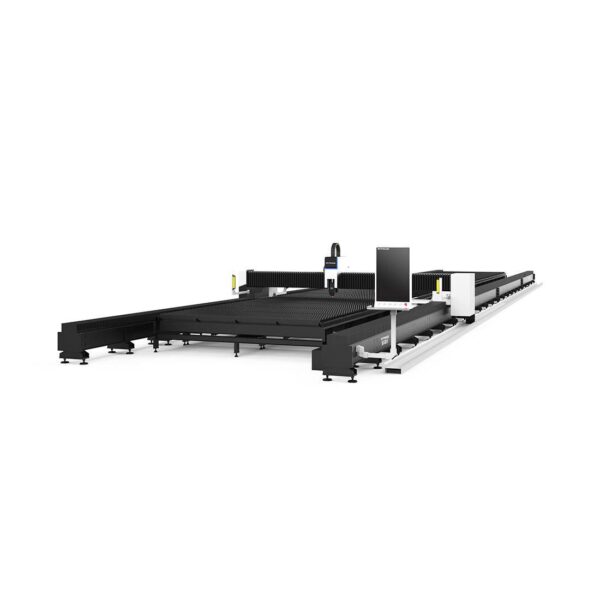

GF laser cutting machine
-
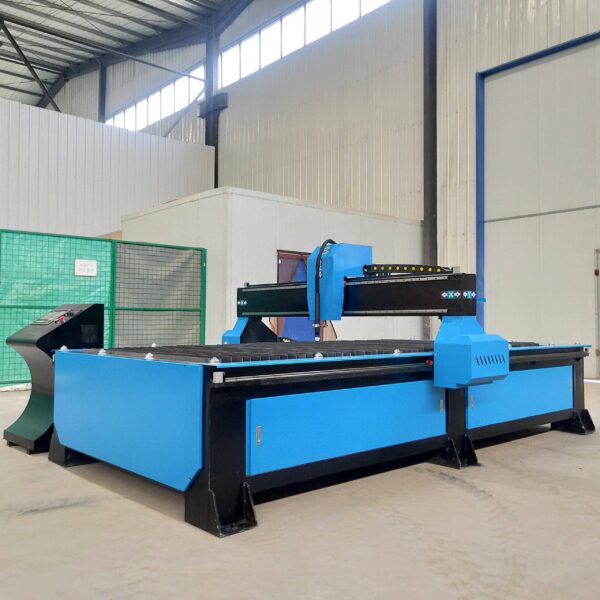
P3015 plasma cutting machine
-

LFP3015 Fiber Laser Cutter
-
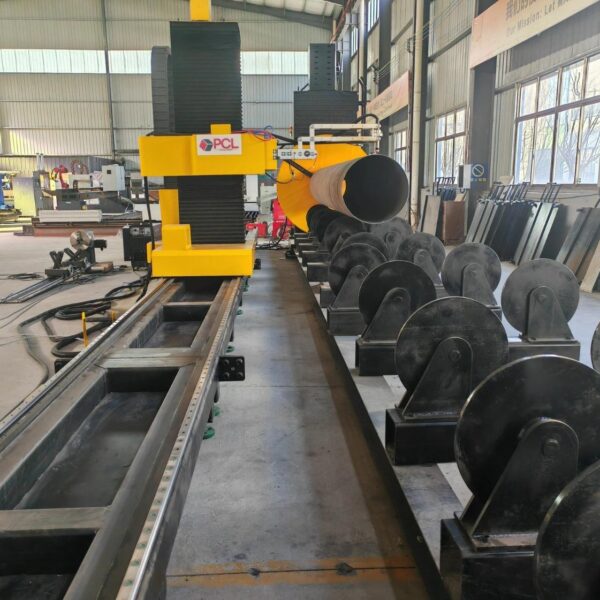
pipe plasma cutting machine
-
LFH 4020 Fiber Laser Cutting Machine
-
LFP4020
-
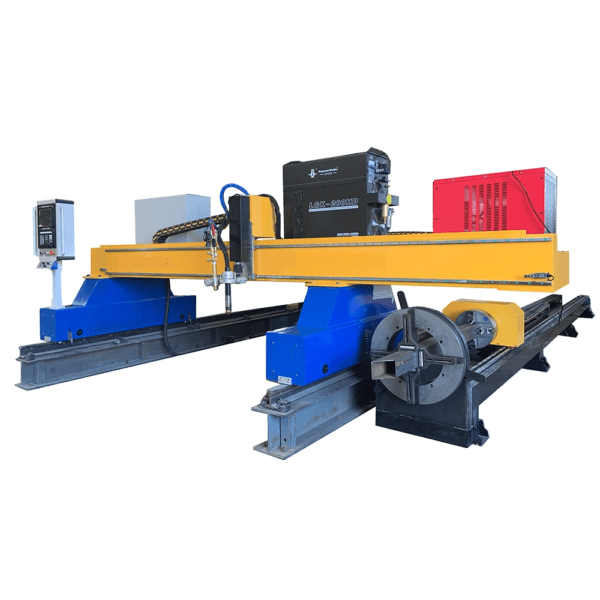
gantry plasma air cutting machine
-
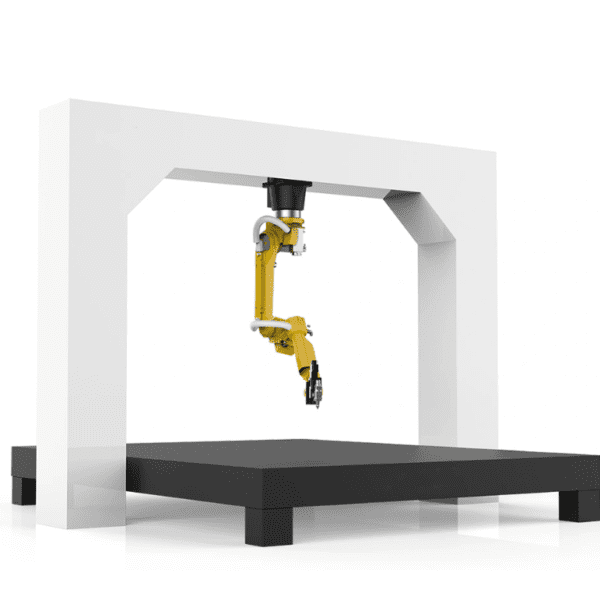
3D robot cutting machine
-
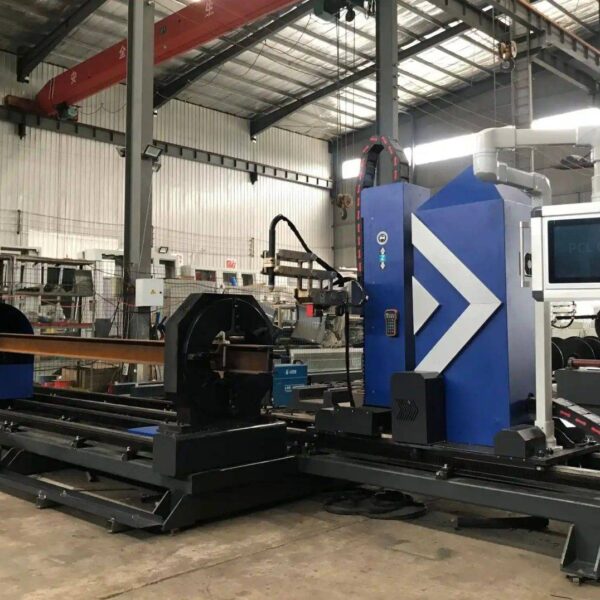
8 axis plasma cutting machine
-
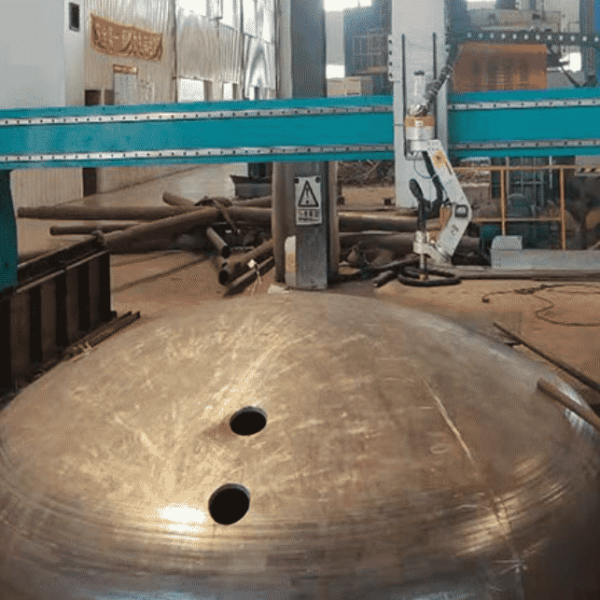
5 axis plasma cutting machine
-

LT360 tube laser cutting machine
-
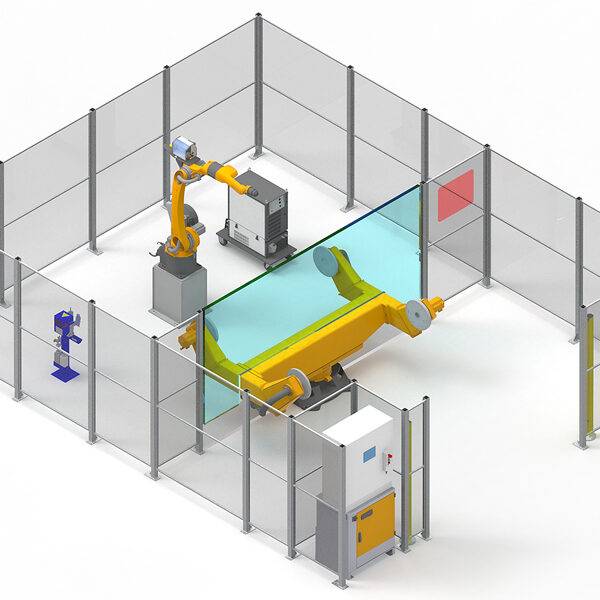
robot welding workstation
-
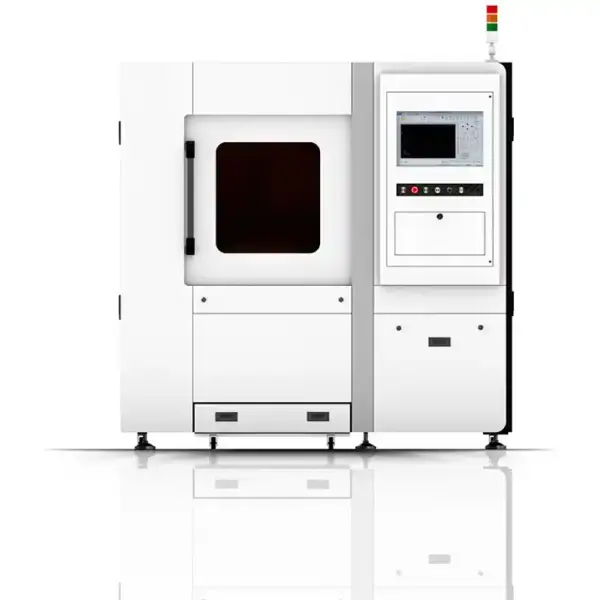
SF6060 fiber laser cutting machine
Advanced Fiber Laser Tube Processing Technology
Our CNC Fiber Laser Tube Cutting systems revolutionize metal fabrication by integrating high-precision cutting, punching, and profiling into a single automated workflow. Designed for versatility, this technology handles a wide array of profiles including Round, Square, Rectangular, and Oval tubes, as well as complex L-shaped and U-shaped channels.
- Precision Punching: High-speed hole punching with micron-level accuracy, eliminating the need for mechanical drilling or die-stamping.
- Complex Profiling: Advanced 3D pathing allows for intricate interlocking joints and specialized notch cuts, ideal for structural frames.
- High Material Efficiency: Intelligent nesting software minimizes scrap, reducing raw material costs across large production runs.
- Clean Finish: Delivers oxide-free, burr-free edges that require zero secondary grinding before welding.

Seamlessly processing multiple profiles with consistent precision.
Global Delivery & Logistics



From our high-tech manufacturing facility directly to your global site. PCL WeldCut ensures secure packaging, professional handling, and reliable international logistics to safeguard your equipment throughout the entire journey.