Field Report: Deployment of High-Speed Automated MAG Welding Cell for Heavy Structural Fabrication
Project Overview and Site Specifics
This report summarizes the commissioning and optimization of a high-speed Automated MAG Welding Cell at a heavy-duty fabrication facility in the Inland Empire, California. The primary objective was to transition from manual Flux-Cored Arc Welding (FCAW) to an automated Metal Active Gas (MAG) process to handle a massive backlog of Thick Plate Steel welding required for seismic-rated bridge girders and building columns. In the California market, where AWS D1.8 (Seismic Supplement) requirements are stringent and labor costs are high, the deployment of integrated Arc Welding Solutions is no longer optional; it is a prerequisite for maintaining throughput and structural compliance.
1. Architecture of the Automated MAG Welding Cell
The core of the installation is a 6-axis industrial robot integrated with a high-capacity positioner. Unlike standard light-gauge MIG setups, this Automated MAG Welding Cell was specifically engineered for high duty cycles. We utilized a 500-amp liquid-cooled power source capable of pulsing at high frequencies to manage the spray transfer transition.
Mechanical and Electrical Integration
The cell utilizes a dual-station “Ferris wheel” positioner, allowing the operator to load one side while the robot executes a multi-pass program on the other. For Thick Plate Steel welding, heat dissipation is a significant factor. We integrated a water-cooled torch body to prevent contact tip recess expansion during continuous 45-minute weld cycles. The wire delivery system uses a bulk drum feed (1,000 lbs) of ER70S-6 wire to minimize downtime, but the real challenge in California’s coastal-influenced humidity was preventing hydrogen embrittlement. We addressed this by installing a climate-controlled feeding cabinet to keep the wire dry and free of surface oxidation.

2. Implementing Advanced Arc Welding Solutions
The “Solution” aspect of this project goes beyond the hardware. We had to develop specific waveforms that balanced penetration depth with travel speed. In the context of Arc Welding Solutions, we moved away from standard CV (Constant Voltage) modes. Standard CV on 1.5-inch plate often results in “cold lap” or lack of fusion at the toes of the weld if the travel speed is pushed too high.
Waveform Optimization and Gas Selection
We implemented a modified pulse-spray waveform. This specific arc solution allows for a shorter arc length and a more directional plasma column, which is essential when navigating the deep grooves of heavy V-butt joints. The gas mixture was standardized at 90% Argon and 10% CO2. While 100% CO2 provides better penetration, it increases spatter—a major bottleneck in automated cells due to nozzle buildup. The 90/10 mix, combined with the Automated MAG Welding Cell‘s ability to maintain a consistent Contact Tip to Work Distance (CTWD), provided the necessary balance: deep penetration into the Thick Plate Steel welding base and a clean, post-weld finish requiring zero grinding.
3. Challenges in Thick Plate Steel Welding
Welding 1-inch to 3-inch thick ASTM A572 Grade 50 steel presents metallurgical challenges that manual welders often struggle to manage consistently. Heat input (Joules/inch) must be monitored to ensure the Heat Affected Zone (HAZ) does not become brittle, which is a critical failure point in California seismic zones.
Managing Interpass Temperatures
In our Thick Plate Steel welding procedures, we programmed the robot to monitor interpass temperatures using an integrated infrared pyrometer. If the plate exceeded 550°F, the Automated MAG Welding Cell would enter a programmed “dwell” state, or move to a different joint to distribute the thermal load. This level of precision is virtually impossible to maintain with manual Arc Welding Solutions over a 10-hour shift. The robot doesn’t get fatigued by the radiant heat of a 400-degree preheated plate; it maintains the same 12-inch-per-minute travel speed regardless of the ambient temperature.
4. The Synergy: Automation Meets Local Compliance
The synergy between the Automated MAG Welding Cell and our customized Arc Welding Solutions is most visible when looking at the ultrasonic testing (UT) pass rates. In California, third-party CWI (Certified Welding Inspector) oversight is rigorous. Manual welding on Thick Plate Steel welding often suffers from “start-stop” defects—porosity or slag inclusions where a welder had to change rods or adjust their stance.
By using an automated solution, we eliminated 95% of these start-stops. The software calculates the wire burn-off rate and compensates for the voltage drop across long cable leads, ensuring the arc remains stable from the beginning of a 6-foot longitudinal seam to the very end. This integration represents a holistic approach where the machine’s repeatability meets the engineer’s process control to satisfy the most demanding structural codes in the USA.
5. Lessons Learned and Engineering Field Notes
During the first three weeks of commissioning, we encountered several “real-world” issues that weren’t in the manuals. These lessons are vital for any senior engineer looking to deploy similar Arc Welding Solutions in a heavy industrial environment.
Lesson A: The “Wire Flip” Phenomenon
When pulling wire from a large bulk drum over a distance of 30 feet to the Automated MAG Welding Cell, the wire develops a torsional “flip.” On Thick Plate Steel welding, where the robot is navigating a tight 60-degree V-groove, a wire that flips even 1mm to the side will miss the root, causing a lack of fusion.
The Fix: We installed a wire straightener with ceramic rollers directly before the drive rolls. This is a mandatory component for any high-precision Arc Welding Solutions setup involving large-diameter wire (0.052″ or 1/16″).
Lesson B: Sensor Interference in High-Amperage Environments
The electromagnetic field generated by welding at 450+ amps was interfering with the robot’s laser touch-sensing. We were getting “Ghost” offsets, where the robot thought the plate had shifted when it hadn’t.
The Fix: We shielded the sensor cables with high-density copper braiding and adjusted the software to perform the “touch-sense” routine only after the gas pre-flow but before arc ignition. This ensured the Thick Plate Steel welding coordinates were locked in while the environment was electronically quiet.
Lesson C: California Power Grid Fluctuations
In our specific California location, we noticed mid-afternoon voltage drops (brownouts) due to the local grid load from neighboring cold-storage facilities. These drops were causing the Automated MAG Welding Cell to throw “Under Voltage” errors, mid-weld.
The Fix: We installed a dedicated line conditioner and power stabilizer for the welding power source. In automation, the “Solution” includes the infrastructure feeding the machine. A manual welder can compensate for a slight drop in arc power by slowing their hand speed; a robot will simply fail the weld or fault out.
Conclusion: Economic and Quality Impact
The transition to the Automated MAG Welding Cell has resulted in a 300% increase in deposition rates compared to manual FCAW. More importantly, the repair rate on Thick Plate Steel welding joints has dropped from 8% (manual) to less than 0.5% (automated).
The implementation of these Arc Welding Solutions has allowed the workshop to take on more complex seismic contracts that were previously too risky due to the high probability of UT failure. In the California fabrication landscape, the ability to document every weld’s heat input and travel speed through the cell’s data-logging software provides a level of QA/QC that is becoming the new industry standard. We are currently looking at a 14-month ROI on this cell, purely based on the reduction in rework and the transition from expensive gas-shielded flux-core wire to more cost-effective solid MAG wire.
Prepared by:
Senior Welding Engineer, Field Operations
California, USA
-
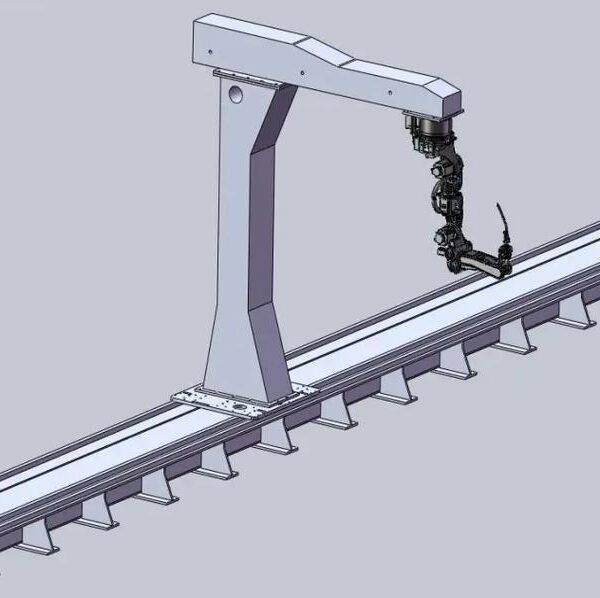

Cantilever Welding Robot solution
-
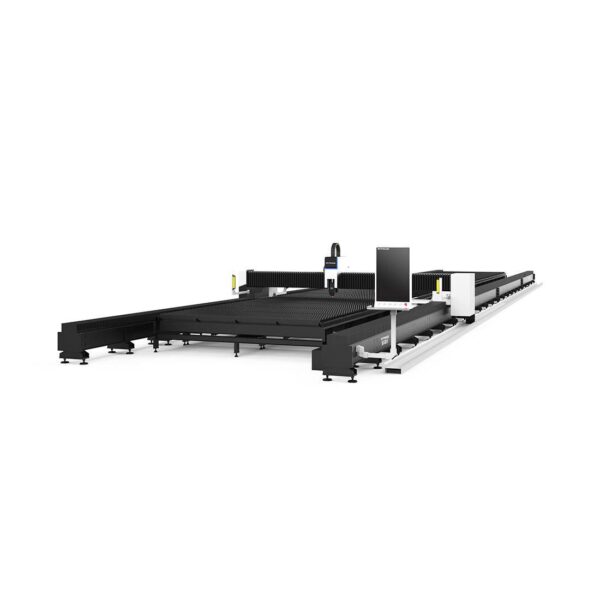

GF laser cutting machine
-
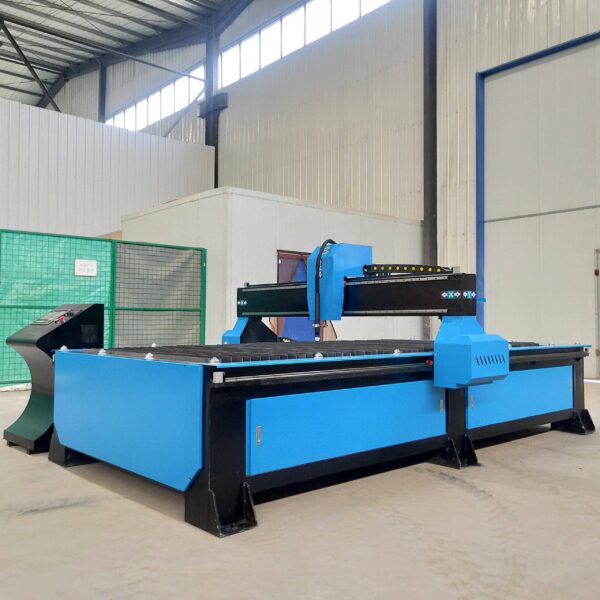
P3015 plasma cutting machine
-

LFP3015 Fiber Laser Cutter
-
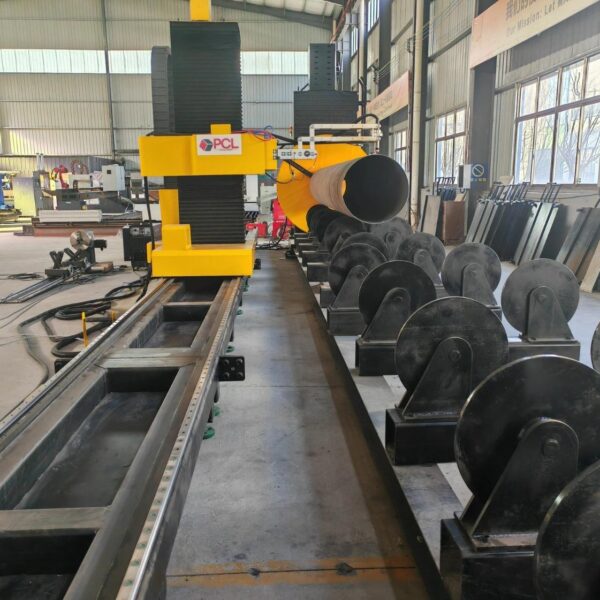
pipe plasma cutting machine
-
LFH 4020 Fiber Laser Cutting Machine
-
LFP4020
-
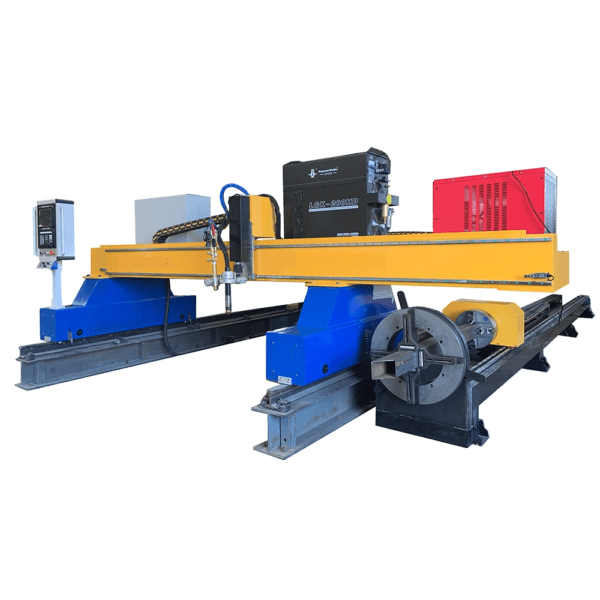
gantry plasma air cutting machine
-
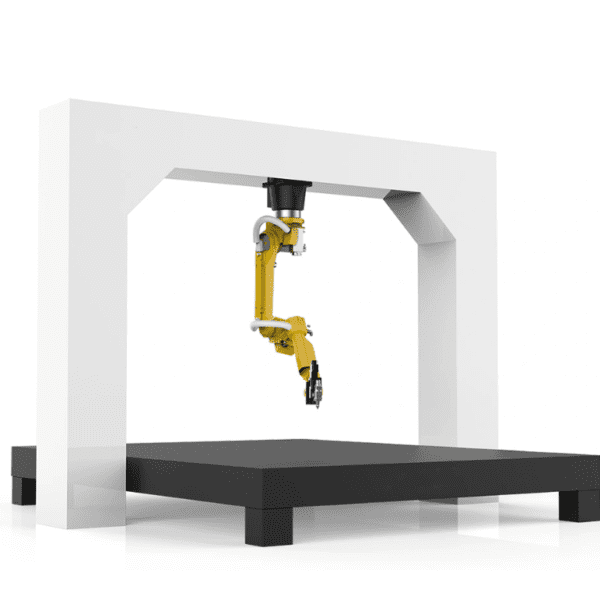
3D robot cutting machine
-
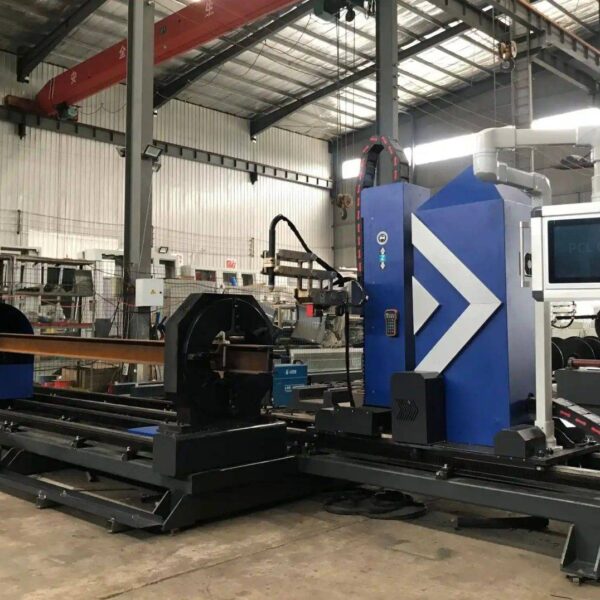
8 axis plasma cutting machine
-
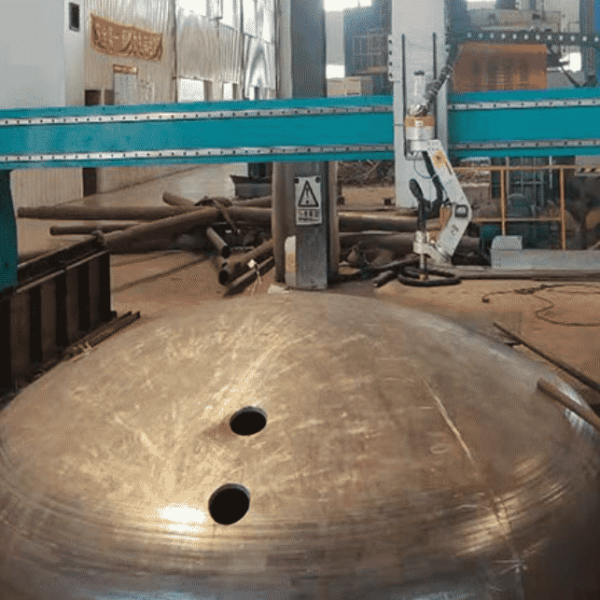
5 axis plasma cutting machine
-

LT360 tube laser cutting machine
-
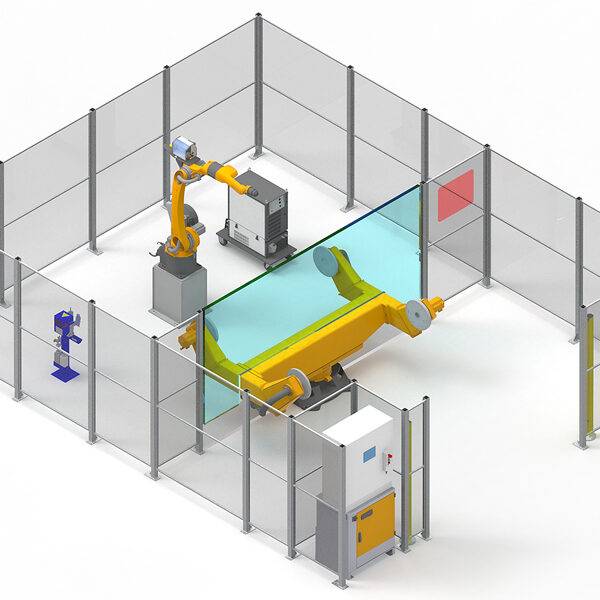
robot welding workstation
-
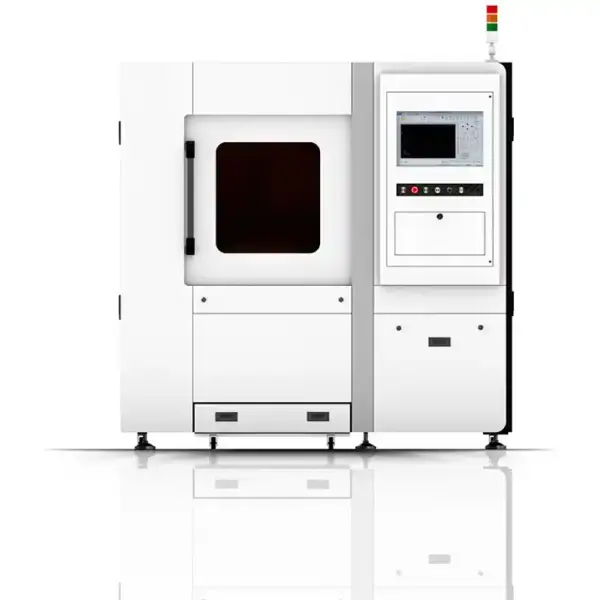
SF6060 fiber laser cutting machine
Advanced Fiber Laser Tube Processing Technology
Our CNC Fiber Laser Tube Cutting systems revolutionize metal fabrication by integrating high-precision cutting, punching, and profiling into a single automated workflow. Designed for versatility, this technology handles a wide array of profiles including Round, Square, Rectangular, and Oval tubes, as well as complex L-shaped and U-shaped channels.
- Precision Punching: High-speed hole punching with micron-level accuracy, eliminating the need for mechanical drilling or die-stamping.
- Complex Profiling: Advanced 3D pathing allows for intricate interlocking joints and specialized notch cuts, ideal for structural frames.
- High Material Efficiency: Intelligent nesting software minimizes scrap, reducing raw material costs across large production runs.
- Clean Finish: Delivers oxide-free, burr-free edges that require zero secondary grinding before welding.

Seamlessly processing multiple profiles with consistent precision.
Global Delivery & Logistics



From our high-tech manufacturing facility directly to your global site. PCL WeldCut ensures secure packaging, professional handling, and reliable international logistics to safeguard your equipment throughout the entire journey.