Field Engineering Report: Implementation of Automated MIG/MAG Welding Robots in Queretaro Automotive Tier-1 Facilities
This report details the technical deployment and optimization of heavy-duty automation systems within the Bajío industrial corridor, specifically focusing on the integration of the MIG/MAG Welding Robot into high-volume production lines. In Queretaro, the shift from manual labor to advanced Arc Welding Solutions is no longer an elective upgrade but a requirement to meet the stringent tolerances demanded by global OEMs for Mild Steel welding.
Site Overview and Environmental Constraints
The Queretaro region presents specific environmental challenges that impact the stability of high-amperage arc processes. During the summer months, ambient shop floor temperatures frequently exceed 35°C with fluctuating humidity. For a MIG/MAG Welding Robot, these conditions necessitate robust cooling systems for the torch neck and power source. We observed that standard air-cooled torches were hitting thermal cutout limits during 80% duty cycle runs on 12mm mild steel plates. Our transition to liquid-cooled Arc Welding Solutions was the first critical pivot to maintain arc stability and wire feed consistency.
Synergy Between the MIG/MAG Welding Robot and Integrated Arc Welding Solutions
The success of this deployment relied on the technical marriage between the robotic manipulator’s path precision and the power source’s software capabilities. A MIG/MAG Welding Robot is essentially a high-precision positioning tool; however, without sophisticated Arc Welding Solutions, it cannot compensate for the inherent variations found in heavy-gauge Mild Steel welding.
Advanced Waveform Control
For the chassis components processed at this site, we utilized Pulse-Spray transfer modes. The synergy here involves the robot’s controller communicating in real-time with the power source to adjust the waveform based on the robot’s TCP (Tool Center Point) velocity. When the MIG/MAG Welding Robot negotiates a tight radius on a mild steel bracket, the Arc Welding Solutions package automatically throttles the wire feed speed and peak current to prevent burn-through or excessive convexity. This level of synchronization is what separates industrial-grade automation from basic mechanized welding.
Seam Tracking and Adaptive Sensing
Mild steel, while forgiving in manual applications, presents “spring-back” issues after stamping. In the Queretaro facility, we found that part fit-up varied by as much as ±1.5mm. By implementing TAST (Through-Arc Seam Tracking), the MIG/MAG Welding Robot monitors the secondary current during the weave. This allows the system to shift its path dynamically. This specific application of Arc Welding Solutions reduced our scrap rate on Mild Steel welding from 4.2% to under 0.5% within the first three months of operation.

Technical Deep-Dive: Mild Steel Welding Parameters and Metallurgy
The primary material used in this project is ASTM A36 and S355 structural mild steel. While Mild Steel welding is often considered “entry-level,” the mechanical requirements for heavy-duty industrial frames require strict adherence to penetration profiles and Heat Affected Zone (HAZ) management.
Wire and Gas Selection
We standardized on an ER70S-6 solid wire (1.2mm diameter). The gas mixture was a critical variable. While 100% CO2 is cost-effective in the Mexican market, it produced excessive spatter that fouled the robot’s nozzle cleaning station too quickly. We shifted to an 82% Argon / 18% CO2 blend. This transition improved the arc characteristics of the MIG/MAG Welding Robot, providing a more stable plasma column and deeper finger penetration into the root of the fillet welds.
Heat Input Management
Excessive heat input on Mild Steel welding leads to grain coarsening and reduced impact toughness. Our Arc Welding Solutions included “Low Heat Input” (LHI) modes for the thinner 3mm gussets attached to the main 10mm beams. By pulsing the current, the MIG/MAG Welding Robot maintained a travel speed of 65 cm/min while keeping the HAZ localized, preventing the warping of the frame geometry.
Practical Application: Lessons Learned from the Queretaro Shop Floor
After six months of overseeing the integration of MIG/MAG Welding Robots in the Bajío region, several “hard-won” lessons have emerged that aren’t found in the equipment manuals.
1. The “Grounding” Fallacy
One of the most frequent points of failure in Queretaro’s heavy-duty setups was improper work-piece grounding. Because the MIG/MAG Welding Robot operates at high duty cycles, the rotary grounds on the positioners often overheated. We learned that the “Arc Welding Solution” isn’t just about the software—it’s about the electrical circuit. We had to install dual-redundant copper brushes on all rotating jigs to prevent arc hunting and “ghost” errors in the robot’s feedback loop.
2. Consumable Lifecycle Management
In high-volume Mild Steel welding, the contact tip is the most exploited component. We noticed that local operators were trying to extend tip life to save costs, leading to “keyholing” of the tip orifice. This caused wire wander, which rendered the MIG/MAG Welding Robot‘s precision useless. We implemented a mandatory tip change every 200 meters of weld, regardless of perceived condition. This standardized the electrical stick-out and ensured the Arc Welding Solutions functioned within their calibrated window.
3. Spatter Mitigation and Nozzle Maintenance
Even with optimized gas, Mild Steel welding generates spatter. The integration of an automated reamer station is non-negotiable. However, we learned that the timing of the cleaning cycle is vital. Cleaning too frequently wastes cycle time; cleaning too rarely leads to gas turbulence and porosity. We tuned the MIG/MAG Welding Robot to perform a “quick blast” of anti-spatter fluid every 5 cycles and a full ream every 20 cycles. This kept the Arc Welding Solutions operating with laminar gas flow, critical for X-ray quality welds.
Integration of Local Workforce and Technical Culture
A significant portion of my time in Queretaro was spent bridging the gap between traditional welding knowledge and robotic programming. The local welders have an intuitive “feel” for Mild Steel welding. Translating that into the digital parameters of a MIG/MAG Welding Robot requires a specific training approach.
From Welder to Robot Technician
We found that the most successful operators were those who understood the puddle dynamics first. By showing them how the Arc Welding Solutions (like arc trim and inductance) mirror what they used to do with their hands, we reduced the “fear of the machine.” In Queretaro, the technical schools are producing excellent candidates, but they lack field experience in heavy-duty deposition. Our onsite mentorship focused on “reading the weld” produced by the robot to diagnose gas coverage issues or wire slip before the sensors even tripped an alarm.
Data-Driven Results and ROI
The deployment of the MIG/MAG Welding Robot fleet has yielded measurable improvements in the Queretaro facility:
- Throughput: Production increased by 45% compared to the manual lines.
- Consumable Efficiency: Wire waste was reduced by 12% due to precise start/stop triggers and lack of “over-welding” (a common issue with manual operators compensating for poor fit-up).
- Quality Assurance: UT (Ultrasonic Testing) failure rates on critical joints fell from 8% to less than 1%.
Conclusion for the Senior Engineering Board
The implementation of MIG/MAG Welding Robots in the Queretaro sector demonstrates that the hardware is only half the battle. The true value lies in the Arc Welding Solutions—the seam tracking, the waveform manipulation, and the adaptive feedback loops—that allow for consistent, high-quality Mild Steel welding in a demanding industrial environment. Future deployments should prioritize liquid-cooled systems and redundant grounding as standard specifications to mitigate the thermal and electrical stresses observed in this region. We have established a robust baseline; the next phase involves the integration of “Cloud” data monitoring to predict component failure before it stops the line.
-
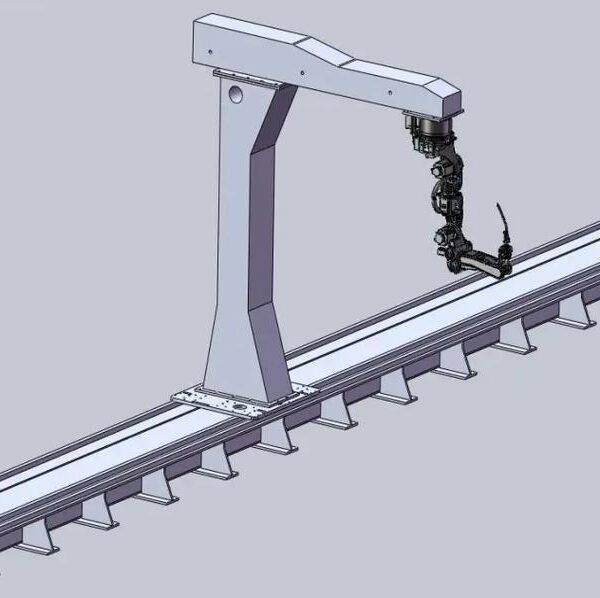

Cantilever Welding Robot solution
-
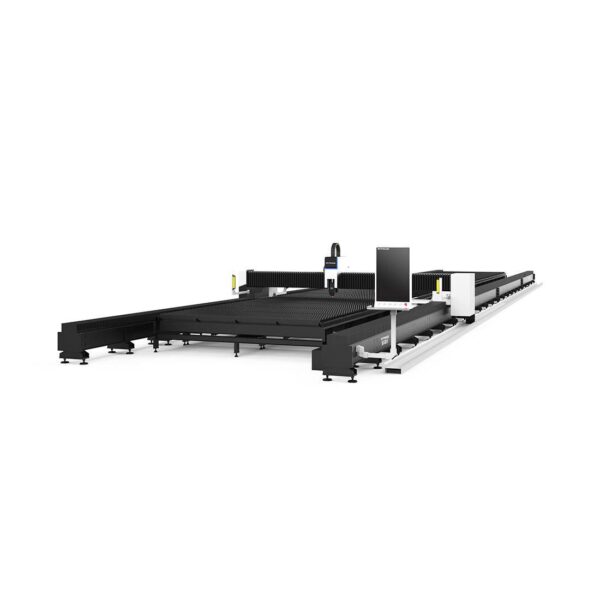

GF laser cutting machine
-
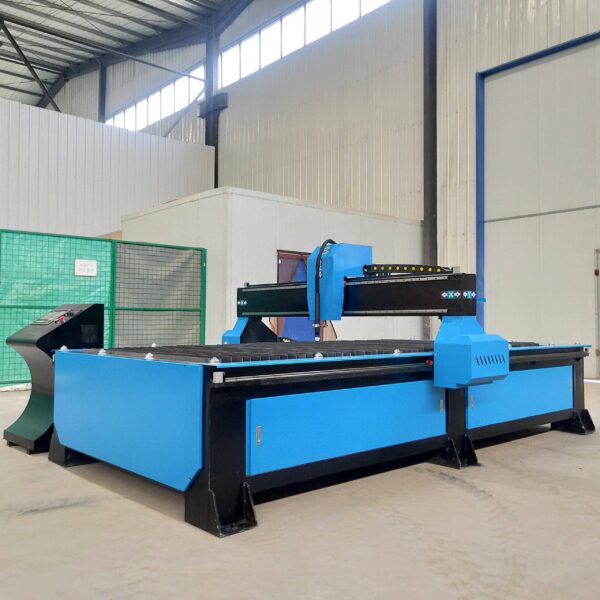
P3015 plasma cutting machine
-

LFP3015 Fiber Laser Cutter
-
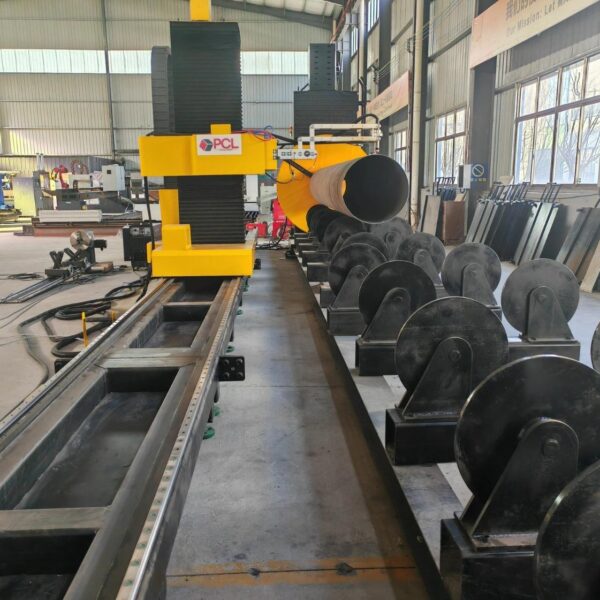
pipe plasma cutting machine
-
LFH 4020 Fiber Laser Cutting Machine
-
LFP4020
-
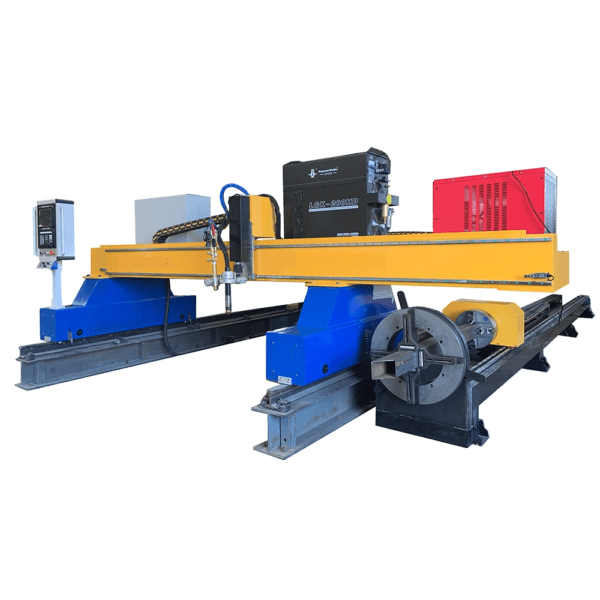
gantry plasma air cutting machine
-
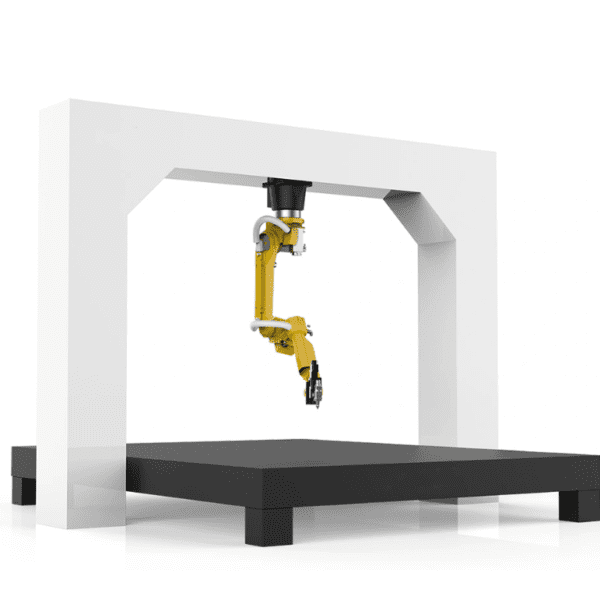
3D robot cutting machine
-
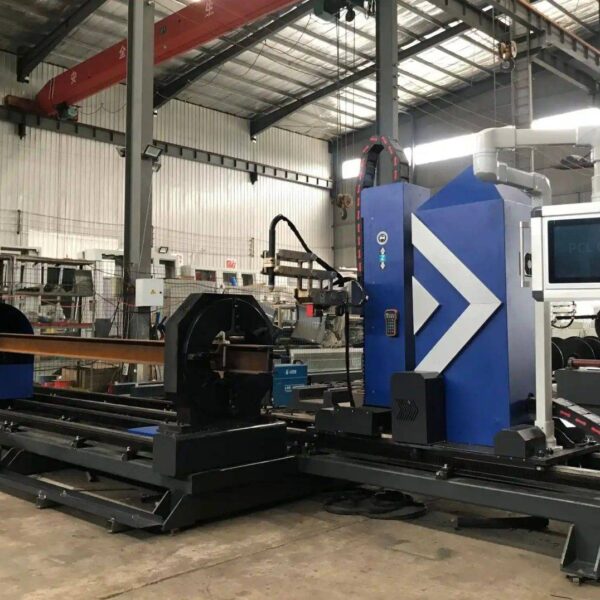
8 axis plasma cutting machine
-
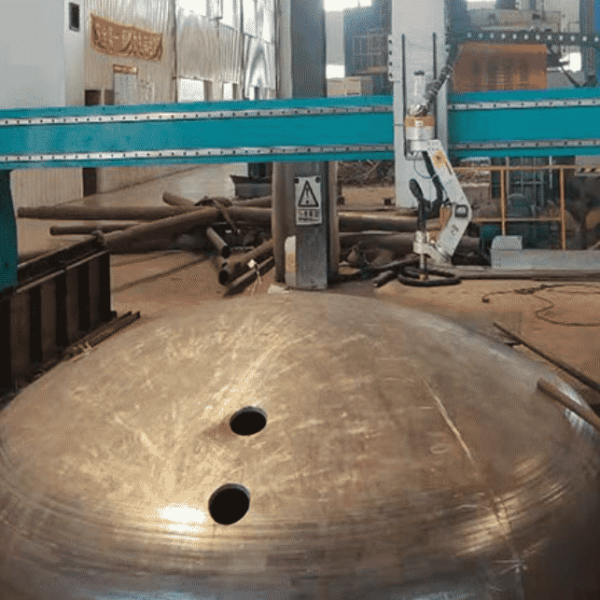
5 axis plasma cutting machine
-

LT360 tube laser cutting machine
-
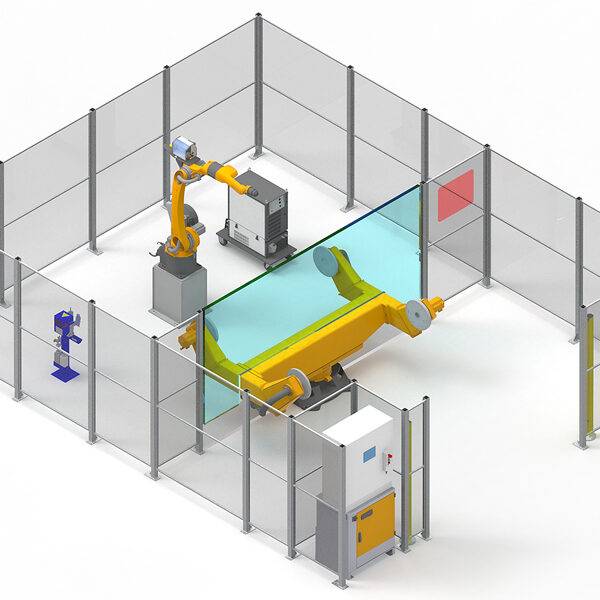
robot welding workstation
-
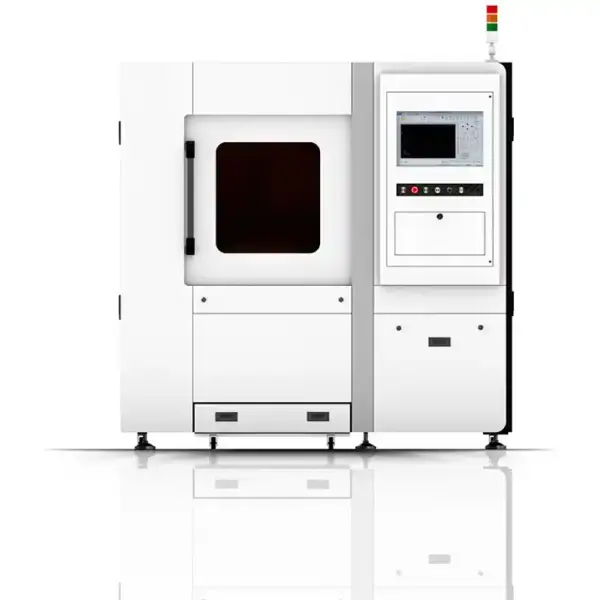
SF6060 fiber laser cutting machine
Advanced Fiber Laser Tube Processing Technology
Our CNC Fiber Laser Tube Cutting systems revolutionize metal fabrication by integrating high-precision cutting, punching, and profiling into a single automated workflow. Designed for versatility, this technology handles a wide array of profiles including Round, Square, Rectangular, and Oval tubes, as well as complex L-shaped and U-shaped channels.
- Precision Punching: High-speed hole punching with micron-level accuracy, eliminating the need for mechanical drilling or die-stamping.
- Complex Profiling: Advanced 3D pathing allows for intricate interlocking joints and specialized notch cuts, ideal for structural frames.
- High Material Efficiency: Intelligent nesting software minimizes scrap, reducing raw material costs across large production runs.
- Clean Finish: Delivers oxide-free, burr-free edges that require zero secondary grinding before welding.

Seamlessly processing multiple profiles with consistent precision.
Global Delivery & Logistics



From our high-tech manufacturing facility directly to your global site. PCL WeldCut ensures secure packaging, professional handling, and reliable international logistics to safeguard your equipment throughout the entire journey.