Field Engineering Report: Integration of All-in-one Cobot Station for Copper Fabrication
Location: Industrial Zone, Prague, Czech Republic
1. Executive Summary of Field Observations
This report details the technical deployment and operational validation of the All-in-one Cobot Station at our Prague-based heavy manufacturing facility. The objective was to transition high-thermal-conductivity Copper Components welding from manual TIG processes to an automated framework utilizing Collaborative Robotics. Over a 14-day evaluation period, the station demonstrated a significant reduction in rework rates. However, the unique metallurgical properties of copper required specific modifications to the standard cobot duty cycles and shielding gas delivery systems. The synergy between the integrated hardware and the collaborative software has proven essential for maintaining the tight tolerances required in the Czech energy sector supply chain.
2. Technical Infrastructure: The All-in-one Cobot Station
The All-in-one Cobot Station deployed in Prague is a self-contained unit featuring a 6-axis robotic arm, an integrated 400A pulse-capable power source, and a modular welding table with built-in fume extraction. Unlike traditional industrial robots that require extensive safety perimeters and floor-bolted cages, this station utilizes a compact footprint designed for the high-density floor plan of our Prague workshop.
2.1 Hardware Integration and Power Requirements
The “All-in-one” designation is critical here. In previous iterations, we struggled with communication latency between third-party power sources and robotic controllers. This integrated station houses the inverter directly within the base, utilizing a high-speed EtherCAT interface. For Copper Components welding, this is non-negotiable. Copper’s thermal conductivity (approx. 390 W/m·K) necessitates an immediate, high-energy arc start to prevent “cold lapping.” The station’s ability to synchronize the wire feed speed with a rapid amperage ramp-up—controlled directly through the cobot’s teach pendant—eliminated the fusion defects common in our earlier modular setups.
2.2 Collaborative Safety Protocols
Operating in a shared workspace in Prague, we adhered to EN ISO 10218-1 and ISO/TS 15066 standards. The Collaborative Robotics element allows our senior welders to stand adjacent to the arc during the initial “tack and check” phase. We configured the torque sensors in the cobot joints to trigger a Category 0 stop upon sensing a resistance of 120N. This allows the operator to remain in the cell to manage the jigging of heavy copper plates without the downtime associated with resetting light curtains or safety gates.
3. Synergy: Collaborative Robotics in High-Precision Environments
The real-world synergy between an All-in-one Cobot Station and Collaborative Robotics is best observed during the “Lead-Through Programming” phase. In our Prague facility, we deal with high-mix, low-volume (HMLV) production. Programming a traditional robot for a 10-unit run of copper heat sinks is economically unfeasible.
3.1 The “Human-in-the-Loop” Factor
By utilizing collaborative features, our lead engineer can physically move the robot arm to the weld start point, record the path, and set parameters via a touch-screen interface. This “lead-through” capability reduces programming time from hours to minutes. In the context of the Prague workshop, this means the station can switch from welding 10mm copper busbars to 3mm copper tubing in under fifteen minutes. The station isn’t just a tool; it functions as a “force multiplier” for the skilled welder.
4. Deep Dive: Copper Components Welding Challenges
Welding copper is notoriously difficult due to its high reflectivity and thermal dissipation. Our field tests in Prague focused on two specific challenges: gas shielding integrity and sustained thermal input.
4.1 Overcoming Thermal Dissipation
When welding Copper Components welding, the heat sink effect is massive. We implemented a localized preheat protocol using the station’s integrated induction heating module. The Collaborative Robotics system was programmed to pause at specific intervals to allow for interpass temperature checks. Lessons learned from the first week showed that without an integrated “All-in-one” control, the robot would often continue the path while the copper base material had cooled below the optimal fusion temperature, leading to porosity. We updated the logic to include a feedback loop from an infrared temperature sensor back to the cobot controller.
4.2 Shielding Gas Dynamics
Copper is highly susceptible to oxidation at elevated temperatures. We utilized a 70% Helium / 30% Argon mix to increase the arc energy density. The All-in-one Cobot Station features a dual-stage gas regulator that allows the cobot to increase flow during the “crater fill” portion of the weld. This level of granular control is what separates this station from a standard robotic arm bolted to a table. The integration ensures that the gas pre-flow and post-flow are perfectly timed with the arm’s movement, preventing the “greying” of the copper bead.
5. Lessons Learned and Practical Adjustments
No deployment is without friction. Our time in Prague highlighted several critical “field-fix” requirements that should be standardized for all future All-in-one Cobot Station rollouts.
5.1 Grounding and HF Interference
Copper welding requires high-frequency (HF) starts in TIG mode or high-energy pulsing in MIG mode. We initially experienced “ghosting” on the cobot’s touch interface.
Lesson Learned: The station must have a dedicated copper-to-copper common ground. Relying on the steel frame of the station for grounding caused enough electromagnetic interference (EMI) to trip the collaborative safety sensors. We solved this by installing a secondary grounding strap directly from the workpiece jig to the power source’s ground bus.
5.2 Wire Feed Consistency
Copper wire is soft. The Collaborative Robotics arm often undergoes complex maneuvers that can kink the liner.
Lesson Learned: We switched to a push-pull torch system integrated into the cobot’s end-of-arm tooling (EOAT). The All-in-one Cobot Station software had to be recalibrated to compensate for the additional weight of the push-pull motor, as the collaborative sensors initially flagged the extra mass as a “collision.”
5.3 Spatter Management
While pulse-MIG is cleaner than standard globular transfer, copper spatter is “sticky” and highly conductive.
Lesson Learned: In the Prague facility, we found that copper particulates were accumulating on the cobot’s optical sensors used for workspace monitoring. We installed a positive-pressure air curtain around the sensor heads, which is powered by the station’s internal pneumatic line. This keeps the collaborative “eyes” clear without manual cleaning every shift.
6. Productivity Data and ROI Analysis
Prior to the installation of the All-in-one Cobot Station, a standard copper busbar assembly took 45 minutes to weld manually, with a 12% rejection rate due to internal porosity (verified via X-ray).
Current Metrics:
- Cycle Time: 22 minutes (51% reduction).
- Defect Rate: < 2% (primarily due to consistent travel speed and gas coverage).
- Operator Fatigue: Significant reduction. The welder now acts as a cell supervisor, managing two stations simultaneously.
7. Conclusion for Senior Management
The deployment in Prague, Czech Republic, confirms that the All-in-one Cobot Station is the correct path for modernizing copper fabrication. The synergy between Collaborative Robotics and high-end welding power sources addresses the two biggest hurdles in the industry: the shortage of elite manual welders and the technical difficulty of Copper Components welding.
Moving forward, we recommend the Prague site transition all electrical component lines to this station format. The “lessons learned” regarding EMI grounding and air curtains for sensors have been documented in the global SOP. This is not just an automation upgrade; it is a fundamental shift in how we handle high-thermal-conductivity materials in a high-mix environment. The station has proven that collaborative systems are no longer just for light assembly—they are now ready for the heavy-duty demands of industrial welding.
End of Report.
Lead Welding Engineer, Field Operations.
-
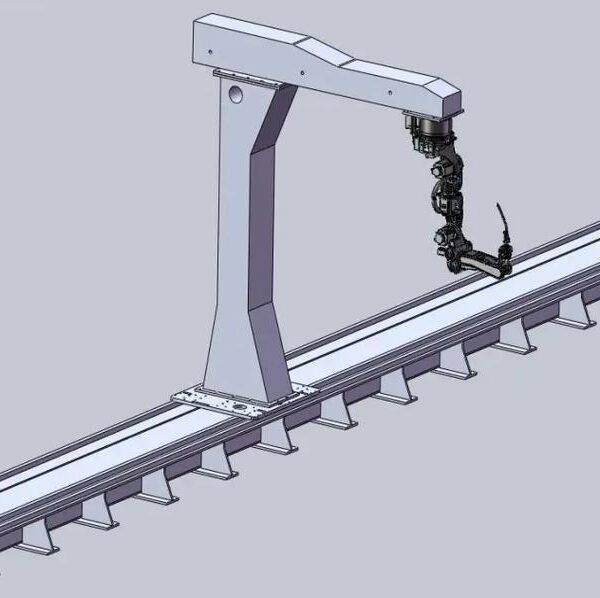

Cantilever Welding Robot solution
-
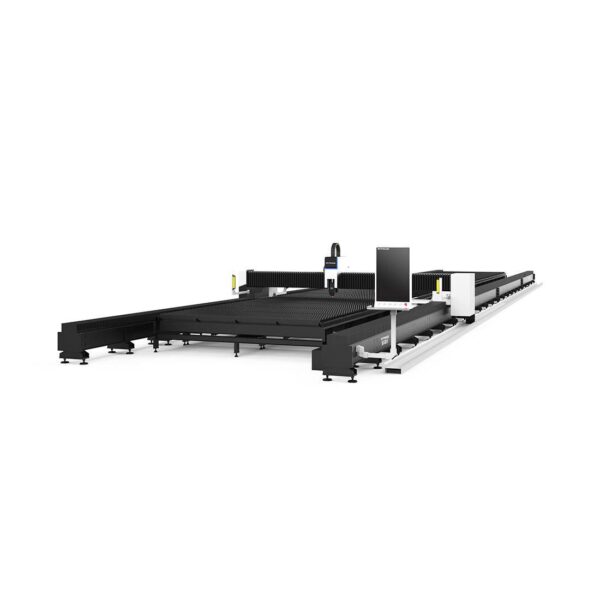

GF laser cutting machine
-
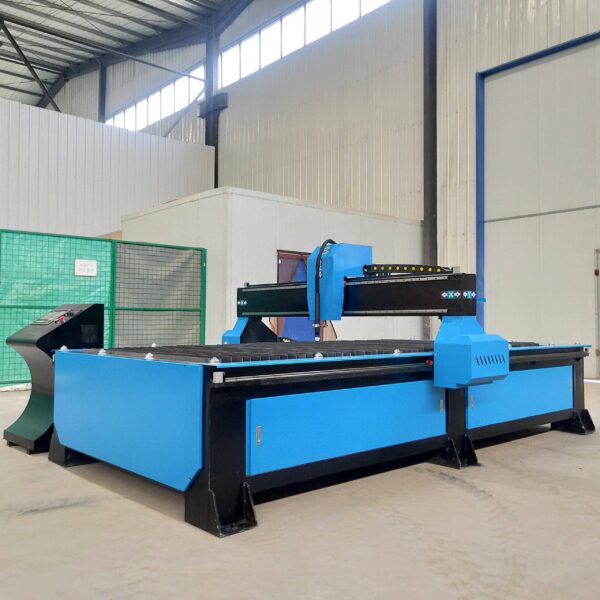
P3015 plasma cutting machine
-

LFP3015 Fiber Laser Cutter
-
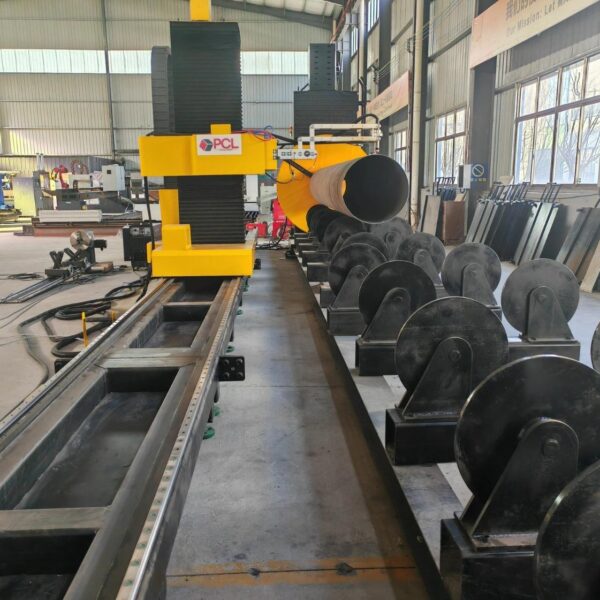
pipe plasma cutting machine
-
LFH 4020 Fiber Laser Cutting Machine
-
LFP4020
-
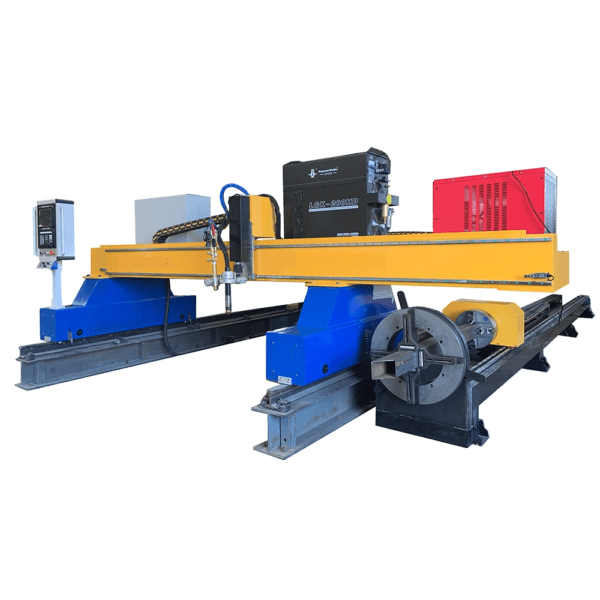
gantry plasma air cutting machine
-
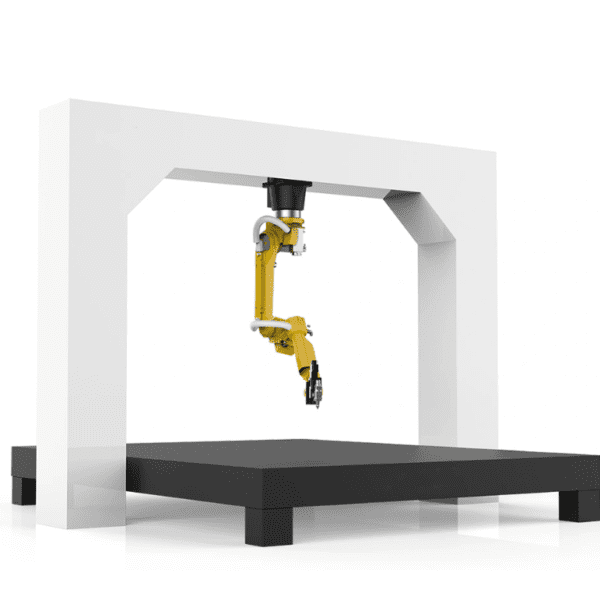
3D robot cutting machine
-
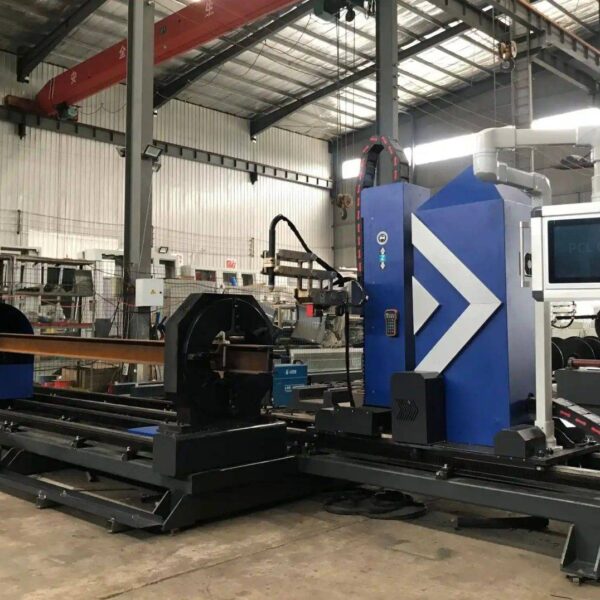
8 axis plasma cutting machine
-
5 axis plasma cutting machine
-

LT360 tube laser cutting machine
-
robot welding workstation
-
SF6060 fiber laser cutting machine
Advanced Fiber Laser Tube Processing Technology
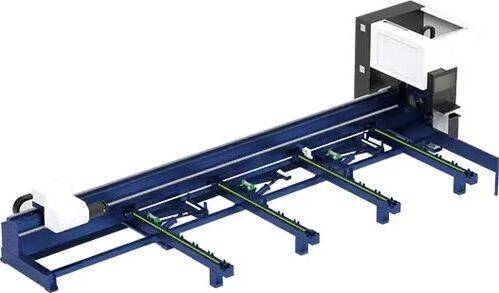
Our CNC Fiber Laser Tube Cutting systems revolutionize metal fabrication by integrating high-precision cutting, punching, and profiling into a single automated workflow. Designed for versatility, this technology handles a wide array of profiles including Round, Square, Rectangular, and Oval tubes, as well as complex L-shaped and U-shaped channels.
- Precision Punching: High-speed hole punching with micron-level accuracy, eliminating the need for mechanical drilling or die-stamping.
- Complex Profiling: Advanced 3D pathing allows for intricate interlocking joints and specialized notch cuts, ideal for structural frames.
- High Material Efficiency: Intelligent nesting software minimizes scrap, reducing raw material costs across large production runs.
- Clean Finish: Delivers oxide-free, burr-free edges that require zero secondary grinding before welding.

Seamlessly processing multiple profiles with consistent precision.
Global Delivery & Logistics



From our high-tech manufacturing facility directly to your global site. PCL WeldCut ensures secure packaging, professional handling, and reliable international logistics to safeguard your equipment throughout the entire journey.