Field Engineering Report: Deployment of Heavy-Duty All-in-one Cobot Station
Site Location: Nilüfer Industrial Zone, Bursa, Turkey
Date: October 24, 2023
This report details the technical integration and performance evaluation of the newly deployed All-in-one Cobot Station at a Tier-1 automotive components facility in Bursa. The primary objective was to transition a high-volume assembly line from manual GMAW (Gas Metal Arc Welding) to automated processes, specifically targeting thin metal sheet welding of 1.2mm to 2.0mm galvanized steel housings. In the context of Bursa’s competitive industrial landscape, the synergy between Collaborative Robotics and integrated hardware is no longer a luxury—it is a production necessity.
1. The Rationale for the All-in-one Cobot Station in the Bursa Cluster
Bursa serves as the heartbeat of the Turkish automotive sector. The facility in question faced two major bottlenecks: a shortage of high-precision manual welders and a floor space deficit. Traditional industrial robot cells require extensive safety fencing, light curtains, and a massive footprint. By selecting a heavy-duty All-in-one Cobot Station, we bypassed these spatial constraints.
The “All-in-one” designation is critical here. Unlike modular setups where the power source, water cooler, and controller are scattered, this station houses the entire ecosystem—including the 6-axis arm, the pulsed power source, and the fume extraction interface—within a single, mobile skid. For the Bursa plant, this meant we moved from unboxing to the first arc-on in less than six hours.
2. Collaborative Robotics: Beyond Safety Fencing
The core of this deployment rests on the philosophy of collaborative robotics. In this specific application, “collaborative” does not merely mean the robot stops upon contact; it refers to the interface between the “Usta” (the master welder) and the machine. We utilized lead-through programming, where the senior welder physically guides the cobot arm along the weld path of the thin metal sheet components.
Lesson Learned: We initially underestimated the skepticism of the local workforce. However, the collaborative nature of the station allowed the welders to treat the cobot as a high-precision tool rather than a replacement. By using the hand-guiding function to set the Tool Center Point (TCP), we reduced the programming time for complex 3D stitch welds by 70% compared to traditional pendant coding.
3. Technical Challenges in Thin Metal Sheet Welding
Thin metal sheet welding (1.2mm – 1.5mm) is notoriously difficult due to the narrow window between insufficient penetration and burn-through. In Bursa, the ambient humidity and the specific zinc-coating thickness of the locally sourced steel added variables to the arc stability.

Heat Input Control
The primary technical hurdle was thermal distortion. Manual welding at this site resulted in a 15% scrap rate due to warping. The All-in-one Cobot Station addressed this through integrated pulsed-MIG waveforms. By synchronizing the wire feed speed with the pulse frequency, the collaborative robotics system maintained a consistent “cold” arc, minimizing the Heat Affected Zone (HAZ).
Gap Bridging
In real-world field conditions, fit-up is rarely perfect. We encountered gaps up to 0.8mm on 1.2mm sheets. Manual welders usually compensate by “weaving,” which increases heat and distortion. We programmed the cobot with a high-frequency linear weave pattern, impossible to replicate manually with such consistency. This allowed us to bridge gaps without blowing through the root.
4. Integration Synergy: The “All-in-one” Advantage
The synergy between the All-in-one Cobot Station and collaborative robotics is most evident in the communication speed between the arm and the power source. In a fragmented setup, there is often a millisecond lag in the “arc start” signal, which, in thin metal sheet welding, results in a large, unsightly cold-lap at the start of the bead.
Because the station is a closed-loop system, the robot controller and the inverter communicate via a high-speed internal bus. We achieved “flying starts,” where the arc is established as the arm is already in motion. This eliminated the typical burn-through at the start-point of the 1.2mm galvanized sheets.
5. Field Observations and Root Cause Analysis
During the second week of deployment in Bursa, we encountered intermittent porosity in the welds. As a senior engineer, my first instinct was to check the shielding gas (82/18 Ar/CO2). However, the root cause was more nuanced.
Root Cause Analysis: The All-in-one Cobot Station was positioned near a high-traffic forklift aisle. Every time a large door opened, the draft disrupted the gas envelope. In traditional robotics, you would just increase the flow rate. In collaborative robotics, where the operator is often standing near the arc, simply cranking the gas can lead to turbulence and operator discomfort. We solved this by integrating a localized wind-shield into the station’s frame, maintaining the integrity of the thin metal sheet welding process without increasing gas consumption.
6. Lessons Learned from the Bursa Deployment
The transition to automated welding in the Turkish market requires more than just high-end hardware; it requires a shift in the welding procedure specification (WPS).
- Fixture Precision: While collaborative robotics offers flexibility, thin metal sheet welding requires rigid fixturing. We learned that the “All-in-one” table must be perfectly leveled. Even a 1mm deviation across a 2-meter table can cause the cobot to lose the seam on thin gauge materials.
- Wire Quality: We switched from standard ER70S-6 wire to a high-silicon variant. The increased fluidity helped the cobot maintain a flatter bead profile at the high travel speeds required for 1.2mm sheets (travel speeds were clocked at 650mm/min).
- Grounding: In an All-in-one Cobot Station, the ground is often integrated into the table. We found that over time, spatter buildup on the table surface created micro-resistance, affecting the pulse frequency. We implemented a daily copper-brush cleaning protocol to ensure electrical continuity.
7. Economic and Qualitative Impact
After 30 days of operation in the Bursa facility, the data indicates a 40% increase in throughput. More importantly, the rework rate for thin metal sheet welding dropped from 12% to under 1.5%. The collaborative robotics approach allowed us to upskill three manual welders into “Robot Technicians,” preserving their decades of metallurgical knowledge while removing them from the ergonomic strain of manual positioning.
The All-in-one Cobot Station proved that high-duty industrial cycles do not require massive, static infrastructure. In a city like Bursa, where industrial space is at a premium and the quality of the finish is paramount for European export, this setup is the blueprint for future deployments.
8. Conclusion
The Bursa project confirms that the success of thin metal sheet welding in an automated environment depends on the tight integration of the power source and the motion controller. The All-in-one Cobot Station provides the necessary stability, while collaborative robotics provides the necessary human-machine interface to handle the nuances of real-world fabrication. Moving forward, we recommend the rollout of an additional four units across the assembly line, focusing on the rear chassis components.
Signed,
Senior Welding Engineer, Field Operations
-
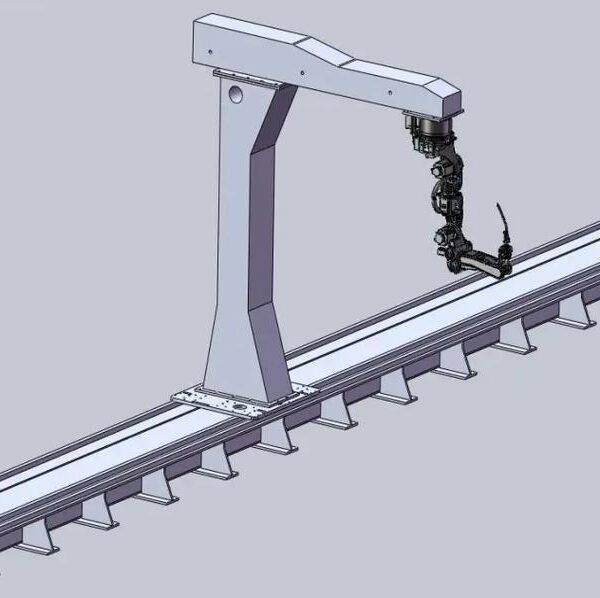

Cantilever Welding Robot solution
-
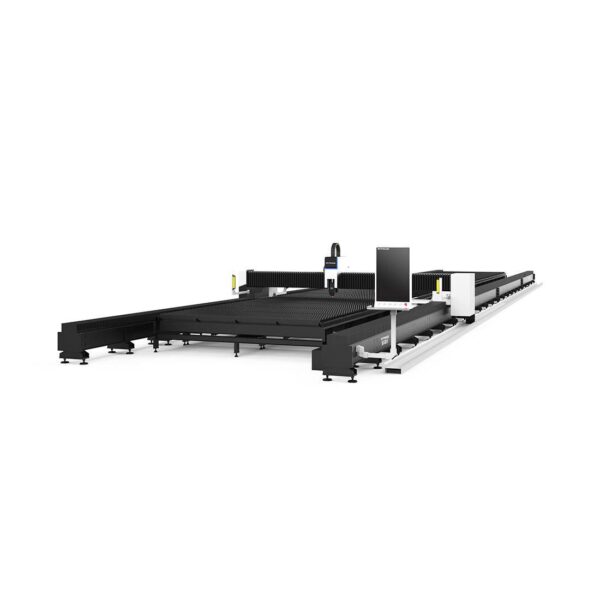

GF laser cutting machine
-
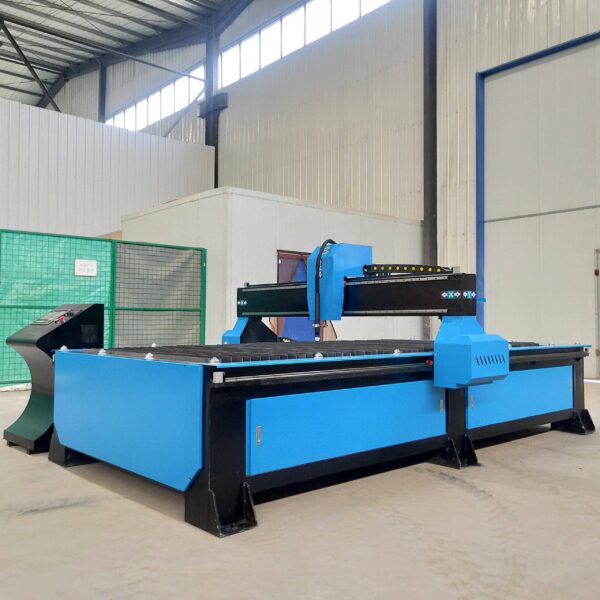
P3015 plasma cutting machine
-

LFP3015 Fiber Laser Cutter
-
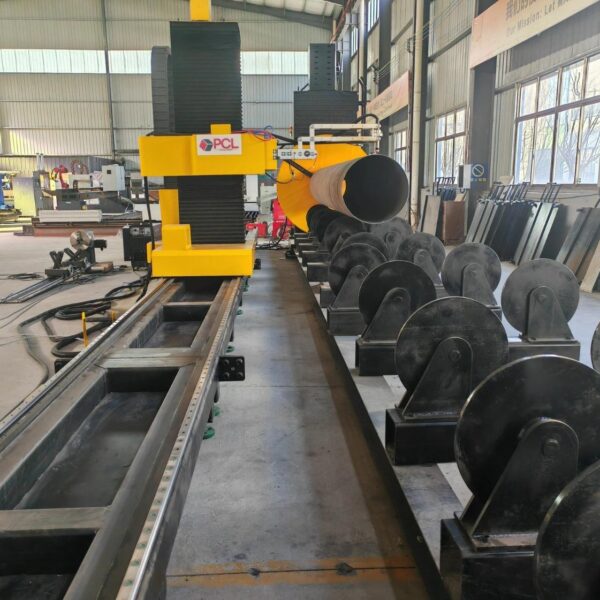
pipe plasma cutting machine
-
LFH 4020 Fiber Laser Cutting Machine
-
LFP4020
-
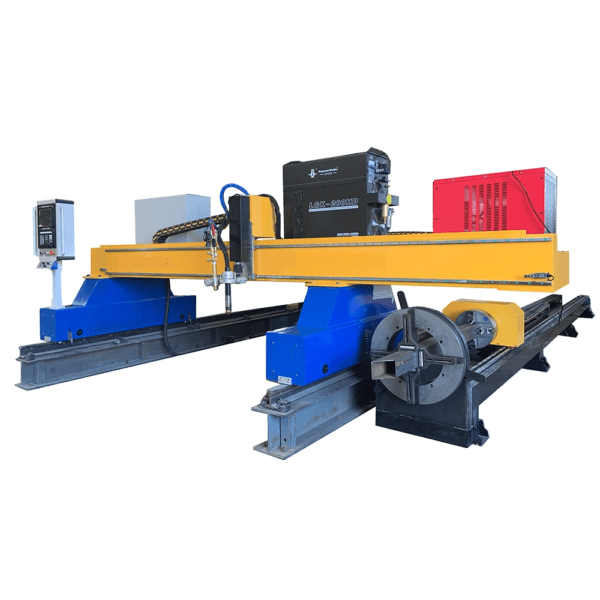
gantry plasma air cutting machine
-
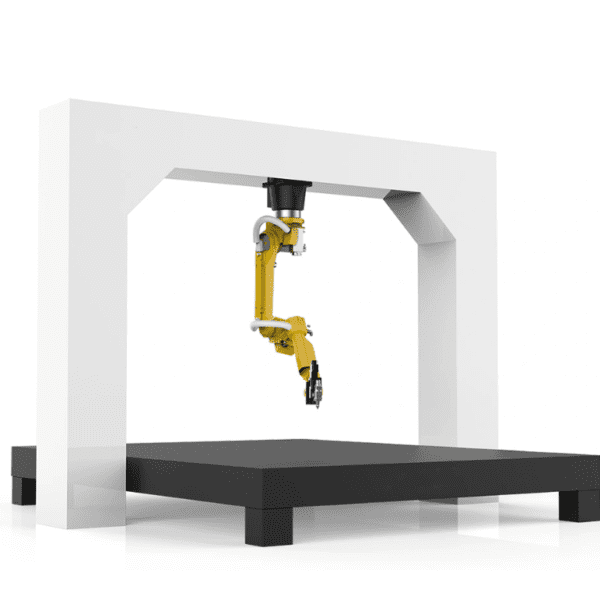
3D robot cutting machine
-
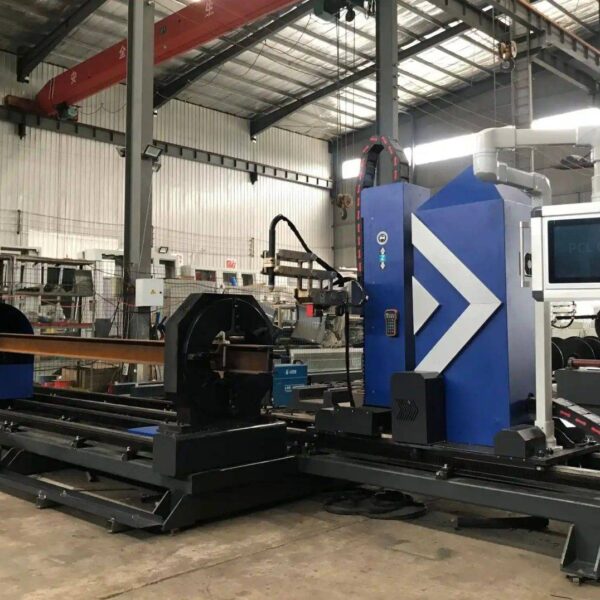
8 axis plasma cutting machine
-
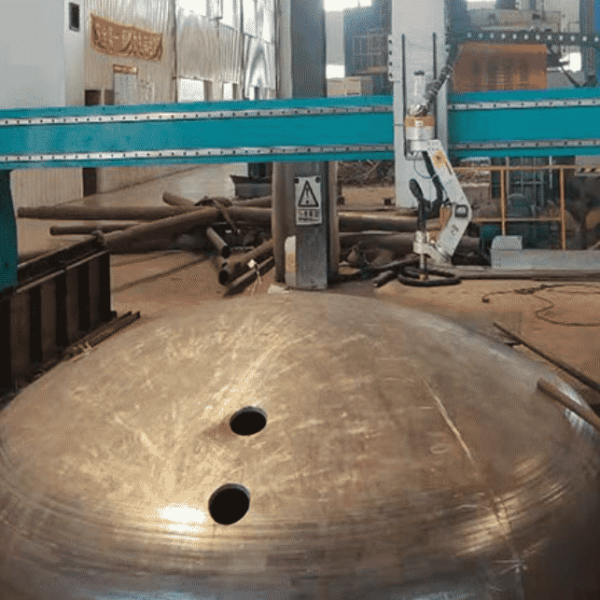
5 axis plasma cutting machine
-

LT360 tube laser cutting machine
-
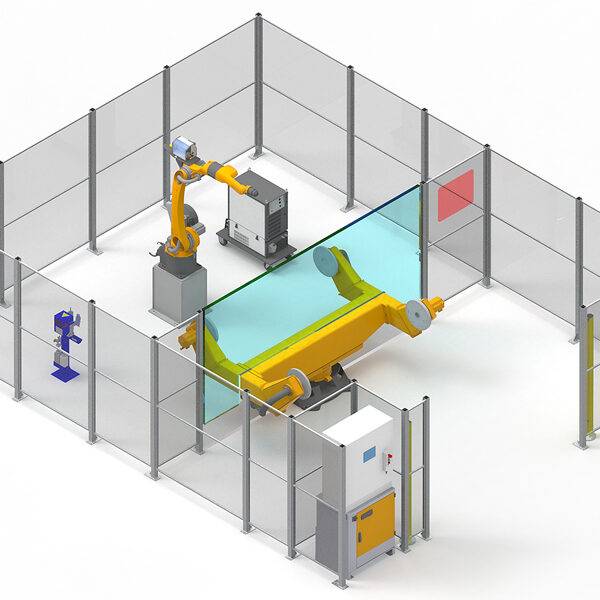
robot welding workstation
-
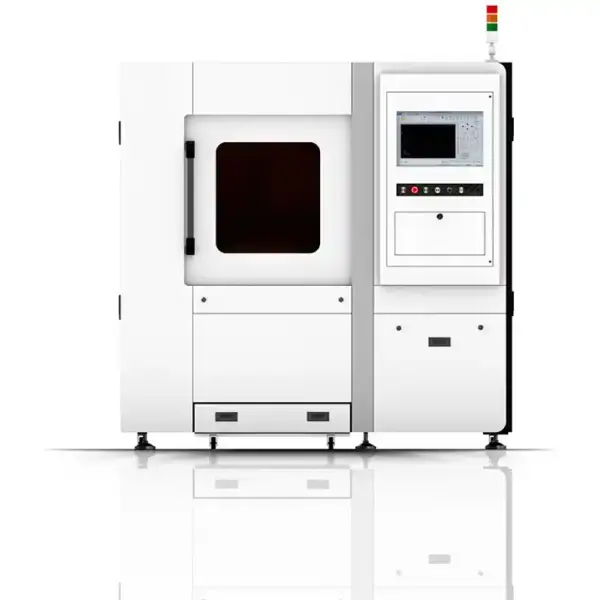
SF6060 fiber laser cutting machine
Advanced Fiber Laser Tube Processing Technology
Our CNC Fiber Laser Tube Cutting systems revolutionize metal fabrication by integrating high-precision cutting, punching, and profiling into a single automated workflow. Designed for versatility, this technology handles a wide array of profiles including Round, Square, Rectangular, and Oval tubes, as well as complex L-shaped and U-shaped channels.
- Precision Punching: High-speed hole punching with micron-level accuracy, eliminating the need for mechanical drilling or die-stamping.
- Complex Profiling: Advanced 3D pathing allows for intricate interlocking joints and specialized notch cuts, ideal for structural frames.
- High Material Efficiency: Intelligent nesting software minimizes scrap, reducing raw material costs across large production runs.
- Clean Finish: Delivers oxide-free, burr-free edges that require zero secondary grinding before welding.

Seamlessly processing multiple profiles with consistent precision.
Global Delivery & Logistics



From our high-tech manufacturing facility directly to your global site. PCL WeldCut ensures secure packaging, professional handling, and reliable international logistics to safeguard your equipment throughout the entire journey.