Field Engineering Report: Implementation of Double Pulse MAG Cobot Welder in São Paulo
This report details the technical deployment and performance evaluation of a high-precision MAG Cobot Welder system within a Tier-1 electrical component manufacturing facility in São Paulo, Brazil. The primary objective was to integrate advanced Arc Welding Solutions to address the persistent quality bottlenecks associated with Copper Components welding. Unlike standard carbon steel applications, the high thermal conductivity of copper necessitates a sophisticated approach to heat input management, which was addressed here through synchronized double-pulse waveforms and collaborative robotics.
1. Site Conditions and Infrastructure Integration
The São Paulo industrial corridor presents unique environmental challenges, specifically high ambient humidity and localized fluctuations in power grid stability. Upon arrival, our first task was to ensure that the Arc Welding Solutions package was properly conditioned for the site. Humidity in São Paulo can often lead to moisture absorption in shielding gas lines, which is catastrophic for Copper Components welding, leading to hydrogen-induced porosity.
We implemented a dual-stage gas filtration and drying system prior to the solenoid intake of the MAG Cobot Welder. Furthermore, the power source was isolated using a dedicated transformer to prevent voltage spikes from the heavy stamping presses nearby from interfering with the cobot’s sensitive control electronics. This foundational setup is critical; a cobot is only as precise as the power and consumables feeding it.
2. The Synergy: MAG Cobot Welder and Integrated Arc Welding Solutions
The core of this deployment lies in the synergy between the robotic arm and the welding power source. Traditional manual MAG welding on copper is notoriously difficult due to the speed required to stay ahead of the heat dissipation. By utilizing a MAG Cobot Welder, we achieved a level of travel speed consistency that a human welder cannot maintain over an eight-hour shift.
Synchronized Waveform Control
The “Double Pulse” functionality within our Arc Welding Solutions allows for the modulation of the wire feed speed in sync with the current pulses. In the São Paulo facility, we programmed the cobot to manage the “pulse-on-pulse” frequency at 1.5 Hz to 3.0 Hz. This creates a “shingled” bead appearance similar to TIG, but with the high deposition rates of MAG. This agitation of the weld pool is vital for copper, as it helps break up grain structures and allows trapped gases to escape before solidification.
TCP Calibration and Path Precision
For Copper Components welding, the Tool Center Point (TCP) calibration must be exact. Because copper reflects heat and light differently than steel, traditional optical sensors can occasionally struggle. We utilized a physical touch-sense calibration protocol for the MAG Cobot Welder to ensure the arc remains focused exactly on the root of the joint, preventing the common “cold lap” issues associated with the high thermal mass of copper busbars.
3. Technical Analysis of Copper Components Welding
Welding 99.9% pure copper (C11000) or high-alloy copper requires an energy density that can overcome the material’s thermal diffusivity. Our strategy focused on the following three technical pillars:
Heat Input Management
We utilized a 1.2mm CuCrZr (Copper Chromium Zirconium) wire. The MAG Cobot Welder was programmed with a high-current peak to initiate the puddle, followed by a lower-current background pulse to prevent the “sink” or burn-through. In the São Paulo workshop, we found that a 70/30 Helium-Argon mix provided the necessary ionization potential to maintain a stable arc on the highly conductive copper surface.
Managing Thermal Expansion
Copper expands significantly more than steel. Our Arc Welding Solutions included a custom-designed fixture with ceramic inserts to minimize heat sink effects while providing rigid constraint. The cobot’s logic was programmed to perform “stitch” sequences rather than continuous runs, allowing the heat to equalize across the component and reducing the angular distortion of the terminal lugs.
4. Lessons Learned: Practical Field Observations
Direct implementation in a high-volume Brazilian factory yields insights that are often missed in a controlled lab environment. The following “hard-won” lessons should be considered for any future MAG Cobot Welder deployment targeting Copper Components welding.
The “Teflon Liner” Mandate
Early in the trial, we experienced erratic wire feeding. Despite using high-quality wire, the friction in the torch cable was causing micro-stalls. Lesson: For copper welding, standard steel liners are unacceptable. We swapped to a high-temp Teflon (PTFE) liner with a neck liner made of brass. This reduced the feeding friction coefficient by 40%, immediately stabilizing the double-pulse frequency.
Shielding Gas Velocity
In São Paulo’s open-bay workshops, cross-drafts are common. We found that the standard gas flow of 15 L/min was insufficient for the MAG Cobot Welder when moving at high travel speeds (over 60 cm/min). We increased flow to 22 L/min and implemented a trailing shield gas kit. This ensured the copper remained under an inert envelope until it cooled below 400°C, preventing the dark oxide scale that often leads to electrical conductivity failure.
Contact Tip Life
Copper wire is abrasive and high-current pulsing is hard on contact tips. We shifted from E-Cu tips to silver-plated CuCrZr tips. While the per-unit cost increased, the “Arc-on Time” increased by 300%. For a cobot-led Arc Welding Solutions package, the goal is to minimize human intervention; changing tips every two hours defeats the purpose of automation.
5. Data-Driven Results: Performance Metrics
After four weeks of operation in the São Paulo plant, the metrics for the MAG Cobot Welder implementation were as follows:
- Defect Rate Reduction: Porosity and lack of fusion in Copper Components welding dropped from 14% (manual) to 1.2% (cobot).
- Cycle Time Improvement: The Double Pulse MAG process reduced total weld time per unit by 45% compared to the previous TIG process.
- Thermal Efficiency: The localized heat-affected zone (HAZ) was reduced by 22%, preserving the mechanical temper of the copper surrounding the weld zone.
6. Strategic Synergy and Future Outlook
The success of this project confirms that Arc Welding Solutions must be holistic. You cannot simply bolt a torch to a robot and expect results on non-ferrous materials. The MAG Cobot Welder serves as the precision delivery vehicle, but the success on Copper Components welding was equally dependent on the gas chemistry, the liner material, and the specific double-pulse logic programmed into the power source.
For engineering teams in Brazil looking to replicate these results, the focus should remain on “Stability over Speed.” While the cobot can move fast, the metallurgical requirements of copper dictate the pace. Our next phase in the São Paulo facility will involve integrating an AI-based seam tracker to compensate for the slight variations in manual jig loading, further insulating the process from human error.
Concluding Engineering Note
Field engineers must respect the thermal properties of copper. The MAG Cobot Welder is a transformative tool, but it requires a sophisticated understanding of pulse-transfer physics. In São Paulo, we proved that with the right Arc Welding Solutions, copper can be welded with the same repeatability as carbon steel, provided the peripheral infrastructure (gas, liners, and power) is managed with technical rigor.
-
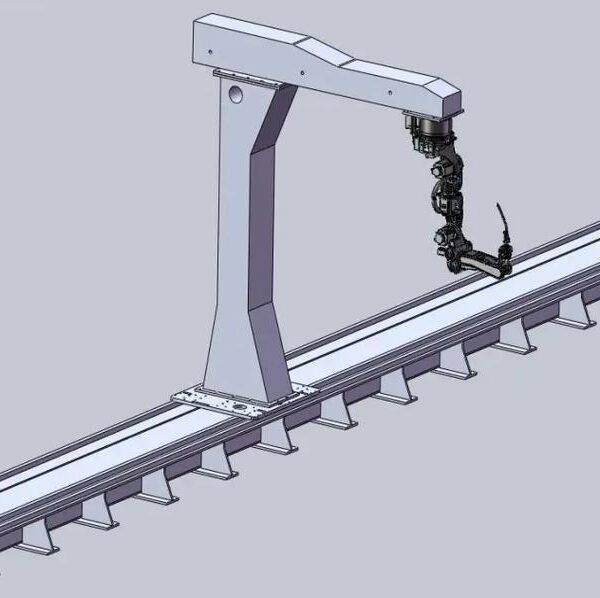

Cantilever Welding Robot solution
-
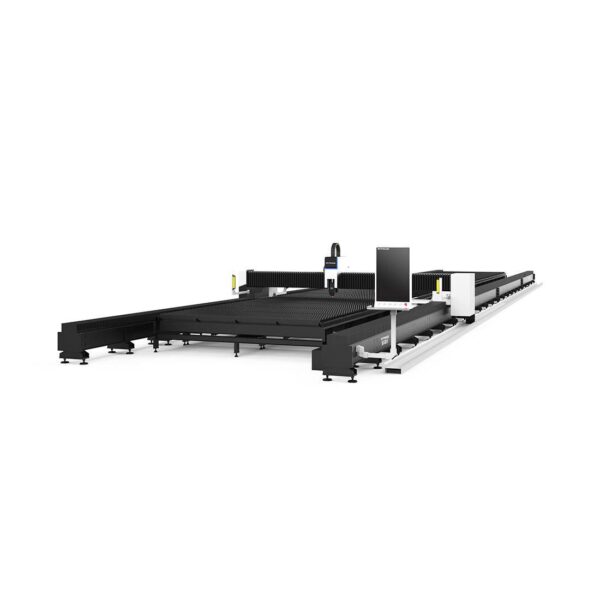

GF laser cutting machine
-
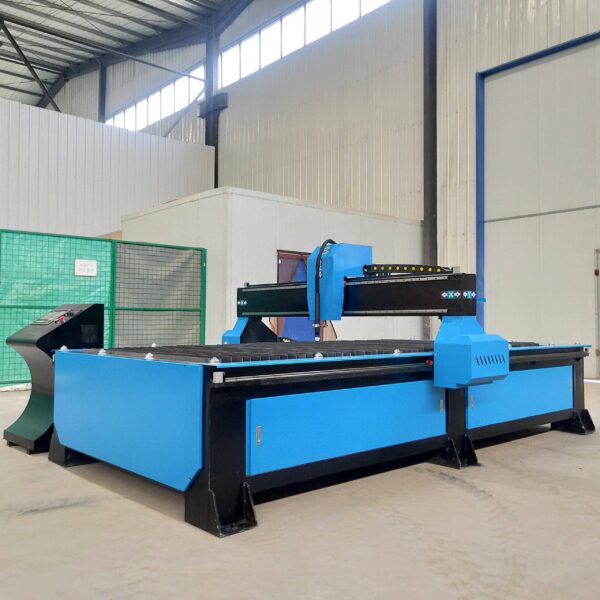
P3015 plasma cutting machine
-

LFP3015 Fiber Laser Cutter
-
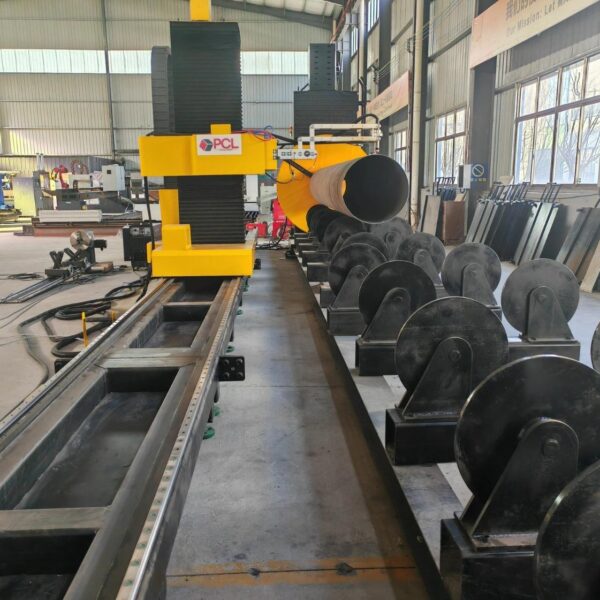
pipe plasma cutting machine
-
LFH 4020 Fiber Laser Cutting Machine
-
LFP4020
-
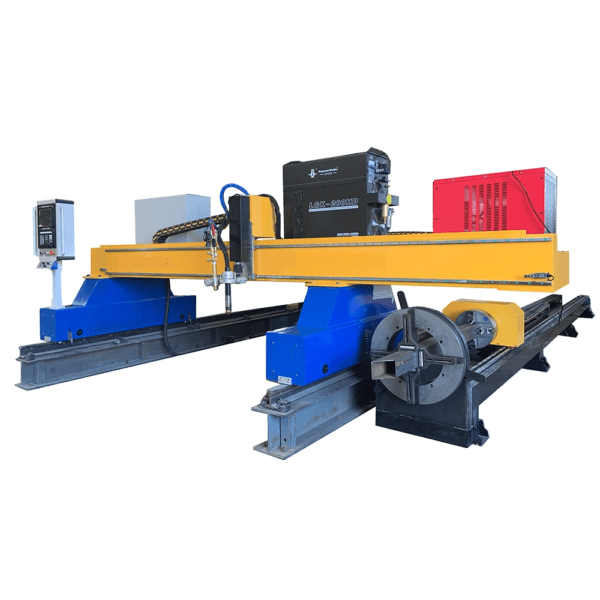
gantry plasma air cutting machine
-
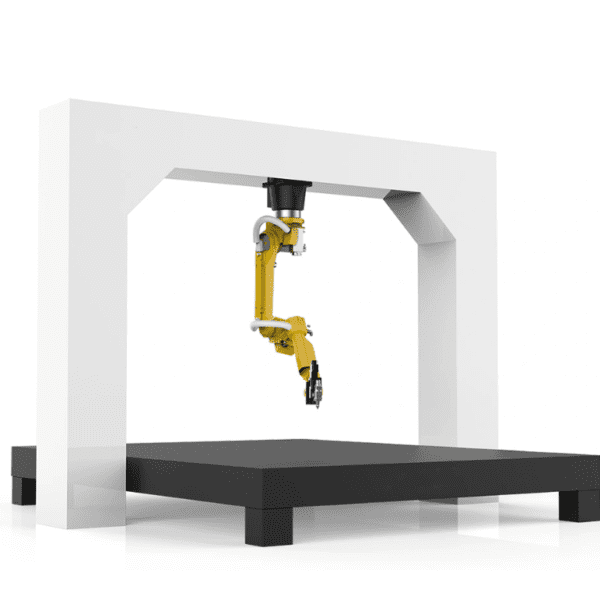
3D robot cutting machine
-
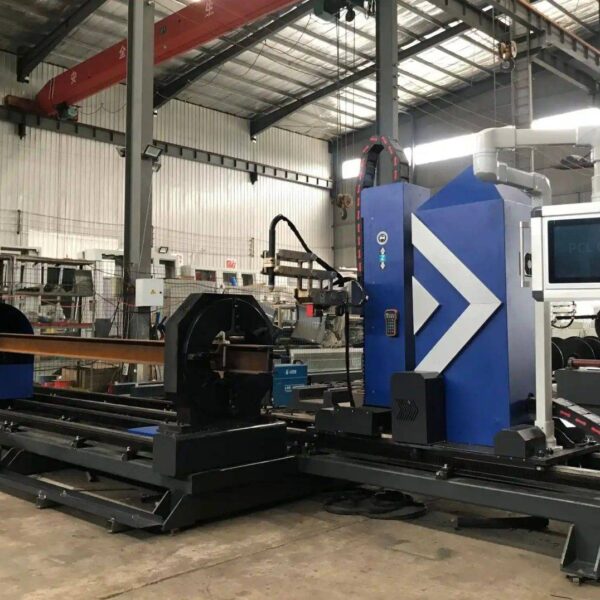
8 axis plasma cutting machine
-
5 axis plasma cutting machine
-

LT360 tube laser cutting machine
-
robot welding workstation
-
SF6060 fiber laser cutting machine
Advanced Fiber Laser Tube Processing Technology
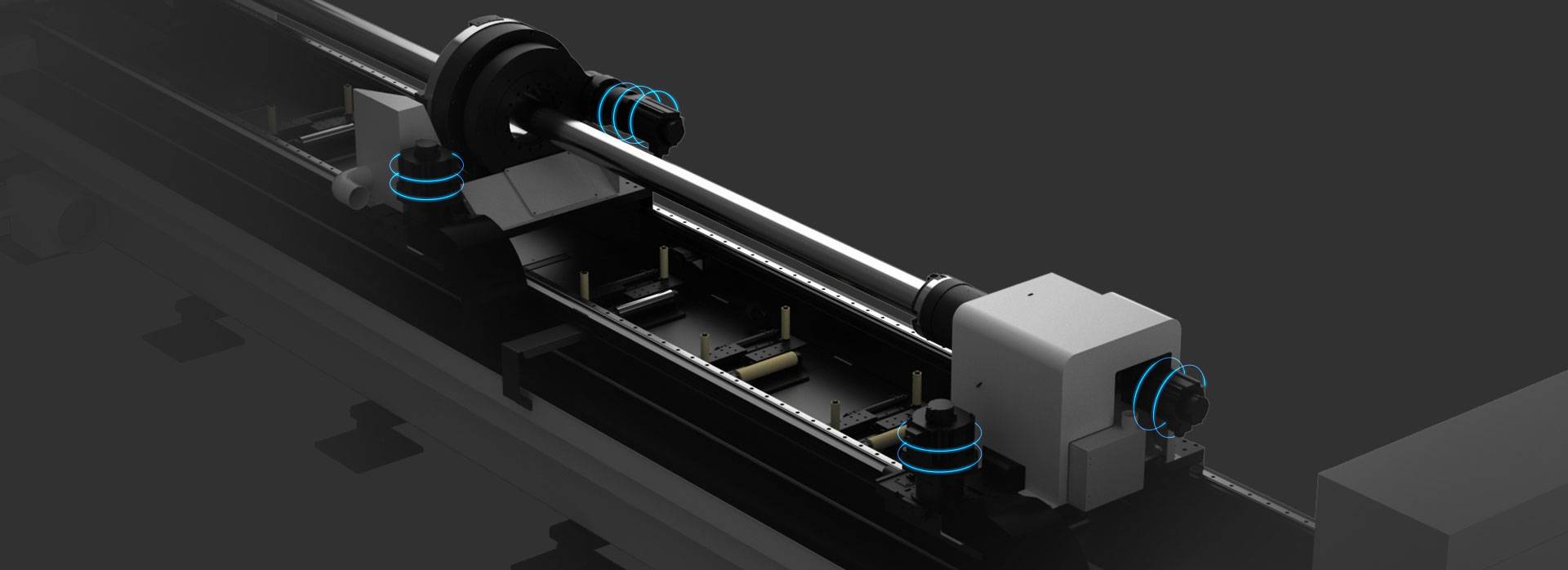
Our CNC Fiber Laser Tube Cutting systems revolutionize metal fabrication by integrating high-precision cutting, punching, and profiling into a single automated workflow. Designed for versatility, this technology handles a wide array of profiles including Round, Square, Rectangular, and Oval tubes, as well as complex L-shaped and U-shaped channels.
- Precision Punching: High-speed hole punching with micron-level accuracy, eliminating the need for mechanical drilling or die-stamping.
- Complex Profiling: Advanced 3D pathing allows for intricate interlocking joints and specialized notch cuts, ideal for structural frames.
- High Material Efficiency: Intelligent nesting software minimizes scrap, reducing raw material costs across large production runs.
- Clean Finish: Delivers oxide-free, burr-free edges that require zero secondary grinding before welding.

Seamlessly processing multiple profiles with consistent precision.
Global Delivery & Logistics



From our high-tech manufacturing facility directly to your global site. PCL WeldCut ensures secure packaging, professional handling, and reliable international logistics to safeguard your equipment throughout the entire journey.