Field Evaluation Report: Double Pulse Cobot Welding Machine Integration
Site Overview and Operational Context
This report details the field implementation and performance evaluation of the Double Pulse Cobot Welding Machine at a medium-scale structural fabrication facility located near the Port of Antwerp, Belgium. The facility primarily services the maritime and petrochemical sectors, necessitating high-compliance welds on structural frameworks. Our primary objective was to transition a significant portion of the repetitive Mild Steel welding backlog from manual GTAW/GMAW stations to a Collaborative Robotics platform.
The Antwerp facility presents specific environmental challenges, including high ambient humidity and fluctuating power grid stability typical of older industrial dockside zones. The deployment focused on the assembly of S355JR grade mild steel brackets and pressure-retaining reinforcement rings. The shift toward a Cobot Welding Machine was driven by a 30% shortage in certified high-pressure welders and the need for a finish that mimics TIG aesthetics without the associated time cost.
The Synergy of Collaborative Robotics and Modern Welding
Operational Flexibility in the Antwerp Workshop
The integration of Collaborative Robotics into the workflow marks a departure from traditional industrial automation. In a standard setup, a robot requires expensive light curtains and physical fencing. In the cramped, high-throughput environment of an Antwerp ship-repair yard, space is a premium. The Cobot Welding Machine allows our senior welders to work in the same cell as the machine. This proximity is vital for “tack-and-go” operations where a human operator aligns the complex Mild Steel welding components and the cobot executes the long-seam structural passes.
The synergy is found in the “Lead-Through Programming” capability. Instead of a technician writing thousands of lines of code, our welding leads physically move the cobot arm to the start and end points of the joint. This reduces the transition time between different Mild Steel welding geometries from hours to minutes. In the context of the Port of Antwerp’s “just-in-time” repair schedules, this flexibility is the primary value driver.

Safety and Human-Machine Interaction
Collaborative Robotics relies on power and force limiting (PFL) sensors. During the field test, we encountered several instances where the cobot arm made contact with unsecured jigs. The sensors triggered an immediate Category 0 stop, preventing damage to the workpiece and ensuring operator safety. This allows the Cobot Welding Machine to operate on the shop floor alongside forklifts and manual grinders, rather than being sequestered in a dedicated robot room.
Technical Performance in Mild Steel Welding
Material Specifications and Preparation
The focus of this deployment was almost exclusively on Mild Steel welding, specifically S235 and S355 grades with thicknesses ranging from 4mm to 12mm. The preparation involved standard grit-blasting to SA 2.5 to remove mill scale, which is critical for the Double Pulse process to prevent arc wandering. We utilized an ER70S-6 solid wire (1.2mm diameter) with a 92% Argon / 8% CO2 gas mixture. This specific gas blend was chosen to stabilize the arc during the low-current phases of the double pulse cycle.
The Double Pulse Advantage
The “Double Pulse” feature of the Cobot Welding Machine is the technical centerpiece of this implementation. By modulating the wire feed speed and current between two distinct levels, the machine creates a “stacked-dime” weld bead appearance on mild steel that was previously only achievable via manual TIG welding.
In our Antwerp trials, we set the pulse frequency to 1.5 Hz. This produced a cooling period within the weld pool that significantly reduced the Heat Affected Zone (HAZ). For the S355 mild steel welding components, this was crucial to maintaining the mechanical properties of the base metal and preventing warping in the 4mm plates. The reduction in spatter—measured at a 90% decrease compared to standard CV (Constant Voltage) GMAW—essentially eliminated the need for post-weld grinding, saving an average of 15 minutes of labor per component.
Implementation Hurdles and Field Solutions
Antwerp Environmental Factors
One unforeseen issue was the effect of the Antwerp maritime humidity on the wire feeding consistency. Even with a Cobot Welding Machine, if the wire surface develops microscopic oxidation, the contact tip lifespan drops. We resolved this by installing enclosed wire feeders and using ceramic liners to minimize friction. In Collaborative Robotics, the arm’s movement is highly precise; any “stutter” in the wire feed is amplified in the weld bead, particularly during the high-frequency pulse phases of Mild Steel welding.
Grounding and EMI
The electronic components of a Cobot Welding Machine are more sensitive to Electromagnetic Interference (EMI) than a standard transformer-based welder. In the field, we found that improper grounding of the welding table led to erratic behavior in the cobot’s touch-sensing routine. We implemented a dedicated copper grounding bus for the cobot controller, separate from the high-current welding ground, which stabilized the logic circuits.
Lessons Learned: Torch Angle and Stick-out
A significant lesson learned during the first 200 hours of operation was the sensitivity of the Double Pulse process to Contact-to-Workpiece Distance (CTWD). While a human welder can intuitively adjust their hand to compensate for a slightly warped plate, the Cobot Welding Machine follows a programmed path. We had to integrate a “Through-Arc Seam Tracking” (TAST) module. This allowed the Collaborative Robotics system to monitor the current fluctuations and adjust the Z-axis in real-time to maintain a constant 15mm stick-out, ensuring consistent penetration in the mild steel joints.
Synergy and Workflow Optimization
Redefining the Welder’s Role
The introduction of the Cobot Welding Machine has not replaced our welders in Antwerp; it has upskilled them. The “Senior Welder” has transitioned into a “Welding Cell Supervisor.” They now manage two cobots simultaneously. While the machines handle the high-duty cycle Mild Steel welding on long seams, the human operator performs complex out-of-position tacks or quality inspections. This collaborative approach has increased the facility’s weld-inches-per-minute (WIPM) by 45%.
Maintenance Protocols
Maintenance for Collaborative Robotics differs from standard machinery. We established a weekly calibration check for the cobot’s “Zero Position.” In a high-vibration environment like a shipyard workshop, the encoders can drift. A 1mm deviation is enough to miss the root of a V-groove in a Mild Steel welding application. Daily cleaning of the cobot’s cooling fans is also mandatory in the Antwerp site due to the presence of metallic dust from nearby grinding stations.
Final Field Observations and Conclusion
The deployment of the Double Pulse Cobot Welding Machine in Antwerp proves that Collaborative Robotics is ready for the rigors of heavy industrial Mild Steel welding. The technical synergy between the advanced pulse waveforms and the precision of the robotic arm results in a weld quality that exceeds manual standards while maintaining the flexibility required for low-volume, high-mix production.
The Double Pulse setting, specifically, has proven its worth by reducing heat input and post-weld cleanup. For future installations, we recommend a mandatory “clean air” enclosure for the controller and the use of high-quality, precision-wound wire to fully leverage the capabilities of the system. The success of this implementation serves as a blueprint for other maritime-adjacent fabrication hubs looking to solve labor shortages through technical innovation.
Key Performance Indicators (KPIs) achieved:
- Spatter Reduction: 92% compared to manual GMAW.
- Travel Speed: Consistent 35 cm/min on 6mm fillet welds.
- Rework Rate: Dropped from 4.5% to 0.8% for Mild Steel welding tasks.
- Operator Training Time: 3 days for basic proficiency in Collaborative Robotics programming.
Signed,
Senior Welding Engineer
Antwerp Field Office
-
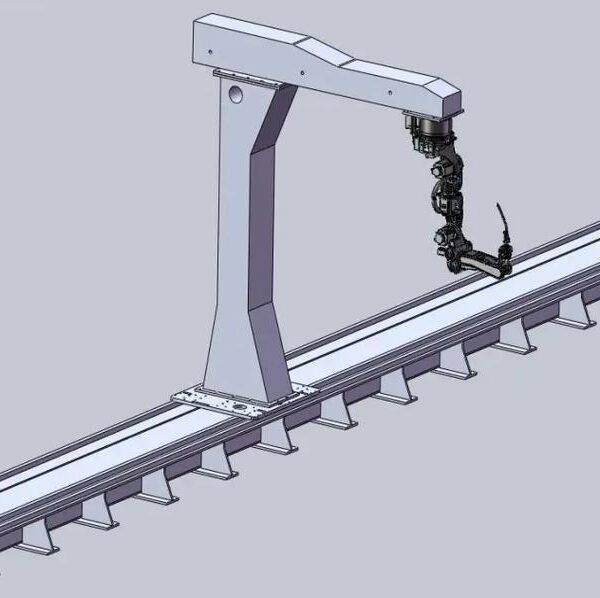

Cantilever Welding Robot solution
-
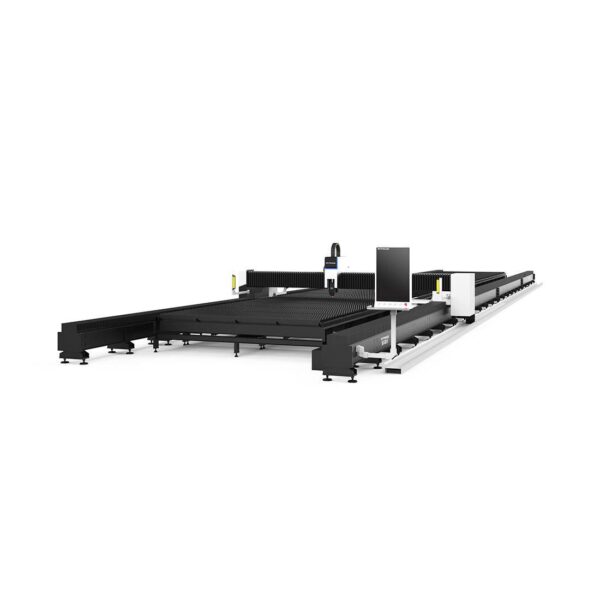

GF laser cutting machine
-
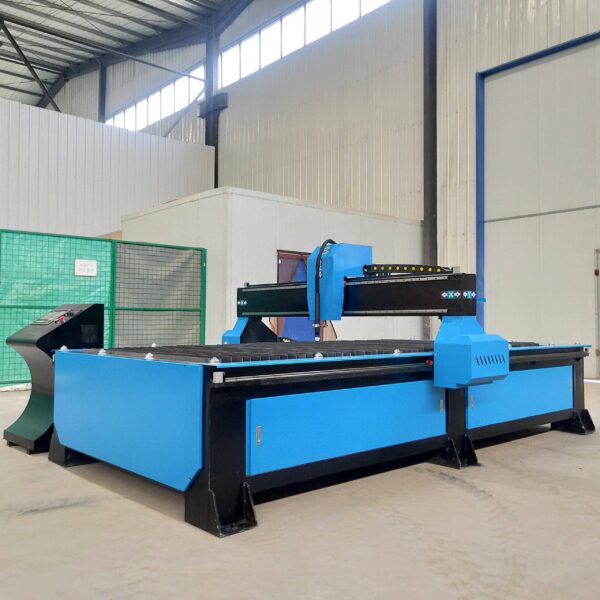
P3015 plasma cutting machine
-

LFP3015 Fiber Laser Cutter
-
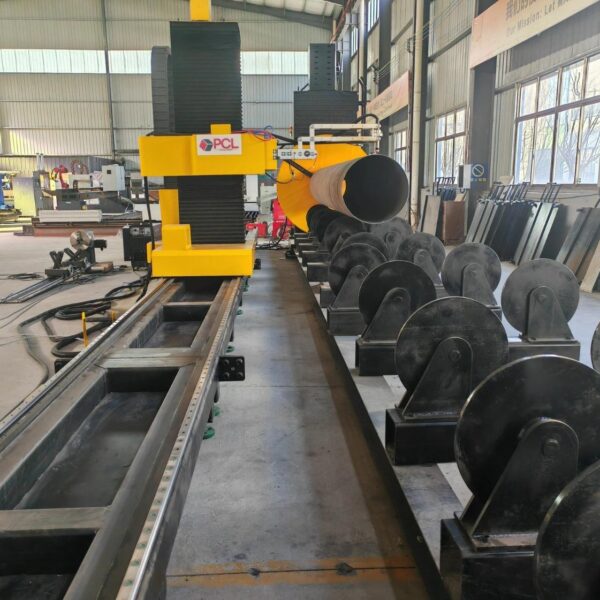
pipe plasma cutting machine
-
LFH 4020 Fiber Laser Cutting Machine
-
LFP4020
-
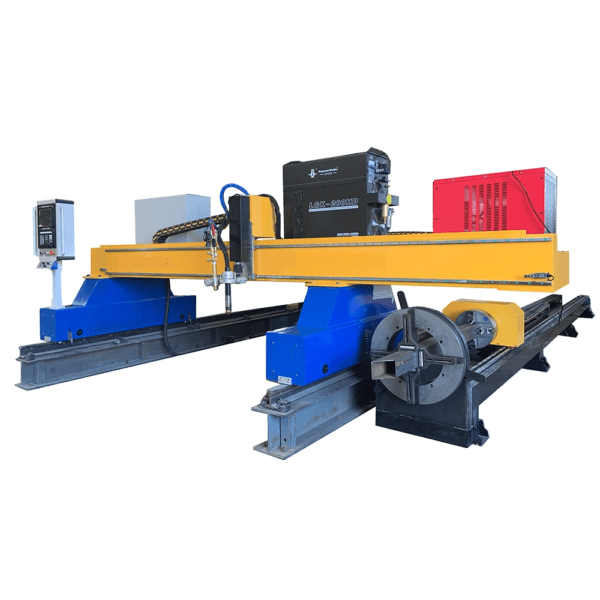
gantry plasma air cutting machine
-
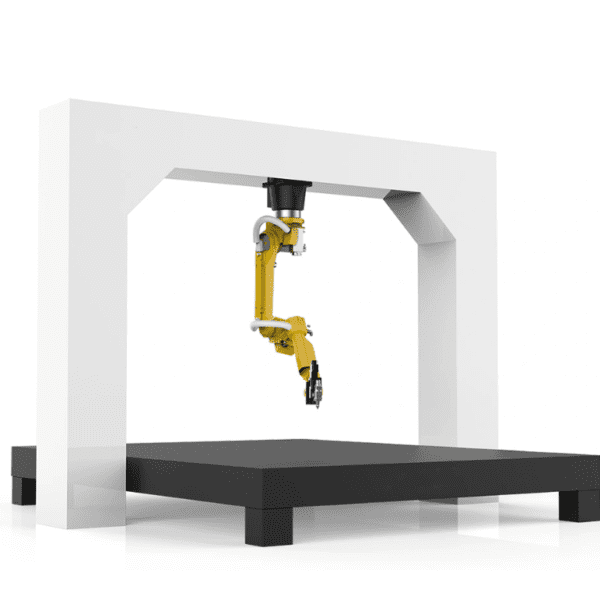
3D robot cutting machine
-
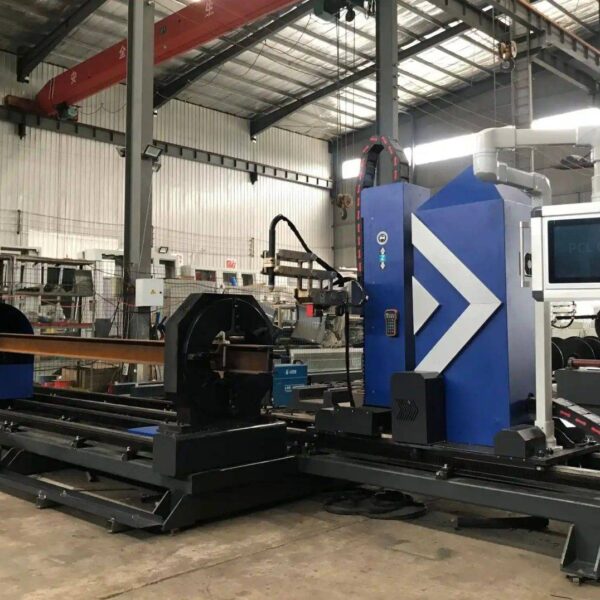
8 axis plasma cutting machine
-
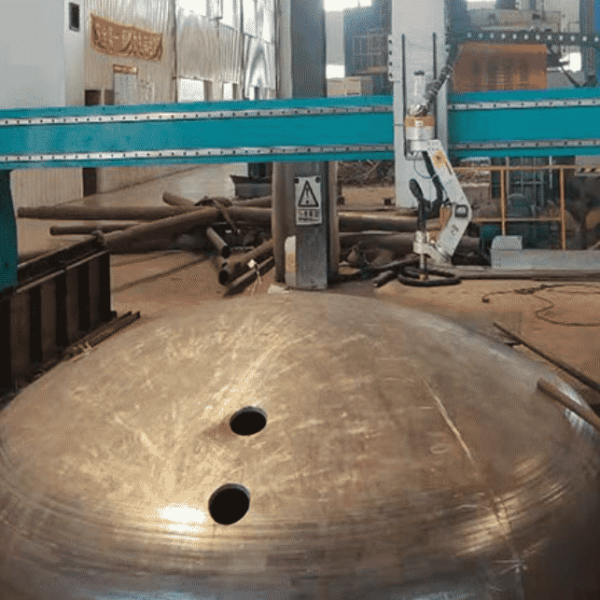
5 axis plasma cutting machine
-

LT360 tube laser cutting machine
-
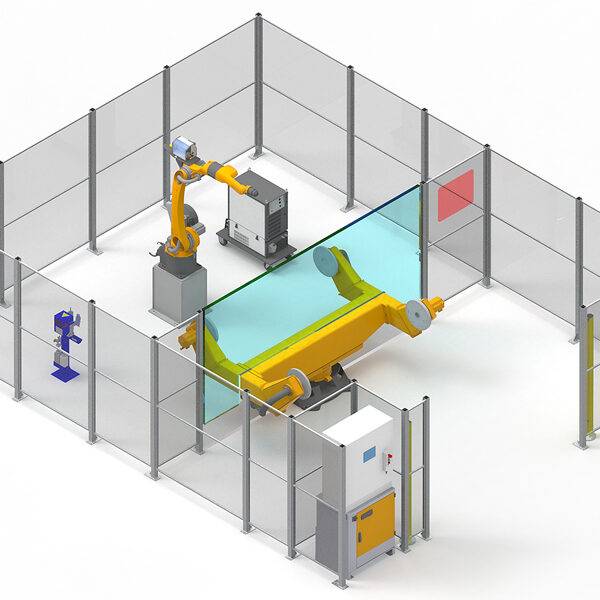
robot welding workstation
-
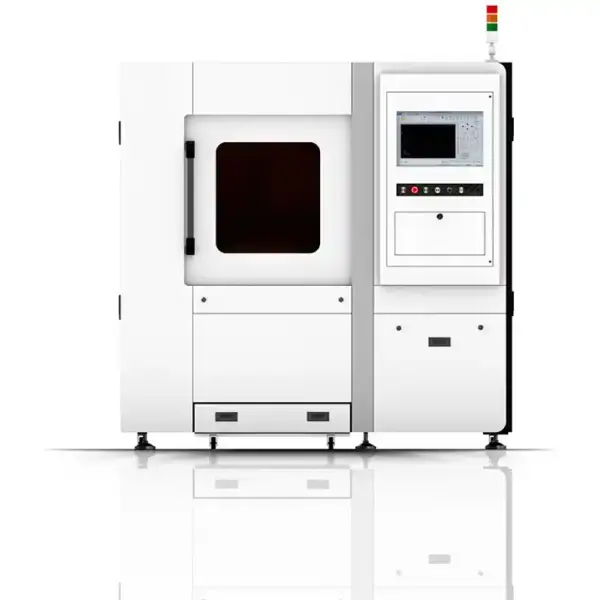
SF6060 fiber laser cutting machine
Advanced Fiber Laser Tube Processing Technology
Our CNC Fiber Laser Tube Cutting systems revolutionize metal fabrication by integrating high-precision cutting, punching, and profiling into a single automated workflow. Designed for versatility, this technology handles a wide array of profiles including Round, Square, Rectangular, and Oval tubes, as well as complex L-shaped and U-shaped channels.
- Precision Punching: High-speed hole punching with micron-level accuracy, eliminating the need for mechanical drilling or die-stamping.
- Complex Profiling: Advanced 3D pathing allows for intricate interlocking joints and specialized notch cuts, ideal for structural frames.
- High Material Efficiency: Intelligent nesting software minimizes scrap, reducing raw material costs across large production runs.
- Clean Finish: Delivers oxide-free, burr-free edges that require zero secondary grinding before welding.

Seamlessly processing multiple profiles with consistent precision.
Global Delivery & Logistics



From our high-tech manufacturing facility directly to your global site. PCL WeldCut ensures secure packaging, professional handling, and reliable international logistics to safeguard your equipment throughout the entire journey.