Technical Site Report: Deployment of Double Pulse All-in-one Cobot Station
Location: Industrial Zone, Bursa, Turkey
Subject: Integration of Collaborative Robotics in High-Precision Tool Steel Welding
1. Initial Site Conditions and Objective
The deployment took place in the Nilüfer district of Bursa, a primary hub for Turkish automotive Tier-1 suppliers and die-casting specialists. The facility focuses on the refurbishment and fabrication of high-pressure die-casting molds and heavy-duty stamping dies. Historically, these components, primarily composed of H13 (1.2344) and D2 (1.2379) tool steels, were repaired using manual GTAW (TIG) or traditional MIG processes.
The objective of this intervention was to replace manual overlay welding with an All-in-one Cobot Station. The move was driven by the need for better repeatability and the mitigation of “human factor” variables—specifically inconsistent interpass temperatures and erratic travel speeds which frequently led to hydrogen cracking and excessive Heat Affected Zones (HAZ) in expensive Tool Steel welding applications.
2. The Synergy of the All-in-one Cobot Station and Collaborative Robotics
In the context of a busy Bursa workshop, space is a premium. Traditional industrial robots require extensive safety fencing and dedicated footprints. The All-in-one Cobot Station represents a significant shift because it integrates the power source, the cooling unit, the wire feeder, and the robotic arm onto a single, mobile chassis.
The true synergy lies in how Collaborative Robotics interacts with the operator. Unlike a caged 6-axis robot, the cobot allows the welding engineer to stand “shoulder-to-shoulder” with the machine. During the setup phase for a complex die repair, we utilized the “hand-guiding” feature to teach the path. For tool steel, where the geometry of the wear zone is often non-linear and irregular, the ability to manually move the torch to capture waypoints is faster than using a pendant.
This collaborative approach bridges the gap between the welder’s intuition (identifying the specific wear pattern) and the machine’s precision (executing a 0.5mm bead overlap with perfect consistency).
3. Technical Deep-Dive: Tool Steel Welding Parameters
Welding tool steel is notoriously difficult due to its high carbon and alloy content (Chromium, Molybdenum, Vanadium). The primary challenge is the formation of brittle martensite in the HAZ.
For this deployment, we utilized a Double Pulse MIG configuration. The All-in-one Cobot Station was programmed with the following base parameters for H13 tool steel:
- Wire: ER502 (5% Cr) or specialized H13-equivalent filler, 1.2mm diameter.
- Shielding Gas: 98% Argon / 2% CO2 to maintain arc stability while minimizing oxidation.
- Double Pulse Frequency: 1.5 Hz to 2.5 Hz.
- Peak Current: 240A / Base Current: 110A.
The Double Pulse function is critical here. By oscillating between a high-energy pulse (to ensure deep penetration and grain refinement) and a low-energy pulse (to allow the puddle to cool slightly), we achieved a “stacked dime” aesthetic similar to TIG but at three times the deposition rate. This thermal cycling reduces the overall heat input, which is vital for maintaining the hardness profile of the tool steel substrate.
4. Implementation Notes: The “Bursa” Variable
Working in the Bursa industrial sector presents specific environmental challenges. The power grid in older industrial zones can occasionally see voltage fluctuations when heavy stamping presses nearby cycle on. The All-in-one Cobot Station we deployed included an integrated power stabilizer to protect the sensitive electronics of the Collaborative Robotics controller.
Furthermore, we found that the ambient temperature in the workshop (reaching 35°C in the summer) necessitated a high-duty cycle water cooler. Because the station is “all-in-one,” the cooling lines are internal and short, reducing the risk of flow-rate drops that typically plague modular setups.
5. Collaborative Robotics in Path Programming for Die Repair
In Tool Steel welding, the “dry run” is as important as the weld itself. We utilized the cobot’s force-torque sensors to ensure the torch maintained a constant stick-out (CTWD) of 15mm across the contoured surface of a large stamping die.
Lesson Learned: We initially attempted to use a standard linear weave. However, the hardness testing on the first coupon showed a “soft spot” at the turn-around points. By adjusting the cobot’s software to implement a “trapezoidal weave” with a 0.2-second dwell at the edges, we effectively leveled the thermal distribution. This is a level of control that even the most skilled manual welder in the shop could not sustain over an 8-hour shift.
6. Managing the Heat Affected Zone (HAZ)
The All-in-one Cobot Station allowed us to implement a precise interpass temperature monitoring protocol. We integrated an infrared pyrometer that talked directly to the cobot controller.
If the tool steel surface exceeded 300°C (the upper limit for H13 interpass to avoid grain growth), the Collaborative Robotics system would automatically pause the program and signal the operator. Once the temperature dropped to the 200°C threshold, the cobot resumed the exact position with a 5mm overlap on the previous bead. This level of thermal management is what differentiates “repair” from “restoration.”
7. Lessons Learned and Practical Troubleshooting
During the 14-day commissioning period, several technical hurdles were cleared:
- Wire Feeding Issues: The high-alloy tool steel wire is stiffer than standard ER70S-6. We had to switch to U-grooved rollers and a Teflon liner within the cobot’s torch cable to prevent “bird-nesting” during high-frequency double pulsing.
- Grounding: Because the All-in-one Cobot Station is mobile, operators often forgot to ensure a high-quality ground on the workpiece. We learned that a poor ground causes electromagnetic interference (EMI) that can jitter the cobot’s sensors. We now mandate a dual-grounding strap for all tool steel projects.
- Sensor Sensitivity: In the dusty environment of a die-shop, the cobot’s safety sensors (collision detection) would occasionally trip due to heavy vibration from nearby CNC machines. We had to recalibrate the sensitivity thresholds to distinguish between a “human collision” and “ambient floor vibration.”
8. Conclusion and ROI Analysis
The transition to an All-in-one Cobot Station in the Bursa facility has yielded a 40% reduction in post-weld machining time. Because the double pulse bead is so uniform and the Collaborative Robotics pathing so precise, the “over-welding” (excessive reinforcement) common in manual tool steel repair was eliminated.
From a metallurgical standpoint, the consistency of the Tool Steel welding process has resulted in a 25% increase in the service life of the repaired dies. The ability of the operator to work alongside the machine, rather than being separated by a cage, has led to a faster adoption rate among the local workforce, who view the cobot as a high-end tool rather than a replacement.
9. Final Recommendations
For future deployments in similar Turkish industrial contexts, I recommend:
- Mandatory Pre-heat: Even with the best cobot, tool steel must be pre-heated to 200°C minimum.
- Dynamic Offsets: Utilizing a touch-sensing protocol before each pass to account for thermal expansion of the die during the welding cycle.
- Data Logging: Using the station’s internal Wi-Fi to log voltage/current data for every bead, providing a digital birth certificate for every repaired tool.
Report Filed By:
Senior Welding Engineer
Date: October 2023
-
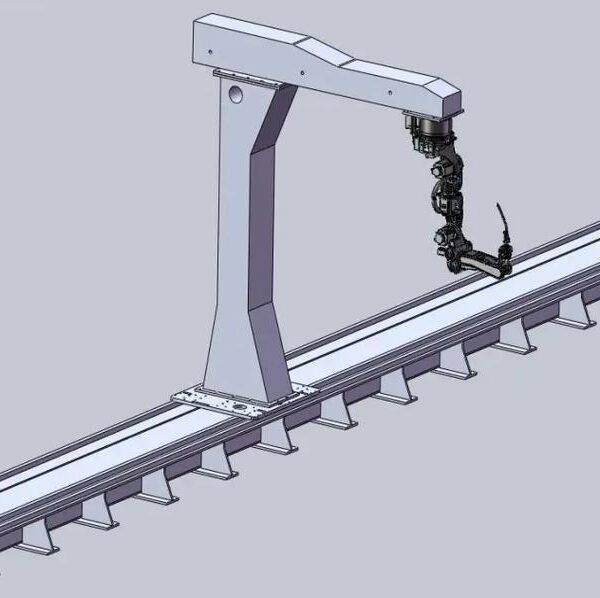

Cantilever Welding Robot solution
-
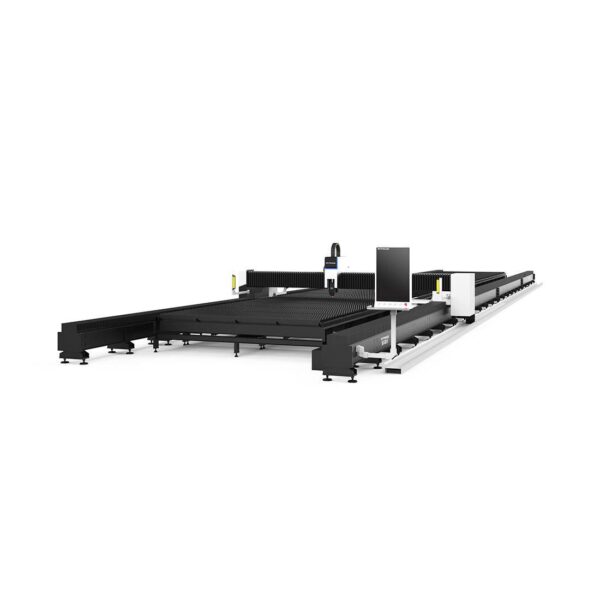

GF laser cutting machine
-
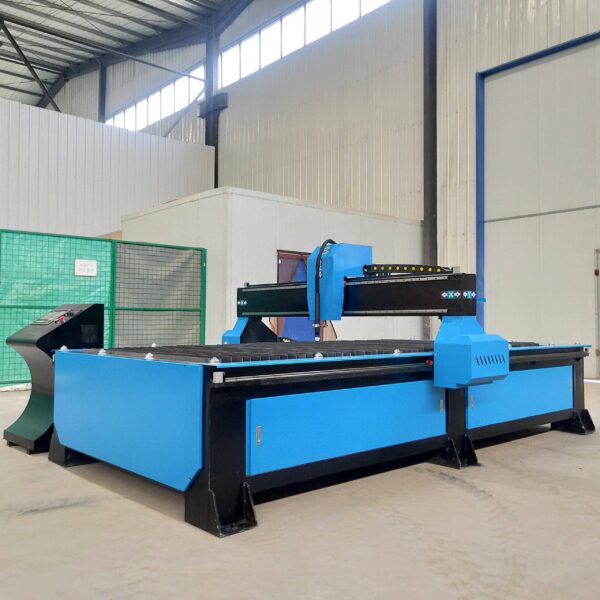
P3015 plasma cutting machine
-

LFP3015 Fiber Laser Cutter
-
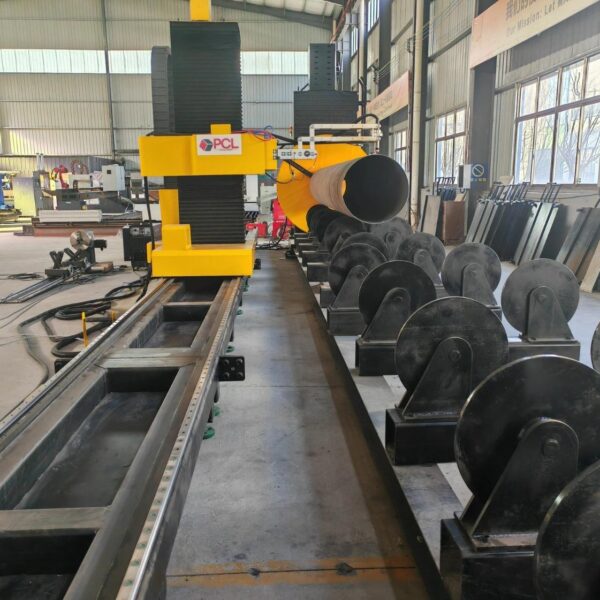
pipe plasma cutting machine
-
LFH 4020 Fiber Laser Cutting Machine
-
LFP4020
-
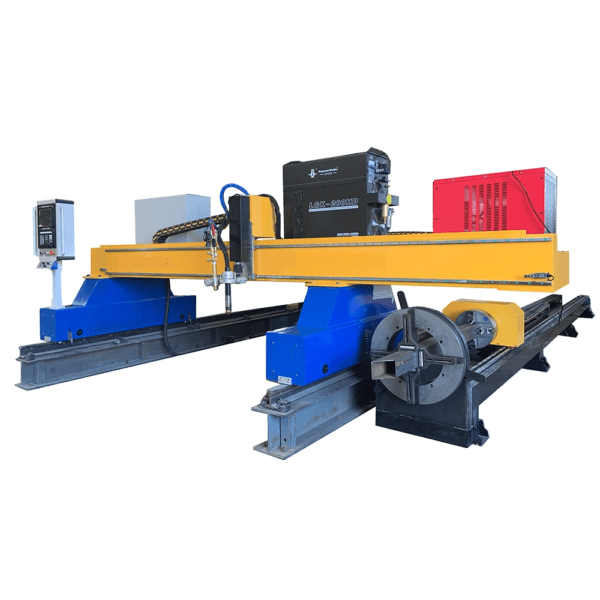
gantry plasma air cutting machine
-
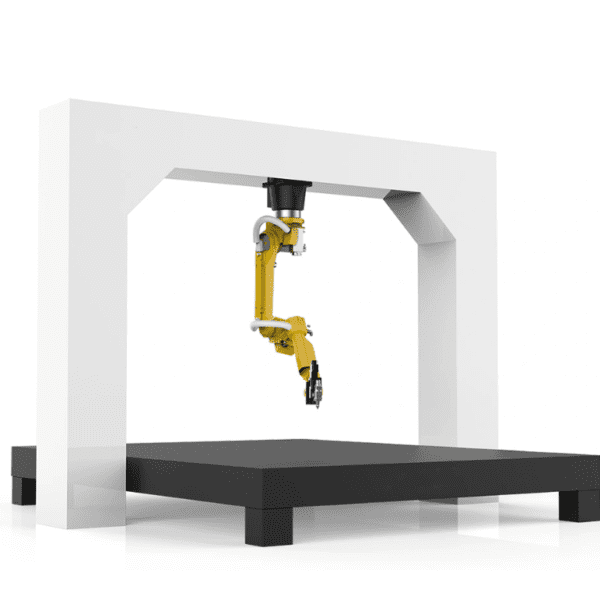
3D robot cutting machine
-
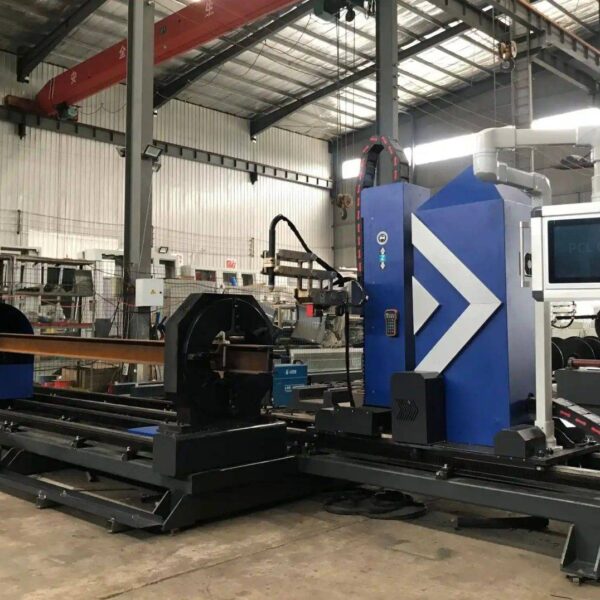
8 axis plasma cutting machine
-
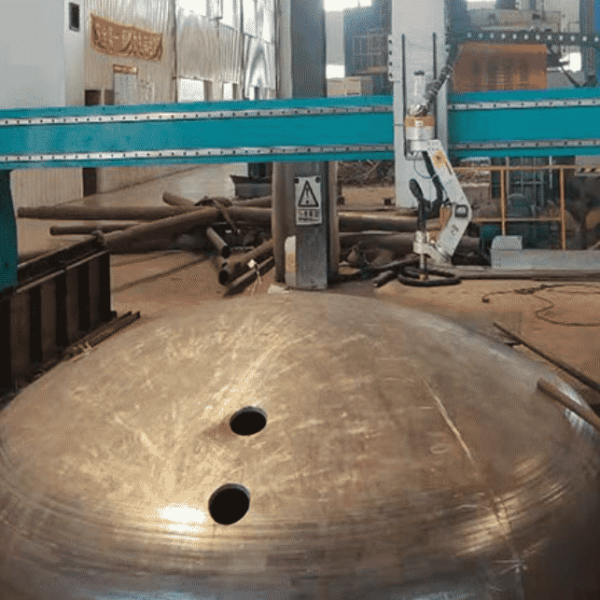
5 axis plasma cutting machine
-

LT360 tube laser cutting machine
-
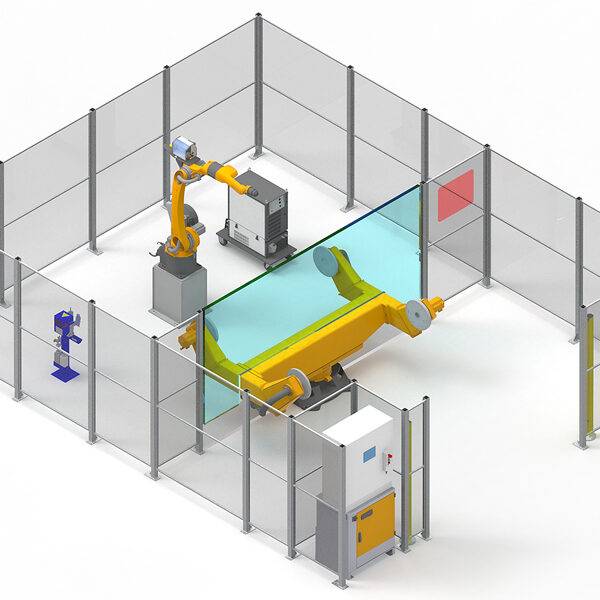
robot welding workstation
-
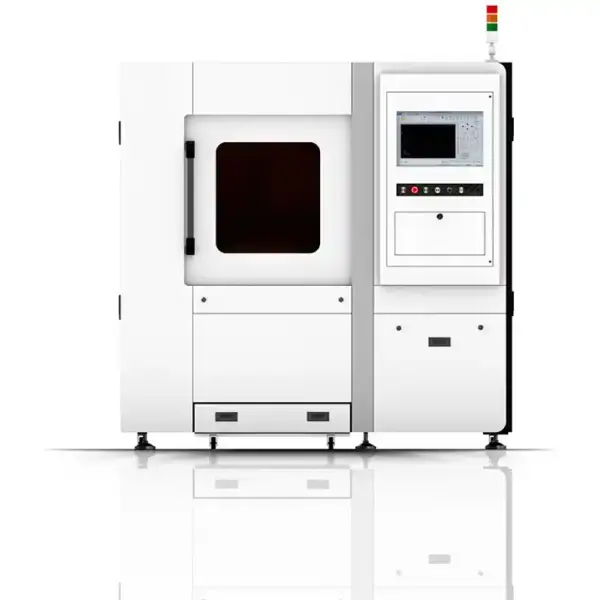
SF6060 fiber laser cutting machine
Advanced Fiber Laser Tube Processing Technology
Our CNC Fiber Laser Tube Cutting systems revolutionize metal fabrication by integrating high-precision cutting, punching, and profiling into a single automated workflow. Designed for versatility, this technology handles a wide array of profiles including Round, Square, Rectangular, and Oval tubes, as well as complex L-shaped and U-shaped channels.
- Precision Punching: High-speed hole punching with micron-level accuracy, eliminating the need for mechanical drilling or die-stamping.
- Complex Profiling: Advanced 3D pathing allows for intricate interlocking joints and specialized notch cuts, ideal for structural frames.
- High Material Efficiency: Intelligent nesting software minimizes scrap, reducing raw material costs across large production runs.
- Clean Finish: Delivers oxide-free, burr-free edges that require zero secondary grinding before welding.

Seamlessly processing multiple profiles with consistent precision.
Global Delivery & Logistics



From our high-tech manufacturing facility directly to your global site. PCL WeldCut ensures secure packaging, professional handling, and reliable international logistics to safeguard your equipment throughout the entire journey.