Field Engineering Report: Implementation of High-Power Fiber Laser Systems
Location: Budapest Industrial Zone, District XXI (Csepel)
Date: October 24, 2023
This report details the technical commissioning and process optimization of a 6kW high-power fiber Industrial Laser Welder at our Budapest-based heavy fabrication facility. The primary objective was to transition from traditional Submerged Arc Welding (SAW) and Multi-pass MAG (Metal Active Gas) to deep penetration laser processes for Mild Steel welding. The focus of this site visit was to evaluate the synergy between modern Laser Technology and high-yield structural steels, specifically S355J2+N, which is prevalent in the Hungarian manufacturing sector.
1. System Integration: The Industrial Laser Welder Setup
The core of the installation is a 6kW continuous wave (CW) fiber Industrial Laser Welder integrated with a 6-axis KUKA industrial robot. In the Budapest workshop, the environment presents specific challenges, including ambient temperature fluctuations and high dust particulate levels characteristic of heavy industrial zones. To mitigate this, the laser source was housed in a climate-controlled enclosure with an IP54 rating.
The delivery system utilizes a 200μm feed fiber leading to a high-power welding head with a 200mm focal length. This specific configuration was chosen to maximize the power density required for deep penetration. When applying Laser Technology to thick-section Mild Steel welding, the focal point position is critical. We established that a focal position of -2.0mm (below the workpiece surface) provided the most stable keyhole dynamics for 8mm to 12mm plate thicknesses.
2. Metallurgical Synergy: Laser Technology and Mild Steel
The primary material processed during this field test was S355J2 Mild Steel welding. While mild steel is generally considered “easy” to weld, deep penetration laser processes introduce unique cooling rate variables. The high cooling rates associated with Laser Technology (often exceeding 500°C/s) can lead to excessive hardening in the Heat Affected Zone (HAZ).
In the Budapest tests, we monitored the Vickers hardness (HV10) across the fusion line. Initial passes showed hardness values exceeding 380 HV, which raised concerns regarding hydrogen-induced cracking (HIC). By adjusting the Industrial Laser Welder parameters to include a slight “wobble” (spatial modulation) at a frequency of 150Hz and an amplitude of 1.5mm, we effectively slowed the cooling rate. This resulted in a more tempered martensitic-bainitic microstructure, bringing the hardness down to a safer 280-310 HV range.
3. Technical Deep-Dive: Deep Penetration Mechanics
Achieving deep penetration (8mm+) in a single pass requires the Industrial Laser Welder to operate in “Keyhole Mode.” In this state, the Laser Technology vaporizes a small column of metal, creating a vapor cavity that allows the beam to deposit energy deep into the joint.
Keyhole Stability Parameters
During the Mild Steel welding trials on 10mm square butt joints, we observed that keyhole stability was highly dependent on the shielding gas flow dynamics. In the Budapest facility, we transitioned from pure Argon to an 80/20 Argon-CO2 mix. While pure Argon is standard for stainless, the addition of CO2 in Mild Steel welding improved the surface tension of the melt pool, reducing the “humping” effect at high speeds (1.2 m/min).
The power-to-speed ratio was dialed in at:
– **Power:** 5.8 kW
– **Speed:** 18 mm/s
– **Gas:** Ar + 20% CO2 at 25 L/min (via trailing shoe)
4. Field Lessons: Practical Realities in the Budapest Workshop
Lesson 1: The Fit-Up Requirement
The most significant hurdle in moving from MAG to an Industrial Laser Welder is the tolerance for joint gaps. In the Budapest plant, the existing plasma cutters were producing edge deviations of ±0.8mm. Laser Technology, specifically in deep penetration mode without filler wire, requires a gap of <0.1mm. We had to implement a secondary edge milling process to ensure the Mild Steel welding did not suffer from underfill or “drop-through.”
Lesson 2: Optical Contamination
In a high-output environment like the District XXI facility, the protective cover slides on the welding head are consumable items. However, we found that the localized “Budapest smog” and shop floor dust were shortening slide life to under 4 hours. We upgraded the cross-jet air knife pressure to 6 bar using nitrogen, which extended the cover slide life to 24 hours of continuous operation. This is a critical economic factor when justifying the Industrial Laser Welder ROI.
Lesson 3: Back-Reflection in Mild Steel
Although Mild Steel welding is less reflective than copper or aluminum, at the 1064nm wavelength of fiber Laser Technology, initial surface reflections can damage the laser modules if the beam is perfectly perpendicular. We implemented a 5-degree lead angle on the welding head to ensure back-reflections were directed into the internal water-cooled dumps rather than back up the feed fiber.
5. Comparative Analysis: Laser vs. Traditional Methods
The transition to the Industrial Laser Welder in the Budapest plant has yielded the following data points compared to the previous MAG setups:
– **Heat Input:** Reduced by 75%. This eliminated the need for post-weld flame straightening of the 1.5-meter long Mild Steel welding assemblies.
– **Processing Time:** A 10mm butt weld that previously took 3 passes and 12 minutes (including interpass cleaning) is now completed in a single pass in 85 seconds.
– **Consumables:** The reduction in welding wire consumption by 90% (only used for occasional reinforcement) has significantly lowered the per-unit cost.
6. Safety and Infrastructure Considerations
Implementing high-power Laser Technology in a traditional workshop requires a shift in safety culture. The Budapest site was upgraded with Class 4 laser-safe enclosures. A critical lesson learned was the necessity of active “Laser-Guard” sensors in the walls. During a high-power test on 12mm Mild Steel welding, a beam misalignment occurred; the active sensors shut down the Industrial Laser Welder within 30ms of detecting stray radiation, preventing a breach of the zinc-coated steel enclosure.
7. Conclusion and Recommendations
The integration of the Industrial Laser Welder at the Budapest facility is a success, provided that the upstream processes (cutting and fit-up) are held to the necessary tolerances. The synergy between Laser Technology and S355 Mild Steel welding allows for a level of precision and speed previously unattainable.
**Immediate Recommendations:**
1. **Automated Clamping:** Invest in hydraulic jigging to maintain the <0.1mm gap required for autogenous Mild Steel welding.
2. **Sensor Integration:** Deploy seam-tracking sensors to compensate for thermal drift during long welds.
3. **Training:** Local operators require further training in “Reading the Plume”—identifying the characteristic blue-violet shift in the plasma plume that indicates optimal keyhole stability.
The Budapest project proves that while the capital expenditure for Laser Technology is high, the reduction in secondary processing (straightening/grinding) and the massive increase in throughput for Mild Steel welding make the Industrial Laser Welder the superior choice for modern heavy industry.
**Signed,**
*Senior Welding Engineer*
*Field Operations – Eastern Europe Division*
-
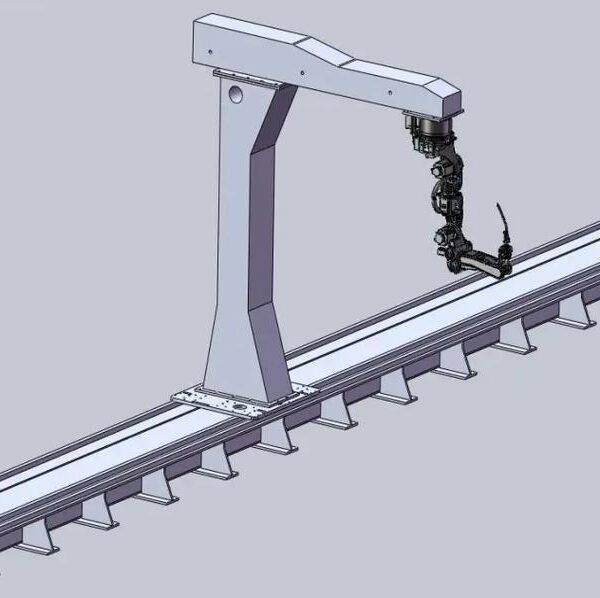

Cantilever Welding Robot solution
-
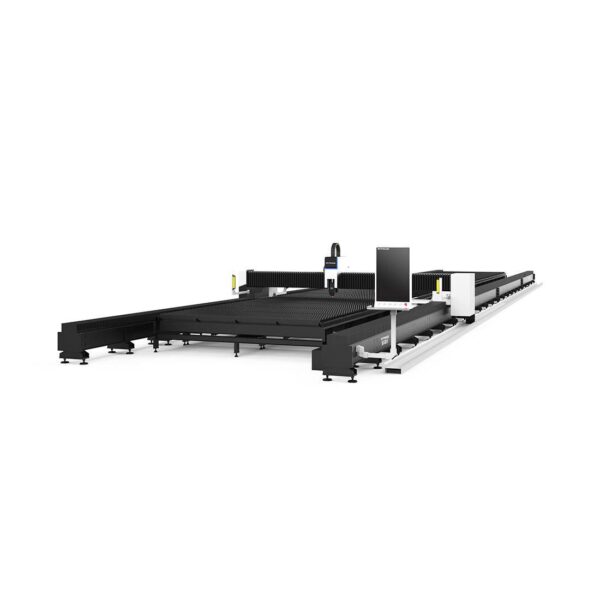

GF laser cutting machine
-
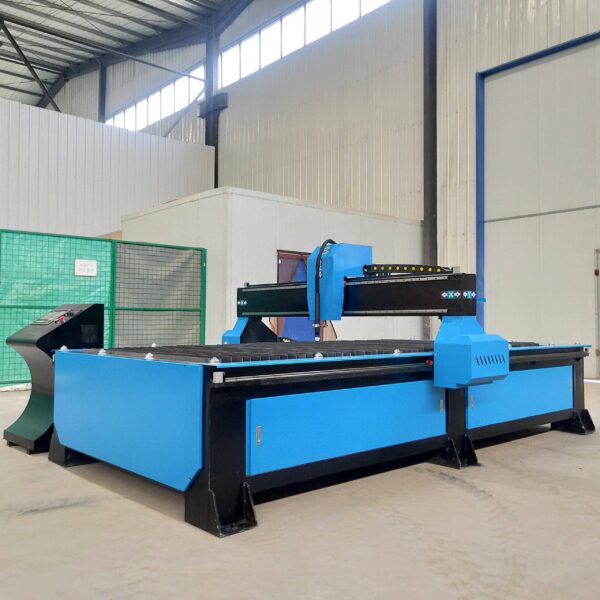
P3015 plasma cutting machine
-

LFP3015 Fiber Laser Cutter
-
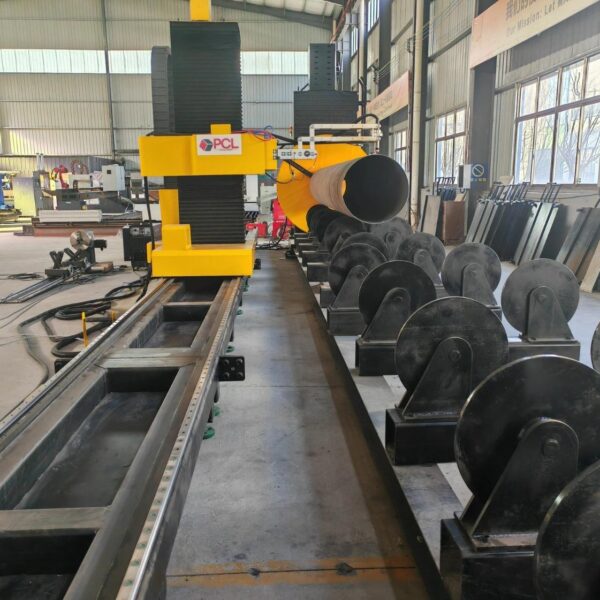
pipe plasma cutting machine
-
LFH 4020 Fiber Laser Cutting Machine
-
LFP4020
-
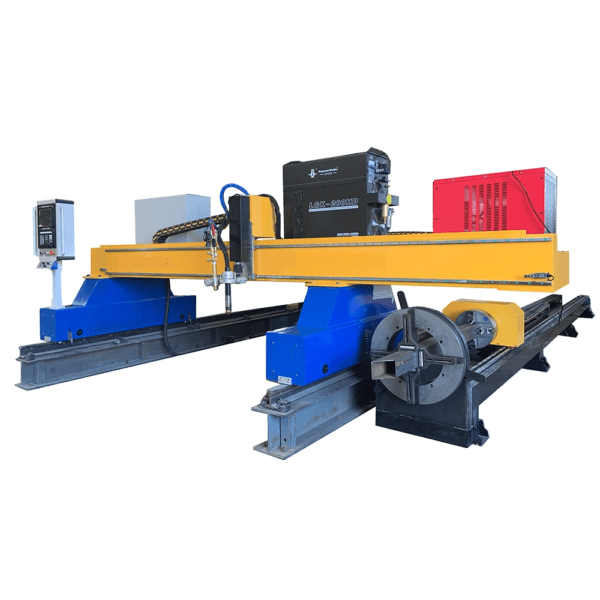
gantry plasma air cutting machine
-
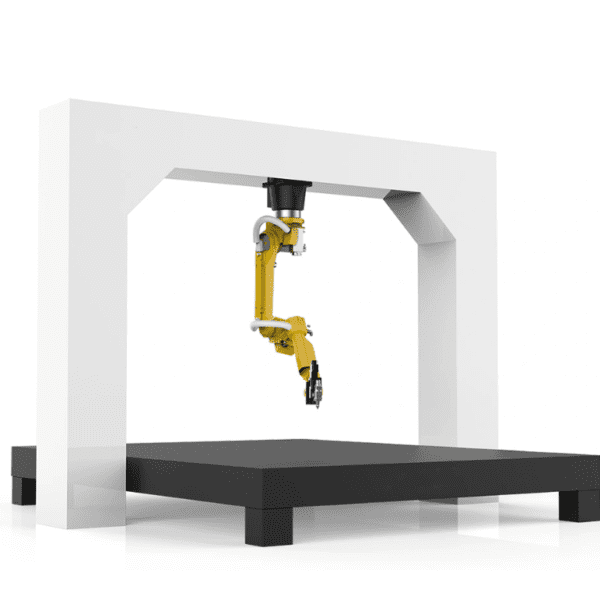
3D robot cutting machine
-
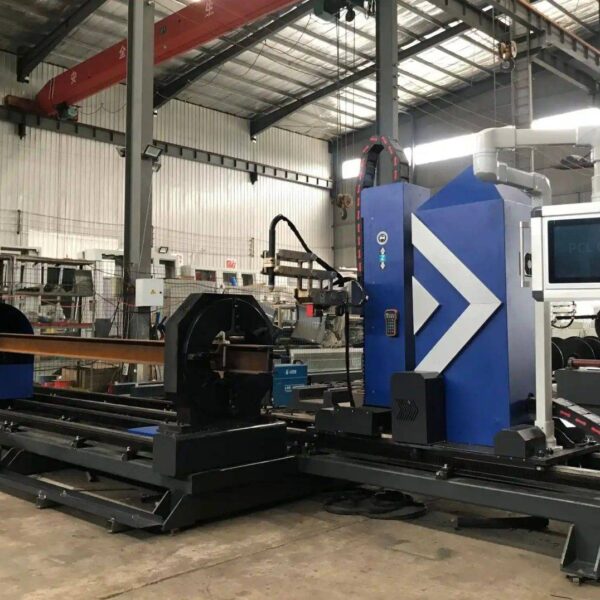
8 axis plasma cutting machine
-
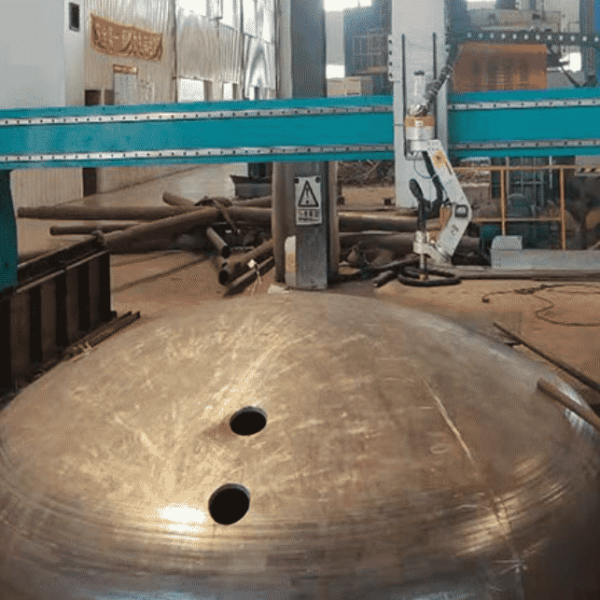
5 axis plasma cutting machine
-

LT360 tube laser cutting machine
-
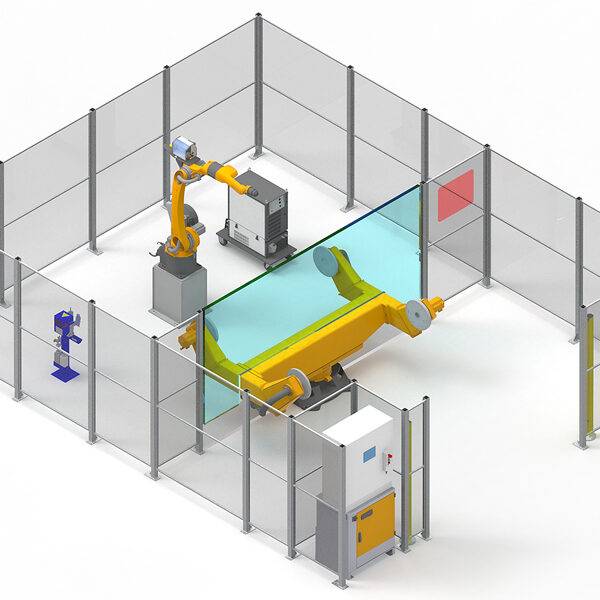
robot welding workstation
-
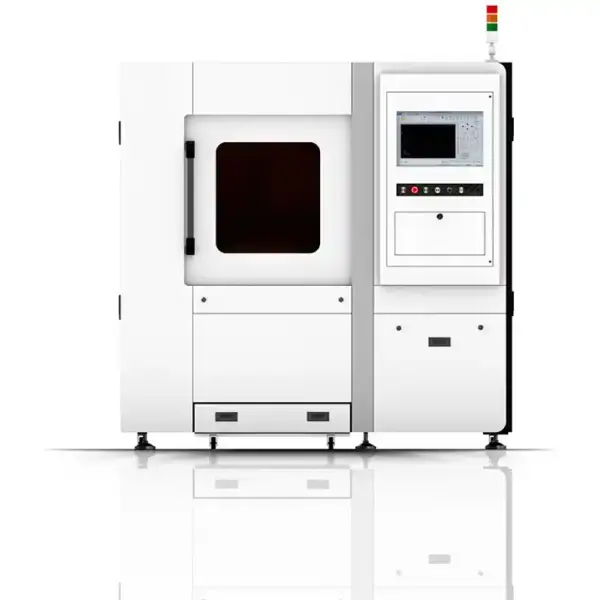
SF6060 fiber laser cutting machine
Advanced Fiber Laser Tube Processing Technology
Our CNC Fiber Laser Tube Cutting systems revolutionize metal fabrication by integrating high-precision cutting, punching, and profiling into a single automated workflow. Designed for versatility, this technology handles a wide array of profiles including Round, Square, Rectangular, and Oval tubes, as well as complex L-shaped and U-shaped channels.
- Precision Punching: High-speed hole punching with micron-level accuracy, eliminating the need for mechanical drilling or die-stamping.
- Complex Profiling: Advanced 3D pathing allows for intricate interlocking joints and specialized notch cuts, ideal for structural frames.
- High Material Efficiency: Intelligent nesting software minimizes scrap, reducing raw material costs across large production runs.
- Clean Finish: Delivers oxide-free, burr-free edges that require zero secondary grinding before welding.

Seamlessly processing multiple profiles with consistent precision.
Global Delivery & Logistics



From our high-tech manufacturing facility directly to your global site. PCL WeldCut ensures secure packaging, professional handling, and reliable international logistics to safeguard your equipment throughout the entire journey.