Field Commissioning Report: Fiber Laser Cobot Integration
Location: İkitelli Organized Industrial Zone, Istanbul, Turkey
Date: October 2023
1. Executive Summary of Field Operations
This report details the technical deployment and performance validation of an air-cooled 1.5kW Fiber Laser Cobot within a high-volume fabrication facility in Istanbul. The primary objective was to replace manual Gas Tungsten Arc Welding (GTAW) stations for Carbon Steel welding applications. Over a 14-day commissioning period, we evaluated the synergy between advanced Laser Technology and collaborative robotics, focusing on thermal management, bead morphology, and integration into the local manufacturing workflow. The Istanbul site, characterized by its fluctuating ambient temperatures and heavy industrial dust, provided a rigorous testing ground for the air-cooled architecture.
2. The Evolution of Laser Technology in Istanbul’s Manufacturing Hub
Istanbul’s metalworking sector, particularly in districts like İkitelli and Dudullu, is currently undergoing a rapid shift toward automation to combat rising labor costs and the scarcity of Grade-A certified welders. Traditional Laser Technology was previously confined to large, stationary CNC laser cells—expensive, rigid, and requiring significant floor space. The introduction of the Fiber Laser Cobot represents a paradigm shift. Unlike traditional robotic arms that require complex PLC integration and safety fencing, the cobot allows for a shared workspace, provided specific optical safety protocols are met.
The core of this system is a 1070nm ytterbium fiber source. In our Istanbul field tests, the transition from water-cooled to air-cooled systems was the primary variable. Water-cooled units often suffer in Turkish workshops due to mineral buildup in local water supplies and the maintenance overhead of chillers. The air-cooled Fiber Laser Cobot eliminates the chiller entirely, using high-velocity fans and heat-pipe technology to maintain the laser diode’s operating temperature. During a 40-degree Celsius afternoon in the workshop, the system maintained a 100% duty cycle on Carbon Steel welding without thermal shutdown, proving the robustness of the current air-cooling iteration.

3. Technical Synergy: Fiber Laser Cobot and Real-World Application
The synergy between the Fiber Laser Cobot and modern Laser Technology manifests most clearly in the “Lead-Through” programming capability. In Istanbul, where production runs often change weekly (from HVAC ducting to furniture frames), the ability to manually move the cobot arm to define a weld path is critical.
During the commissioning, we focused on “Wobble” parameters. Traditional laser welding has a very narrow fusion zone, making it sensitive to poor fit-up. However, the Fiber Laser Cobot software allows us to overlay a high-frequency oscillation (wobble) on the beam path. By adjusting the wobble width to 2.5mm and frequency to 150Hz, we successfully bridged gaps in Carbon Steel welding that would have typically required manual filler wire. This synergy reduces the need for precision machining of raw materials, which is a significant cost-saving factor for local Turkish fabricators who may be working with standard-tolerance hot-rolled steel.
4. Performance Metrics: Carbon Steel Welding Analysis
The primary material processed was S235JR and S355J2 carbon steel, ranging from 1.2mm to 4.5mm in thickness. Carbon Steel welding with fiber lasers requires a precise balance of power density and travel speed to avoid center-line cracking or excessive spatter.
4.1 Penetration and Heat Affected Zone (HAZ)
Compared to traditional MIG/MAG welding, the Laser Technology employed here reduced the Heat Affected Zone by approximately 75%. On 3mm carbon steel lap joints, we achieved full penetration at a travel speed of 25mm/s with a power setting of 1200W. The resulting grain structure in the HAZ showed minimal coarsening, which translates to better structural integrity under fatigue loading. For the Istanbul client, this meant they could weld pre-painted or thin-gauge carbon steel without the significant warping (oil-canning) that previously plagued their manual lines.
4.2 Shielding Gas Dynamics
A lesson learned during the Istanbul field test involved gas purity. We initially used standard industrial-grade Argon, but found that a 100% Nitrogen shield or a high-purity Argon mix provided a cleaner finish on Carbon Steel welding. The Fiber Laser Cobot‘s integrated gas nozzle must be maintained at a strict 10mm-15mm stand-off distance. We observed that in the dusty environment of an Istanbul workshop, the protective lens required cleaning every 4 hours of arc-on time to prevent beam divergence and localized overheating of the optics.
5. Field Observations: Lessons Learned in Istanbul
Deploying a Fiber Laser Cobot is not a “plug-and-play” endeavor. It requires a fundamental shift in how the workshop views “Laser Technology”.
Lesson 1: Grounding and Power Stability
Istanbul’s industrial grid can experience voltage sags. Fiber lasers are sensitive to these fluctuations. We had to install a dedicated voltage stabilizer to ensure the Fiber Laser Cobot did not trip its internal low-voltage sensors. Senior engineers should always audit the site’s electrical infrastructure before recommending a fiber laser solution.
Lesson 2: The “Human” Integration
Local welders in Istanbul were initially skeptical of the Fiber Laser Cobot, fearing replacement. However, once they realized the cobot handled the repetitive 2-meter long seams on Carbon Steel welding—leaving them to handle the complex, multi-axis tacking—the adoption rate skyrocketed. The cobot is a tool for the welder, not a replacement for him.
Lesson 3: Safety Enclosures
The most critical challenge was the implementation of “Class 4” laser safety in an open-plan workshop. We designed a modular, interlocked welding curtain system. Because Laser Technology involves high-energy reflections (specular reflections) off carbon steel, a stray beam could be hazardous. We mandated the use of OD7+ rated safety eyewear for all personnel within a 5-meter radius of the cobot cell.
6. Optimization of Parameters for Carbon Steel
To maximize the efficiency of Carbon Steel welding, we developed a specific parameter matrix for the Istanbul site:
- 1.5mm Sheet: 800W, 40mm/s, 1.5mm Circle Wobble. Result: Zero distortion, aesthetic bead.
- 3.0mm Plate: 1300W, 18mm/s, 2.0mm Figure-8 Wobble. Result: Deep penetration with minimal spatter.
- 4.5mm Plate: 1500W (Max), 8mm/s, 1.2mm Line Wobble. Result: Functional structural weld, though speed advantage over MIG decreases at this thickness.
7. Comparison: Manual vs. Fiber Laser Cobot
In the Istanbul facility, a manual welder produced 12 units of carbon steel cabinets per shift. With the Fiber Laser Cobot, the output increased to 45 units per shift. The Laser Technology allows for “Stitch Welding” functions that are perfectly consistent, something impossible for a human to replicate over an 8-hour period. Furthermore, the post-weld grinding process—which typically accounted for 30% of the labor time—was eliminated because the fiber laser produces a flush, slag-free bead on Carbon Steel welding.
8. Conclusion and Recommendations
The deployment of the air-cooled Fiber Laser Cobot in Istanbul confirms that Laser Technology has matured to a point where it can survive outside of laboratory conditions. For Carbon Steel welding, the benefits in speed, heat control, and reduced post-processing are undeniable.
Recommendations for future Istanbul deployments:
- Climate Control: While the air-cooled system works, ensuring the intake filters are cleaned weekly is mandatory due to the high particulate count in Istanbul’s industrial zones.
- Fixture Rigidity: Because the Fiber Laser Cobot moves with high precision, the jigs used for carbon steel must be more rigid than those used for manual welding. Even a 0.5mm deviation can affect the focal point of the laser.
- Operator Training: Focus training on “Laser Safety” and “Optics Maintenance” rather than “Robot Programming,” as the cobot’s UI is intuitive enough for most veteran welders to learn in a single afternoon.
The synergy between the cobot’s precision and the fiber laser’s energy density offers a competitive edge that will likely become the standard for Turkish metal fabrication within the next 24 months.
Signed,
Senior Welding Engineer
Field Operations Division
-
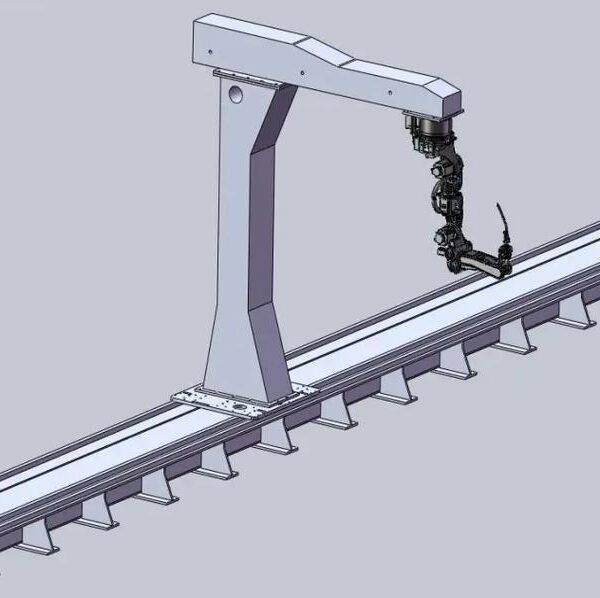

Cantilever Welding Robot solution
-
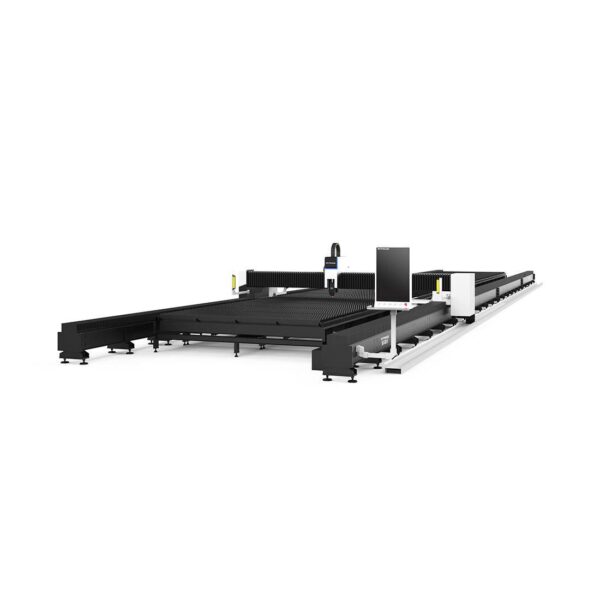

GF laser cutting machine
-
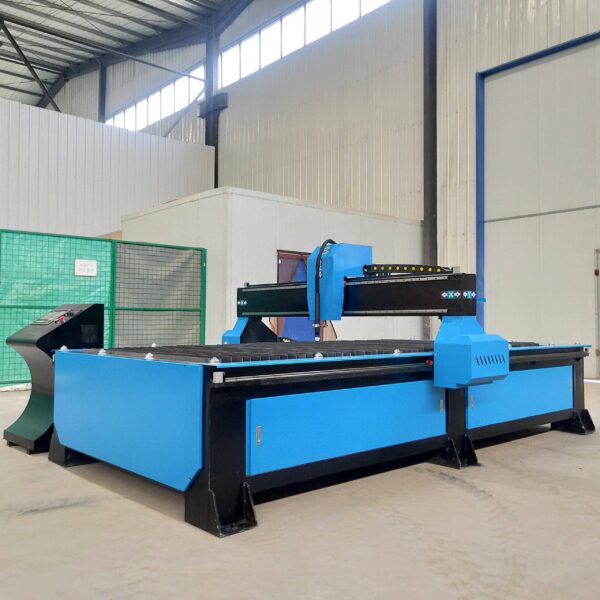
P3015 plasma cutting machine
-

LFP3015 Fiber Laser Cutter
-

pipe plasma cutting machine
-
LFH 4020 Fiber Laser Cutting Machine
-
LFP4020
-
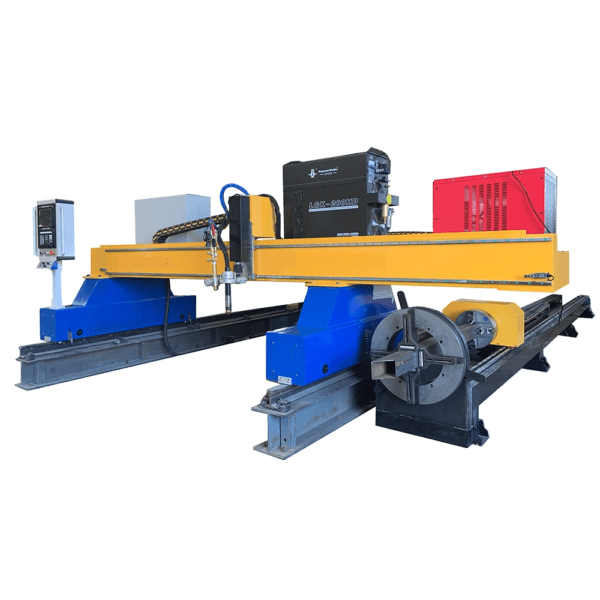
gantry plasma air cutting machine
-
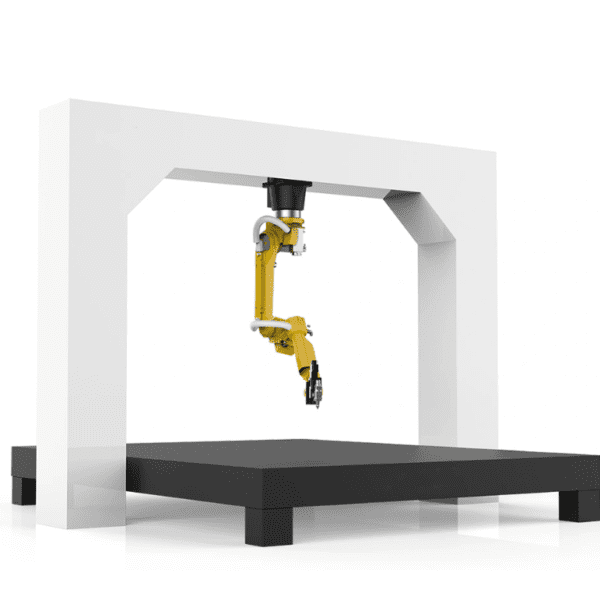
3D robot cutting machine
-
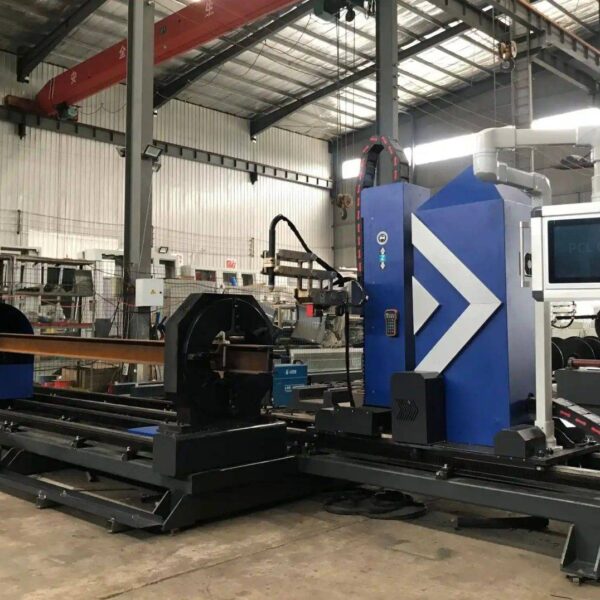
8 axis plasma cutting machine
-
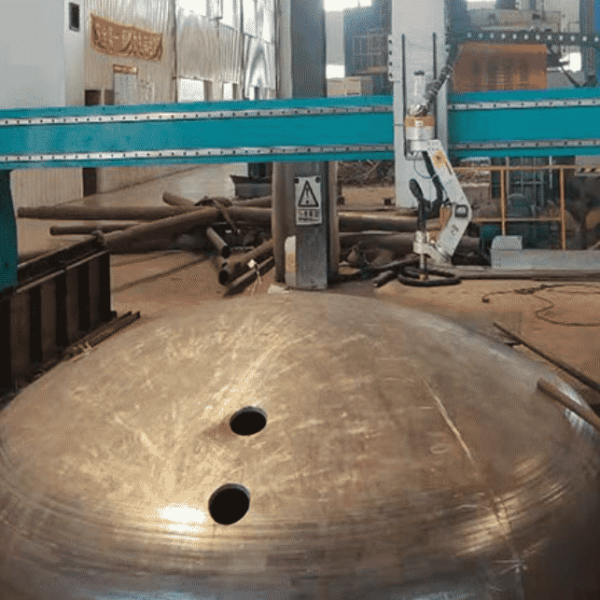
5 axis plasma cutting machine
-

LT360 tube laser cutting machine
-
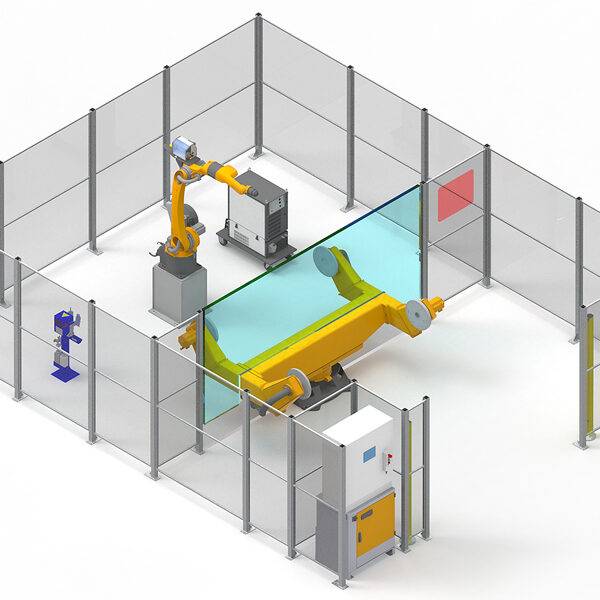
robot welding workstation
-
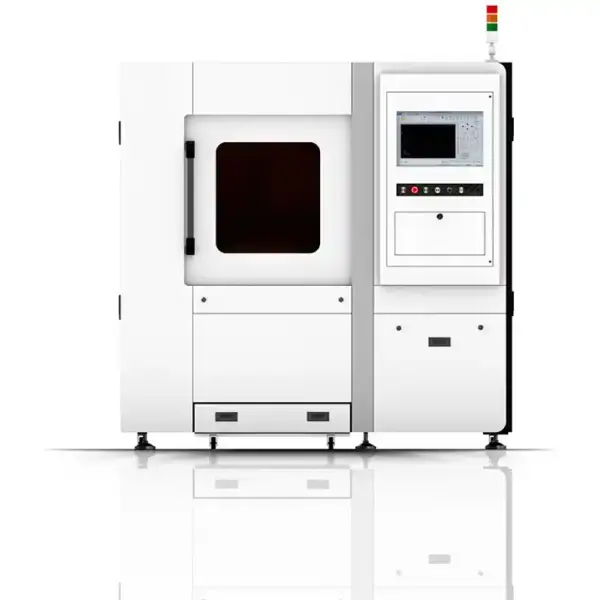
SF6060 fiber laser cutting machine
Advanced Fiber Laser Tube Processing Technology
Our CNC Fiber Laser Tube Cutting systems revolutionize metal fabrication by integrating high-precision cutting, punching, and profiling into a single automated workflow. Designed for versatility, this technology handles a wide array of profiles including Round, Square, Rectangular, and Oval tubes, as well as complex L-shaped and U-shaped channels.
- Precision Punching: High-speed hole punching with micron-level accuracy, eliminating the need for mechanical drilling or die-stamping.
- Complex Profiling: Advanced 3D pathing allows for intricate interlocking joints and specialized notch cuts, ideal for structural frames.
- High Material Efficiency: Intelligent nesting software minimizes scrap, reducing raw material costs across large production runs.
- Clean Finish: Delivers oxide-free, burr-free edges that require zero secondary grinding before welding.

Seamlessly processing multiple profiles with consistent precision.
Global Delivery & Logistics



From our high-tech manufacturing facility directly to your global site. PCL WeldCut ensures secure packaging, professional handling, and reliable international logistics to safeguard your equipment throughout the entire journey.