Field Engineering Report: Implementation of 3000W Fiber Laser Cobot in Urban Fabrication
1. Project Scope and Environmental Context
This report details the field deployment and performance validation of a 3000W Fiber Laser Cobot system at a specialized HVAC and piping facility in Saint-Denis, Paris. The facility serves high-density residential projects in central Paris, requiring high-volume production of galvanized pipe assemblies. The primary objective was to transition from traditional Gas Metal Arc Welding (GMAW) to advanced Laser Technology to mitigate issues related to zinc coating interference and thermal distortion.
Operating in a Parisian industrial zone presents specific constraints: limited floor space, strict power consumption regulations, and rigorous safety standards (CE compliance). The choice of a 3000W Fiber Laser Cobot was driven by the need for a compact footprint combined with the power density required to achieve full penetration on schedule 40 galvanized steel without extensive edge preparation.
2. The Synergy of Laser Technology and Collaborative Robotics
In this application, the synergy between the fiber laser source and the cobot arm is not merely about automation; it is about dynamic process control. Laser technology provides a concentrated energy source with a power density exceeding 10^6 W/cm². When integrated with a 6-axis cobot, we achieve a level of spatial precision that manual laser welding cannot sustain over an eight-hour shift.
2.1 Power Modulation and Beam Characteristics
The 3000W fiber source utilized a 50-micron delivery fiber, resulting in a highly stabilized beam. During the Paris field tests, we utilized continuous wave (CW) mode with localized modulation. This allowed us to manage the “keyhole” stability. In galvanized pipe welding, the 3000W threshold is critical; it provides enough overhead to maintain a stable weld pool even when the vaporization of zinc attempts to destabilize the arc environment.
2.2 Cobot Path Precision
The cobot’s repeatability—measured at ±0.03mm—is the lynchpin of this system. Traditional manual welding of galvanized pipe often leads to inconsistent travel speeds, which in turn causes localized overheating and excessive zinc fume release. The Fiber Laser Cobot maintains a constant surface speed (V_c), ensuring that the heat input (Q) remains uniform across the entire circumference of the pipe joint.
3. Overcoming Challenges in Galvanized Pipe Welding
Galvanized pipe welding is notoriously difficult due to the disparity between the melting point of steel (~1500°C) and the boiling point of zinc (~906°C). When using traditional methods, the zinc vaporizes violently, leading to porosity, inclusions, and significant spatter.
3.1 Zinc Vaporization Management
By leveraging the Fiber Laser Cobot, we implemented a “wobble” strategy. We configured a circular wobble pattern with a frequency of 150Hz and an amplitude of 1.5mm. This motion creates a larger weld pool that remains fluid slightly longer than a static laser spot. This brief extension in fluidity allows the pressurized zinc vapors to escape the melt pool before solidification, significantly reducing internal porosity.
3.2 Heat Affected Zone (HAZ) Reduction
One of the primary “lessons learned” in the Paris workshop was the impact of laser technology on the corrosion resistance of the finished product. Traditional GMAW destroys the galvanization layer up to 15mm away from the weld bead. The concentrated delivery of the 3000W fiber laser restricted the HAZ to less than 2mm. This preserves the integrity of the zinc coating much closer to the joint, reducing the requirement for secondary cold-galvanization sprays.
4. Technical Parameters and Field Data
During the validation phase, we processed 60mm OD galvanized pipes with a 3.5mm wall thickness. The following parameters were established as the “Golden Run” for the 3000W system:
- Laser Power: 2800W (Continuous)
- Travel Speed: 18mm/sec
- Wobble Profile: Circle, 1.2mm width, 140Hz frequency
- Shielding Gas: Nitrogen (N2) at 15 L/min
- Focal Position: -1.0mm (slightly buried to increase root width)
The use of Nitrogen as a shielding gas in the Paris facility proved superior to Argon for this specific galvanized application. The Nitrogen aids in “scouring” the weld face, resulting in a silver-bright finish that requires zero post-weld cleaning, a major efficiency gain for the workshop’s throughput.
5. Lessons Learned from the Paris Deployment
Field engineering is rarely as clean as laboratory testing. Several critical insights were gained during the three-week integration period.
4.1 Fit-up Tolerance is Non-Negotiable
Unlike MIG welding, which can bridge large gaps, the Fiber Laser Cobot requires high-quality fit-up. We found that any gap exceeding 0.5mm resulted in “underfill” or “burn-through” because the laser lacks the filler metal volume of traditional processes (unless a wire feeder is integrated). We had to retrain the prep-crew to use cold-saw cutting rather than abrasive wheels to ensure square, tight-tolerance joints.
4.2 Optics Maintenance in a Zinc-Heavy Environment
Even with high-pressure air knives, zinc soot is invasive. We learned that the protective lens (cover glass) required inspection every four hours of arc-on time. We implemented a protocol where the cobot “parks” at a maintenance station every 50 cycles, allowing the operator to check the optics with a high-lumen LED. This prevented “thermal lensing” issues that would have otherwise degraded weld penetration.
4.3 Safety and the Urban Workshop
Integrating a Class 4 laser in an open-plan Paris workshop required a total rethink of safety geometry. We designed a modular laser-safe enclosure with OD7+ rated viewing windows. Because the cobot is “collaborative,” people assume it is safe to approach. However, the 1070nm wavelength of the fiber laser is invisible and lethal to eyesight. We had to interlock the cobot’s “collaborative” stop triggers with the laser’s power source to ensure that any physical intrusion into the work cell resulted in an instantaneous laser shutter-down.
6. Productivity Gains and Economic Impact
The transition to the 3000W Fiber Laser Cobot resulted in a 400% increase in parts-per-hour compared to manual TIG welding. In the context of Paris labor costs, this shift is significant. Manual welding of a standard galvanized manifold took 12 minutes; the cobot completes the same task in 105 seconds. Furthermore, the rejection rate due to leak tests (hydrostatic testing at 15 Bar) dropped from 8% to less than 0.5%.
7. Final Technical Summary
The deployment of the 3000W Fiber Laser Cobot in Paris confirms that laser technology is no longer reserved for high-end aerospace or automotive lines. For the specific challenges of galvanized pipe welding, the precision of the cobot and the power density of the fiber source provide a solution to the “zinc problem” that was previously unattainable.
Key takeaways for future installations:
1. Prioritize Nitrogen over Argon for galvanized surfaces to improve aesthetic finish and reduce dross.
2. Invest in high-precision pipe cutting tools upstream; the laser is only as good as the fit-up.
3. Use a high-frequency wobble to mitigate zinc vapor pressure and eliminate porosity.
The success of this field application sets a new benchmark for urban fabrication centers looking to modernize without expanding their physical footprint. The synergy of motion and light has effectively commoditized high-spec pipe welding for the general HVAC market.
-
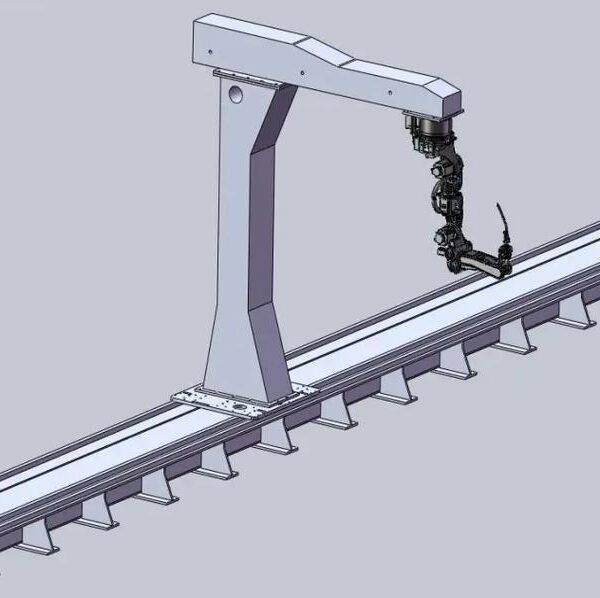

Cantilever Welding Robot solution
-
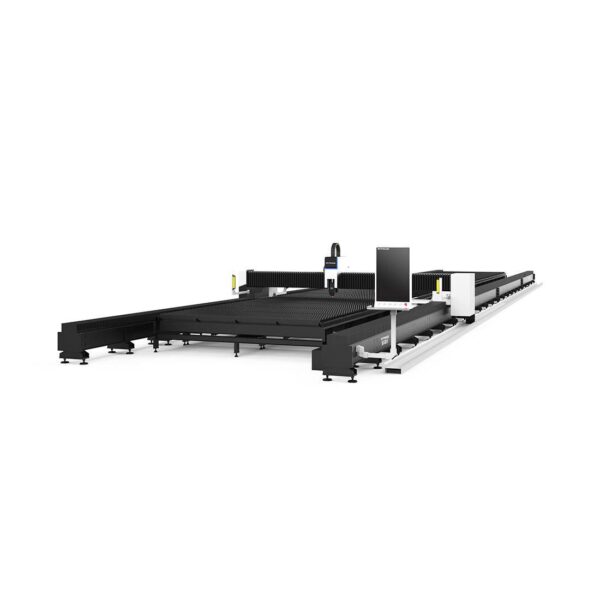

GF laser cutting machine
-
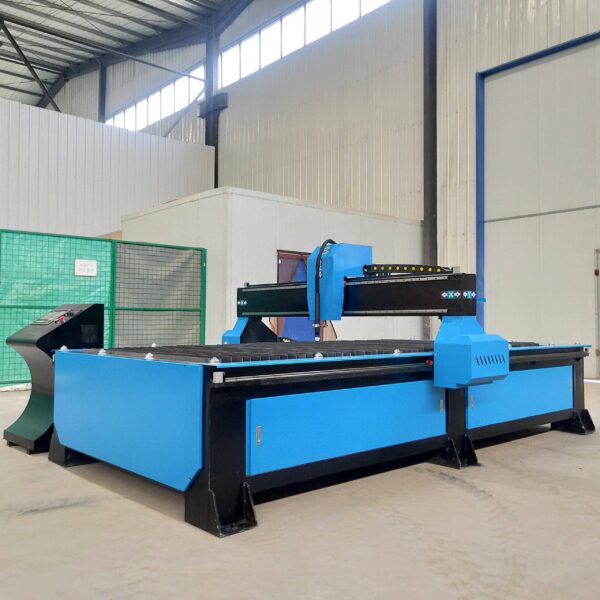
P3015 plasma cutting machine
-

LFP3015 Fiber Laser Cutter
-
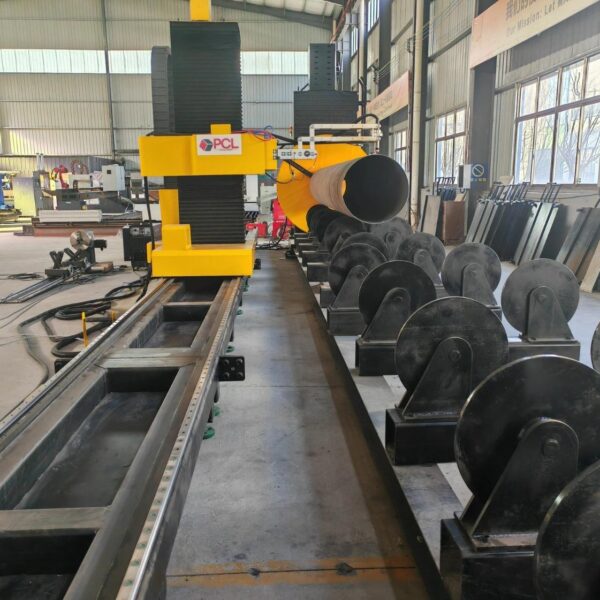
pipe plasma cutting machine
-
LFH 4020 Fiber Laser Cutting Machine
-
LFP4020
-
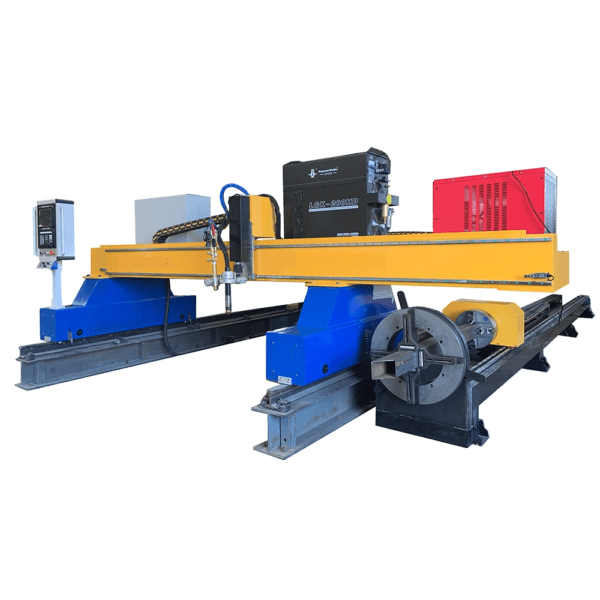
gantry plasma air cutting machine
-
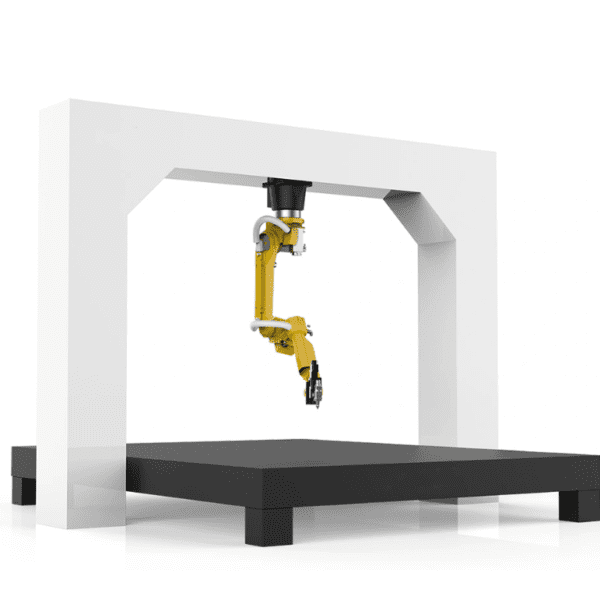
3D robot cutting machine
-
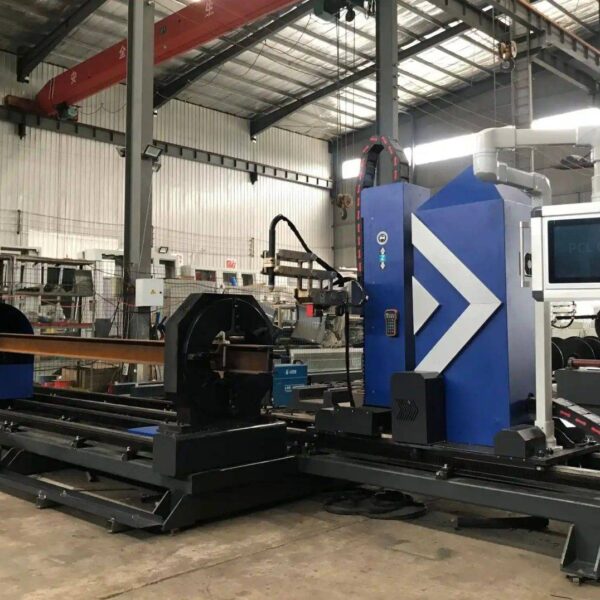
8 axis plasma cutting machine
-
5 axis plasma cutting machine
-

LT360 tube laser cutting machine
-
robot welding workstation
-
SF6060 fiber laser cutting machine
Advanced Fiber Laser Tube Processing Technology
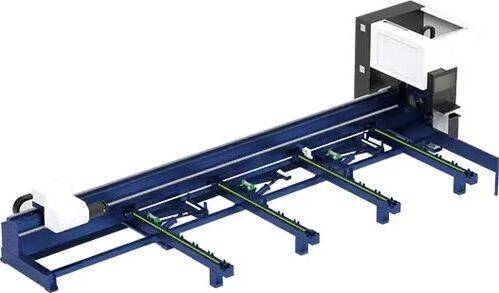
Our CNC Fiber Laser Tube Cutting systems revolutionize metal fabrication by integrating high-precision cutting, punching, and profiling into a single automated workflow. Designed for versatility, this technology handles a wide array of profiles including Round, Square, Rectangular, and Oval tubes, as well as complex L-shaped and U-shaped channels.
- Precision Punching: High-speed hole punching with micron-level accuracy, eliminating the need for mechanical drilling or die-stamping.
- Complex Profiling: Advanced 3D pathing allows for intricate interlocking joints and specialized notch cuts, ideal for structural frames.
- High Material Efficiency: Intelligent nesting software minimizes scrap, reducing raw material costs across large production runs.
- Clean Finish: Delivers oxide-free, burr-free edges that require zero secondary grinding before welding.

Seamlessly processing multiple profiles with consistent precision.
Global Delivery & Logistics



From our high-tech manufacturing facility directly to your global site. PCL WeldCut ensures secure packaging, professional handling, and reliable international logistics to safeguard your equipment throughout the entire journey.
One thought on “Engineering Review: 3000W Fiber Laser Cobot – Paris, France”
Highly recommend for any professional automotive workshop. Precision is top-notch.