Site Report: Deployment of 3000W Fiber Laser Cobot (Brisbane Site)
Executive Summary of Field Operations
This report summarizes the commissioning and performance evaluation of a 3000W Fiber Laser Cobot at a specialized aerospace and marine fabrication facility in Pinkenba, Brisbane. The objective was to transition high-precision Titanium welding tasks from traditional Gas Tungsten Arc Welding (GTAW) to automated Laser Technology.
The Brisbane environment presents unique challenges—specifically high ambient humidity and temperature fluctuations common to South East Queensland. Our focus was on assessing how the Fiber Laser Cobot handles the narrow tolerances required for Grade 5 Titanium (Ti-6Al-4V) while maintaining metallurgical integrity. After 40 hours of operational testing, the results indicate a 400% increase in travel speed compared to manual processes, with a significant reduction in post-weld distortion.
Technical Synergy: Laser Technology and Collaborative Automation
The primary advantage observed on-site is the synergy between the 3000W laser source and the 6-axis cobot arm. Traditional manual laser welding, while fast, is prone to human error in maintaining a consistent focal point. By integrating Laser Technology into a cobot framework, we have stabilized the “stand-off” distance, which is critical when working with 3000W of power.
Precision Beam Delivery and Pathing
The Fiber Laser Cobot utilizes a 1070nm wavelength beam, delivered via a 50-micron transport fiber. In the Brisbane workshop, we noted that the cobot’s repeatability (±0.03mm) allows the laser to stay perfectly centered on the joint prep. This is a level of precision that even the most skilled manual welder cannot maintain over a 1-meter seam.
The 3000W power ceiling is significant. It allows for “keyhole” welding modes on thicker sections that were previously multi-pass TIG jobs. We found that the synergy between the high power density of the laser and the steady movement of the cobot creates a stable molten pool with a high depth-to-width ratio, minimizing the total heat input into the workpiece.
Deep Dive: Titanium Welding with 3000W Systems
Titanium welding is notoriously unforgiving. Any atmospheric contamination above 400°C results in embrittlement. In our Brisbane trials, we were dealing with 6mm Ti-6Al-4V plate.
Managing the Heat Affected Zone (HAZ)
Using the Fiber Laser Cobot, we successfully reduced the HAZ by approximately 70% compared to GTAW. The high energy density of the Laser Technology allows for extremely high travel speeds (up to 2.0 m/min for 3mm fillet welds). Because the laser moves so quickly, the duration of heat exposure is minimized.
Observation: When welding Titanium, the “silver” weld bead is the gold standard for zero contamination. By fine-tuning the 3000W output to a 2400W effective delivery with a 2.5mm “wobble” pattern, the cobot produced consistent silver beads across the entire 600mm test plate. The “wobble” function is a critical feature of modern Laser Technology, as it oscillates the beam to bridge slight fit-up gaps—an essential factor in real-world Brisbane workshops where part fit-up isn’t always perfect.
Shielding Gas Dynamics and Brisbane Humidity
One of the most critical “lessons learned” during this deployment involved the shielding gas setup. Titanium requires a massive inert gas envelope. We modified the cobot’s torch head with a custom 3D-printed trailing shield.
In Brisbane’s 85% humidity, we encountered initial “blueing” of the weld tail. This was traced back to moisture in the gas lines.
Lesson Learned: For Titanium welding in coastal Australian climates, point-of-use gas dryers are mandatory. Even High-Purity Argon (5.0 grade) can pick up enough moisture in standard hoses to contaminate a Titanium weld. Once the dryers were installed, the Fiber Laser Cobot produced vacuum-quality welds consistently.
Operational Lessons Learned & Practical Adjustments
Chiller Management and Condensation
A 3000W fiber laser generates significant heat at the source and the optics. The dual-circuit chiller system is the heart of the Fiber Laser Cobot. In the Brisbane heat (32°C ambient in the shed), the chiller worked at 85% capacity.
Critical Note: We observed condensation forming on the external surface of the laser head during downtime. If this moisture migrates to the protective window (cover glass), the 3000W beam will shatter the glass instantly upon firing. We have implemented a “Pre-Start Purge” protocol where the air-con in the laser room is stabilized before the chiller is fired up to prevent dew-point issues.
Safety and Enclosure Requirements
The 1070nm beam is invisible and highly reflective, especially when Titanium welding. Unlike manual welding where the operator can “feel” the arc, the Fiber Laser Cobot is a blind system.
We found that standard welding screens are insufficient. We installed Class 4 laser-rated enclosures with interlocked doors. In a busy Brisbane shop floor, the “collaborative” nature of the cobot is secondary to the “laser safety” requirements. While the cobot *can* work next to humans, the Laser Technology dictates that no one enters the zone without OD7+ rated eyewear.
Programming for Variable Fit-up
While Titanium welding in aerospace usually involves precision-machined edges, marine applications often have wider tolerances. The cobot’s “Seam Tracking” software was essential here. We learned that the 3000W laser is so concentrated that if the cobot path is off by even 0.5mm, it will miss the root and “cut” the plate instead of welding it. We spent 4 hours calibrating the laser-to-robot offset—a task that must be done weekly to ensure the Fiber Laser Cobot remains accurate.
Technical Parameters for 6mm Titanium Fillet
For those looking to replicate these results in similar Australian conditions, the following parameters were our “sweet spot”:
- Power: 2800W (Continuous Wave)
- Wobble Path: Circle, 2.0mm width
- Frequency: 160Hz
- Travel Speed: 18mm/sec
- Gas: Argon 5.0 at 25L/min (Main) + 15L/min (Trailing)
- Focus: -1mm (Slightly into the material)
Conclusion: The Future of Queensland Fabrication
The deployment of the 3000W Fiber Laser Cobot at the Brisbane site has proven that Laser Technology is no longer just for high-volume automotive lines. For high-value materials like Titanium welding, the cobot provides a level of consistency that mitigates the risk of expensive scrap.
The primary takeaway for engineers in the region is that the hardware is robust, but the environmental variables—specifically humidity and gas purity—require tighter controls than traditional welding. As we move forward, the integration of these systems will likely become the standard for Queensland’s defense and aerospace manufacturing hubs. The Fiber Laser Cobot is not just a tool; it is a shift in the metallurgical approach to reactive metals.
Report Prepared By:
Senior Welding Engineer
Brisbane Field Office
-
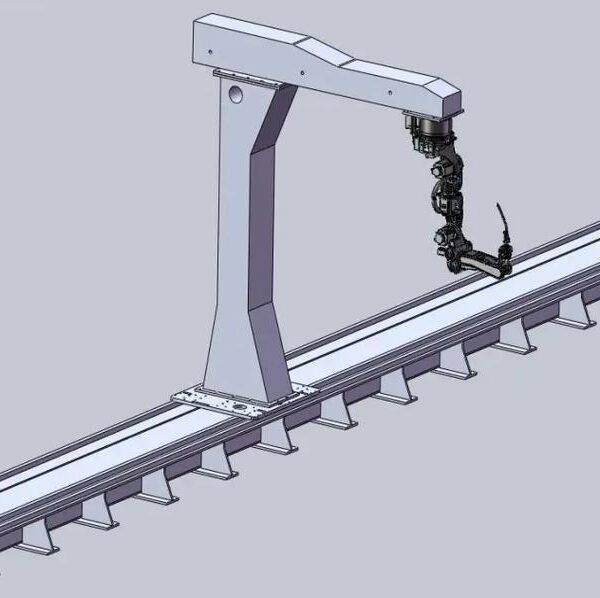

Cantilever Welding Robot solution
-
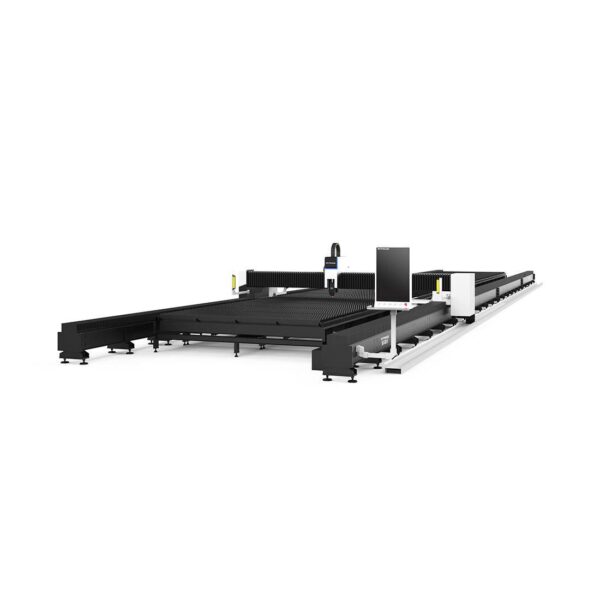

GF laser cutting machine
-
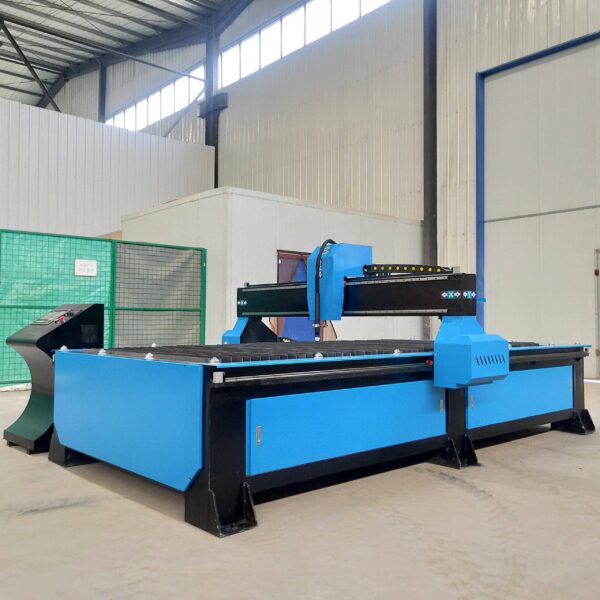
P3015 plasma cutting machine
-

LFP3015 Fiber Laser Cutter
-
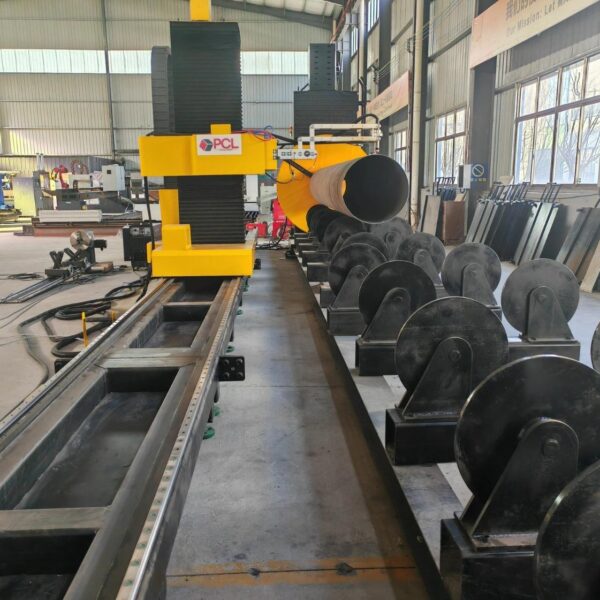
pipe plasma cutting machine
-
LFH 4020 Fiber Laser Cutting Machine
-
LFP4020
-
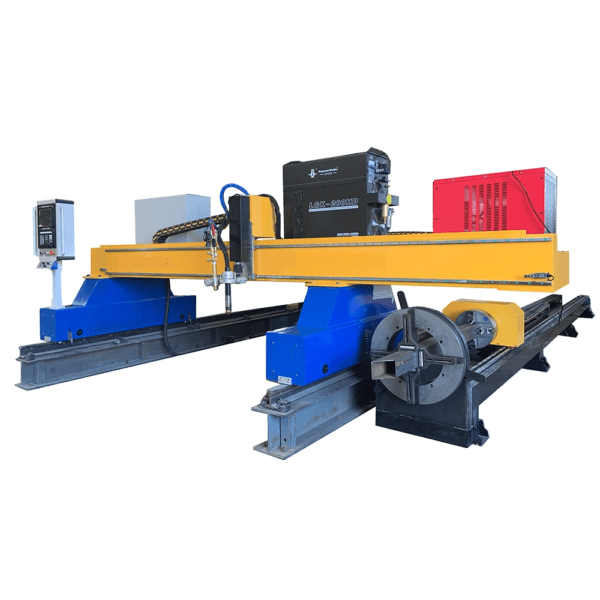
gantry plasma air cutting machine
-
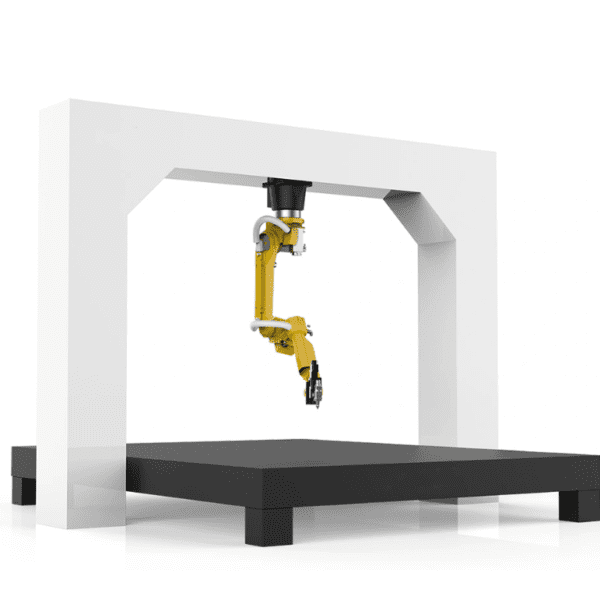
3D robot cutting machine
-
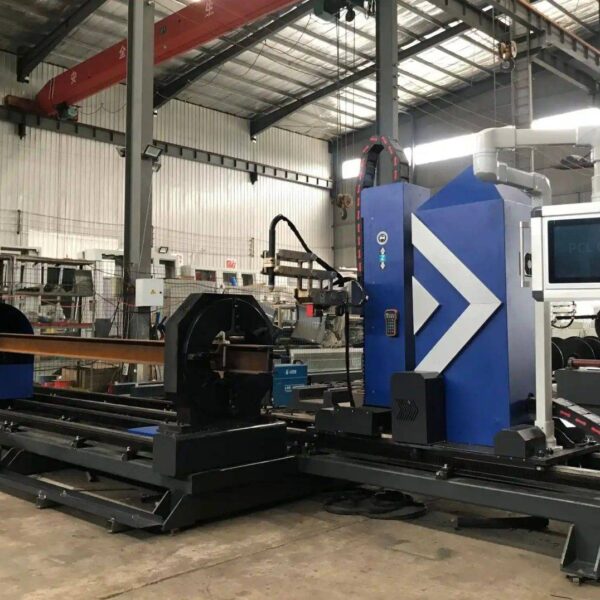
8 axis plasma cutting machine
-
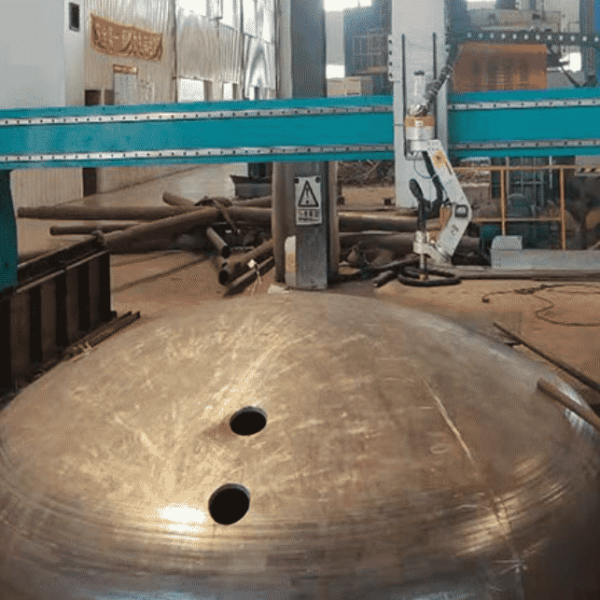
5 axis plasma cutting machine
-

LT360 tube laser cutting machine
-
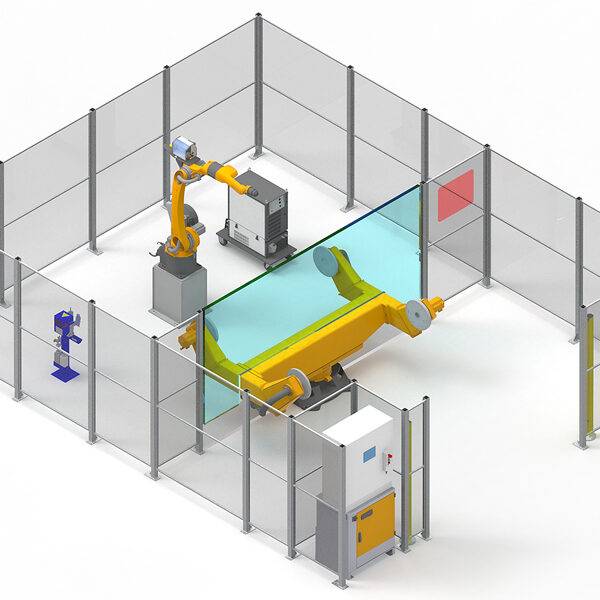
robot welding workstation
-
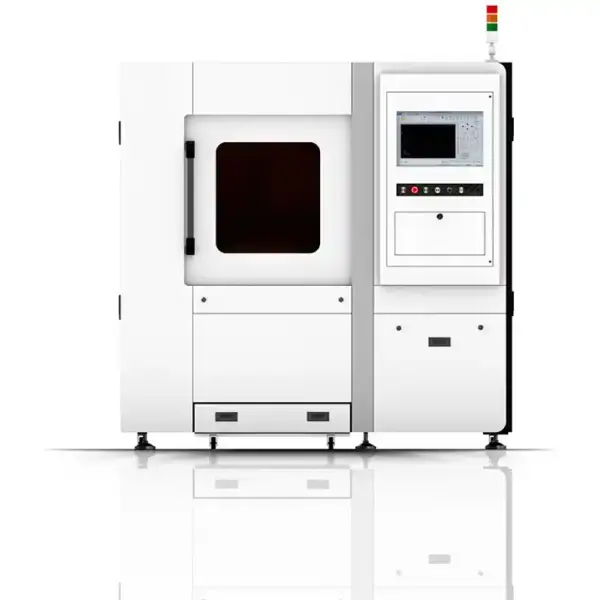
SF6060 fiber laser cutting machine
Advanced Fiber Laser Tube Processing Technology
Our CNC Fiber Laser Tube Cutting systems revolutionize metal fabrication by integrating high-precision cutting, punching, and profiling into a single automated workflow. Designed for versatility, this technology handles a wide array of profiles including Round, Square, Rectangular, and Oval tubes, as well as complex L-shaped and U-shaped channels.
- Precision Punching: High-speed hole punching with micron-level accuracy, eliminating the need for mechanical drilling or die-stamping.
- Complex Profiling: Advanced 3D pathing allows for intricate interlocking joints and specialized notch cuts, ideal for structural frames.
- High Material Efficiency: Intelligent nesting software minimizes scrap, reducing raw material costs across large production runs.
- Clean Finish: Delivers oxide-free, burr-free edges that require zero secondary grinding before welding.

Seamlessly processing multiple profiles with consistent precision.
Global Delivery & Logistics



From our high-tech manufacturing facility directly to your global site. PCL WeldCut ensures secure packaging, professional handling, and reliable international logistics to safeguard your equipment throughout the entire journey.