Field Evaluation Report: 3000W All-in-one Cobot Station Implementation
Site Location: Industrial Tool & Die Facility – Savannah, Georgia, USA
Executive Summary
This report details the technical deployment and performance validation of a 3000W All-in-one Cobot Station within a high-throughput tool steel repair environment. The primary objective was to transition from manual GTAW (TIG) processes to automated laser welding to address backlogs in refurbishing injection molding dies and stamping components. In the humid, variable climate of coastal Georgia, the hardware’s thermal management and the precision of Collaborative Robotics were put to a rigorous test.
The integration of a high-power 3000W fiber laser into a mobile, unified chassis—the All-in-one Cobot Station—represents a significant shift in shop-floor ergonomics and metallurgical control, particularly concerning the high-carbon alloys characteristic of Tool Steel welding.
The Synergy of the All-in-one Cobot Station and Collaborative Robotics
Integration vs. Modular Chaos
In a typical Georgia workshop, floor space is at a premium, and environmental factors like high ambient humidity can wreak havoc on sensitive electronics and cooling loops. Traditional automated cells require separate cabinets for the laser source, the chiller, the wire feeder, and the robot controller. The All-in-one Cobot Station consolidates these into a single, shielded footprint.
During this deployment, the synergy between the station’s design and Collaborative Robotics became evident during the “teach-by-touch” phase. Unlike traditional industrial robots that require a safety cage and complex PLC programming, the cobot arm allows the welding engineer to physically guide the torch head to the weld start point. In a tool and die shop where no two repairs are identical, this flexibility is mandatory. The “All-in-one” aspect ensures that as the cobot moves, the wire tension and laser delivery fiber remain at a constant geometry, preventing the micro-stuttering that often plagues modular setups.
Operational Stability in the Georgia Climate
Humidity levels in Savannah often exceed 80%, which can lead to condensation within laser optics or inconsistent shielding gas behavior. The integrated environmental controls within the 3000W station maintained the internal temperature of the laser source at a constant 22°C (71.6°F), preventing dew point issues. This stability is critical when the Collaborative Robotics system is executing long-path welds where even a slight fluctuation in beam quality would lead to porosity—a death sentence for high-pressure tool steel components.
Technical Analysis: Tool Steel Welding Parameters
The Metallurgical Challenge
Tool Steel welding (specifically H13, D2, and S7 grades) is notoriously difficult due to the risk of hydrogen-induced cracking and the formation of brittle martensite in the heat-affected zone (HAZ). Conventional TIG welding introduces massive heat input, often requiring extensive pre-heating and post-weld heat treatment (PWHT) to prevent base metal distortion.
By utilizing the 3000W All-in-one Cobot Station, we were able to leverage the high power density of a fiber laser to achieve deep penetration with a fraction of the total heat input.
Parameter Log: H13 Tool Steel Repair
For the repair of a 55 HRC injection mold gate, the following parameters were established:
- Laser Power: 2200W (Continuous Wave)
- Wobble Frequency: 150Hz (Circular pattern, 1.5mm width)
- Travel Speed: 12mm/s
- Wire Feed: 0.8mm H13 filler, 8mm/s
- Shielding Gas: 100% Argon @ 15 L/min
The result was a weld bead with a width-to-depth ratio that minimized the HAZ to less than 0.3mm. The Collaborative Robotics system maintained a consistent 2.0mm standoff distance, which is impossible for a manual welder to sustain over a 200mm circular path. This consistency ensured that the cooling rate was uniform, significantly reducing the internal stresses that typically lead to “underbead” cracking in tool steels.
Practical Application and Lessons Learned
Lesson 1: Shielding Gas Dynamics
One of the first challenges we faced in the Georgia facility was “atmospheric interference.” Even with the doors closed, the high moisture content in the air required a modification to our gas delivery. We moved from a standard conical nozzle to a high-flow lens configuration. The All-in-one Cobot Station‘s integrated gas solenoid allowed us to program a longer pre-flow and post-flow (2.0 seconds), ensuring the Tool Steel welding area was fully purged before the 3000W beam was initiated. This eliminated the oxidation “blueing” we initially saw on the D2 steel samples.
Lesson 2: The Learning Curve of Collaborative Robotics
While Collaborative Robotics is marketed as “plug-and-play,” the reality of high-precision welding requires a nuanced understanding of “Lead-Through Programming.” Our senior welders initially struggled with the sensitivity of the arm’s torque sensors. We learned that for Tool Steel welding, the “Force-Mode” must be dialed down to avoid accidental offsets when the operator’s hand vibrates during the teaching phase. Once the sensitivity was calibrated, the time to program a complex die geometry dropped from four hours (traditional CNC) to fifteen minutes.
Lesson 3: Managing the 3000W Power Density
3000W is a massive amount of energy for a cobot-mounted system. Early in the field test, we experienced “burn-through” on thinner wall sections of an S7 tool steel die. We discovered that the synergy between the cobot’s velocity and the laser’s ramp-down function is critical. If the cobot slows down at a corner, the All-in-one Cobot Station must be programmed to dynamically drop the wattage. We implemented a “Velocity-Coupled Power” logic where the laser output is scaled to the instantaneous travel speed of the arm.
Impact on Shop Workflow and ROI
Throughput Gains
Prior to the arrival of the 3000W All-in-one Cobot Station, the facility averaged 4.5 hours for a standard mold edge repair, including the mandatory pre-heating phase. With the laser cobot, we reduced the pre-heat requirement because the localized heat is so intense and fast that the bulk temperature of the tool remains stable. The repair time dropped to 45 minutes.
Quality and Post-Processing
In Tool Steel welding, the hardness of the weld deposit is paramount. Hardness testing on the H13 samples showed 52-54 HRC in the “as-welded” state, which is nearly a perfect match for the base metal. Because the Collaborative Robotics arm provides such a smooth surface finish (low ripple profile), the post-weld machining time was reduced by 60%. The toolmakers in the Savannah shop noted that the “cleanup” required only a light grind rather than a heavy milling pass.
Conclusion
The deployment of the 3000W All-in-one Cobot Station in the Georgia field test has proven that the marriage of high-power laser tech and Collaborative Robotics is no longer just for high-end aerospace labs. In a gritty, real-world tool and die environment, the system provides the thermal precision necessary for Tool Steel welding while maintaining the mobility and ease of use required by a shrinking skilled labor pool.
The “All-in-one” design philosophy is particularly successful here, as it mitigates the environmental risks of high humidity and provides a stable, repeatable platform for complex metallurgical repairs. Moving forward, we recommend the implementation of an external wire heater for even greater control over hydrogen diffusion, but as it stands, the 3000W station has set a new benchmark for on-site tool repair.
End of Report
Submitted by: Senior Welding Engineer, Field Operations Division
-
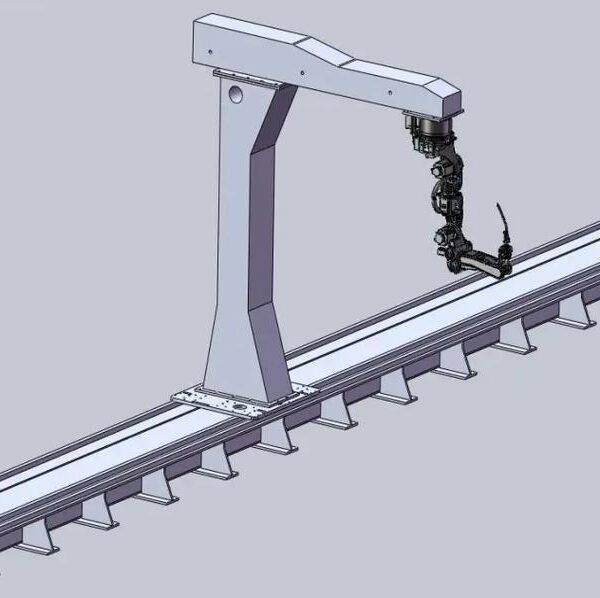

Cantilever Welding Robot solution
-
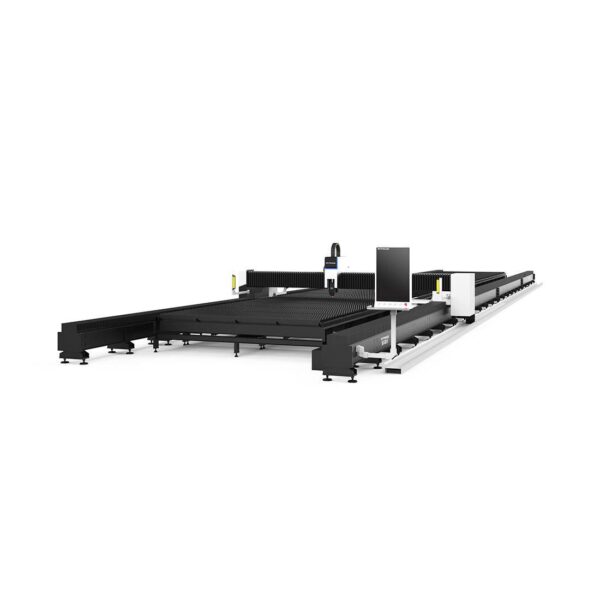

GF laser cutting machine
-
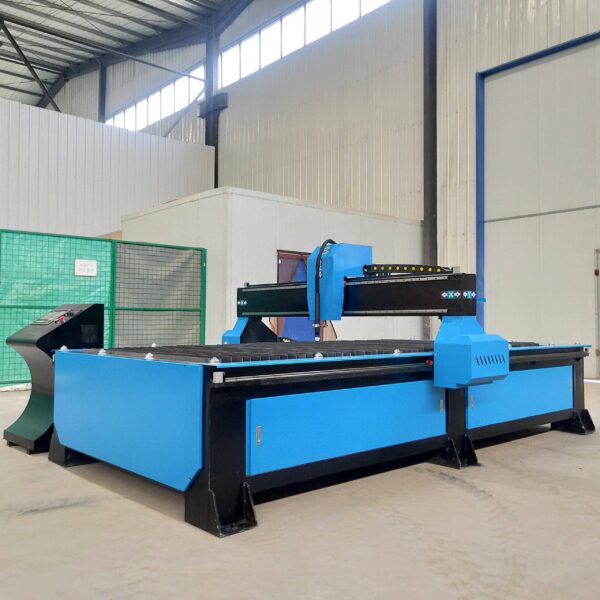
P3015 plasma cutting machine
-

LFP3015 Fiber Laser Cutter
-
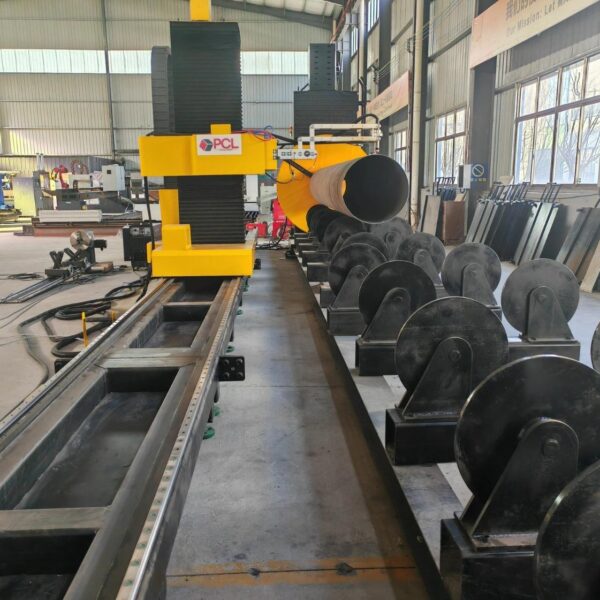
pipe plasma cutting machine
-
LFH 4020 Fiber Laser Cutting Machine
-
LFP4020
-
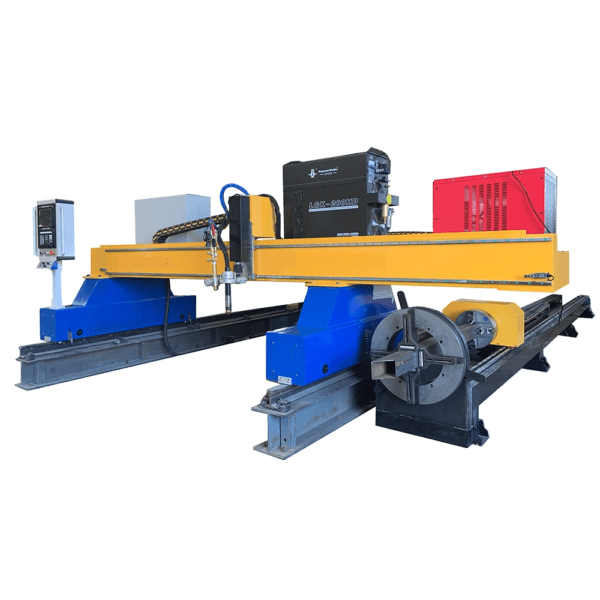
gantry plasma air cutting machine
-
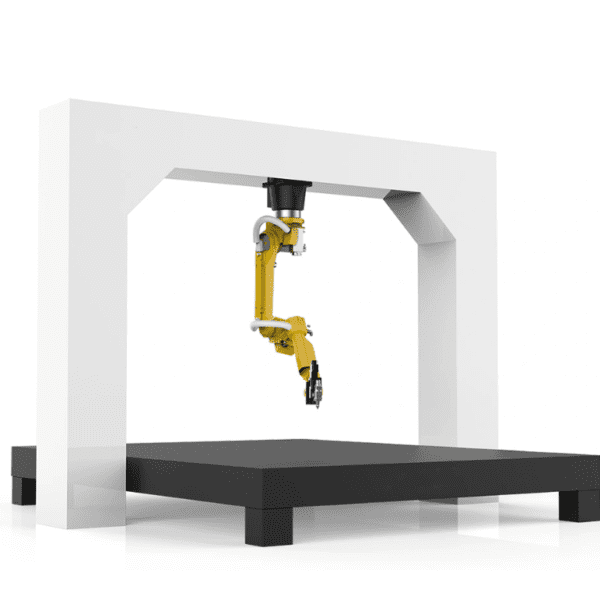
3D robot cutting machine
-
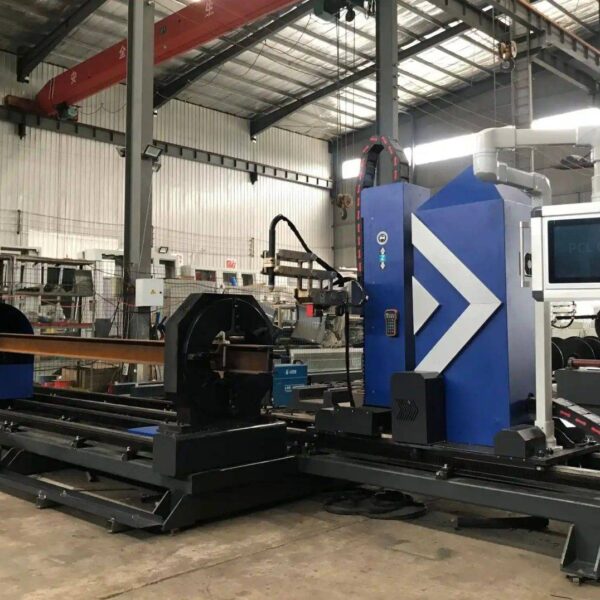
8 axis plasma cutting machine
-
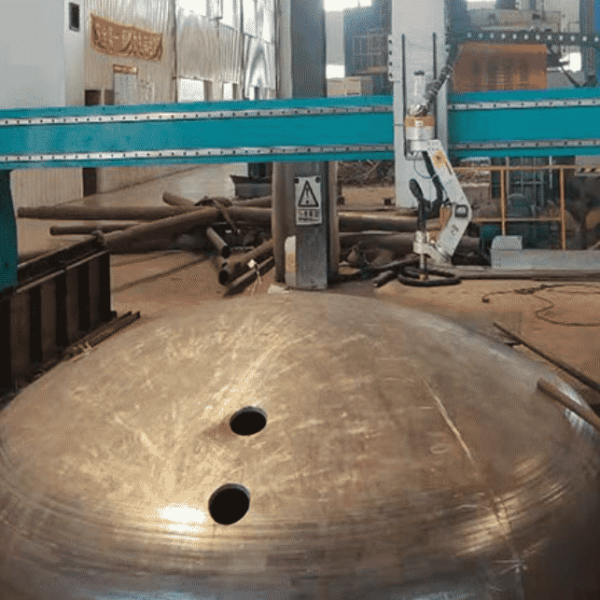
5 axis plasma cutting machine
-

LT360 tube laser cutting machine
-
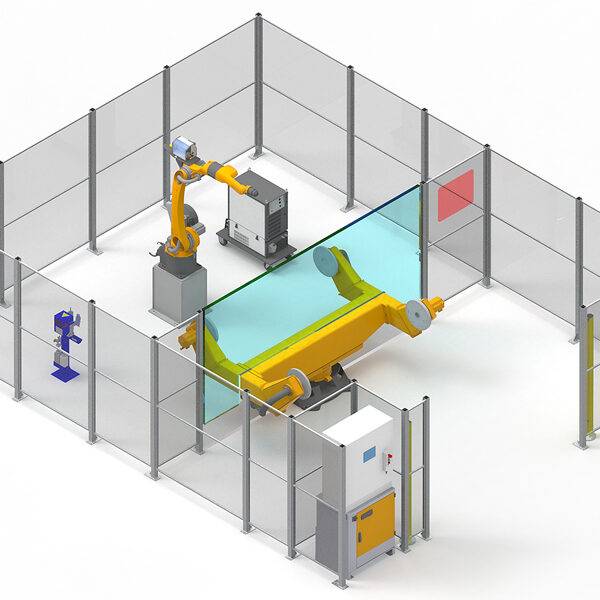
robot welding workstation
-
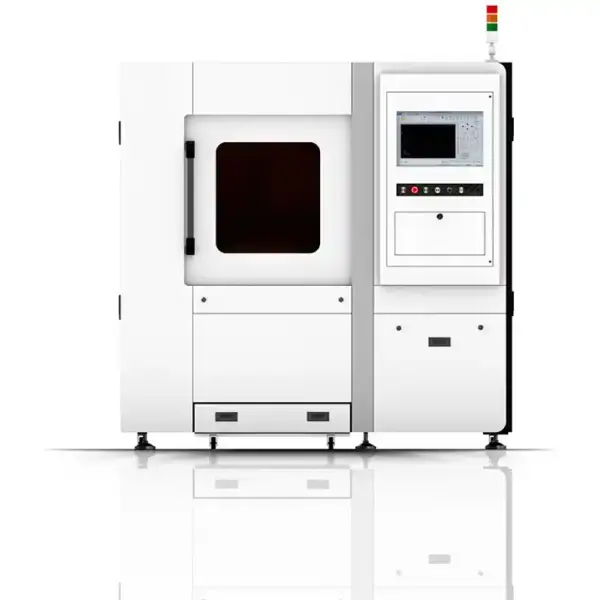
SF6060 fiber laser cutting machine
Advanced Fiber Laser Tube Processing Technology
Our CNC Fiber Laser Tube Cutting systems revolutionize metal fabrication by integrating high-precision cutting, punching, and profiling into a single automated workflow. Designed for versatility, this technology handles a wide array of profiles including Round, Square, Rectangular, and Oval tubes, as well as complex L-shaped and U-shaped channels.
- Precision Punching: High-speed hole punching with micron-level accuracy, eliminating the need for mechanical drilling or die-stamping.
- Complex Profiling: Advanced 3D pathing allows for intricate interlocking joints and specialized notch cuts, ideal for structural frames.
- High Material Efficiency: Intelligent nesting software minimizes scrap, reducing raw material costs across large production runs.
- Clean Finish: Delivers oxide-free, burr-free edges that require zero secondary grinding before welding.

Seamlessly processing multiple profiles with consistent precision.
Global Delivery & Logistics



From our high-tech manufacturing facility directly to your global site. PCL WeldCut ensures secure packaging, professional handling, and reliable international logistics to safeguard your equipment throughout the entire journey.