Field Report: Optimization of 2000W MIG/MAG Welding Robot for Precision Manufacturing
1. Project Overview and Site Context
This report documents the final commissioning and parameter optimization of a 2000W MIG/MAG Welding Robot installation at a Tier 1 automotive supplier facility in Munich, Germany. The facility focuses on high-complexity, low-mass structural components where Thin Metal Sheet welding (ranging from 0.8mm to 1.5mm) is the primary production requirement. In the competitive landscape of Bavarian precision engineering, the transition from manual Gmaw to automated Arc Welding Solutions was necessitated by the need for repeatable penetration depth and a reduction in post-weld straightening labor.
2. Technical Specification of the MIG/MAG Welding Robot
The core of the cell is a six-axis articulated arm integrated with a 2000W-rated digital power source. While “2000W” in a laser context refers to beam power, in this MIG/MAG application, it denotes the effective power ceiling utilized for high-speed pulse-on-pulse cycles tailored for thin-gauge alloys. The MIG/MAG Welding Robot is equipped with a water-cooled torch and a push-pull wire feed system to ensure zero-stutter delivery of 0.8mm AlSi5 and Er70S-6 wires.
2.1. Motion Control and TCP Calibration
In Munich, where floor space is at a premium, the robot was mounted on a compact inverted gantry. We achieved a Tool Center Point (TCP) accuracy of ±0.05mm. This precision is non-negotiable for Thin Metal Sheet welding, as even a 0.2mm deviation in the arc aim results in edge-burn or incomplete fusion at the root of the lap joint.
3. Implementing Advanced Arc Welding Solutions
The synergy between the robotic hardware and our proprietary Arc Welding Solutions software suite allows for real-time adjustments of the synergic curve. Unlike standard power sources, the integrated solution monitors the droplet detachment frequency at 100kHz.
3.1. Synergic Pulsed Parameters
By deploying specific Arc Welding Solutions, we moved away from constant voltage (CV) spray transfer, which was too hot for the 1.0mm aluminum chassis components. Instead, we implemented a modified short-circuit transfer mode. This “cold” process reduces the heat input by timing the current drop exactly as the wire touches the molten pool. This is the only way to maintain the integrity of thin-walled profiles without localized warping.

4. Challenges in Thin Metal Sheet Welding
Thin Metal Sheet welding presents a unique set of metallurgical hurdles, primarily the management of the Heat Affected Zone (HAZ). During our first week in the Munich workshop, we observed significant oil-canning (buckling) on the 1.2mm stainless steel housings.
4.1. Heat Input Management
To combat thermal distortion, we utilized the MIG/MAG Welding Robot‘s ability to perform “stitch” welding at speeds impossible for a human welder. We programmed a sequence that jumps across the workpiece, allowing for thermal dissipation. The formula used to calculate the heat input (kJ/mm) was strictly monitored: \( Q = (V \times I \times 60) / (v \times 1000) \). By keeping \( Q \) below 0.3 kJ/mm, we successfully eliminated the buckling issues.
4.2. Gap Bridging Capabilities
In real-world manufacturing, part fit-up is rarely perfect. Our Arc Welding Solutions include a “Seam Tracking” module. The robot uses the welding wire itself as a touch-sensor to locate the joint before ignition. If a gap exceeds 0.5mm on a 1.0mm sheet, the robot automatically widens its weave pattern and increases the wire feed speed slightly to bridge the gap without burn-through.
5. Operational Synergy in the Munich Workshop
The integration of the MIG/MAG Welding Robot within the Munich facility highlighted the importance of localized technical synergy. The German industrial standard (DIN EN ISO 5817) for weld quality was our benchmark.
5.1. Shielding Gas Optimization
We found that a 2-component gas mixture (98% Argon, 2% CO2) provided the best balance for Thin Metal Sheet welding on carbon steel. The CO2 provides enough surface tension to keep the bead from sagging, while the Argon-rich environment ensures the Arc Welding Solutions software can maintain a stable, spatter-free arc. We installed digital flow meters at the robot base to ensure a constant 12 L/min flow, preventing atmospheric nitrogen contamination which often causes porosity in Munich’s humid summer months.
6. Lessons Learned and Field Observations
After 500 production cycles, several key engineering lessons emerged that deviate from theoretical manuals:
- Grounding is Paramount: In robotic cells, inconsistent grounding leads to “arc blow.” We had to install a dual-clamping copper busbar system to ensure the Thin Metal Sheet welding process wasn’t interrupted by fluctuating resistance as the robot arm moved.
- Nozzle Maintenance: Even with “spatter-free” software, fine silica buildup occurs. We integrated an automated torch cleaning station. Every 10 cycles, the MIG/MAG Welding Robot undergoes a 15-second reaming and anti-spatter injection. This maintained arc stability and prevented “short-circuiting” within the gas shroud.
- Wire Cast and Helix: For Thin Metal Sheet welding, the “cast” of the wire from the drum can cause the wire to exit the tip at a slight angle. We moved to a larger diameter payoff drum (250kg) to minimize wire memory, ensuring the arc hits the joint center every time.
7. Data Analytics and Quality Assurance
The Arc Welding Solutions implemented in Munich include a “Weld Cloud” data logger. Every weld is assigned a unique ID and its current/voltage trace is stored. For Thin Metal Sheet welding, this is vital for liability. If a component fails in the field, we can prove the 2000W MIG/MAG Welding Robot operated within the specified tolerance for that exact millimeter of weld.
7.1. Penetration vs. Aesthetics
A recurring debate during commissioning was the bead appearance. On thin sheets, a “pretty” weld is often a “cold” weld. We used cross-sectional macro-etching in the onsite lab to prove to the quality department that a slightly flatter, wider bead (achieved via high-frequency pulsing) offered 15% better shear strength than the “stacked-dimes” look favored by traditionalists.
8. Conclusion
The deployment of the MIG/MAG Welding Robot in Munich demonstrates that automation is no longer just about speed—it is about managing the micro-physics of the arc. By leveraging high-end Arc Welding Solutions, we have turned Thin Metal Sheet welding from a high-reject-rate manual task into a data-driven, high-yield process. The 2000W system provides the necessary headroom for future-proofing the line for thicker materials while excelling at the current thin-gauge requirements. Moving forward, the focus will remain on refining the weave parameters to further reduce cycle times by an estimated 12%.
Author: Senior Welding Engineer
Location: Munich, Germany
Status: Final Sign-off Complete
-
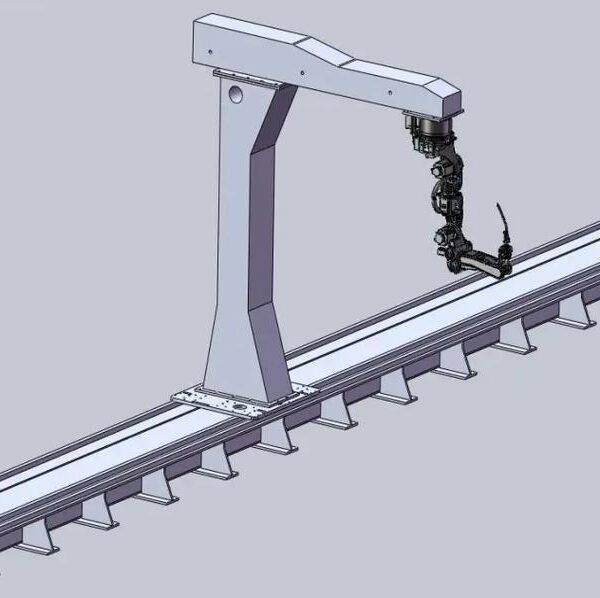

Cantilever Welding Robot solution
-
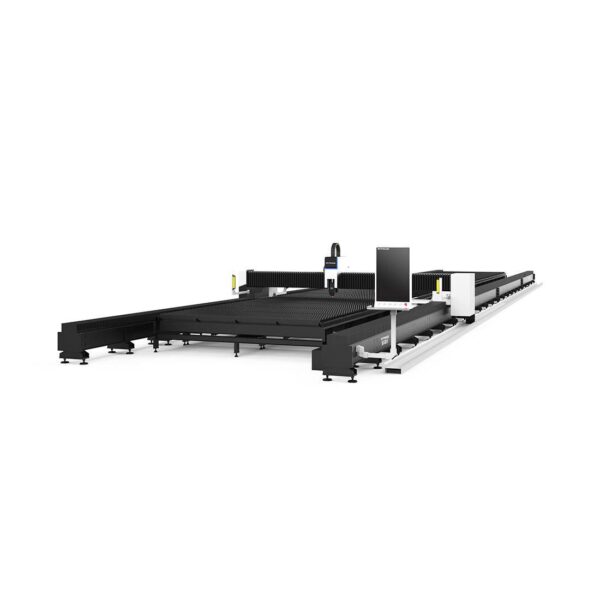

GF laser cutting machine
-
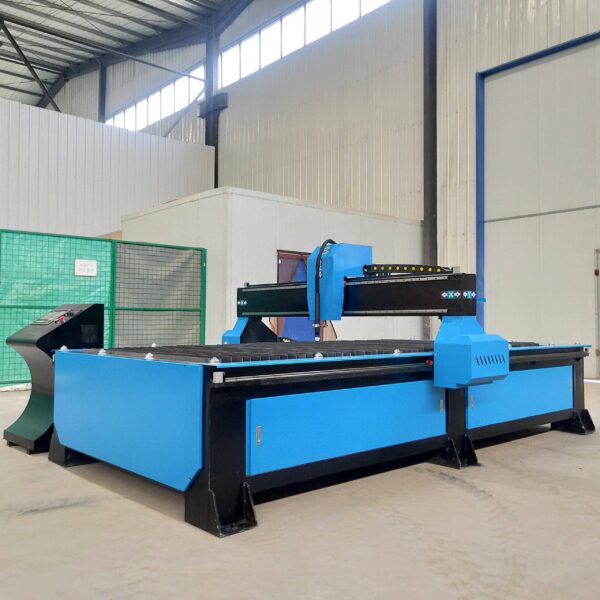
P3015 plasma cutting machine
-

LFP3015 Fiber Laser Cutter
-
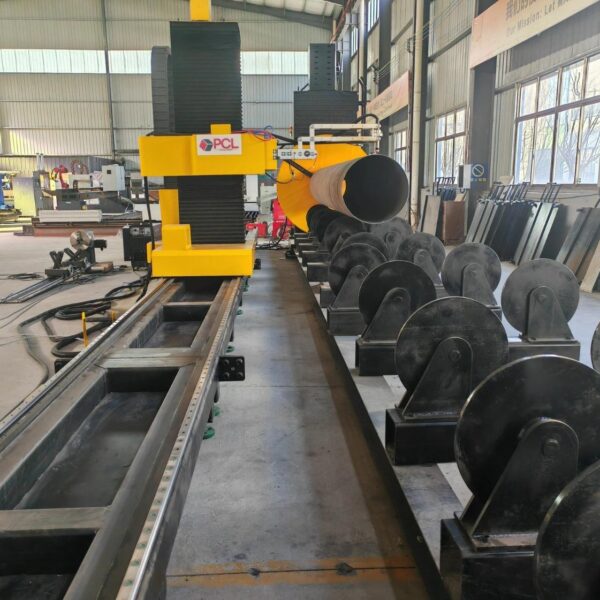
pipe plasma cutting machine
-
LFH 4020 Fiber Laser Cutting Machine
-
LFP4020
-
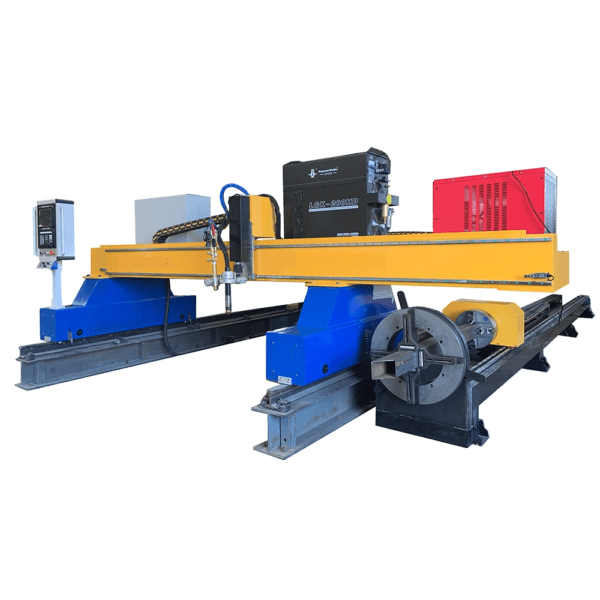
gantry plasma air cutting machine
-
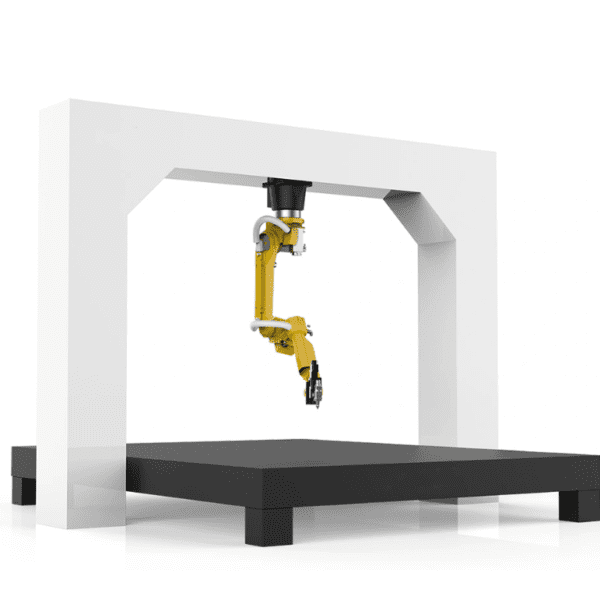
3D robot cutting machine
-
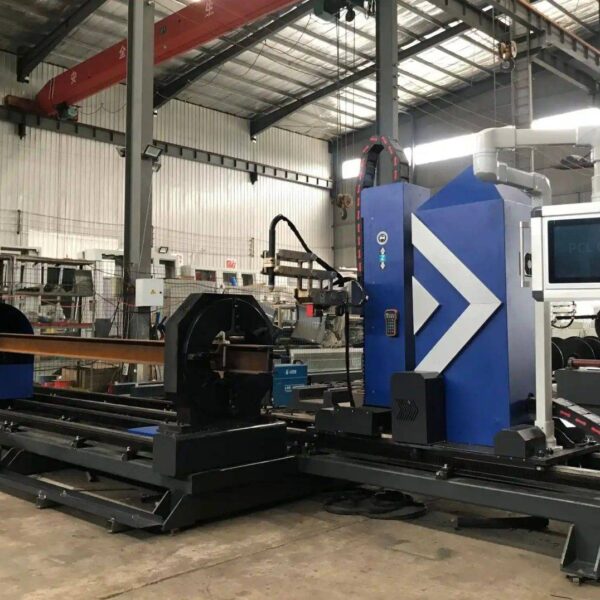
8 axis plasma cutting machine
-
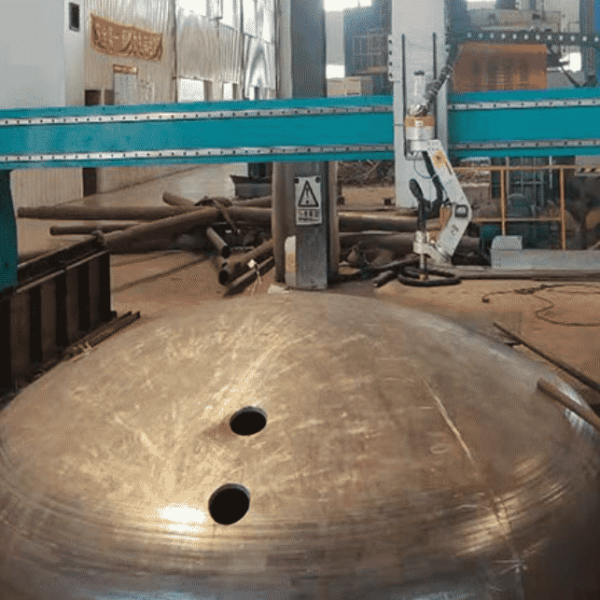
5 axis plasma cutting machine
-

LT360 tube laser cutting machine
-
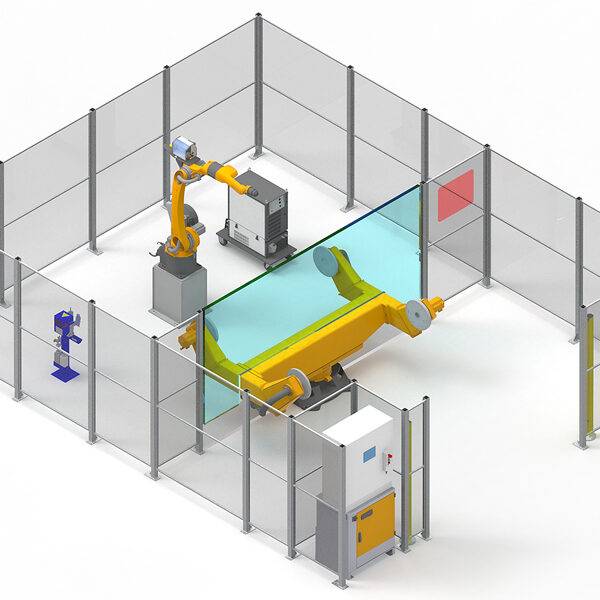
robot welding workstation
-
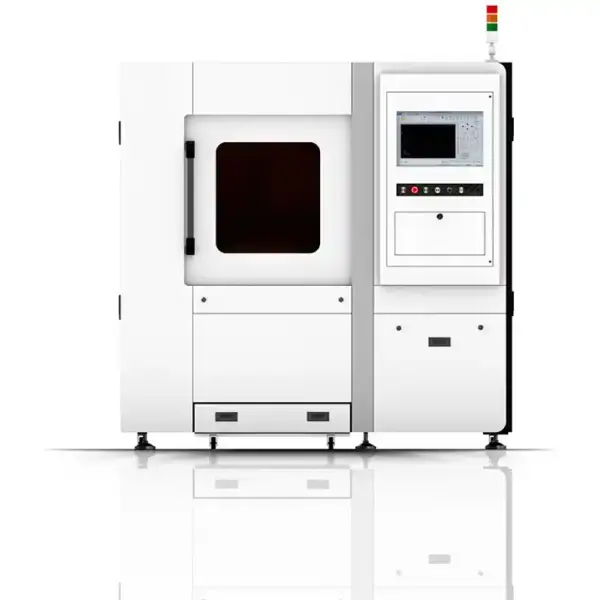
SF6060 fiber laser cutting machine
Advanced Fiber Laser Tube Processing Technology
Our CNC Fiber Laser Tube Cutting systems revolutionize metal fabrication by integrating high-precision cutting, punching, and profiling into a single automated workflow. Designed for versatility, this technology handles a wide array of profiles including Round, Square, Rectangular, and Oval tubes, as well as complex L-shaped and U-shaped channels.
- Precision Punching: High-speed hole punching with micron-level accuracy, eliminating the need for mechanical drilling or die-stamping.
- Complex Profiling: Advanced 3D pathing allows for intricate interlocking joints and specialized notch cuts, ideal for structural frames.
- High Material Efficiency: Intelligent nesting software minimizes scrap, reducing raw material costs across large production runs.
- Clean Finish: Delivers oxide-free, burr-free edges that require zero secondary grinding before welding.

Seamlessly processing multiple profiles with consistent precision.
Global Delivery & Logistics



From our high-tech manufacturing facility directly to your global site. PCL WeldCut ensures secure packaging, professional handling, and reliable international logistics to safeguard your equipment throughout the entire journey.