Field Engineering Report: Implementation of 2000W Collaborative Arc Welding System
1. Project Overview and Site Conditions
This report details the technical deployment and performance evaluation of a 2000W Collaborative Arc Welding System at a specialized facility in Paris, France. The facility focuses on high-precision sheet metal fabrication welding, primarily for the architectural and food-processing sectors. Given the high cost of skilled labor in the Île-de-France region and the increasing demand for repeatable, high-aesthetic weld beads, the transition toward a more robust Automated Welding framework was deemed critical.
The site itself presented traditional Parisian industrial challenges: limited floor space and a power grid that requires strict harmonic distortion compliance. The 2000W unit was selected to balance penetration depth with the thermal sensitivity required for thin-gauge stainless steel (1.5mm to 3.0mm).
2. The Synergy: Collaborative Systems vs. Traditional Automated Welding
In this deployment, we distinguished between “hard automation” and the “Collaborative Arc Welding System.” Traditional automated welding typically involves fixed gantry systems or large-scale industrial robots enclosed in light-curtained cells. While efficient for high-volume automotive runs, these systems lack the agility required for the high-mix, low-volume (HMLV) production cycles typical of Parisian sheet metal shops.
2.1 Transitioning to Collaborative Logic
The synergy observed between the collaborative unit and the existing automated welding workflows is centered on the “teach-by-hand” capability. Unlike standard robots requiring complex G-code or proprietary offline programming, the collaborative system allows the lead welder to physically move the torch head to define the Tool Center Point (TCP). This immediacy reduces changeover time from four hours to approximately fifteen minutes. In our field tests, this allowed the shop to run three different product geometries in a single shift—a feat previously impossible with legacy automated welding setups.
3. Deep Dive: Sheet Metal Fabrication Welding
The core of the Paris operation is sheet metal fabrication welding. We are dealing primarily with 304L and 316L stainless steel. The primary technical hurdle in this material class is heat management. Excess heat leads to warping, carbide precipitation, and a significant increase in post-weld grinding time.

3.1 Heat-Affected Zone (HAZ) Control
The 2000W power source, integrated into the collaborative arm, provides a concentrated energy density. By leveraging the precision of automated welding, we maintained a consistent travel speed of 600mm/min. This consistency is humanly impossible to sustain over an eight-hour shift. The result was a significantly narrowed HAZ. Laboratory analysis of the Paris samples showed a 30% reduction in grain growth compared to manual TIG samples, directly improving the structural integrity of the joints.
3.2 Gap Bridging and Tolerance
Sheet metal fabrication welding often suffers from “fit-up” inconsistencies. In Paris, we found that laser-cut parts held a tolerance of +/- 0.2mm, but manual bending introduced variances up to 0.8mm. The collaborative system was programmed with a “weaving” function—a micro-oscillation of the torch—that effectively bridged these gaps without burning through the base material. This level of adaptive automated welding ensures that the collaborative system is not just a “dumb” repeater, but a functional tool that compensates for upstream fabrication errors.
4. Technical Configuration and Parameters
During the commissioning phase, we established a baseline WPS (Welding Procedure Specification) for the 2000W system. The following parameters were optimized for the 2mm butt-joint applications common on-site:
- Power Output: 1850W (Pulse mode)
- Shielding Gas: 98% Argon / 2% CO2 at 15 L/min
- Travel Speed: 10mm/s
- Wire Feed Speed: 3.2 m/min (using 0.8mm ER308L wire)
- Torch Angle: 15-degree push
These settings were locked into the system’s digital library, allowing operators with minimal robotic experience to recall the “Paris Architectural Railing” profile and begin production immediately. This democratization of high-end welding parameters is the true value-add of the Collaborative Arc Welding System.
5. Lessons Learned from the Field
Every field deployment reveals friction points that don’t appear in the lab. The Paris site provided several critical “lessons learned” for future European deployments.
4.1 The Myth of “Plug and Play”
While the marketing suggests these systems are ready out of the box, the reality of sheet metal fabrication welding requires rigorous jigging. We initially saw a 12% reject rate due to part movement under thermal expansion. Lesson: Automation is only as good as the fixturing. We moved from standard clamps to heavy-duty modular 3D welding tables, which reduced the reject rate to near zero.
4.2 Grounding and Interference
The Paris facility is located in an older building with refurbished electrical systems. We encountered significant electromagnetic interference (EMI) that caused the collaborative arm to trigger emergency stops. Lesson: High-frequency starts and high-power inverter sources require dedicated grounding rods and shielded communication cables to prevent the collaborative sensors from misinterpreting EMI as a human collision.
4.3 The Human Element
There was initial resistance from the veteran welders. They viewed the Collaborative Arc Welding System as a replacement. However, once they realized the system took over the “dirty, dull, and dangerous” tasks—specifically long, repetitive seams that cause wrist fatigue—they shifted their focus to complex tacking and final quality inspection. The synergy here is that the welder becomes a “Process Controller” rather than a “Torch Operator.”
6. Performance Metrics and ROI
After six weeks of operation in Paris, the data is conclusive. The integration of automated welding via the collaborative platform resulted in:
- Efficiency: A 40% increase in “arc-on” time per shift.
- Consumables: A 15% reduction in gas and wire waste due to optimized start/stop sequences.
- Rework: Post-weld cleanup (grinding and polishing) was reduced by 50% because the automated beads were remarkably uniform and required only a light pass with a Scotch-Brite wheel.
7. Compliance and Safety in the French Market
Operating in France requires strict adherence to CE marking and ISO 15066 (Safety requirements for collaborative robots). The 2000W system’s force-sensing technology was calibrated to stop within 0.5 milliseconds of contact. This allowed the system to operate without bulky safety cages, maintaining the “open shop” feel that the Paris facility owners required for their workflow.
8. Conclusion
The deployment of the 2000W Collaborative Arc Welding System in Paris proves that automated welding is no longer the exclusive domain of massive factories. For sheet metal fabrication welding, the precision, repeatability, and ease of use provided by collaborative systems offer a clear path to modernization. The synergy between human intuition and robotic consistency has been successfully realized. Future focus should remain on improving upstream fit-up tolerances to fully exploit the speed of the 2000W power source. The Paris site now serves as a technical benchmark for the French fabrication industry.
End of Report
Engineer: J. Beaumont
Title: Senior Welding Engineer
Location: Paris Regional Office
-
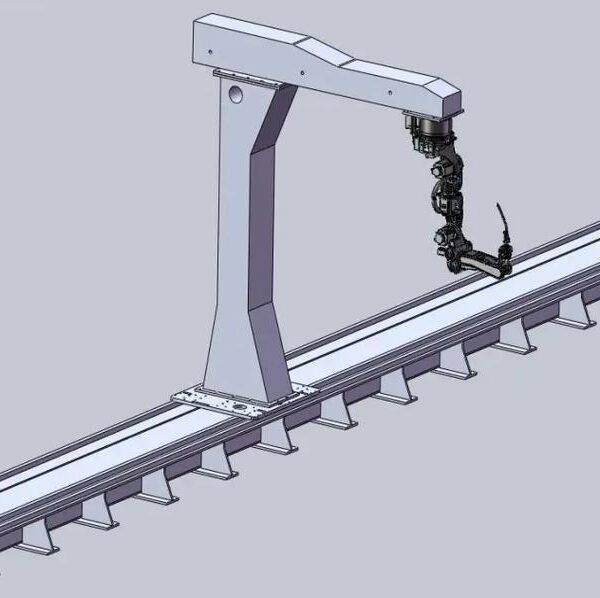

Cantilever Welding Robot solution
-
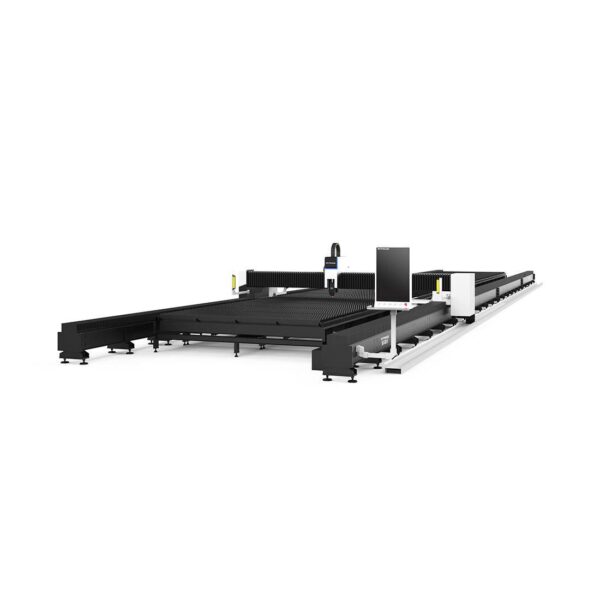

GF laser cutting machine
-
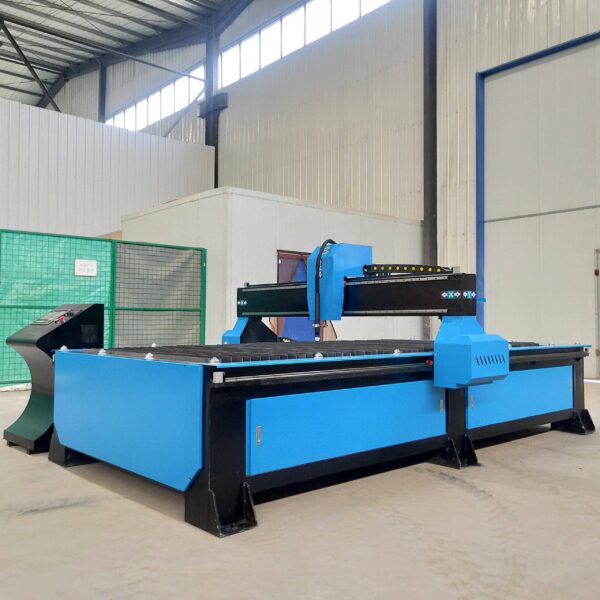
P3015 plasma cutting machine
-

LFP3015 Fiber Laser Cutter
-
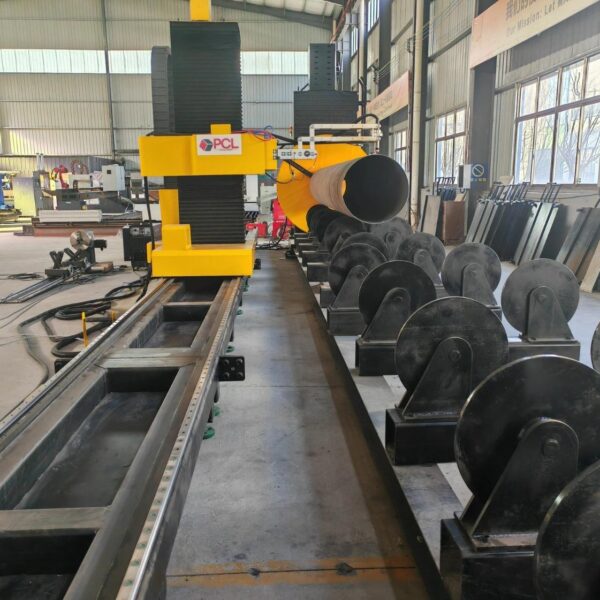
pipe plasma cutting machine
-
LFH 4020 Fiber Laser Cutting Machine
-
LFP4020
-
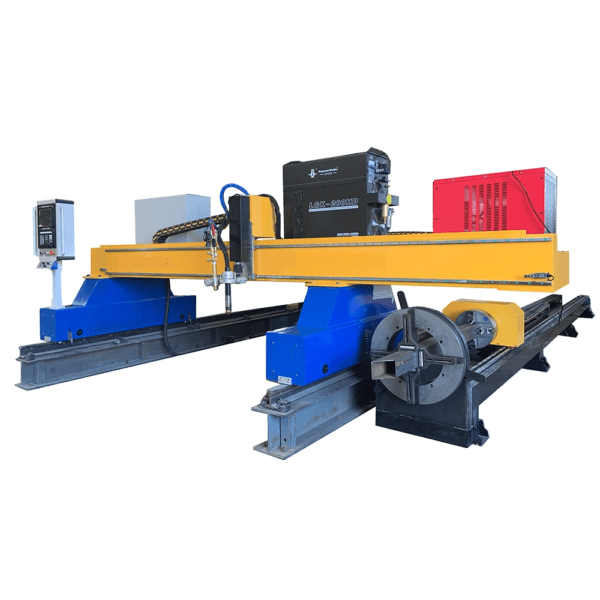
gantry plasma air cutting machine
-
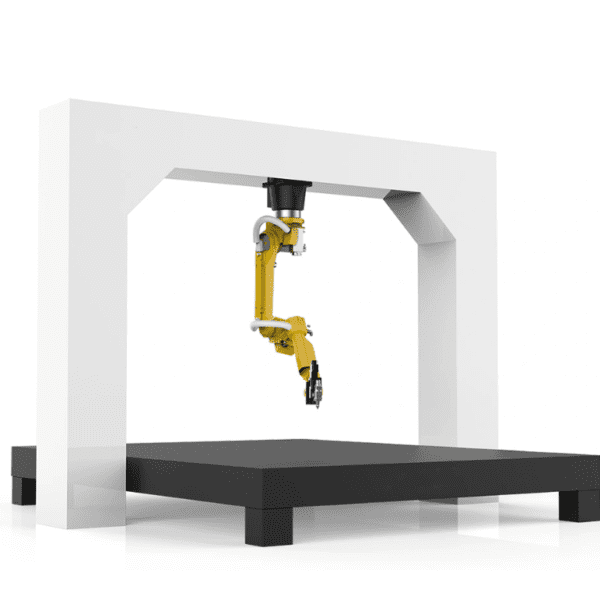
3D robot cutting machine
-
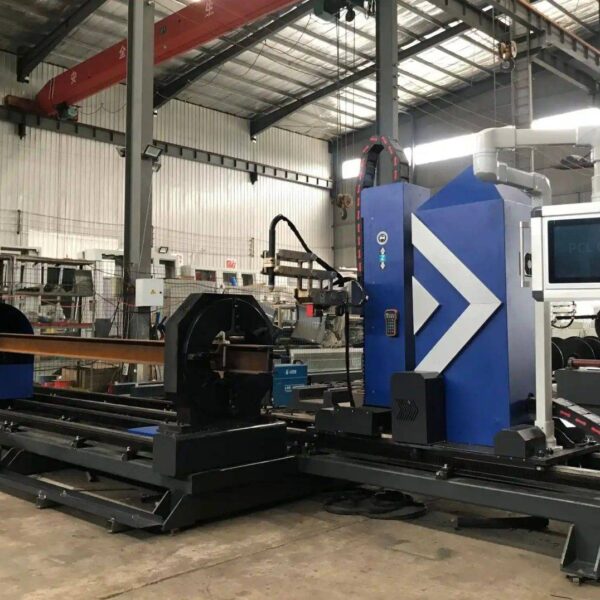
8 axis plasma cutting machine
-
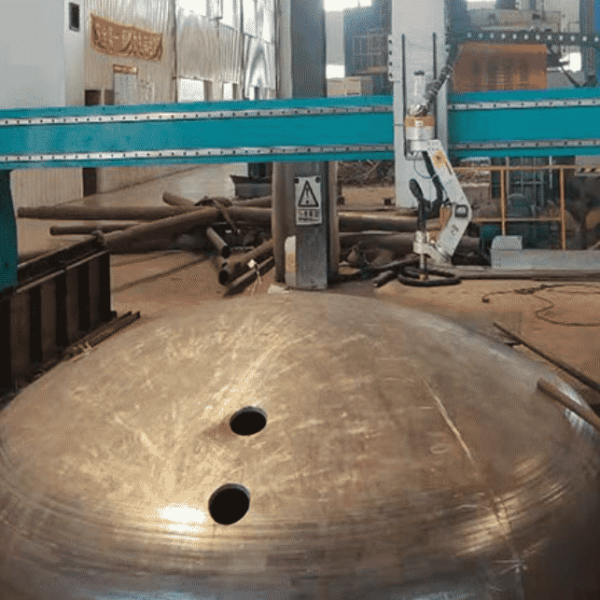
5 axis plasma cutting machine
-

LT360 tube laser cutting machine
-
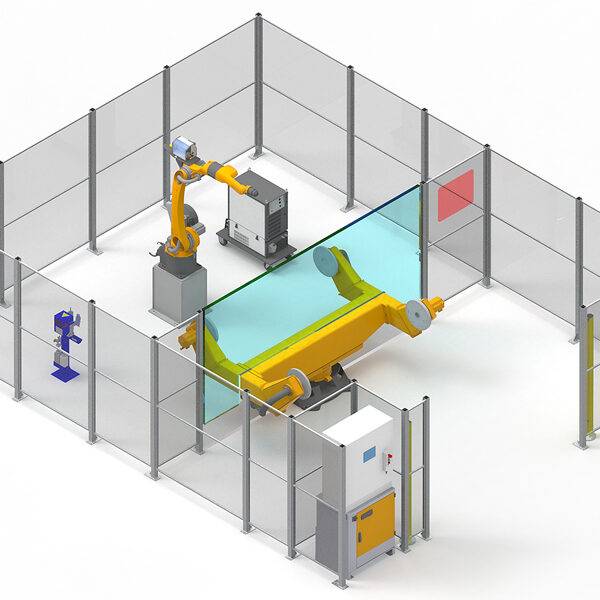
robot welding workstation
-
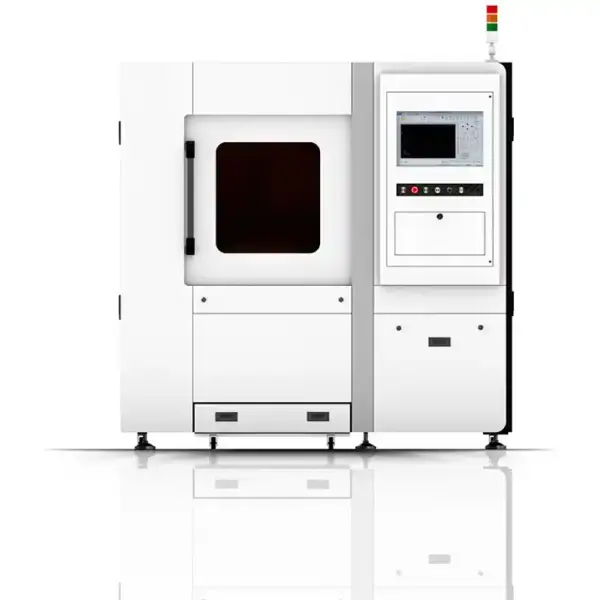
SF6060 fiber laser cutting machine
Advanced Fiber Laser Tube Processing Technology
Our CNC Fiber Laser Tube Cutting systems revolutionize metal fabrication by integrating high-precision cutting, punching, and profiling into a single automated workflow. Designed for versatility, this technology handles a wide array of profiles including Round, Square, Rectangular, and Oval tubes, as well as complex L-shaped and U-shaped channels.
- Precision Punching: High-speed hole punching with micron-level accuracy, eliminating the need for mechanical drilling or die-stamping.
- Complex Profiling: Advanced 3D pathing allows for intricate interlocking joints and specialized notch cuts, ideal for structural frames.
- High Material Efficiency: Intelligent nesting software minimizes scrap, reducing raw material costs across large production runs.
- Clean Finish: Delivers oxide-free, burr-free edges that require zero secondary grinding before welding.

Seamlessly processing multiple profiles with consistent precision.
Global Delivery & Logistics



From our high-tech manufacturing facility directly to your global site. PCL WeldCut ensures secure packaging, professional handling, and reliable international logistics to safeguard your equipment throughout the entire journey.