Technical Field Report: Implementation of 2000W Cobot Welding Systems in Casablanca Industrial Zone
1. Introduction and Project Scope
This report details the field deployment and performance optimization of a 2000W fiber laser Cobot Welding Machine at a Tier-2 automotive and HVAC component manufacturing facility located in the Aïn Sebaâ industrial district, Casablanca, Morocco. The primary objective was the transition from manual TIG (Tungsten Inert Gas) welding to an automated solution to address rising throughput demands while maintaining the stringent tolerances required for thin metal sheet welding.
The implementation centered on the synergy between high-output fiber laser power and Collaborative Robotics. In the Casablanca context, where the industrial workforce is skilled but increasingly mobile, the deployment aimed to “upskill” manual welders into robotic operators, ensuring consistent weld quality across three shifts without the spatial footprint of traditional caged industrial robots.
2. The Technical Synergy: Cobot Welding Machine and Collaborative Robotics
2.1 Defining the Collaborative Architecture
The hardware configuration consists of a 2000W continuous wave (CW) fiber laser source integrated with a 6-axis collaborative arm. The term Cobot Welding Machine refers specifically to this integrated unit, where the power source and the motion controller share a unified interface. Unlike traditional industrial robots that require extensive safety fencing and dedicated floor space, collaborative robotics allows the machine to operate in proximity to human technicians.
During the Casablanca installation, we utilized the cobot’s force-torque sensors to implement “lead-through” programming. This allowed local welders to physically move the torch head along the desired path, recording waypoints in real-time. This synergy is critical: the Cobot Welding Machine provides the precision of a laser, while the collaborative robotics aspect provides the adaptability needed for high-mix, low-volume production cycles common in Moroccan export manufacturing.
2.2 Safety Protocols in an Open Workshop
In Casablanca’s high-density workshop environments, floor space is at a premium. By utilizing collaborative robotics, we eliminated the need for 15 square meters of safety caging per station. We configured the system with laser-safe curtains and dual-channel safety scanners that downregulate the arm speed when a human enters the secondary zone and trigger an emergency stop (E-Stop) if the primary zone is breached. This “fence-less” operation is a direct result of the collaborative design, allowing seamless material flow within the factory.
3. Mastering Thin Metal Sheet Welding with 2000W Power
3.1 Thermal Management Challenges
The core technical challenge at this site was thin metal sheet welding of 0.8mm to 1.5mm AISI 304 stainless steel and 5052 aluminum alloys. Manual TIG welding on these gauges frequently resulted in thermal warping and burn-through, requiring expensive post-weld straightening. The 2000W Cobot Welding Machine addresses this through a high-energy density beam that minimizes the Heat Affected Zone (HAZ).
During commissioning, we identified that at 2000W, the travel speed must be precisely synchronized with the laser’s pulse frequency. If the cobot slows down at a corner without a corresponding drop in power, the energy accumulation causes immediate perforation of the thin sheet. We implemented a “look-ahead” algorithm in the motion controller that modulates laser power based on the TCP (Tool Center Point) velocity.
3.2 Optimization for Stainless Steel HVAC Ducts
For the specific 1.2mm stainless steel applications in Casablanca, we utilized a “wobble” function—a technique where the laser beam oscillates in a circular or “figure-8” pattern while moving along the seam. This increases the effective weld width, allowing for better bridge-gap capability on parts with imperfect fit-ups. For thin metal sheet welding, we settled on a 2.0mm wobble width at a frequency of 150Hz. This resulted in a hermetic seal with zero visible distortion on the reverse side of the panel.
Key Parameters for 1.2mm SS304:
- Power: 1400W (70% of 2000W capacity)
- Travel Speed: 45 mm/s
- Gas Flow: 15 L/min (Argon 99.99%)
- Wobble Width: 2.0 mm
4. Lessons Learned from the Casablanca Field Site
4.1 Environmental Factors: Humidity and Power Stability
Casablanca’s coastal location introduces high humidity and salt content in the air. We observed that the optical protective windows of the Cobot Welding Machine were fouling faster than in inland environments. Lesson Learned: We implemented a pressurized, filtered air knife on the laser head to prevent particulate accumulation. Furthermore, the local power grid exhibited voltage fluctuations. We mandated the installation of a 30kVA industrial voltage stabilizer to prevent the fiber laser source from tripping during peak industrial hours in the Aïn Sebaâ zone.
4.2 The “Jigging” Reality
Many engineers assume collaborative robotics can compensate for poor part preparation. This is a fallacy. For thin metal sheet welding, the fit-up tolerance must be within 10% of the material thickness. In the Casablanca workshop, initial rejects were high because the manual shears being used were not producing straight edges. We had to retrain the fabrication team to use CNC laser-cut blanks. You cannot automate a process that begins with inconsistent inputs.
4.3 Programming for the “Human Element”
One of the most significant collaborative robotics lessons was the psychological barrier. Local welders were initially skeptical that a “robotic arm” could match their craftsmanship. By using the hand-guiding feature of the Cobot Welding Machine, we allowed the senior welders to “teach” the robot their specific torch angles. Once they saw the robot replicate their best weld perfectly 1,000 times, the adoption rate skyrocketed. The machine became a tool in their hands, not a replacement for their expertise.
5. Comparative Analysis: Manual vs. Cobot Outcomes
After six weeks of operation, the data from the Casablanca facility showed the following improvements in thin metal sheet welding operations:
| Metric | Manual TIG | 2000W Cobot System |
|---|---|---|
| Weld Speed (1.0mm SS) | 5-8 mm/s | 40-50 mm/s |
| Post-Weld Rework (Warping) | 18% | <1% |
| Operator Training Time | 2-3 Years (Expert) | 2-3 Weeks (Operator) |
| Consumable Cost | High (Tungsten/Rods) | Low (Protective Lenses) |
6. Maintenance and Sustainability of the Casablanca Installation
6.1 Cooling System Integrity
The 2000W laser generates significant heat. The dual-circuit water chiller integrated into the Cobot Welding Machine must be maintained with deionized water. Given Casablanca’s ambient temperatures, which can reach 35°C in the workshop, we moved the chiller units to a ventilated area to prevent thermal throttling of the laser source. We also instituted a weekly check of the coolant conductivity to prevent internal corrosion of the laser diodes.
6.2 Optical Path Stewardship
In thin metal sheet welding, even a minor smudge on the focal lens can shift the focal point, causing the laser to lose its cutting/welding edge and instead just heat the metal, causing massive distortion. We trained the local maintenance team on “cleanroom” protocols for lens replacement—a critical step in maintaining the collaborative robotics system’s uptime.
7. Conclusion
The deployment of the 2000W Cobot Welding Machine in Casablanca demonstrates that the intersection of collaborative robotics and high-power fiber lasers is the most viable path for modernizing Moroccan manufacturing. By focusing on the specific requirements of thin metal sheet welding—namely thermal control and precision pathing—the facility has increased its output fivefold while reducing its scrap rate to nearly zero. The success of this project lies not just in the hardware, but in the synergy between the machine’s precision and the human welder’s process knowledge.
Field Engineer: [Senior Welding Engineer]
Location: Casablanca, Morocco
Status: Operational / Handover Complete
-
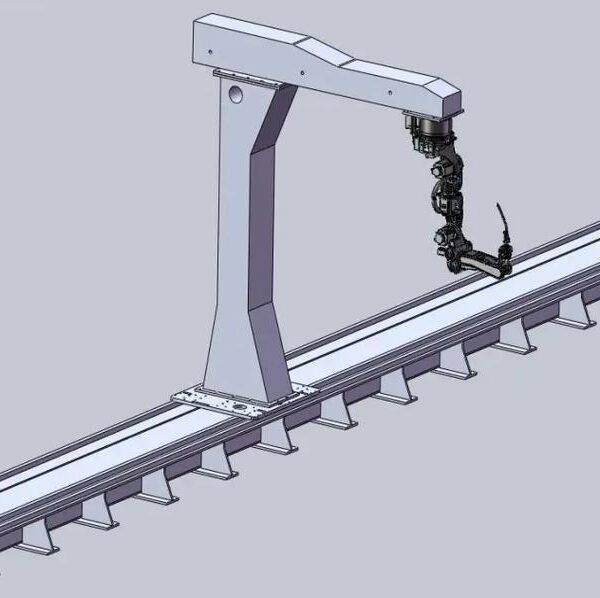

Cantilever Welding Robot solution
-
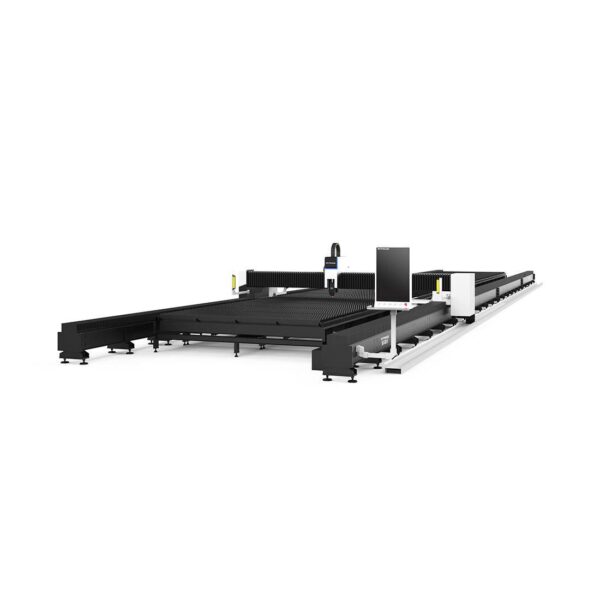

GF laser cutting machine
-
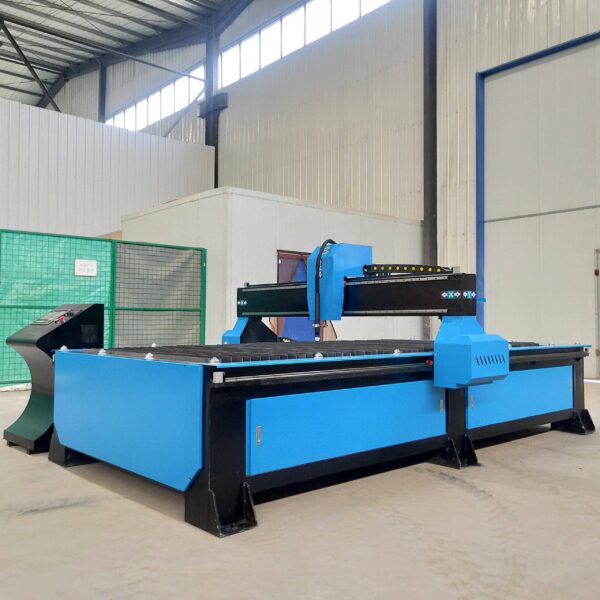
P3015 plasma cutting machine
-

LFP3015 Fiber Laser Cutter
-
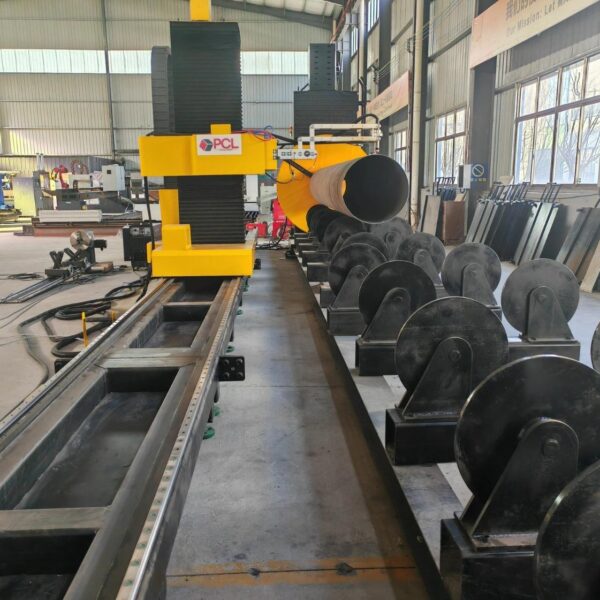
pipe plasma cutting machine
-
LFH 4020 Fiber Laser Cutting Machine
-
LFP4020
-
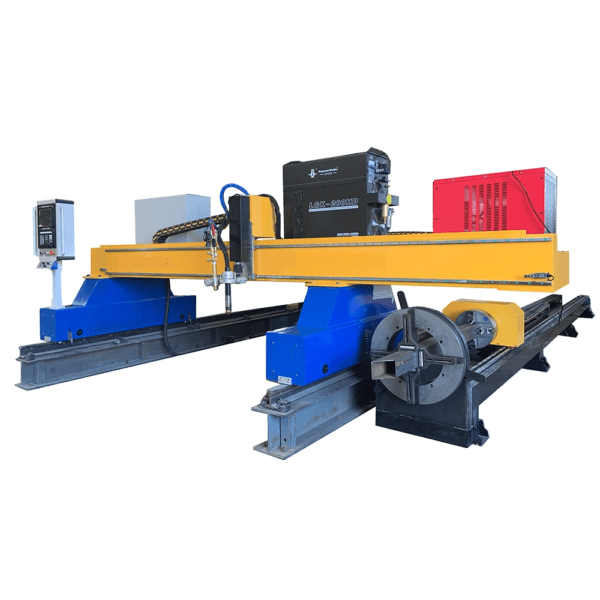
gantry plasma air cutting machine
-
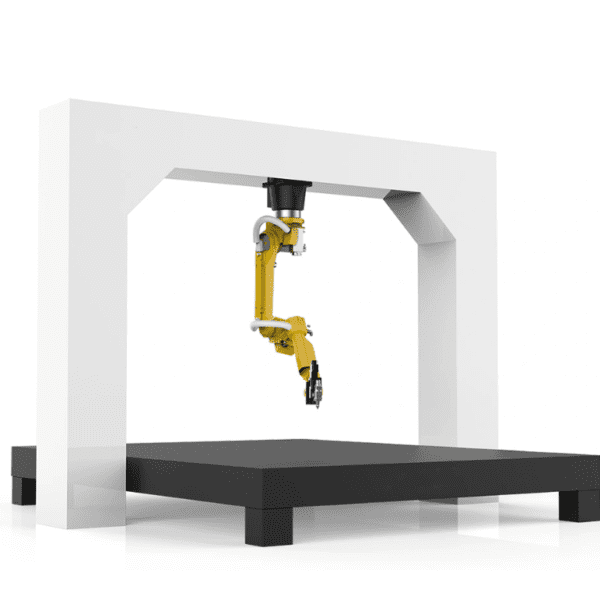
3D robot cutting machine
-
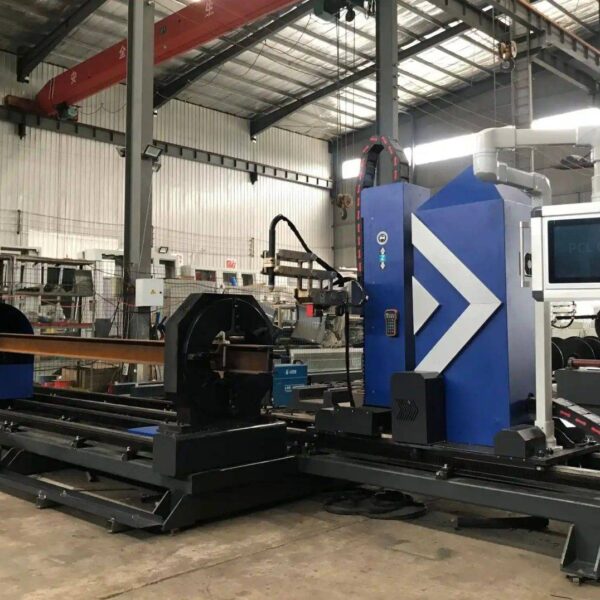
8 axis plasma cutting machine
-
5 axis plasma cutting machine
-

LT360 tube laser cutting machine
-
robot welding workstation
-
SF6060 fiber laser cutting machine
Advanced Fiber Laser Tube Processing Technology
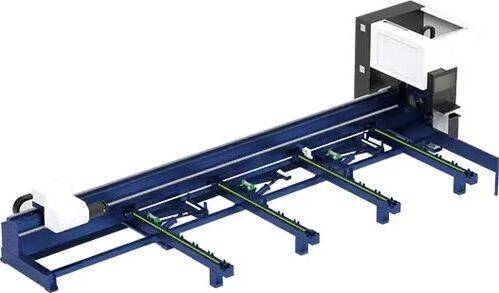
Our CNC Fiber Laser Tube Cutting systems revolutionize metal fabrication by integrating high-precision cutting, punching, and profiling into a single automated workflow. Designed for versatility, this technology handles a wide array of profiles including Round, Square, Rectangular, and Oval tubes, as well as complex L-shaped and U-shaped channels.
- Precision Punching: High-speed hole punching with micron-level accuracy, eliminating the need for mechanical drilling or die-stamping.
- Complex Profiling: Advanced 3D pathing allows for intricate interlocking joints and specialized notch cuts, ideal for structural frames.
- High Material Efficiency: Intelligent nesting software minimizes scrap, reducing raw material costs across large production runs.
- Clean Finish: Delivers oxide-free, burr-free edges that require zero secondary grinding before welding.

Seamlessly processing multiple profiles with consistent precision.
Global Delivery & Logistics



From our high-tech manufacturing facility directly to your global site. PCL WeldCut ensures secure packaging, professional handling, and reliable international logistics to safeguard your equipment throughout the entire journey.