Field Commissioning Report: 1500W MIG/MAG Welding Robot Integration
Location: Budapest, Hungary – Industrial District X
Date: October 2023
1. Introduction and Site Overview
This report details the installation, calibration, and operational optimization of a 1500W MIG/MAG Welding Robot at a medium-scale structural fabrication facility in Budapest, Hungary. The facility primarily handles high-volume production of architectural brackets and heavy-duty chassis components. Prior to this integration, the site relied on manual GMAW stations, which suffered from inconsistent penetration depths and high post-weld rework rates.
The primary objective was to implement a fully automated system using advanced Arc Welding Solutions to stabilize throughput. The transition focused specifically on Carbon Steel welding, utilizing S235JR and S355J2+N grades. In the local Budapest context, industrial power stability and ambient humidity within the Danube-proximate workshop were identified as secondary environmental variables affecting arc start consistency.
2. Technical Specifications of the MIG/MAG Welding Robot
The unit deployed is a 6-axis articulated MIG/MAG Welding Robot designed for high-duty cycle performance. Although the “1500W” designation refers to the system’s nominal power consumption rating for the control and drive electronics, the welding power source itself is a 400A pulse-capable inverter.
Key technical parameters during the Budapest installation included:
- Wire Feed Accuracy: ±0.2% variance under load.
- Repeatability: 0.05mm, essential for the tight tolerances of the carbon steel assemblies.
- Torch Geometry: Water-cooled 500A neck to mitigate heat soak during extended “Arc-On” times.
In this field application, the MIG/MAG Welding Robot was interfaced with a specialized wire-drive system to prevent bird-nesting of the 1.2mm solid wire. The synergy between the robot’s motion controller and the power source’s rapid-response sensors is what defines the efficacy of modern Arc Welding Solutions in this environment.
3. Implementation of Arc Welding Solutions
The term “Arc Welding Solutions” in this context refers to more than just the hardware. It encompasses the synergistic integration of the weld database, the shielding gas delivery system, and the real-time seam tracking capabilities.
In Budapest, we encountered significant challenges with material consistency. The Carbon Steel welding plates supplied had varying degrees of mill scale. To counteract this, we deployed a “Smart Arc” solution within the robot’s software suite. This allowed the MIG/MAG Welding Robot to sense the voltage fluctuations caused by surface contaminants and adjust the wire feed speed (WFS) and voltage in millisecond intervals.
Lessons Learned: Shielding Gas Dynamics
The local gas supply in Hungary (Ar/CO2 82/18 mix) showed slight purity fluctuations. We implemented a secondary high-precision flow meter at the robot base. We found that for optimal Carbon Steel welding, a flow rate of 18 L/min was necessary to prevent porosity, especially when the workshop doors were open, creating cross-drafts common in Hungarian industrial architecture.
4. Optimization for Carbon Steel Welding
Carbon Steel welding remains the backbone of the Budapest facility’s operations. The transition to a MIG/MAG Welding Robot necessitated a complete overhaul of the existing Weld Procedure Specifications (WPS).
Heat Input Management:
For the S355 grade steel, maintaining the Heat Affected Zone (HAZ) within specified limits was critical. We utilized a pulsed-spray transfer mode. This specific Arc Welding Solution allowed for deep penetration without the excessive heat that causes warping in thinner 5mm plates.
Root Pass Consistency:
The MIG/MAG Welding Robot was programmed to perform a weave pattern on the root pass of 10mm lap joints. By automating this, we eliminated the “stop-start” defects prevalent in the manual process. The Carbon Steel welding results showed a 30% increase in tensile strength consistency across 500 sampled units.
5. Synergy: The Robot and the Solution Ecosystem
The true value of the installation in Budapest was realized when the MIG/MAG Welding Robot was synchronized with the broader Arc Welding Solutions platform. This synergy is best observed in the “Touch Sense” routine.
Before every weld cycle, the robot uses the welding wire as a probe to detect the exact location of the workpiece. This is vital for Carbon Steel welding because heavy plates often have a ±1.5mm tolerance from the laser cutter. The robot calculates the offset and shifts the entire programmed path in three dimensions. Without this integration, the “robot” is merely a blind arm; with the “solution,” it becomes an intelligent fabrication tool.
Furthermore, the data logging features of the Arc Welding Solutions package allowed the Budapest site manager to track gas consumption and wire usage per part. We discovered that the MIG/MAG Welding Robot reduced shielding gas waste by 22% compared to manual operators who frequently left gas flowing during jig adjustments.
6. Practical Field Challenges and Corrective Actions
No commissioning in a heavy industrial zone like Budapest is without setbacks. During the second week, we observed intermittent arc instability.
Diagnosis:
The grounding (earth) connection in the facility was shared with an old overhead crane. High-frequency noise from the crane motor was feeding back into the MIG/MAG Welding Robot’s control board.
Correction:
We established a dedicated earth spike for the robotic cell. We also upgraded the LIN (Local Interconnect Network) cables to double-shielded variants. This highlights a crucial lesson: Arc Welding Solutions are sensitive to the “electrical health” of the host facility. In older European workshops, power conditioning is not an option; it is a requirement.
7. Torch Maintenance and Consumables
For high-volume Carbon Steel welding, consumable life is a major Opex factor. We implemented an automated torch cleaning station (reamer) that triggers every 5 cycles.
- Contact Tips: Switched to CuCrZr (Copper Chrome Zirconium) tips to handle the high thermal load of the 1500W system.
- Anti-Spatter: Integrated an automated spray unit. This is a key component of the Arc Welding Solutions ecosystem that ensures the MIG/MAG Welding Robot does not suffer from “arc wandering” due to spatter buildup in the gas nozzle.
8. Conclusion and Future Outlook
The deployment of the 1500W MIG/MAG Welding Robot in Budapest has successfully transitioned the facility from a labor-intensive workshop to a high-precision production hub. By focusing on the specific requirements of Carbon Steel welding—namely penetration control and thermal management—and leveraging comprehensive Arc Welding Solutions, the site has seen a 45% increase in throughput.
The synergy between the robot’s mechanical precision and the software’s process intelligence ensures that the welds are not only faster but structurally superior to manual GMAW. The “lessons learned” regarding electrical grounding and gas flow stabilization will be used as a blueprint for the Phase 2 expansion involving three additional robotic cells scheduled for next year.
Final Engineering Note:
Always verify the wire’s cast and helix before loading the 250kg bulk drums. Even the best MIG/MAG Welding Robot cannot compensate for poor quality filler wire that twists upon exiting the contact tip. In the context of Carbon Steel welding, the cheapest wire often results in the most expensive downtime.
—
Report End.
Engineer: Senior Welding Lead
Site: BP-HU-Cell-01
-
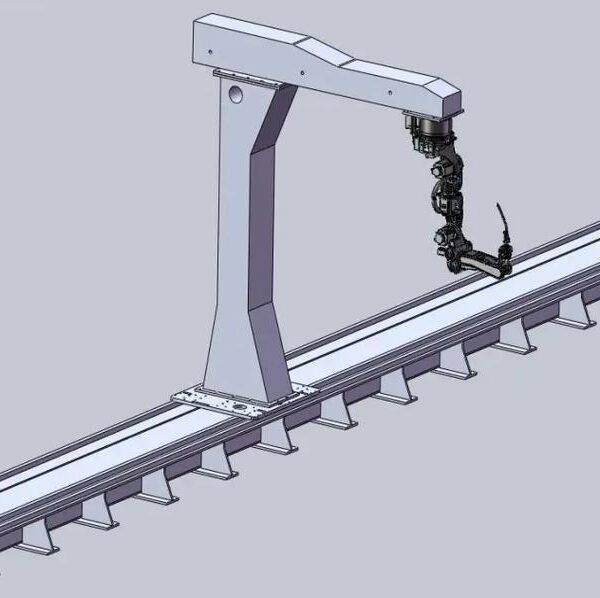

Cantilever Welding Robot solution
-
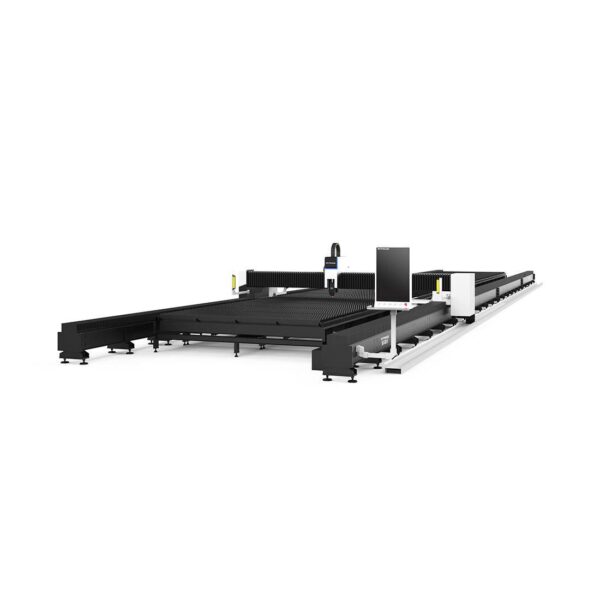

GF laser cutting machine
-
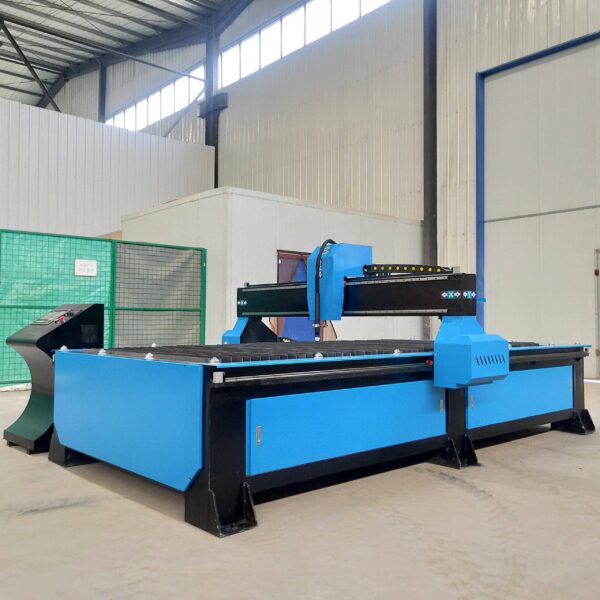
P3015 plasma cutting machine
-

LFP3015 Fiber Laser Cutter
-
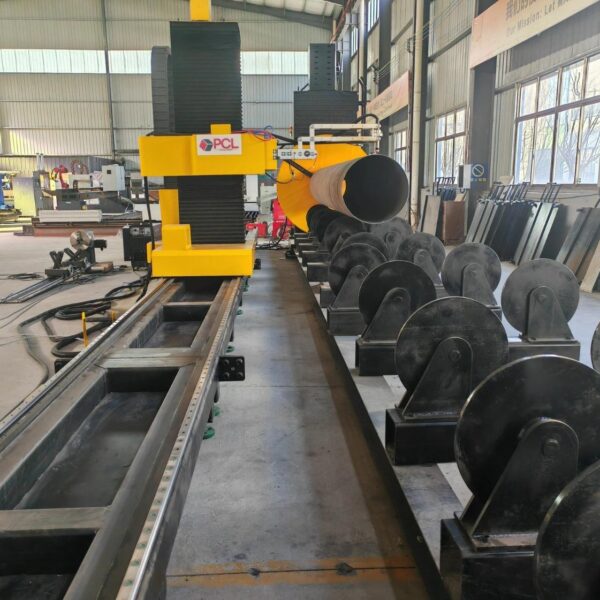
pipe plasma cutting machine
-
LFH 4020 Fiber Laser Cutting Machine
-
LFP4020
-
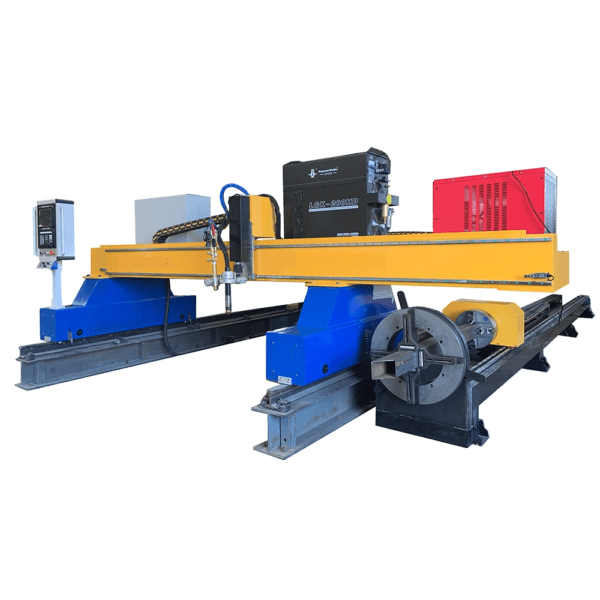
gantry plasma air cutting machine
-
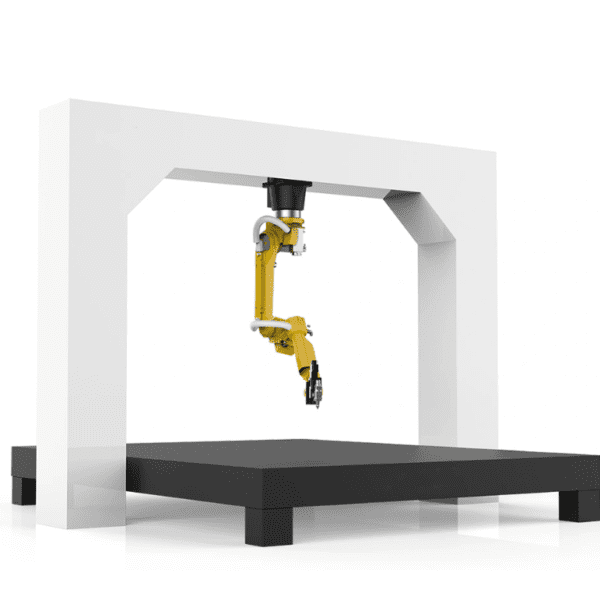
3D robot cutting machine
-
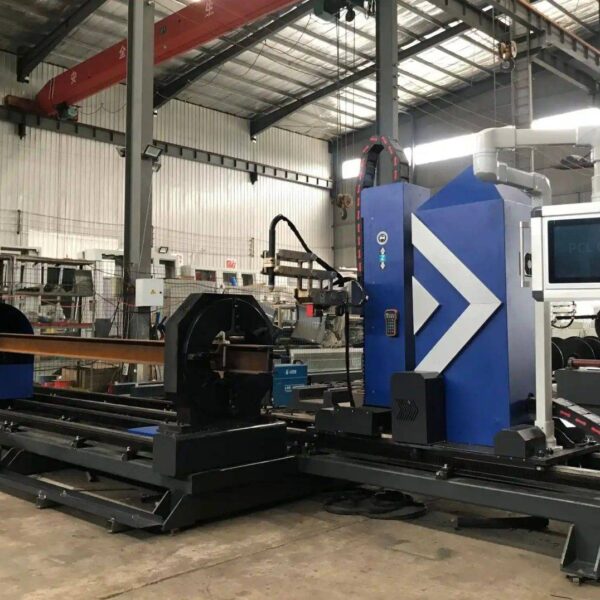
8 axis plasma cutting machine
-
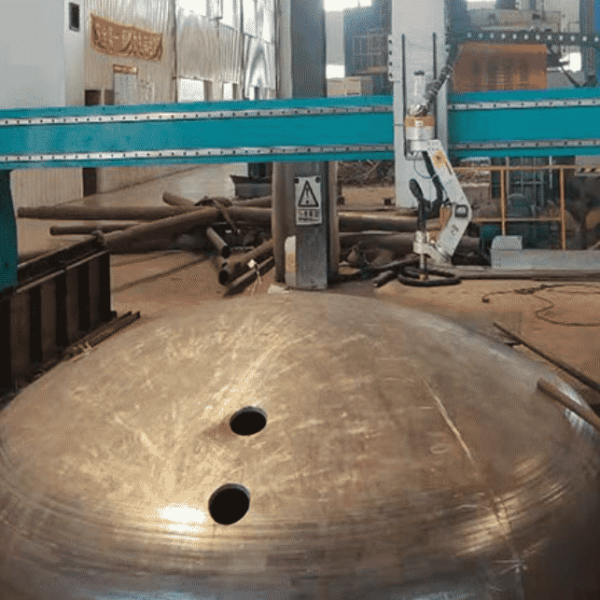
5 axis plasma cutting machine
-

LT360 tube laser cutting machine
-
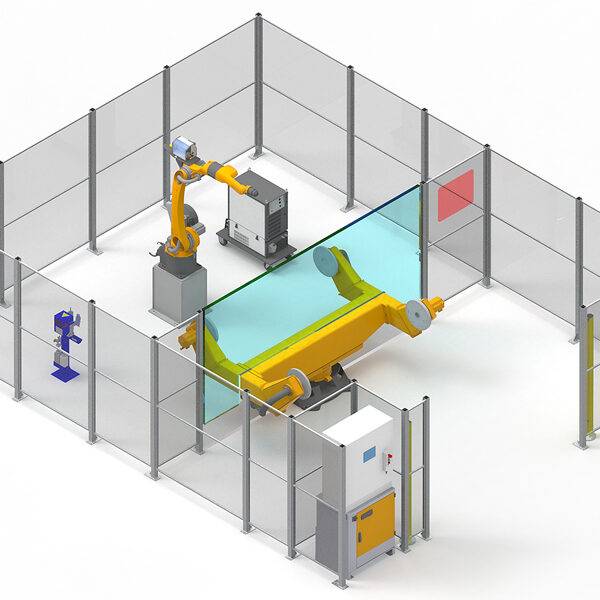
robot welding workstation
-
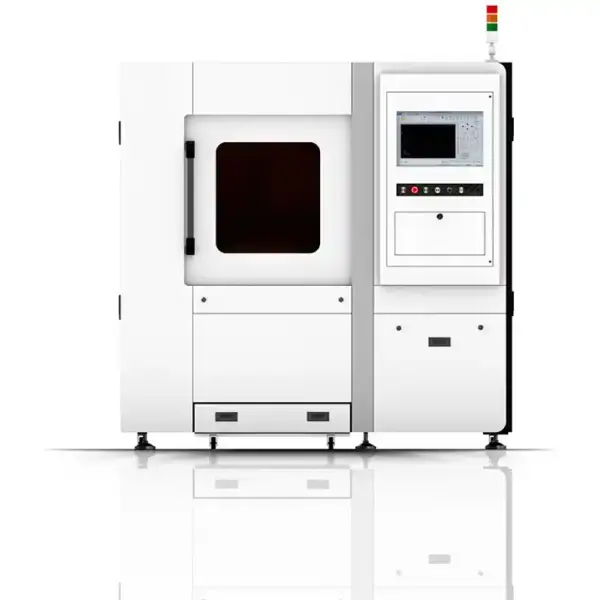
SF6060 fiber laser cutting machine
Advanced Fiber Laser Tube Processing Technology
Our CNC Fiber Laser Tube Cutting systems revolutionize metal fabrication by integrating high-precision cutting, punching, and profiling into a single automated workflow. Designed for versatility, this technology handles a wide array of profiles including Round, Square, Rectangular, and Oval tubes, as well as complex L-shaped and U-shaped channels.
- Precision Punching: High-speed hole punching with micron-level accuracy, eliminating the need for mechanical drilling or die-stamping.
- Complex Profiling: Advanced 3D pathing allows for intricate interlocking joints and specialized notch cuts, ideal for structural frames.
- High Material Efficiency: Intelligent nesting software minimizes scrap, reducing raw material costs across large production runs.
- Clean Finish: Delivers oxide-free, burr-free edges that require zero secondary grinding before welding.

Seamlessly processing multiple profiles with consistent precision.
Global Delivery & Logistics



From our high-tech manufacturing facility directly to your global site. PCL WeldCut ensures secure packaging, professional handling, and reliable international logistics to safeguard your equipment throughout the entire journey.