Field Engineering Report: Deployment of 1500W MAG Cobot Welder Systems in Dubai, UAE
1.0 Introduction and Site Context
This report summarizes the technical deployment and performance evaluation of the 1500W MAG Cobot Welder within a heavy-fabrication environment in Dubai, UAE. The facility primarily focuses on structural steel for the regional oil and gas sector and high-rise infrastructure. The objective was to transition specific multi-pass sequences from manual operations to automated collaborative systems to address consistency issues in high-ambient temperature conditions.
In the Dubai industrial context, environmental factors—specifically ambient temperatures exceeding 45°C and high humidity—drastically impact manual welder fatigue and duty cycle reliability. By implementing a 1500W MAG Cobot Welder, we aimed to stabilize production rates while maintaining the rigorous penetration requirements essential for thick plate steel welding.
2.0 The Synergy: MAG Cobot Welder and Integrated Arc Welding Solutions
The success of collaborative automation in a workshop is not merely dependent on the robotic arm; it is the synergy between the MAG Cobot Welder and the broader arc welding solutions architecture. In this deployment, the “solution” encompasses the synergic power source, the digital wire feeder, and the real-time gas flow regulation tailored for the UAE’s specific atmospheric conditions.

2.1 Hardware Integration
The 1500W power rating of this system is optimized for high-deposition MAG (Metal Active Gas) processes. Unlike standard industrial robots, the cobot allows our senior welders to “lead-through-teach” the torch path. This is critical when dealing with the slight dimensional variances found in large-scale structural steel. The arc welding solutions we integrated utilize a high-speed digital bus that allows the cobot to adjust voltage and wire feed speed (WFS) instantaneously based on the torch’s position relative to the joint geometry.
2.2 Software and Parameter Control
In Dubai’s climate, gas shielding behavior changes. We utilized a 80/20 Argon-CO2 mix. The arc welding solutions software allowed us to program specific “crater fill” routines and “hot start” parameters that are essential for heavy-duty MAG applications. The interface between the cobot and the power source ensures that the 1500W output is managed to prevent overheating of the contact tip, a common failure point in the local 50°C summer workshop peaks.
3.0 Technical Deep-Dive: Thick Plate Steel Welding Applications
The primary workload for this unit involved thick plate steel welding, specifically plates ranging from 15mm to 25mm in thickness (Grade S355JR). Manual welding of these thicknesses requires significant physical stamina and leads to inconsistent bead profiles over long runs.
3.1 Multi-Pass Strategy
For a 20mm V-groove butt joint, we programmed the MAG Cobot Welder for a three-layer, six-pass sequence.
- Root Pass: Controlled short-circuit transfer to ensure full penetration without burn-through.
- Fill Passes: High-current spray transfer mode, leveraging the 1500W capacity to maximize deposition rates.
- Cap Pass: Programmed oscillation (weaving) to ensure tie-in at the toes of the weld, reducing the risk of undercut.
The cobot maintained a consistent travel speed of 350mm/min during the fill passes, a rate that manual welders struggled to sustain with the same level of geometric accuracy.
3.2 Heat Input Management
A critical lesson learned in the field was the management of Interpass Temperature. In Dubai, the steel often has a baseline temperature of 40°C before the arc even strikes. The MAG Cobot Welder was programmed with “cooling intervals” to ensure the heat-affected zone (HAZ) did not exceed the metallurgical limits of the S355JR steel, preserving the mechanical properties and impact toughness of the joint.
4.0 Practical Observations: Lessons from the Dubai Workshop Floor
Moving from a theoretical setup to a functional shop floor in a high-heat region provided several “hard-won” engineering insights.
4.1 Torch Maintenance and Consumables
We initially observed premature contact tip wear. The 1500W output, combined with the continuous duty cycle of the cobot, generated significant radiant heat from the thick plate steel.
Lesson Learned: We upgraded to heavy-duty zirconium-chrome-copper (CuCrZr) tips and implemented a pneumatic torch cleaning station. Automating the tip-cleaning cycle every 30 minutes of arc-on time reduced downtime by 15%.
4.2 Spatter Management and Shielding Gas
Despite the “cleaner” nature of MAG compared to Flux-Cored welding, spatter remains a concern in high-deposition thick plate steel welding. In the humid Dubai environment, even minor turbulence in the gas shroud can lead to porosity.
Lesson Learned: We integrated a high-flow gas regulator as part of our arc welding solutions package. Maintaining a constant 20L/min flow with a dedicated “gas pre-flow” programmed into the cobot’s start sequence eliminated the initial porosity issues we saw during the first week of testing.
4.3 Wire Feeding Consistency
The distance between the wire drum and the MAG Cobot Welder can lead to feeding fluctuations. In a large Dubai facility, space is often at a premium, and the cobot may be moved between workstations.
Lesson Learned: Use of a low-friction liner is non-negotiable. We found that standard liners would bind due to the thermal expansion caused by the ambient shop heat. Switching to a high-temp Teflon-based liner ensured that the 1500W power source received a consistent wire supply, resulting in a stable arc and reduced “hunting” by the synergic controller.
5.0 Comparative Performance Analysis
To quantify the success of the MAG Cobot Welder, we compared its output against a manual welding team over a 10-hour shift on the same thick plate steel assemblies.
5.1 Duty Cycle and Arc-On Time
A manual welder in the UAE summer typically achieves an arc-on time of 25-30% due to the necessity of frequent hydration and cooling breaks. The MAG Cobot Welder achieved an arc-on time of 75%. The only downtime was for part loading/unloading and occasional torch maintenance. This represents a 2.5x increase in productivity per workstation.
5.2 Quality and Rework Rates
Ultrasonic Testing (UT) results showed a significant drop in defect rates. Manual welds on 25mm plates occasionally showed slag inclusions or lack of sidewall fusion at the end of the shift due to operator fatigue. The cobotic arc welding solutions maintained a 99.2% pass rate on UT, with the only failures occurring during a temporary gas supply interruption unrelated to the cobot itself.
6.0 Conclusion: The Future of Automation in the Region
The deployment of the 1500W MAG Cobot Welder has proven that collaborative automation is not just for thin-gauge electronics or automotive parts. In the heavy-duty world of thick plate steel welding, the cobot acts as a force multiplier for the skilled welder.
By integrating sophisticated arc welding solutions that account for the environmental challenges of Dubai—such as heat-resistant consumables and stabilized gas delivery—we have created a system that exceeds manual output in both quality and volume. The “lesson learned” is clear: the cobot is the tool, but the “solution” (the integration of gas, power, and software) is what ensures the tool survives and thrives on the shop floor.
For future deployments, we recommend a standardized “Dubai-Spec” kit for all MAG Cobot Welders, including upgraded cooling units for the power sources and high-temp wire delivery systems. This ensures that the 1500W capacity is fully utilized without the risk of thermal shutdown, providing a robust path forward for the UAE’s manufacturing evolution.
End of Report
Signed,
Senior Welding Engineer
Field Operations Division, Dubai
-
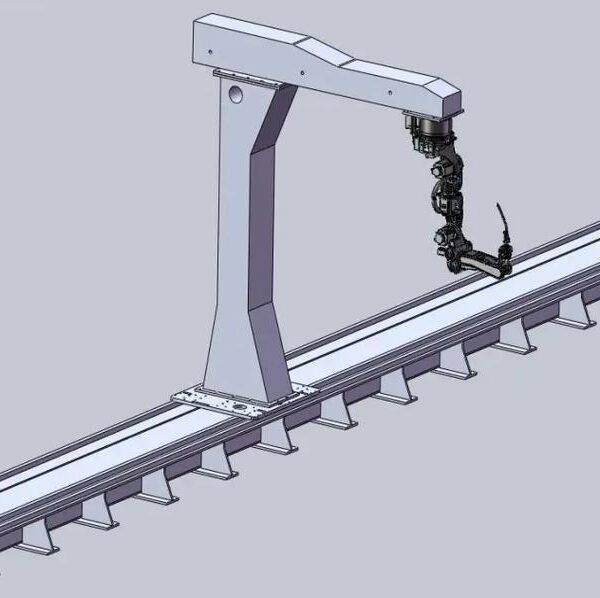

Cantilever Welding Robot solution
-
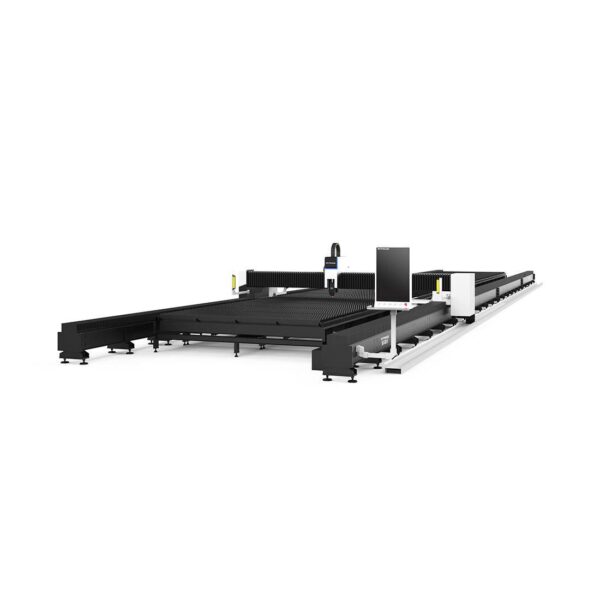

GF laser cutting machine
-
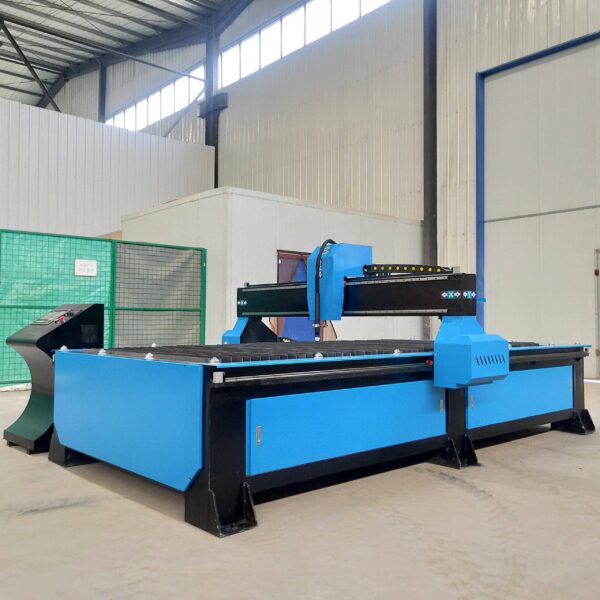
P3015 plasma cutting machine
-

LFP3015 Fiber Laser Cutter
-
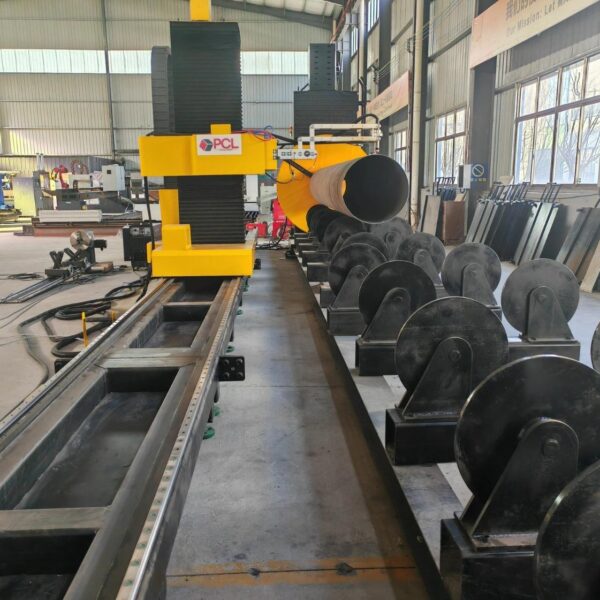
pipe plasma cutting machine
-
LFH 4020 Fiber Laser Cutting Machine
-
LFP4020
-
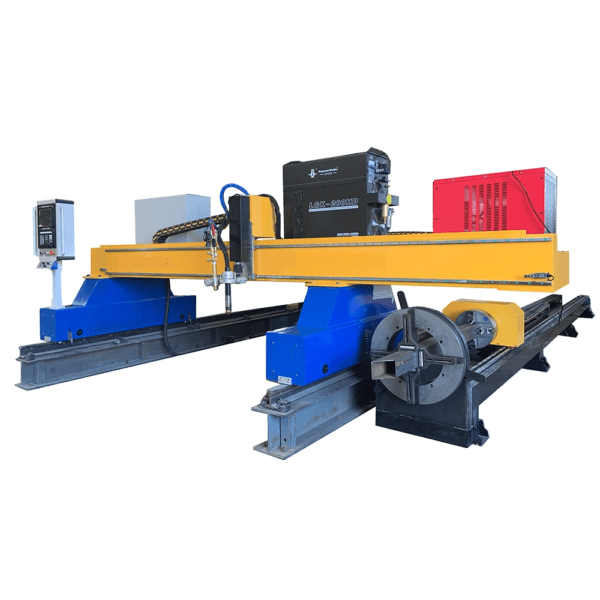
gantry plasma air cutting machine
-
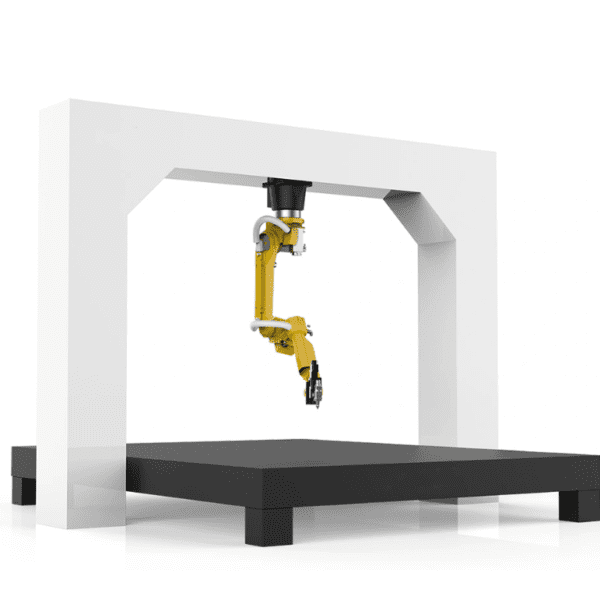
3D robot cutting machine
-
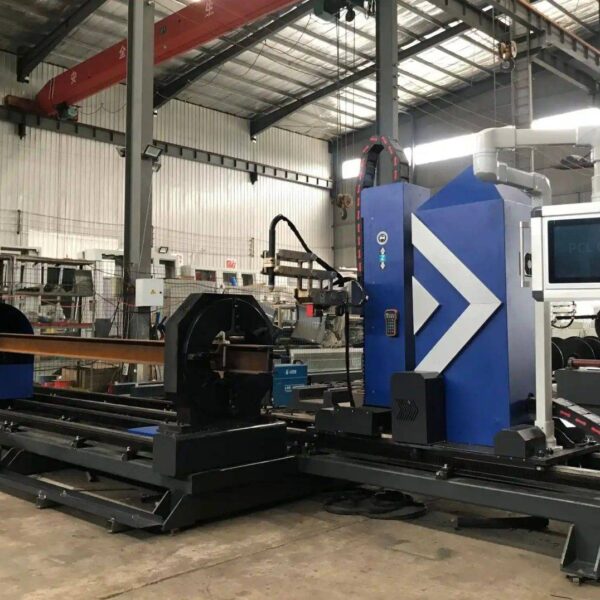
8 axis plasma cutting machine
-
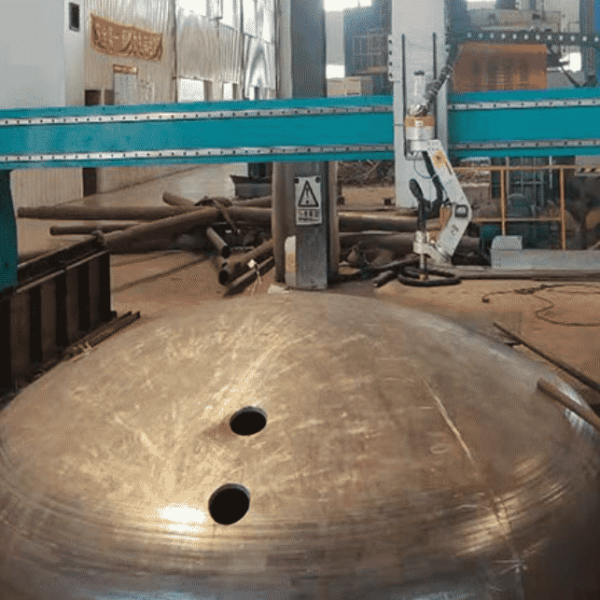
5 axis plasma cutting machine
-

LT360 tube laser cutting machine
-
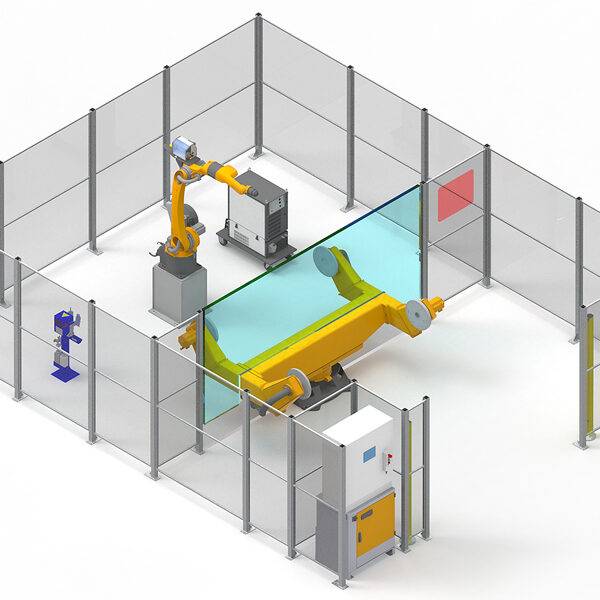
robot welding workstation
-
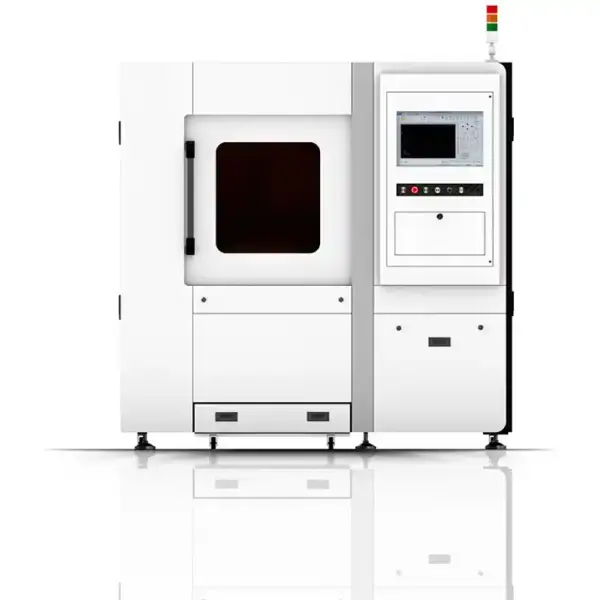
SF6060 fiber laser cutting machine
Advanced Fiber Laser Tube Processing Technology
Our CNC Fiber Laser Tube Cutting systems revolutionize metal fabrication by integrating high-precision cutting, punching, and profiling into a single automated workflow. Designed for versatility, this technology handles a wide array of profiles including Round, Square, Rectangular, and Oval tubes, as well as complex L-shaped and U-shaped channels.
- Precision Punching: High-speed hole punching with micron-level accuracy, eliminating the need for mechanical drilling or die-stamping.
- Complex Profiling: Advanced 3D pathing allows for intricate interlocking joints and specialized notch cuts, ideal for structural frames.
- High Material Efficiency: Intelligent nesting software minimizes scrap, reducing raw material costs across large production runs.
- Clean Finish: Delivers oxide-free, burr-free edges that require zero secondary grinding before welding.

Seamlessly processing multiple profiles with consistent precision.
Global Delivery & Logistics



From our high-tech manufacturing facility directly to your global site. PCL WeldCut ensures secure packaging, professional handling, and reliable international logistics to safeguard your equipment throughout the entire journey.