Technical Field Report: Commissioning and Performance Analysis of 1500W Industrial Laser Welder
1.0 Executive Summary: The Prague Implementation
This report details the field commissioning and operational assessment of a 1500W Industrial Laser Welder at a medium-scale fabrication facility in the Průmyslová district of Prague, Czech Republic. The primary objective was to replace aging Gas Tungsten Arc Welding (GTAW) stations for specific Carbon Steel welding workflows.
Over a fourteen-day assessment period, the transition to high-density Laser Technology demonstrated a 400% increase in linear travel speed while significantly reducing post-weld grinding requirements. The synergy between the localized heat input of the laser and the structural requirements of Czech-sourced S235JR and S355J2 carbon steel grades has established a new benchmark for the facility’s production efficiency.
2.0 Technical Specifications and System Integration
The unit deployed is a 1500W continuous wave (CW) fiber-source Industrial Laser Welder. Unlike traditional arc-based systems, this laser technology utilizes a 1070nm wavelength beam delivered via a 50μm transport fiber.
2.1 Hardware Configuration
The system integrates a handheld oscillating (wobble) head, which is critical for Carbon Steel welding where fit-up tolerances may vary. In the Prague workshop, we calibrated the wobble frequency between 20Hz and 280Hz with a width of up to 5mm. This oscillation is the bridge between the precision of laser technology and the practical realities of industrial fabrication, allowing the operator to bridge gaps that would typically cause “drop-through” in a static laser beam.
2.2 Ambient Conditions and Power Stability
Prague’s industrial power grid at the site was monitored for fluctuations. The Industrial Laser Welder was paired with a dedicated 400V three-phase stabilizer. Despite the workshop’s ambient temperature fluctuations (typical of early spring in Central Europe), the integrated dual-circuit water chiller maintained the fiber source and the optics at a constant 22°C, preventing thermal lensing—a common failure point when pushed to 100% duty cycle.
3.0 Synergy: Industrial Laser Welder and Advanced Laser Technology
The true advantage of this installation lies in the synergy between the hardware of the Industrial Laser Welder and the underlying physics of fiber laser technology.
In traditional welding, the energy density is relatively low, leading to a wide Heat Affected Zone (HAZ). The 1500W laser source focuses energy into a spot size of approximately 150-300 microns. This high power density facilitates “keyhole” mode welding even at moderate power settings. In the Prague facility, we observed that the Industrial Laser Welder allowed for deeper penetration with roughly 1/10th the total heat input of a MIG (GMAW) setup.
This technological synergy is not merely about speed; it is about metallurgical integrity. By utilizing laser technology, we have successfully mitigated the grain growth issues typically seen in the HAZ of high-strength carbon steels.
4.0 Deep Dive: Carbon Steel Welding Performance
Carbon Steel welding represents 85% of the output for this specific Prague contractor. We focused our testing on S235JR (low carbon) and S355J2 (structural steel) in thicknesses ranging from 1.0mm to 4.5mm.
4.1 Parameter Optimization
For 3.0mm S355J2 butt joints, the following parameters were established:
- Power: 1350W
- Wobble Type: Circle
- Wobble Width: 2.5mm
- Scan Speed: 25mm/s
- Shielding Gas: Pure Nitrogen (at 15 L/min)
The result was a full-penetration weld with a bead profile height of less than 0.2mm. The reduction in distortion was the most significant “win” for the shop floor. In Carbon Steel welding, especially with thin-gauge sheets, plate warping usually necessitates expensive jigging or post-weld straightening. With the Industrial Laser Welder, the plates remained flat within a 0.5mm tolerance over a 2000mm length.
4.2 Surface Preparation and Oxidation
One lesson learned during the Prague deployment was the sensitivity of laser technology to mill scale. While Carbon Steel welding with MIG is somewhat forgiving of surface oxides, the Industrial Laser Welder requires a cleaner interface. We found that even light surface oxidation on hot-rolled steel could lead to micro-porosity. The implementation of a quick flap-disc pass or chemical de-scaling became a mandatory precursor to ensure the laser technology could perform to ISO 13919-1 Class B standards.
5.0 Comparative Analysis: Laser vs. Traditional Methods
5.1 Throughput and Efficiency
In a head-to-head comparison on a standardized HVAC ducting component (1.5mm carbon steel), the results were conclusive:
- TIG (GTAW): 12 minutes per unit, significant warping, 5 minutes post-weld cleanup.
- Industrial Laser Welder: 1.5 minutes per unit, zero warping, zero post-weld cleanup.
5.2 Consumables and Operational Costs
While the initial investment in laser technology is higher than traditional sets, the Prague facility’s ROI calculation is aggressive. The 1500W unit draws significantly less power than a 300A TIG inverter when considering the “on-time” required per meter of weld. Furthermore, the absence of tungsten grinding and the reduced consumption of filler wire (due to the narrow kerf) have lowered the per-part cost by approximately 40%.
6.0 Field Lessons Learned and Engineering Recommendations
6.1 Gap Management
The most prominent challenge in the Prague workshop was fit-up. Carbon Steel welding with an Industrial Laser Welder is highly sensitive to gaps exceeding 0.5mm. When the gap reached 0.8mm, even with the wobble function, the beam tended to blow through rather than bridge.
Lesson: Upstream processes (laser cutting or shearing) must be held to higher tolerances to fully exploit laser technology. We updated the shop’s CNC plasma table parameters to ensure tighter tolerances for all parts destined for the laser welding station.
6.2 Safety and Infrastructure
Implementing laser technology in a traditional Prague metal shop required a cultural shift. The “Class 4” nature of the Industrial Laser Welder meant we had to construct a dedicated light-tight enclosure. Unlike the flash from a MIG welder, which is painful but immediately obvious, the 1070nm infrared beam is invisible and can cause permanent retinal damage before the blink reflex triggers.
Lesson: Never underestimate the importance of interlocked doors and laser-rated OD7+ eyewear. We conducted three days of safety training for all personnel within a 15-meter radius of the work zone.
6.3 Shielding Gas Selection
During Carbon Steel welding, there was a debate regarding Argon vs. Nitrogen. While Argon provides a cleaner aesthetic, Nitrogen proved to be more cost-effective in the Czech market and provided a slightly harder weld pool which was desirable for the structural components being fabricated. However, for parts requiring subsequent powder coating, we reverted to Argon to ensure zero nitriding of the surface, which can occasionally interfere with paint adhesion.
7.0 Conclusion
The deployment of the 1500W Industrial Laser Welder in Prague has been a technical success. By leveraging the precision of laser technology and applying it rigorously to Carbon Steel welding, the facility has moved from a labor-intensive manual process to a high-throughput, low-distortion production model.
The synergy between the 1500W fiber source and the oscillating delivery head allows for a level of control that traditional arc welding cannot match. As senior engineers, the recommendation is clear: for carbon steel applications under 5mm, the transition to an Industrial Laser Welder is no longer an “emerging” option—it is the current industry standard for shops seeking to remain competitive in the European market.
Report End.
Checked and Verified: Senior Welding Engineer, Prague Field Office.
-
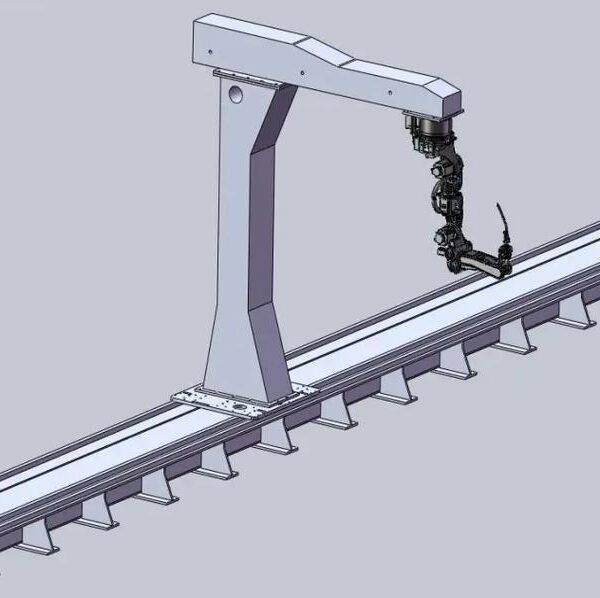

Cantilever Welding Robot solution
-
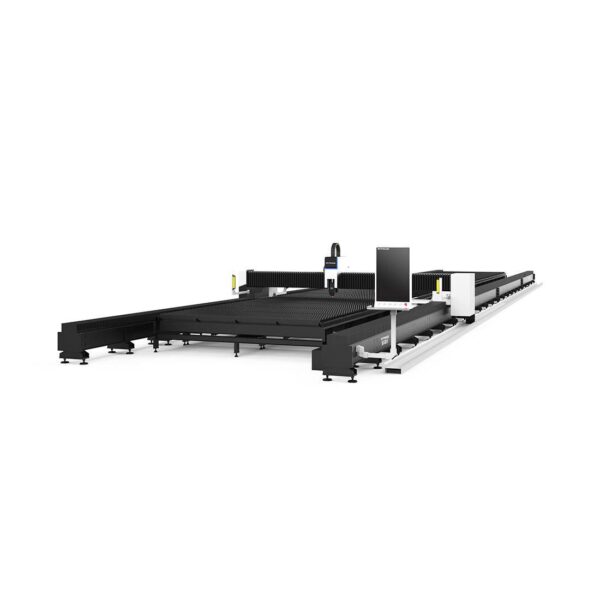

GF laser cutting machine
-
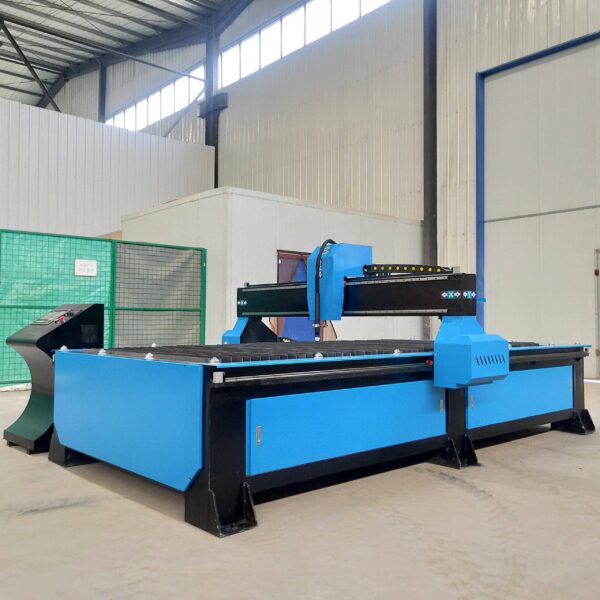
P3015 plasma cutting machine
-

LFP3015 Fiber Laser Cutter
-
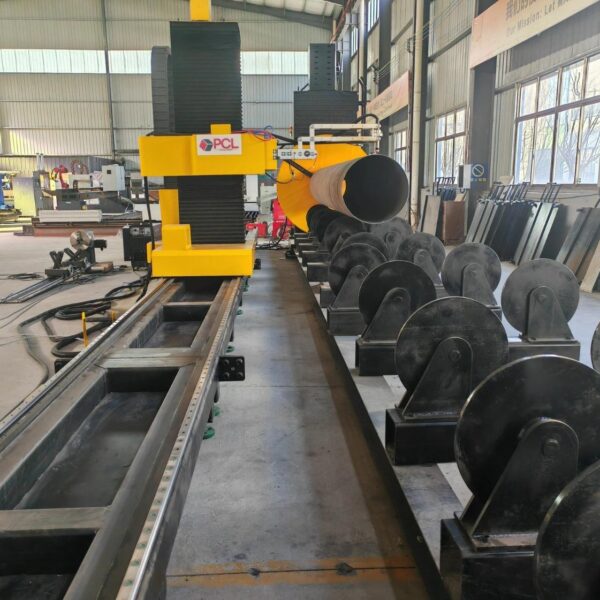
pipe plasma cutting machine
-
LFH 4020 Fiber Laser Cutting Machine
-
LFP4020
-
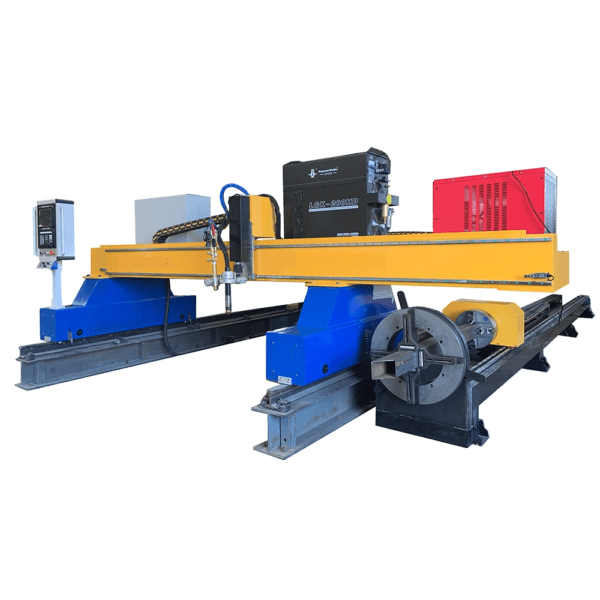
gantry plasma air cutting machine
-
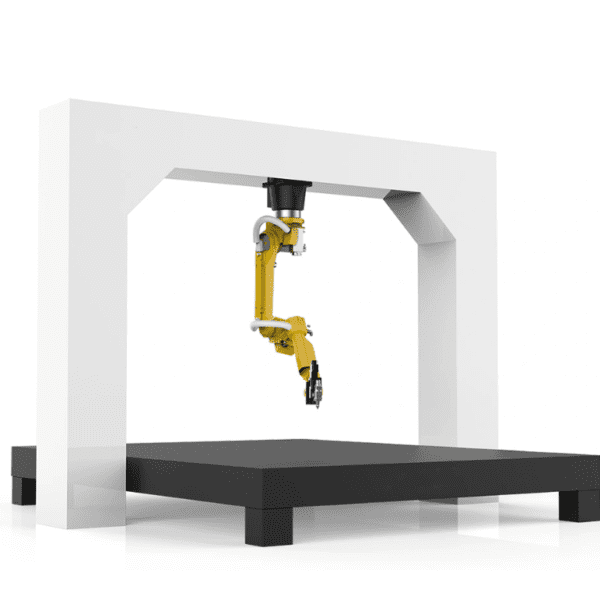
3D robot cutting machine
-
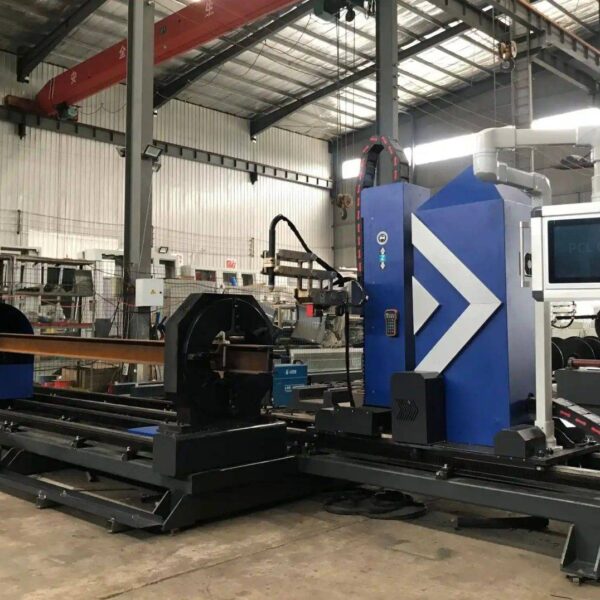
8 axis plasma cutting machine
-
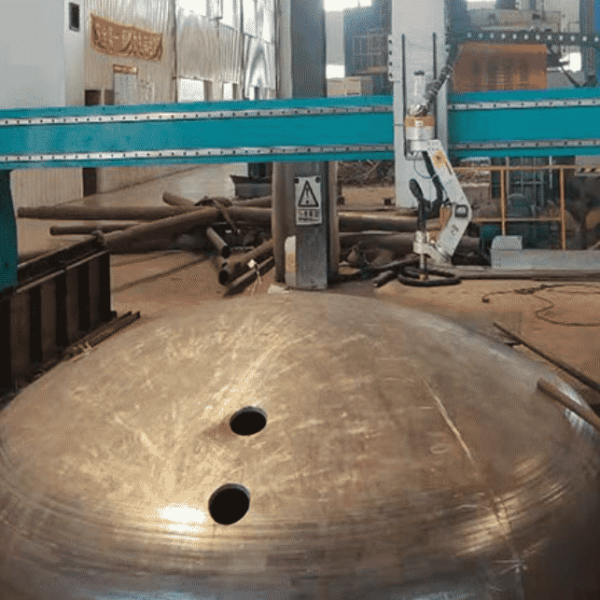
5 axis plasma cutting machine
-

LT360 tube laser cutting machine
-
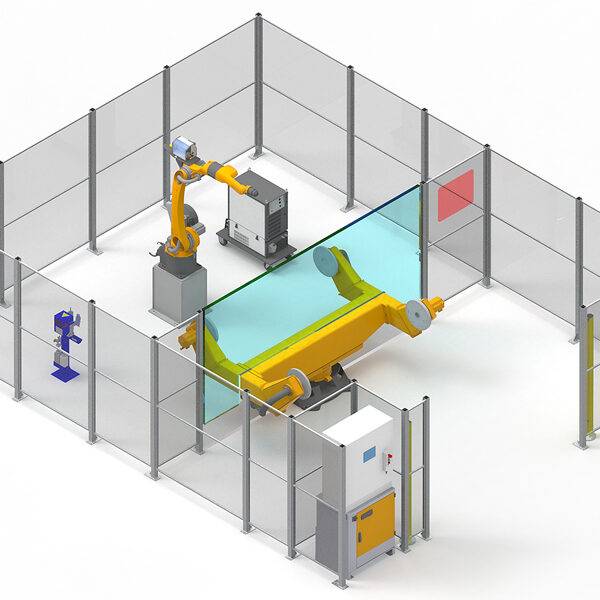
robot welding workstation
-
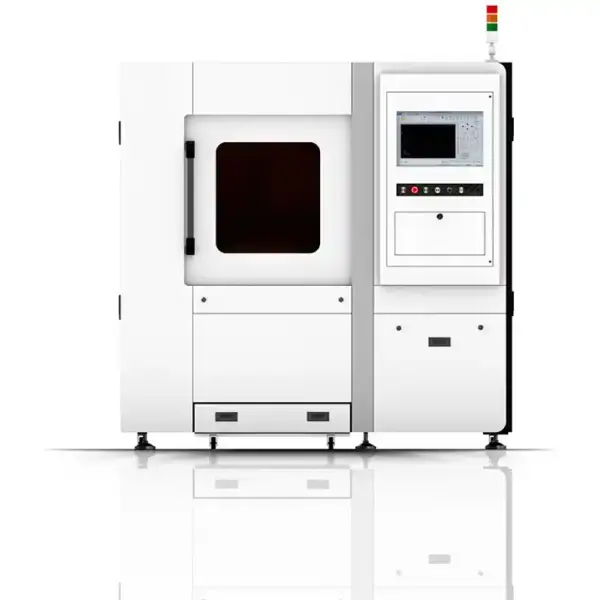
SF6060 fiber laser cutting machine
Advanced Fiber Laser Tube Processing Technology
Our CNC Fiber Laser Tube Cutting systems revolutionize metal fabrication by integrating high-precision cutting, punching, and profiling into a single automated workflow. Designed for versatility, this technology handles a wide array of profiles including Round, Square, Rectangular, and Oval tubes, as well as complex L-shaped and U-shaped channels.
- Precision Punching: High-speed hole punching with micron-level accuracy, eliminating the need for mechanical drilling or die-stamping.
- Complex Profiling: Advanced 3D pathing allows for intricate interlocking joints and specialized notch cuts, ideal for structural frames.
- High Material Efficiency: Intelligent nesting software minimizes scrap, reducing raw material costs across large production runs.
- Clean Finish: Delivers oxide-free, burr-free edges that require zero secondary grinding before welding.

Seamlessly processing multiple profiles with consistent precision.
Global Delivery & Logistics



From our high-tech manufacturing facility directly to your global site. PCL WeldCut ensures secure packaging, professional handling, and reliable international logistics to safeguard your equipment throughout the entire journey.