Field Report: Deployment of 1500W Fiber Laser Cobot System
Location: Bologna, Italy – Specialized Fluid Handling Component Facility
Project Overview and Objectives
This report details the integration and performance of a 1500W Fiber Laser Cobot system within a high-output fabrication facility in Bologna. The facility specializes in the production of structural frames and manifolds using galvanized pipe. Historically, the site relied on manual Gas Metal Arc Welding (GMAW). The primary objective of this deployment was to address the chronic issues associated with **Galvanized Pipe welding**, specifically the high rework rates caused by zinc-induced porosity and the thermal distortion of thin-walled substrates.
By introducing **Laser Technology** coupled with collaborative robotics, the goal was to achieve a 35-40% reduction in cycle time while maintaining structural integrity and aesthetic requirements without post-weld grinding.
The Synergy of Fiber Laser Cobot and Modern Laser Technology
Fiber Laser Source Characteristics
The heart of this system is a 1500W continuous wave (CW) fiber laser source. In the context of the Bologna workshop, the shift to **Laser Technology** represents a significant move away from the high heat input of traditional arc processes. A fiber laser operating at a 1070nm wavelength provides a focused energy density several orders of magnitude higher than a MIG arc. This allows for “keyhole” or high-speed conduction welding, where the heat-affected zone (HAZ) is drastically narrowed.
The **Fiber Laser Cobot** configuration provides the necessary motion control to harness this power. Unlike a manual laser welder, which is subject to human instability, the cobot ensures a constant torch angle and travel speed. This is critical because, in laser welding, a deviation of even 0.5mm in travel speed or focal position can lead to burn-through or lack of fusion, especially on the 2.0mm wall thickness pipes used at this site.
Why Collaborative Robotics?
In the Bologna facility, floor space is at a premium. Traditional industrial robots require extensive safety fencing and light curtains. The **Fiber Laser Cobot** was selected because its integrated force-torque sensors allow it to operate in proximity to technicians (following ISO/TS 15066 standards), provided the appropriate Class 4 laser enclosure is maintained. The synergy here is clear: the precision of **Laser Technology** handles the metallurgy, while the cobot handles the repetitive pathing, allowing the skilled welder to transition into a “Cell Lead” role, overseeing three units simultaneously.
Technical Analysis: Galvanized Pipe Welding Challenges
The Zinc Dilemma
**Galvanized Pipe welding** is notoriously difficult due to the low boiling point of zinc (approximately 906°C) compared to the melting point of the underlying steel (approximately 1500°C). In traditional welding, the zinc vaporizes violently, becoming trapped in the weld pool and causing “blowholes” or gross porosity.
The Laser Solution: High-Speed Wobble Parameters
To mitigate this in Bologna, we implemented a “Wobble” strategy. The **Fiber Laser Cobot** was programmed to oscillate the beam in a circular pattern at a frequency of 250Hz with a width of 1.5mm.
1. **Vapor Escape:** The high-frequency oscillation keeps the weld pool fluid slightly longer, allowing the zinc vapor to escape ahead of the solidification front.
2. **Gap Bridging:** Galvanized pipes often have inconsistent fit-up. The wobble function allows the **Laser Technology** to bridge gaps up to 0.8mm, which would otherwise be impossible with a static laser beam.
3. **Feed Rate:** We achieved stable beads at 25mm/s. At this speed, the heat input is so localized that the zinc coating 2mm away from the weld remains intact, preserving the corrosion resistance of the overall component.
Implementation Details: The Bologna Workshop Setup
Fixture Integrity and Grounding
In the Bologna setup, we identified early on that the standard aluminum modular tables were insufficient for the precision required by the **Fiber Laser Cobot**. We transitioned to 3D cast iron welding tables with specialized “V-blocks” for pipe alignment. Because **Laser Technology** relies on a consistent focal point (typically ±0.2mm), any vibration in the pipe during the cobot’s rotation would result in a loss of penetration.
Gas Shielding Strategy
We moved from a standard 80/20 Ar/CO2 mix to pure Nitrogen for the galvanized applications. While Argon provides a stable arc in MIG, in **Laser Technology**, Nitrogen acts as a more effective shielding agent to suppress the plasma cloud that can form above the weld pool. This plasma cloud often absorbs laser energy, leading to inconsistent penetration. By using a coaxial nozzle with a 15L/min flow rate, we successfully suppressed the plasma and pushed the zinc oxides away from the optical path.
Lessons Learned from the Field
1. The “Cleanliness” Paradox
While we marketed the **Fiber Laser Cobot** as a solution for galvanized steel, we learned that “as-received” galvanized pipe from local Italian distributors often carries a heavy oil coating for storage. This oil, when hit by 1500W of laser energy, carbonizes and fouls the protective window of the laser head.
* **Correction:** We implemented a quick solvent wipe protocol. It added 10 seconds to the cycle but reduced lens replacement costs by 60%.
2. Thermal Management of the Cobot Joints
During July in Bologna, ambient temperatures in the workshop reached 38°C. We noted that the cobot’s joints were triggering thermal alarms during 100% duty cycle operations.
* **Correction:** We integrated an external industrial chiller not just for the laser source, but for the cobot controller cabinet as well. **Laser Technology** is highly efficient, but the electronics supporting it are sensitive to the “Old World” workshop environments of Northern Italy.
3. Fit-up Tolerance is Non-Negotiable
The biggest hurdle for the Bologna team was the transition from “MIG-mentality” to “Laser-precision.” In manual **Galvanized Pipe welding**, a welder can fill a 2mm gap with a weave. The **Fiber Laser Cobot** cannot.
* **Correction:** We had to upgrade the pipe-cutting saw to a cold-cut circular saw to ensure square, gap-free joints. This upfront investment in the “prep” phase was the only way to realize the speed gains of the laser.
Performance Metrics and Results
After three months of operation, the data from the Bologna site shows:
* **Cycle Time Reduction:** A standard manifold frame that took 12 minutes to weld manually now takes 4 minutes and 15 seconds.
* **Consumable Savings:** The cost of welding wire (0.8mm ER70S-6) was reduced by 50% because the laser uses the base material for the majority of the fusion, only using the wire feeder for gap compensation.
* **Post-Process Elimination:** Rejection due to porosity fell from 14% to less than 1.5%. The need for “zinc-rich” spray touch-ups was reduced because the laser’s HAZ is so small.
Conclusion
The deployment of the 1500W **Fiber Laser Cobot** in Bologna confirms that when **Laser Technology** is applied with specific attention to the physics of **Galvanized Pipe welding**, the results far exceed traditional methods. The synergy between the cobot’s pathing accuracy and the laser’s power density solves the age-old problem of zinc vaporization, provided that the facility adheres to stricter fit-up and cleanliness standards. This installation serves as the technical benchmark for all future fluid-handling fabrication projects in the region.
**Report Compiled by:**
*Senior Welding Engineer*
*Bologna Field Office*
-
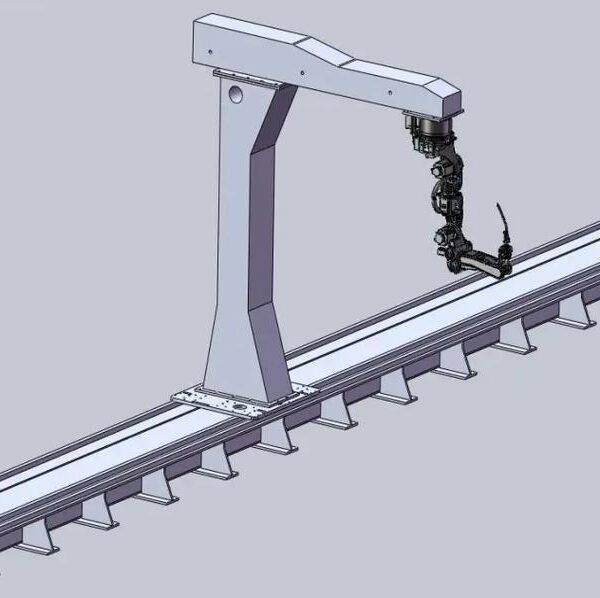

Cantilever Welding Robot solution
-
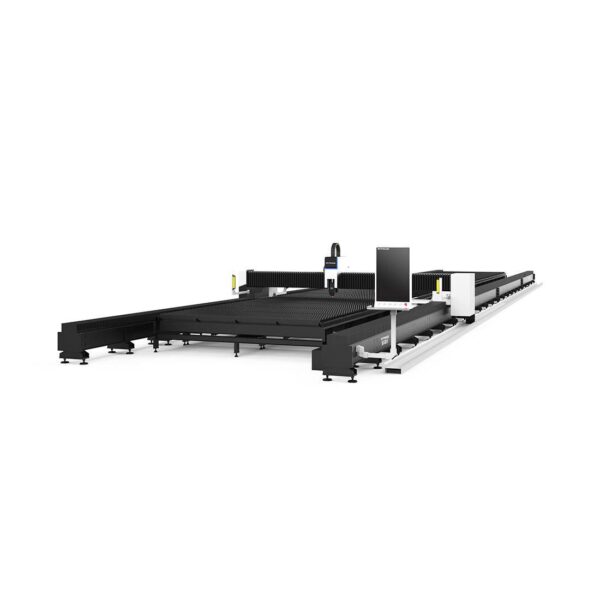

GF laser cutting machine
-
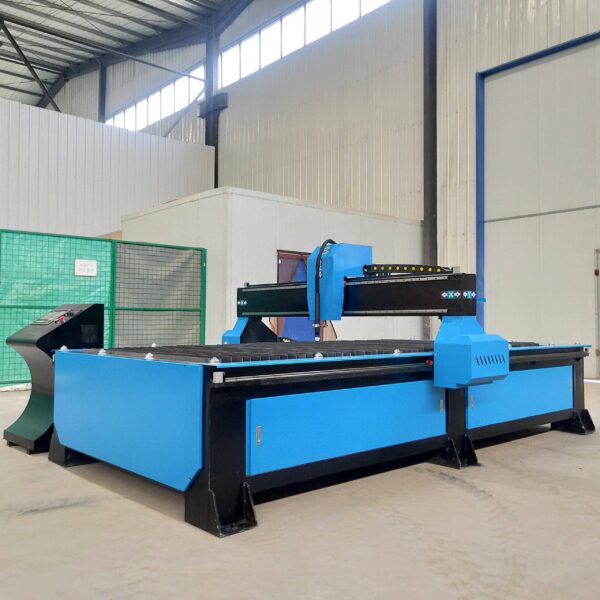
P3015 plasma cutting machine
-

LFP3015 Fiber Laser Cutter
-
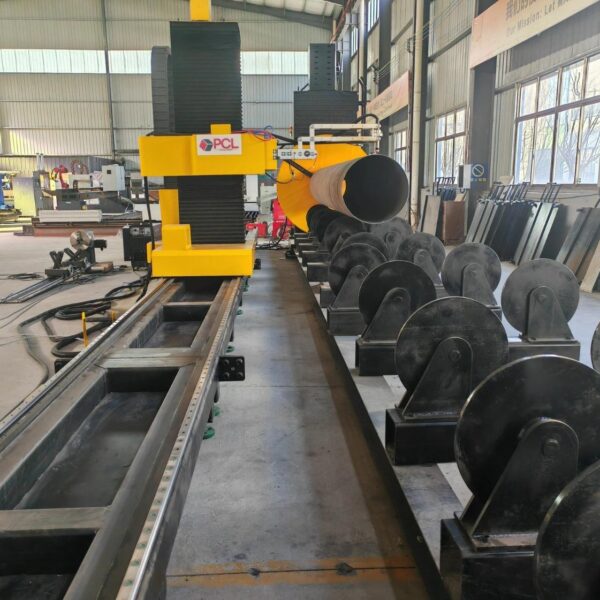
pipe plasma cutting machine
-
LFH 4020 Fiber Laser Cutting Machine
-
LFP4020
-
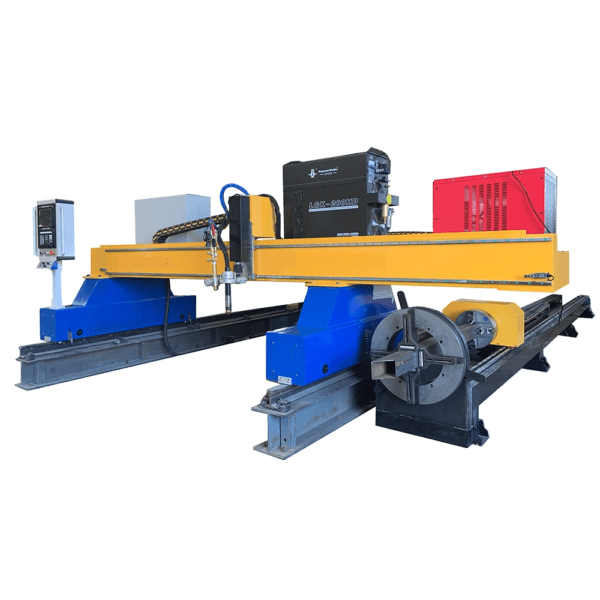
gantry plasma air cutting machine
-
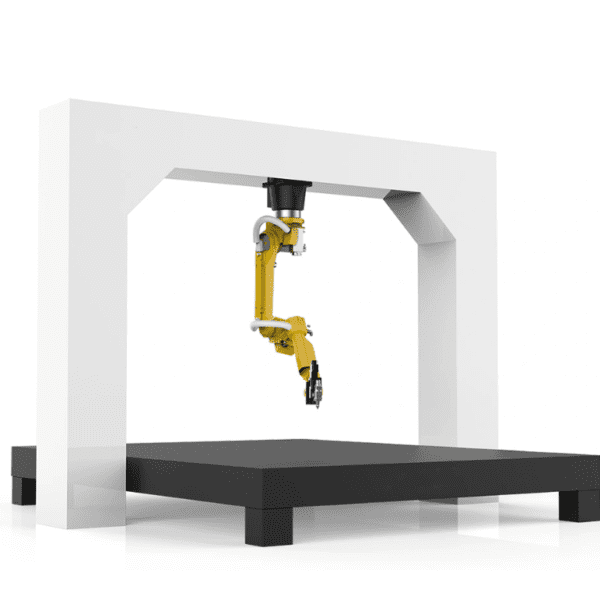
3D robot cutting machine
-
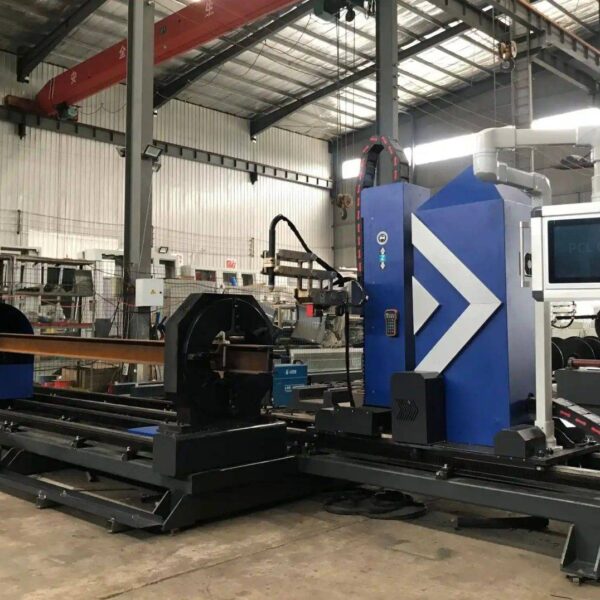
8 axis plasma cutting machine
-
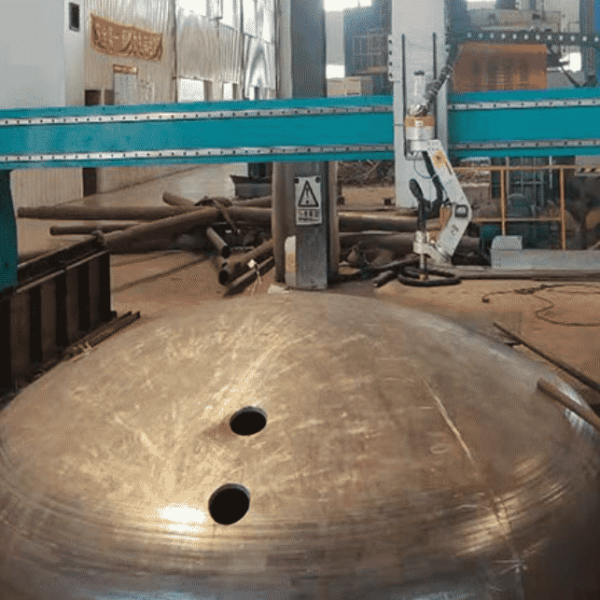
5 axis plasma cutting machine
-

LT360 tube laser cutting machine
-
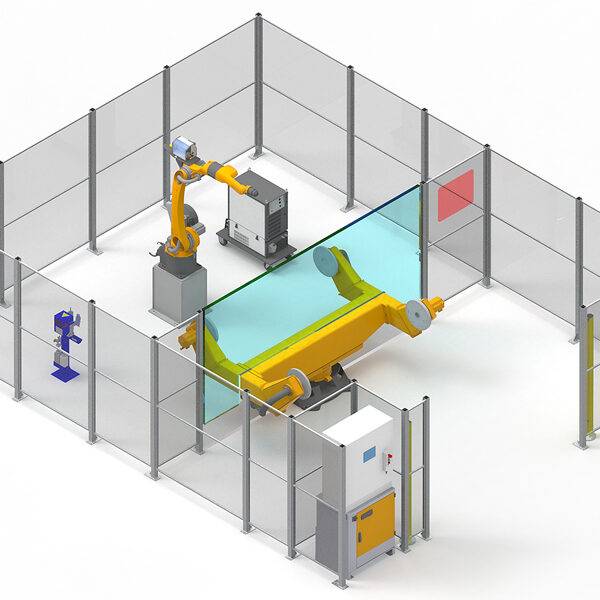
robot welding workstation
-
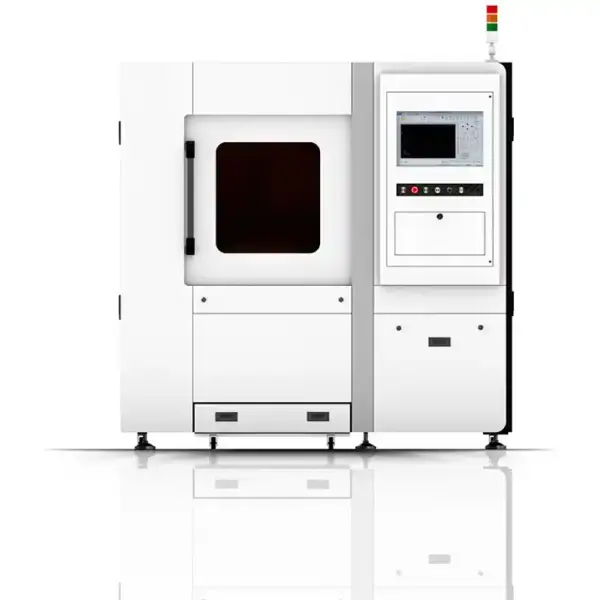
SF6060 fiber laser cutting machine
Advanced Fiber Laser Tube Processing Technology
Our CNC Fiber Laser Tube Cutting systems revolutionize metal fabrication by integrating high-precision cutting, punching, and profiling into a single automated workflow. Designed for versatility, this technology handles a wide array of profiles including Round, Square, Rectangular, and Oval tubes, as well as complex L-shaped and U-shaped channels.
- Precision Punching: High-speed hole punching with micron-level accuracy, eliminating the need for mechanical drilling or die-stamping.
- Complex Profiling: Advanced 3D pathing allows for intricate interlocking joints and specialized notch cuts, ideal for structural frames.
- High Material Efficiency: Intelligent nesting software minimizes scrap, reducing raw material costs across large production runs.
- Clean Finish: Delivers oxide-free, burr-free edges that require zero secondary grinding before welding.

Seamlessly processing multiple profiles with consistent precision.
Global Delivery & Logistics



From our high-tech manufacturing facility directly to your global site. PCL WeldCut ensures secure packaging, professional handling, and reliable international logistics to safeguard your equipment throughout the entire journey.