Field Engineering Report: Implementation of 1500W 6-Axis Collaborative Welder
Site Location: Riyadh Industrial City, Saudi Arabia
This report details the technical deployment and performance evaluation of a 1500W 6-Axis Collaborative Welder integrated within a high-throughput fabrication facility in Riyadh. The objective was to transition from manual TIG processes to a streamlined Automated Welding workflow, specifically targeting thin metal sheet welding applications for HVAC ducting and stainless steel enclosures.
In the Riyadh context, where ambient temperatures frequently exceed 45°C and industrial power fluctuations are a factor, the reliability of the 1500W laser source and the precision of the 6-axis kinematic chain were put under significant stress. This report outlines the technical findings, the synergy between collaborative robotics and automation, and the lessons learned from the field.
The Role of the 6-Axis Collaborative Welder in Modern Fabrication
Degrees of Freedom and Torch Geometry
The primary advantage of the 6-Axis Collaborative Welder over traditional 3-axis Cartesian systems or manual welding is the dexterity provided by its rotational joints (J1 through J6). In the Riyadh facility, we encountered complex geometries—specifically 45-degree bevel joints and cylindrical intersections on 1.5mm stainless steel.
A 6-axis system allows the laser torch to maintain a constant perpendicularity or a specific “push” angle relative to the weld pool, even when traversing non-linear paths. This is critical for thin metal sheet welding, as any deviation in the torch angle changes the energy density of the 1500W beam, leading to inconsistent penetration or instantaneous burn-through.
Collaborative Safety and Workshop Integration
Unlike traditional industrial robots that require extensive light curtains and physical fencing, the “collaborative” nature of this welder allowed our local technicians to work alongside the arm. This was a strategic choice for the Riyadh workshop, where floor space is optimized. The cobot’s force-torque sensors detect resistance, stopping the automated welding process instantly if an operator is detected within the path. This significantly lowered the barrier to entry for our manual welders transitioning into “robot operators.”
Synergy: Automated Welding and Process Consistency
Transitioning from Manual to Automated Systems
In Riyadh’s competitive fabrication market, automated welding is no longer a luxury but a necessity for scaling production. The 1500W laser welder, when mounted on a 6-axis arm, bridges the gap between the finesse of a human hand and the tireless repeatability of a machine.
During our testing phase, we observed that the synergy between the cobot’s controller and the laser’s pulse modulation allowed for “stitch welding” patterns that are nearly impossible to replicate manually at speed. By automating the travel speed—keeping it at a constant 25mm/s—we eliminated the “human wobble” that typically results in excess heat-affected zones (HAZ).
Integration with External Positioners
We further enhanced the automated welding setup by syncing the 6-axis arm with a rotary turntable. This 7th-axis integration, though controlled externally, allowed for continuous circumferential welds. For the Riyadh project, this meant we could weld cylindrical pressure vessels made of 2.0mm aluminum without stopping to reposition, ensuring a hermetic seal and a visually superior finish.
Technical Challenges in Thin Metal Sheet Welding
Managing Heat Distortion in Arid Climates
Thin metal sheet welding (specifically 0.8mm to 2.0mm thickness) is notoriously difficult due to thermal expansion. In the Riyadh heat, the base metal is often already at an elevated temperature before the arc even strikes. Using a 1500W continuous wave (CW) laser source required precise modulation to prevent warping.
We implemented a “Pulse Mode” setting on the 1500W source. By vibrating the beam (wobble function) at a frequency of 150Hz with a width of 2.0mm, we distributed the energy more broadly. This reduced the peak intensity at a single point, allowing for deep penetration without the catastrophic distortion of the thin-gauge material.
Material-Specific Findings
Stainless Steel (AISI 304/316)
The 6-Axis Collaborative Welder excelled here. The 1500W power was actually capped at 60% for 1.2mm sheets to maintain a clean, straw-colored weld bead. The automated gas pre-flow and post-flow settings were crucial to prevent oxidation in the dry Riyadh air.
Aluminum (5000 Series)
Aluminum’s high thermal conductivity requires the full 1500W for the initial puddle formation, followed by a rapid ramp-down. The 6-Axis Collaborative Welder’s ability to change travel speed dynamically via the software’s “slope down” function prevented crater cracks at the end of the weld seam.
Operational Field Notes: Lessons Learned in Riyadh
Environmental Factors: Dust and Heat
One of the most significant lessons learned was the impact of Riyadh’s environment on the optics of the 1500W laser. Dust ingress can destroy a protective window in minutes.
Lesson: We mandated a positive-pressure air filtration system for the laser cabinet and implemented a strict “lens check” every 4 hours of automated welding.
The Importance of Precision Fixturing
You cannot achieve high-quality thin metal sheet welding if the parts are not clamped perfectly. The 6-axis arm will follow its programmed path with a repeatability of ±0.05mm, but if the sheet has sprung back or is poorly seated in the jig, the laser will miss the seam.
Lesson: We spent 40% of our implementation time designing heavy-duty, quick-release pneumatic jigs to ensure the “zero-gap” requirement for laser welding was met.
Grounding and Power Stability
Riyadh’s industrial grid can occasionally see voltage sags. A 1500W laser is sensitive to these fluctuations, which can lead to “stuttering” in the automated welding path.
Lesson: A dedicated industrial voltage stabilizer and a rigorous grounding rod installation were necessary to prevent interference with the 6-axis controller’s logic boards.
Software Calibration and Path Programming
The “Lead-Through” Programming Advantage
One of the highlights of the 6-Axis Collaborative Welder is the “hand-guiding” mode. In the Riyadh workshop, we didn’t always have time for complex G-code programming. Our senior welder would physically move the arm along the seam of a thin metal sheet welding job, and the controller would record the path.
Fine-Tuning the Wobble Parameters
For automated welding, the “Wobble” is the equalizer. We found that a “Circle” wobble pattern was superior for lap joints, while a “Figure-8” pattern worked best for butt joints on 1.5mm sheets. This versatility, controlled directly from the cobot’s pendant, allowed us to switch between product lines in Riyadh with minimal downtime.
Conclusion and Recommendations
The deployment of the 1500W 6-Axis Collaborative Welder in Riyadh has proven that automated welding is the most effective solution for the challenges of thin metal sheet welding. The 6-axis dexterity allows for complex geometry management, while the 1500W laser provides the speed and low heat input necessary to keep thin materials from warping.
Final Recommendations:
- Cooling: Upgrade to a dual-circuit industrial chiller capable of handling 50°C ambient temperatures to protect the 1500W source.
- Training: Shift focus from “welding technique” to “robotic path optimization” for local staff.
- Maintenance: Implement a daily optical cleaning protocol to combat the Riyadh dust.
This configuration is now the benchmark for our regional operations, providing a 400% increase in throughput compared to manual TIG welding on the same assemblies.
-
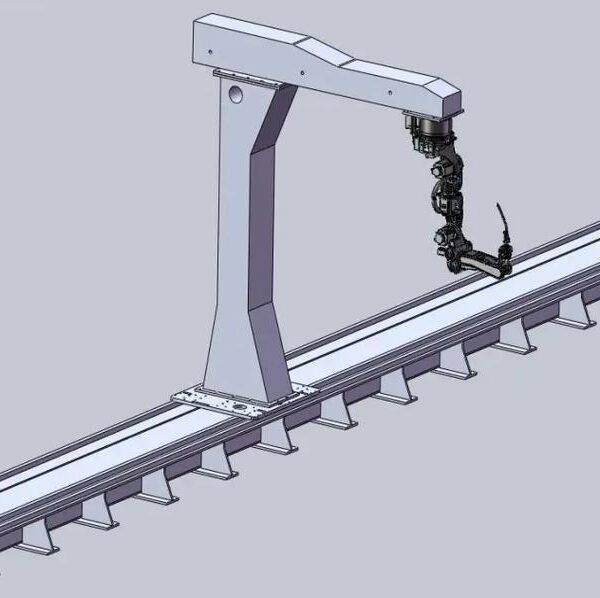

Cantilever Welding Robot solution
-
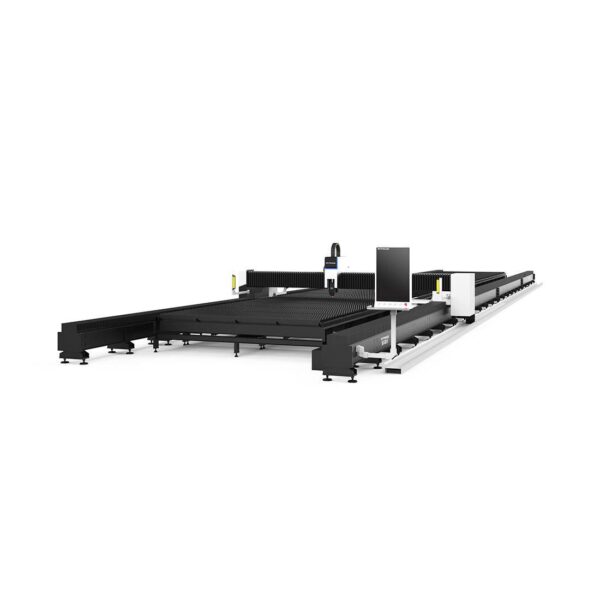

GF laser cutting machine
-
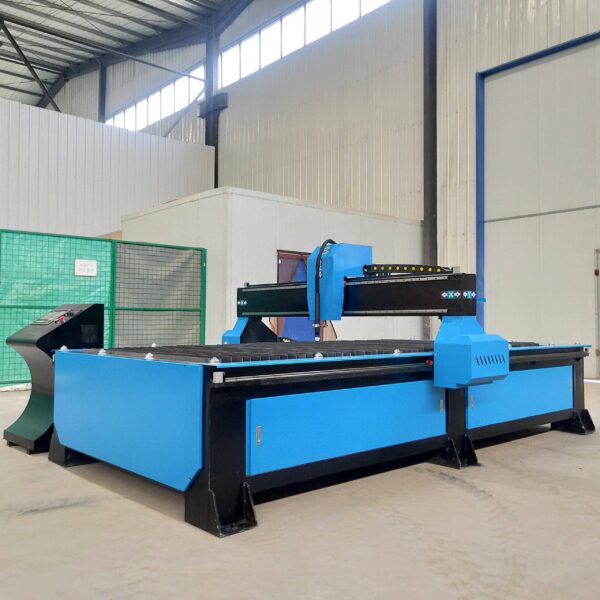
P3015 plasma cutting machine
-

LFP3015 Fiber Laser Cutter
-
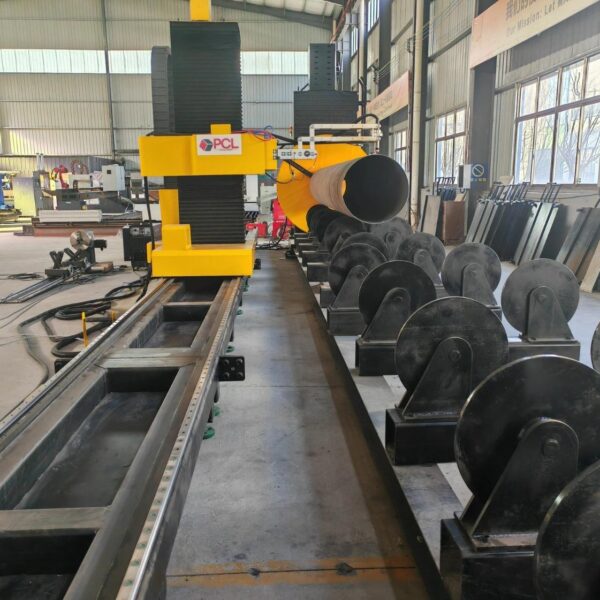
pipe plasma cutting machine
-
LFH 4020 Fiber Laser Cutting Machine
-
LFP4020
-
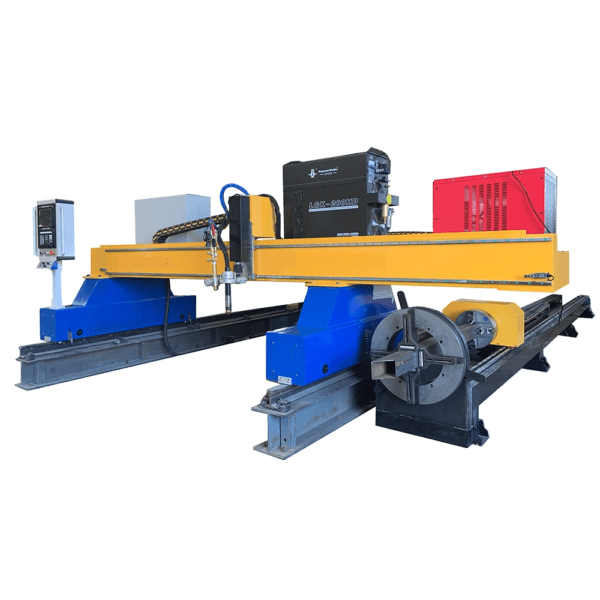
gantry plasma air cutting machine
-
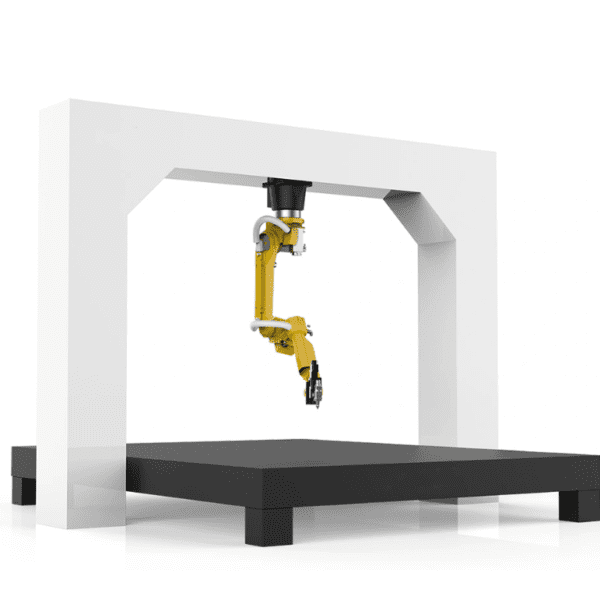
3D robot cutting machine
-
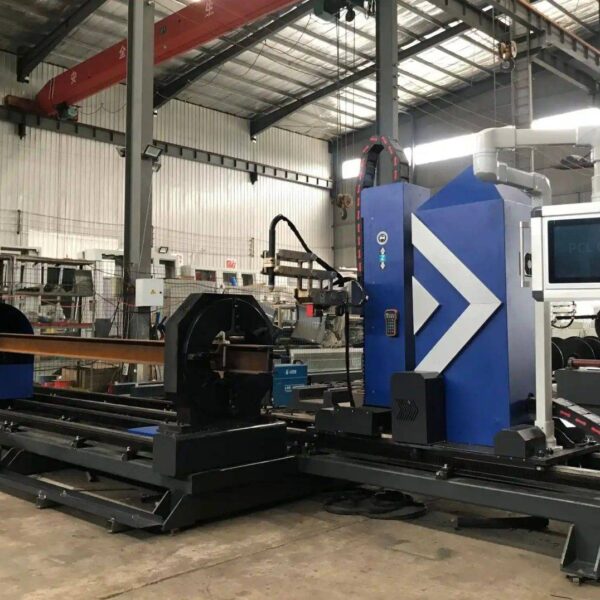
8 axis plasma cutting machine
-
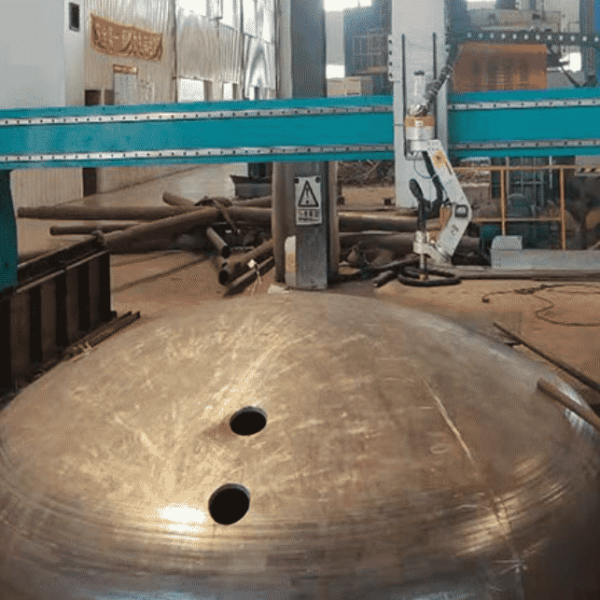
5 axis plasma cutting machine
-

LT360 tube laser cutting machine
-
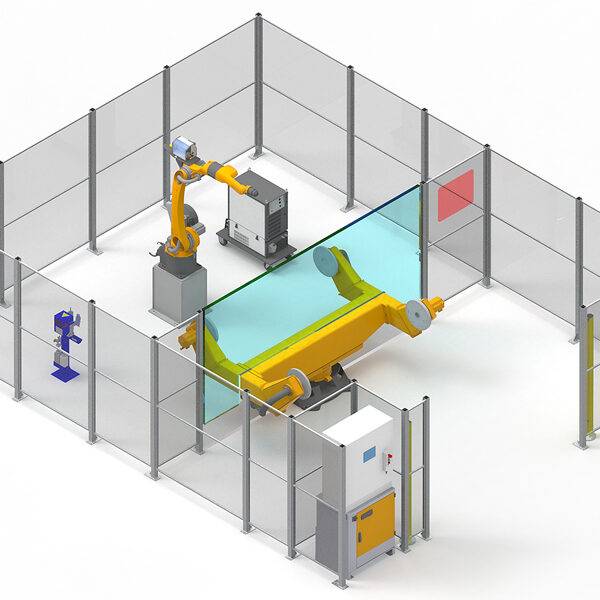
robot welding workstation
-
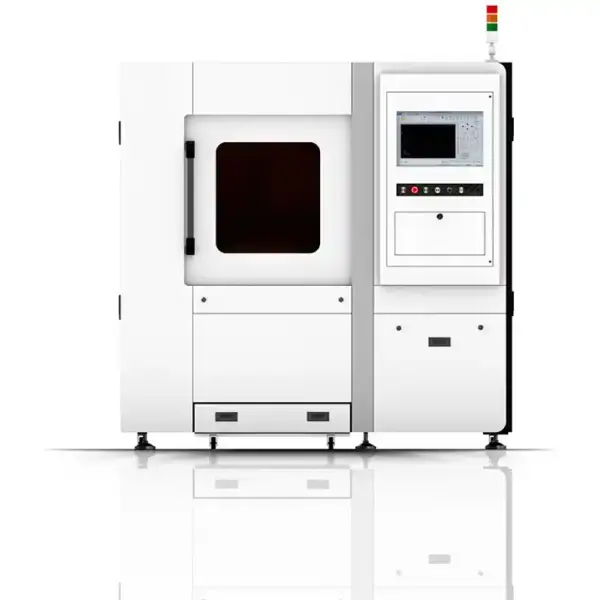
SF6060 fiber laser cutting machine
Advanced Fiber Laser Tube Processing Technology
Our CNC Fiber Laser Tube Cutting systems revolutionize metal fabrication by integrating high-precision cutting, punching, and profiling into a single automated workflow. Designed for versatility, this technology handles a wide array of profiles including Round, Square, Rectangular, and Oval tubes, as well as complex L-shaped and U-shaped channels.
- Precision Punching: High-speed hole punching with micron-level accuracy, eliminating the need for mechanical drilling or die-stamping.
- Complex Profiling: Advanced 3D pathing allows for intricate interlocking joints and specialized notch cuts, ideal for structural frames.
- High Material Efficiency: Intelligent nesting software minimizes scrap, reducing raw material costs across large production runs.
- Clean Finish: Delivers oxide-free, burr-free edges that require zero secondary grinding before welding.

Seamlessly processing multiple profiles with consistent precision.
Global Delivery & Logistics



From our high-tech manufacturing facility directly to your global site. PCL WeldCut ensures secure packaging, professional handling, and reliable international logistics to safeguard your equipment throughout the entire journey.