Field Evaluation: 1000W Laser Welding Cobot Implementation – Milan Fabrication Hub
The following report details the technical commissioning and operational integration of a 1000W fiber-source Laser Welding Cobot at our primary stainless steel fabrication facility in Milan, Italy. The objective was to transition from manual GTAW (TIG) to automated Laser Technology to address throughput bottlenecks in the production of high-end commercial kitchen components and medical-grade cabinetry. As of Q3, the system is fully operational, and the following data represents the performance metrics, metallurgical outcomes, and mechanical adjustments made during the initial 45-day burn-in period.
I. Technical Infrastructure and Hardware Synergy
The 1000W Fiber Source and Beam Delivery
In the Milan workshop, the core of our Laser Technology suite is a 1000W continuous wave (CW) fiber laser source. Unlike traditional CO2 systems, the 1070nm wavelength provided by the fiber source allows for exceptional absorption rates in reflective materials. During our Stainless Steel welding trials, we observed that the energy density at the focal point (approx. 150μm spot size) allows for deep penetration with minimal heat input, a critical factor for the 1.5mm to 3.0mm 304L and 316L grades we process locally.
The Laser Welding Cobot Kinematics
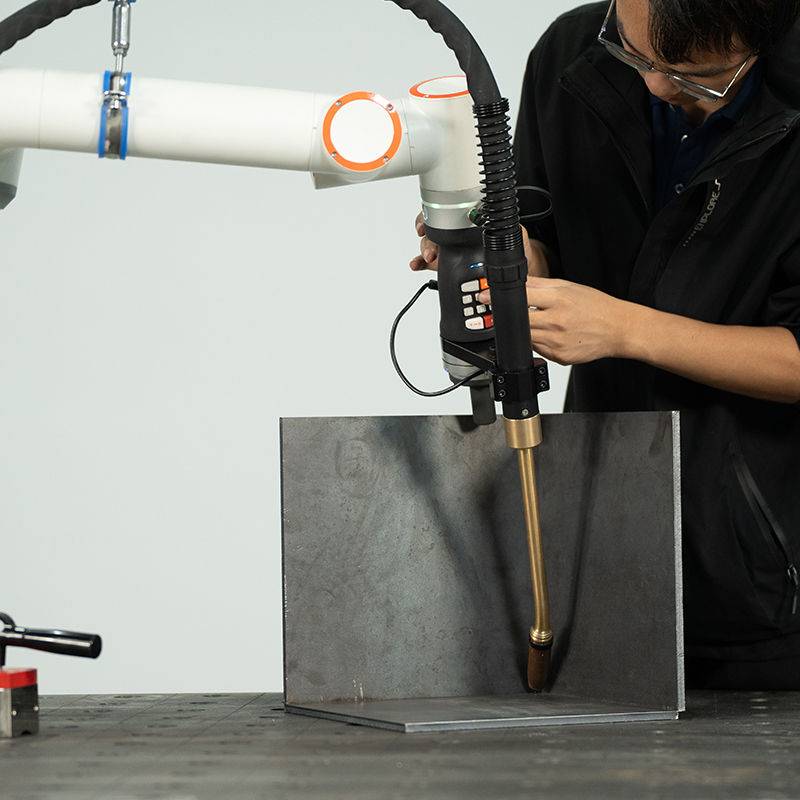
The integration of the Laser Welding Cobot—specifically a 6-axis collaborative arm with a 5kg payload capacity—has redefined our torch path consistency. Manual welding, while artisan-grade in Milan, suffered from “Monday morning variance.” The cobot maintains a constant linear velocity of 15mm/s to 25mm/s, which is essential for maintaining the stability of the keyhole. We utilized a customized end-of-arm tool (EOAT) that incorporates a wobble-head laser torch, allowing us to oscillate the beam in circular or “C” patterns to bridge fit-up gaps of up to 0.5mm, which was previously a failure point for static laser systems.
II. Application Specifics: Stainless Steel Welding Parameters
Heat Affected Zone (HAZ) Management
The primary driver for moving to a Laser Welding Cobot was the reduction of the Heat Affected Zone. In our Stainless Steel welding processes, excessive heat leads to chromium carbide precipitation (sensitization), which compromises the corrosion resistance of the 316L assemblies used in the pharmaceutical sector. Our metallurgical analysis shows that the laser’s concentrated energy reduces the HAZ by approximately 75% compared to manual TIG. This eliminates the need for post-weld straightening of thin-gauge panels, which was a significant labor sink in the Milan plant.
Wobble Parameters for Fillet Joints
- Wobble Frequency: 150 Hz
- Wobble Width: 1.2 mm
- Peak Power: 950W
- Duty Cycle: 100% (CW)
By utilizing these specific Laser Technology settings, we achieved a smooth, aesthetic bead profile that matches the “Milan Finish” required by our architectural clients without requiring secondary grinding or polishing.
Gas Shielding and Atmospheric Control
Shielding gas dynamics in the Milan facility required adjustment due to local humidity levels during the summer months. We transitioned from a standard Argon 100% mix to a slightly higher flow rate through the coaxial nozzle of the Laser Welding Cobot. For Stainless Steel welding, we found that a trailing shield is unnecessary if the travel speed is optimized, as the rapid cooling rate of the laser melt pool limits oxidation. However, for 316L, we maintained a flow of 15 L/min to ensure the “silver” finish of the bead remained consistent.
III. Real-World Synergy: The Milan Workshop Experience
Operational Logistics and Safety
Integrating a Laser Welding Cobot into an active workshop in Italy requires strict adherence to CE standards and laser safety protocols. We established a Class 4 laser enclosure using specialized laser-opaque curtains. The “synergy” here isn’t just a buzzword; it refers to the cobot’s ability to be “hand-guided” by our senior welders to teach points, then executing those points with the precision of high-end Laser Technology. The welders in Milan have transitioned from “torch operators” to “process technicians,” focusing on jigging and parameter optimization rather than the physical strain of manual passes.
Fit-Up and Tooling Requirements
The most significant lesson learned is that Laser Technology is unforgiving regarding fit-up. While a TIG welder can add filler wire to bridge a 1mm gap, the Laser Welding Cobot requires precision. We had to upgrade our table clamping systems to ensure zero-gap tolerances. For Stainless Steel welding, any air gap results in underfill or blow-through. We implemented a laser-seam tracking sensor on the cobot head, which adjusts the path in real-time (+/- 0.1mm) to compensate for minor thermal warping during long longitudinal seams.
IV. Lessons Learned and Engineering Recommendations
Thermal Lensing and Optic Maintenance
One unforeseen issue in the Milan shop was the accumulation of fine particulates on the protective lens. Despite the air knife, the high-volume production of stainless components generated enough spatter to cause thermal lensing—where the laser beam begins to defocus due to heat buildup in the contaminated lens.
Engineering Correction:
We implemented a mandatory lens inspection every 4 hours of “arc-on” time. This reduced our scrap rate by 12% in the second month. The 1000W Laser Technology is sensitive; even a fingerprint on the fiber termination can lead to catastrophic failure of the delivery cable.
Program Optimization for Corner Transitions
When the Laser Welding Cobot negotiates a 90-degree corner on a stainless cabinet, the deceleration of the robot arm often leads to localized overheating (burn-through) if the laser power remains constant.
Implementation of Power Ramping:
We programmed a look-ahead function that correlates the laser’s power output with the robot’s TCP (Tool Center Point) velocity. As the cobot slows for a corner, the Laser Technology source ramps down to 700W, maintaining a consistent energy-per-unit-length. This is critical for Stainless Steel welding where aesthetic uniformity is the primary KPI.
V. Conclusion and Performance Summary
The deployment of the Laser Welding Cobot in Milan has proven that 1000W of Laser Technology is the optimal power threshold for mid-to-light gauge Stainless Steel welding. We have recorded a 4x increase in production speed compared to manual GTAW, with a 90% reduction in post-weld finishing costs. The synergy between the collaborative robotics and the fiber laser source allows for a flexible manufacturing cell that can pivot between different product lines with minimal downtime.
Final Performance Metrics:
- Average Travel Speed: 22 mm/s (up from 4 mm/s manual).
- Consumable Cost: Reduced by 30% (less wire, lower gas volume per meter).
- Rework Rate: Dropped from 8% to <0.5%.
For future implementations, I recommend a 1500W source if we plan to move into 5mm+ thicknesses, but for the current Milan portfolio, the 1000W system is the definitive benchmark for efficiency and precision.
Report Compiled By:
Senior Welding Engineer, Milan Site Operations
Department of Advanced Joining Technologies
-
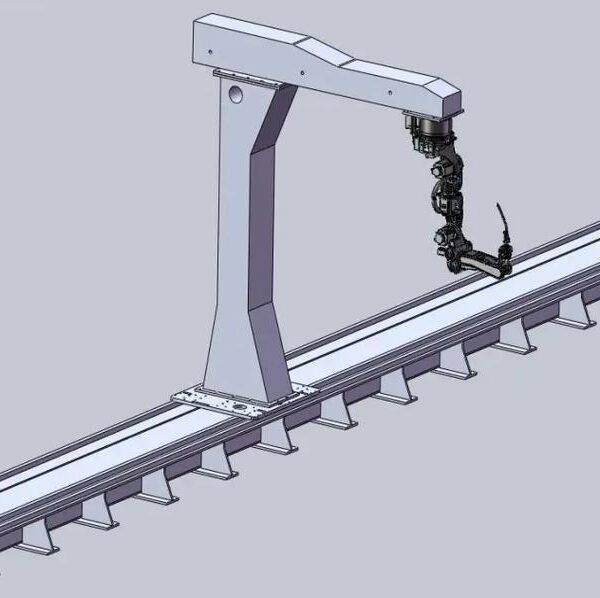

Cantilever Welding Robot solution
-
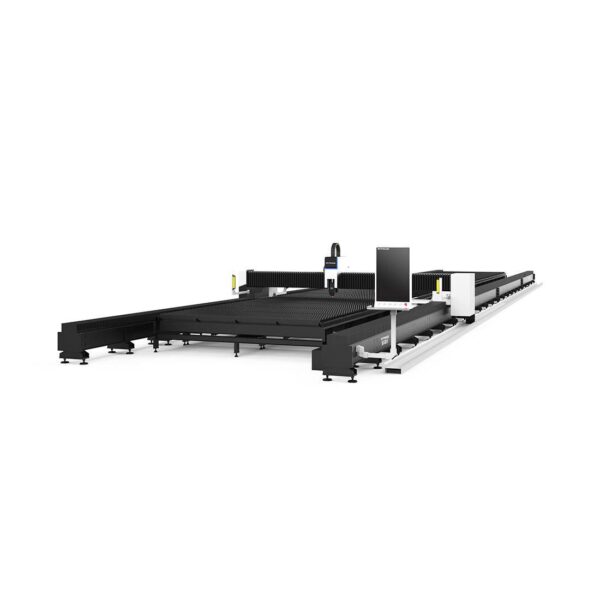

GF laser cutting machine
-
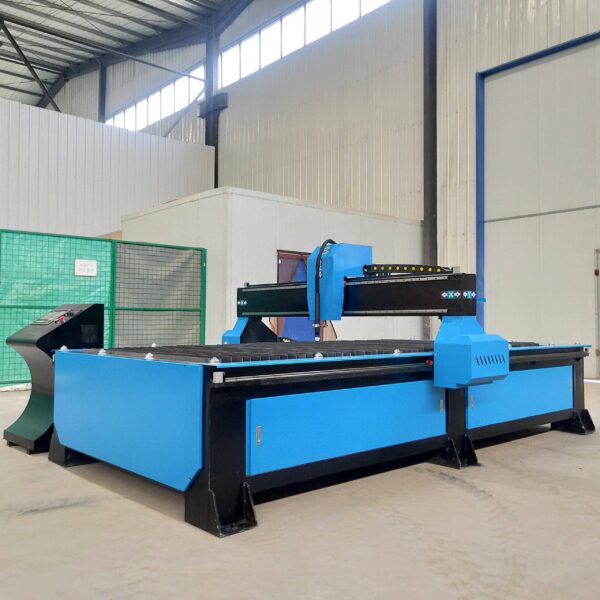
P3015 plasma cutting machine
-

LFP3015 Fiber Laser Cutter
-
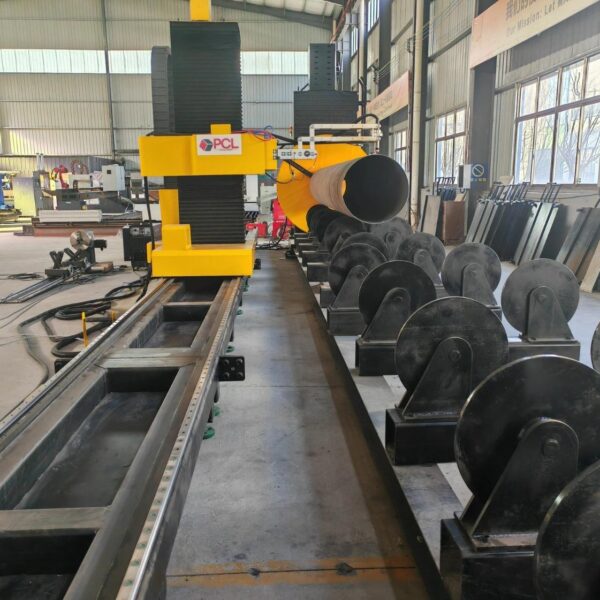
pipe plasma cutting machine
-
LFH 4020 Fiber Laser Cutting Machine
-
LFP4020
-
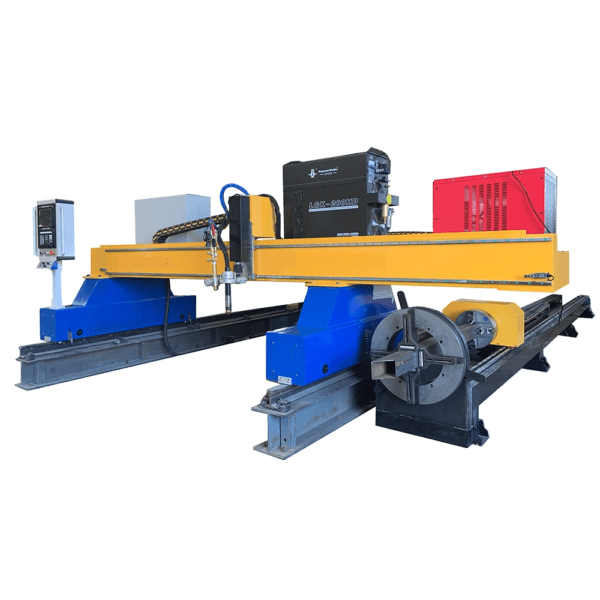
gantry plasma air cutting machine
-
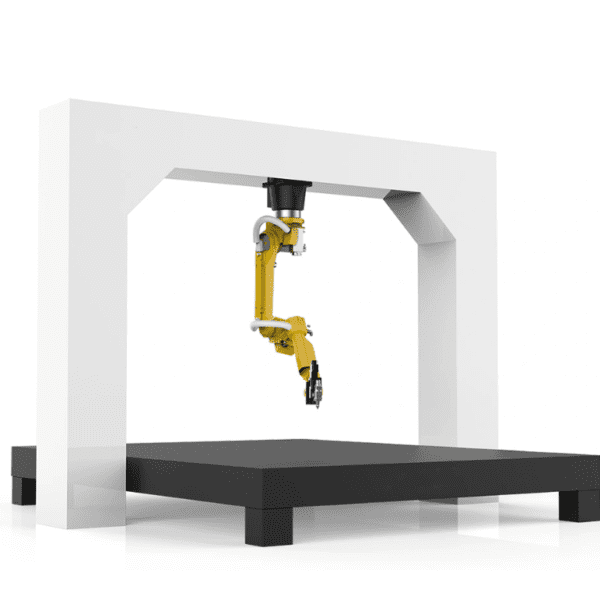
3D robot cutting machine
-
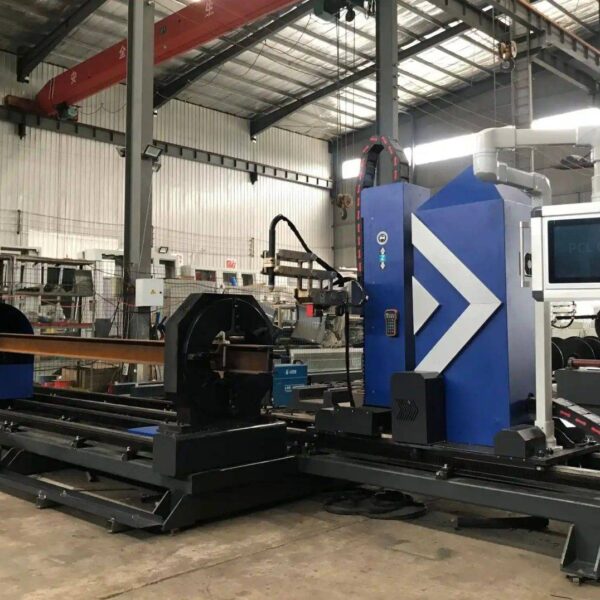
8 axis plasma cutting machine
-
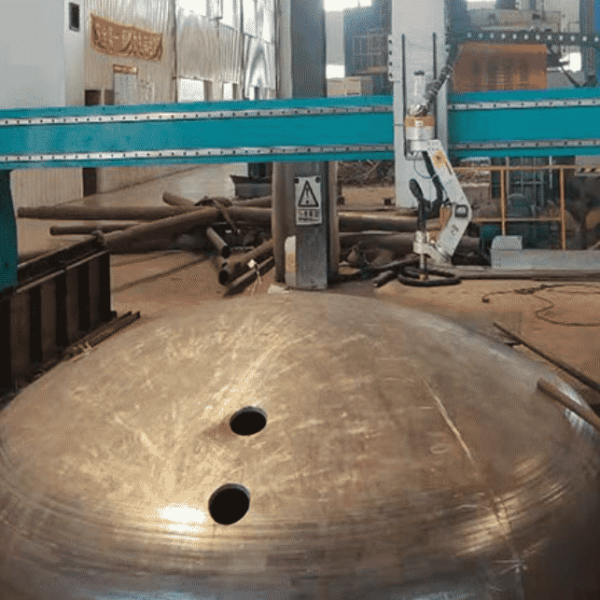
5 axis plasma cutting machine
-

LT360 tube laser cutting machine
-
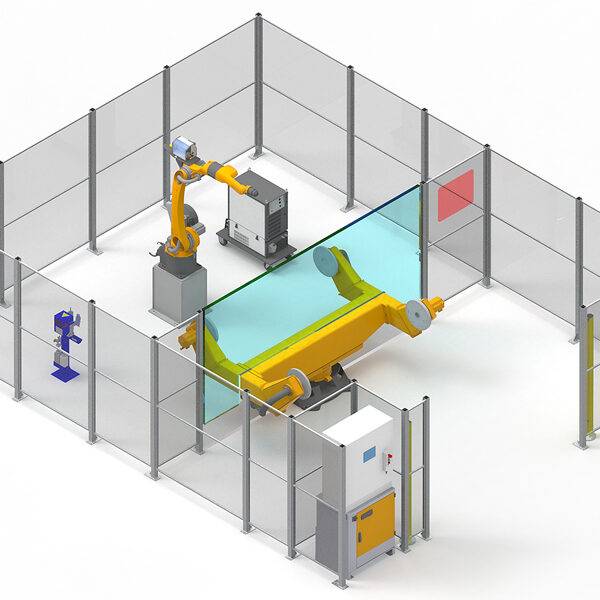
robot welding workstation
-
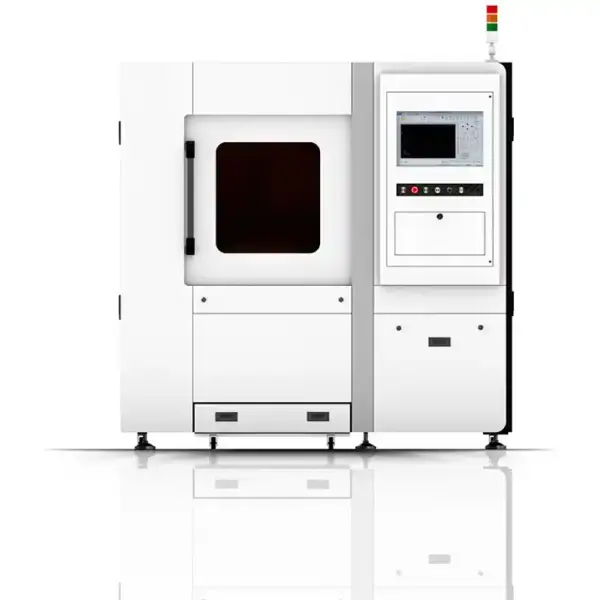
SF6060 fiber laser cutting machine
Advanced Fiber Laser Tube Processing Technology
Our CNC Fiber Laser Tube Cutting systems revolutionize metal fabrication by integrating high-precision cutting, punching, and profiling into a single automated workflow. Designed for versatility, this technology handles a wide array of profiles including Round, Square, Rectangular, and Oval tubes, as well as complex L-shaped and U-shaped channels.
- Precision Punching: High-speed hole punching with micron-level accuracy, eliminating the need for mechanical drilling or die-stamping.
- Complex Profiling: Advanced 3D pathing allows for intricate interlocking joints and specialized notch cuts, ideal for structural frames.
- High Material Efficiency: Intelligent nesting software minimizes scrap, reducing raw material costs across large production runs.
- Clean Finish: Delivers oxide-free, burr-free edges that require zero secondary grinding before welding.

Seamlessly processing multiple profiles with consistent precision.
Global Delivery & Logistics



From our high-tech manufacturing facility directly to your global site. PCL WeldCut ensures secure packaging, professional handling, and reliable international logistics to safeguard your equipment throughout the entire journey.