Field Evaluation: 1000W Laser Welding Cobot Integration
Location: Cidade Industrial de Curitiba (CIC), Brazil
This report outlines the technical deployment and performance validation of a 1000W fiber-source **Laser Welding Cobot** at a mid-sized stainless steel fabrication facility in Curitiba. The objective was to replace manual Gas Tungsten Arc Welding (GTAW) for AISI 304 and 316L components used in the local food processing and pharmaceutical sectors.
In the Curitiba industrial hub, the shortage of high-precision manual welders has created a production bottleneck. The implementation of **Laser Technology** via a collaborative platform was proposed to maintain metallurgical integrity while increasing throughput.
The Synergy of Laser Technology and Collaborative Robotics
The core of this deployment lies in the integration of a 1000W continuous wave (CW) fiber laser source with a 6-axis collaborative robot arm. In a traditional manual setup, the human element introduces variables in travel speed and torch angle that often lead to rework in **Stainless Steel welding**.
Precision Motion Control
By mounting the laser head on a cobot, we achieved a constant velocity profile that manual operators cannot replicate. **Laser Technology** requires extremely tight tolerances; even a 0.5mm deviation in focal distance can result in lack of penetration or excessive spatter. The **Laser Welding Cobot** mitigates this by maintaining a programmed TCP (Tool Center Point) within ±0.03mm. In the Curitiba workshop, we utilized “lead-through programming,” allowing the floor supervisor to physically move the cobot to the weld start and end points. This reduced setup time for new part geometries by 70% compared to traditional industrial robots.
Wobble Functionality and Gap Bridging
One of the primary lessons learned during the Curitiba field test was the necessity of the “wobble” parameter. **Stainless Steel welding** often suffers from fit-up inconsistencies. Manual shearing and bending in the local plant resulted in gaps up to 0.8mm. By utilizing the cobot’s integrated laser software to oscillate the beam in a circular or “figure-8” pattern at 150Hz, we successfully bridged these gaps without sacrificing the structural integrity of the joint.
Technical Analysis: Stainless Steel Welding Applications
**Stainless Steel welding** at thin gauges (1.0mm to 3.5mm) is notoriously difficult due to the material’s high coefficient of thermal expansion and low thermal conductivity.
Heat Input and Distortion Control
Traditional TIG welding delivers a high amount of heat into the base metal, leading to significant “oil-canning” and warping. During the field trials, we measured the Heat Affected Zone (HAZ) under a microscope. The **Laser Technology** employed here produced a HAZ that was approximately 80% smaller than our TIG baselines.
* **TIG Heat Input:** ~2.5 kJ/mm
* **Laser Cobot Heat Input:** ~0.4 kJ/mm
This reduction is critical for the Curitiba plant’s pharmaceutical tanks, where post-weld straightening was previously adding four man-hours per unit. With the **Laser Welding Cobot**, the tanks remained within a 0.5mm flatness tolerance across the longitudinal seam.
Metallurgical Integrity and Oxidation
A major concern with **Stainless Steel welding** in humid environments like Curitiba is the risk of carbide precipitation and surface oxidation. We utilized a 99.999% Argon shield gas through a specialized nozzle integrated into the cobot head. The high travel speed of the laser (often exceeding 20mm/s) means the weld pool solidifies almost instantly, minimizing the time the chromium is exposed to oxygen at critical temperatures.
Implementation Challenges in the Curitiba Environment
Power Grid Stability and Cooling
The industrial power grid in parts of Curitiba can experience voltage fluctuations. The 1000W fiber laser source is sensitive to these shifts. We had to install a dedicated voltage stabilizer and a dual-circuit industrial chiller. In Curitiba’s summer months, the ambient humidity can lead to condensation on the laser optics. **Lesson Learned:** Always maintain the chiller temperature 1-2 degrees Celsius above the dew point to prevent “sweating” on the protective windows, which would otherwise lead to immediate lens failure.
Fit-up and Fixturing
The transition to a **Laser Welding Cobot** demands a shift in upstream processing. In our second week of testing, we realized that the manual clamping used for TIG was insufficient. Laser welding is “unforgiving.” If the parts are not in intimate contact, the beam simply passes through the gap. We redesigned the shop’s jigs to include pneumatic toggles, ensuring zero-gap fit-up for all butt joints.
Safety and Compliance (NR-12)
In Brazil, compliance with NR-12 (Safety in Machinery and Equipment) is mandatory. Unlike manual laser welding, which is difficult to certify safely on an open floor, the **Laser Welding Cobot** was enclosed in a Class 4 laser safety booth. We integrated the cobot’s emergency stop circuit with the door sensors. This ensured that the **Laser Technology** could only be activated when the environment was fully light-tight, protecting other workers in the CIC facility from stray reflections (specular reflections) off the shiny stainless surfaces.
Economic and Operational Impact
Throughput Gains
For a standard 2-meter longitudinal seam on 2mm 304 Stainless:
* **Manual TIG:** 12 minutes (including tacking and cooling).
* **Laser Welding Cobot:** 1.5 minutes.
The 1000W power setting was found to be the “sweet spot.” Increasing power to 1500W caused excessive sag on the underside of the weld (root drop-through), whereas 1000W provided full penetration with a clean, silver-colored root bead that required zero post-weld grinding.
Consumables and Cleanup
One of the most significant “real-world” wins in Curitiba was the reduction in consumables. We eliminated the need for tungsten electrodes and significantly reduced the use of pickling paste. Because the **Laser Technology** produces such a clean weld, the “passivation” step was simplified to a quick electrochemical wipe, rather than heavy grinding and acid treatment.
Engineering Lessons Learned
1. **Beam Alignment is King:** In the field, we found the fiber cable was being stressed during high-angle cobot movements. We had to recalibrate the cable management system to ensure a minimum bend radius of 300mm. Failure to do this causes power loss and can potentially burn out the fiber.
2. **Shield Gas Dynamics:** Do not skimp on gas. For **Stainless Steel welding**, trailing shield gas is often necessary if you want that “surgical” silver finish. We modified the cobot’s end-effector to include a custom 3D-printed trailing shoe.
3. **Operator Training:** You do not need a 10-year welder to run a **Laser Welding Cobot**, but you do need someone with a “machinist mindset.” The operator must understand focal points and beam offsets. In Curitiba, we found that younger technicians with CNC experience adapted faster than veteran manual welders.
Conclusion
The deployment of the 1000W **Laser Welding Cobot** in Curitiba has proven that **Laser Technology** is no longer a “lab-only” tool. For **Stainless Steel welding**, it is the only viable path forward to achieve the precision and speed required by modern international standards. The synergy between the cobot’s motion and the fiber laser’s energy density solves the distortion issues inherent in thin-gauge fabrication, provided that upstream fit-up and safety protocols are strictly managed.
**End of Report.**
*Prepared by: Senior Welding Engineer*
*Date: October 2023*
-
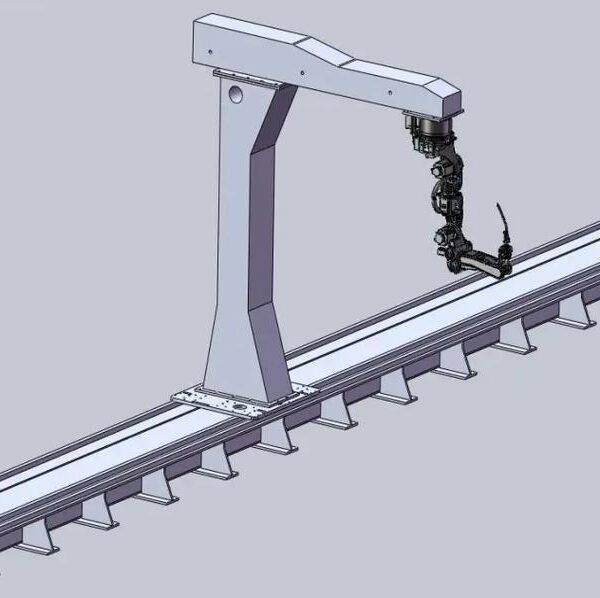

Cantilever Welding Robot solution
-
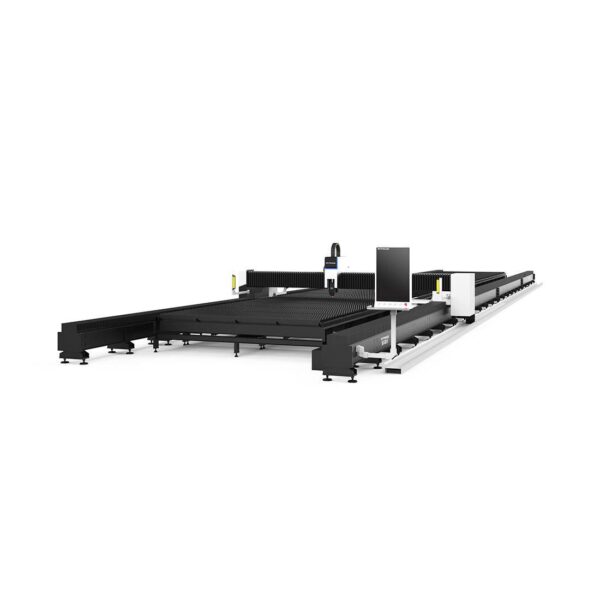

GF laser cutting machine
-
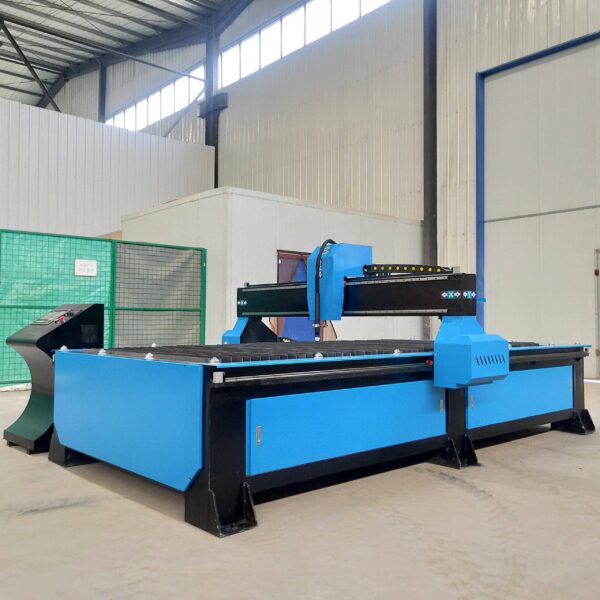
P3015 plasma cutting machine
-

LFP3015 Fiber Laser Cutter
-
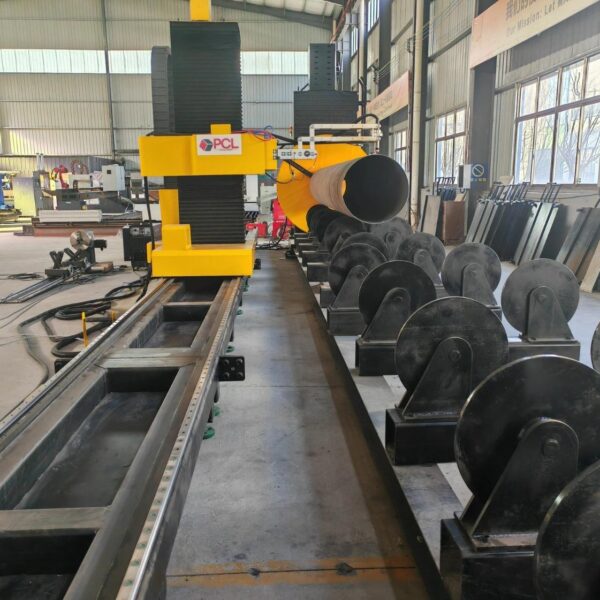
pipe plasma cutting machine
-
LFH 4020 Fiber Laser Cutting Machine
-
LFP4020
-
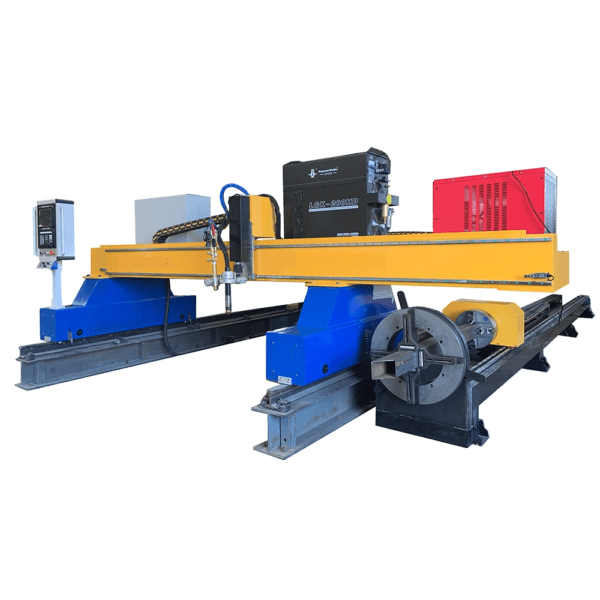
gantry plasma air cutting machine
-
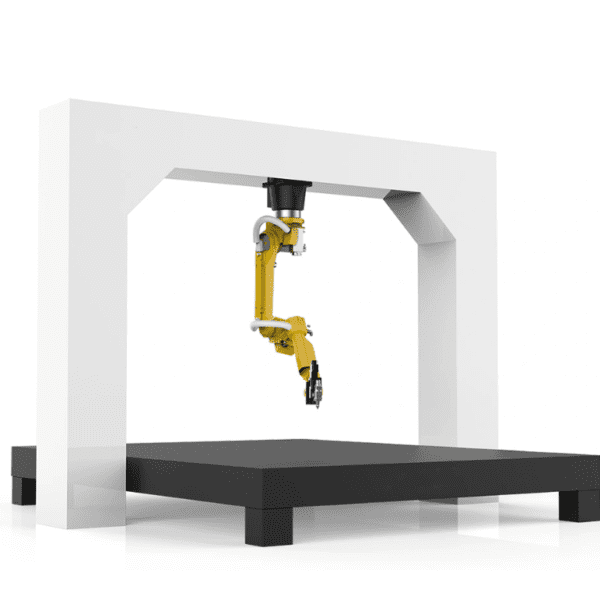
3D robot cutting machine
-
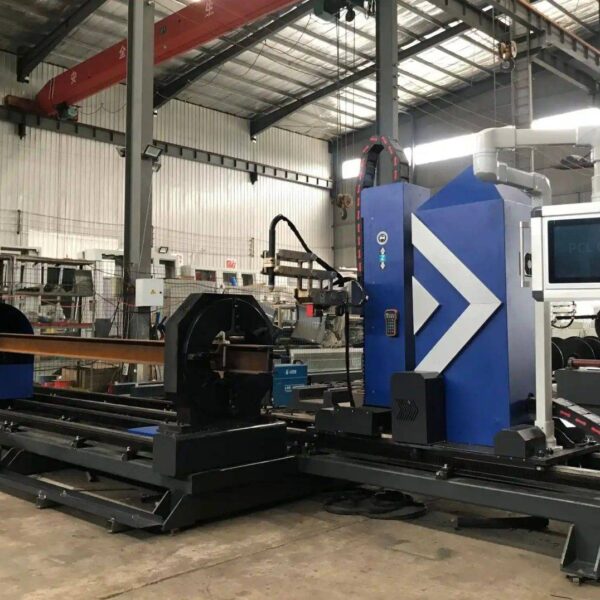
8 axis plasma cutting machine
-
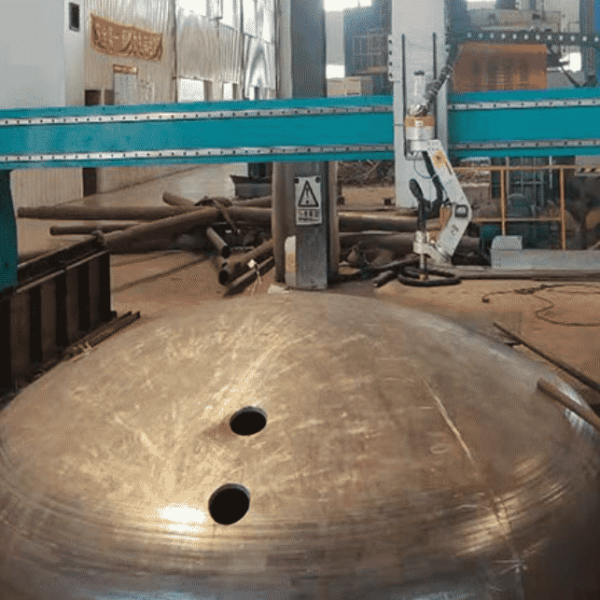
5 axis plasma cutting machine
-

LT360 tube laser cutting machine
-
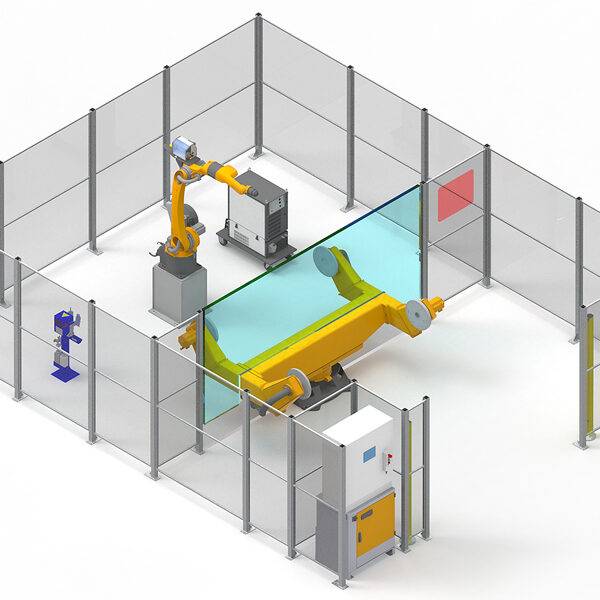
robot welding workstation
-
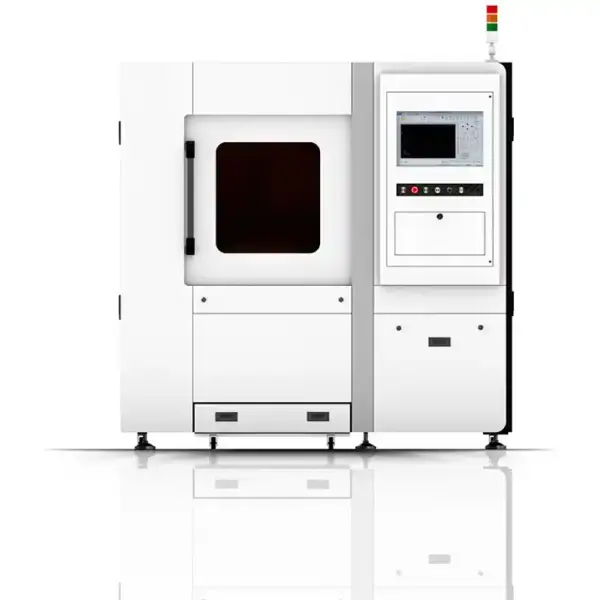
SF6060 fiber laser cutting machine
Advanced Fiber Laser Tube Processing Technology
Our CNC Fiber Laser Tube Cutting systems revolutionize metal fabrication by integrating high-precision cutting, punching, and profiling into a single automated workflow. Designed for versatility, this technology handles a wide array of profiles including Round, Square, Rectangular, and Oval tubes, as well as complex L-shaped and U-shaped channels.
- Precision Punching: High-speed hole punching with micron-level accuracy, eliminating the need for mechanical drilling or die-stamping.
- Complex Profiling: Advanced 3D pathing allows for intricate interlocking joints and specialized notch cuts, ideal for structural frames.
- High Material Efficiency: Intelligent nesting software minimizes scrap, reducing raw material costs across large production runs.
- Clean Finish: Delivers oxide-free, burr-free edges that require zero secondary grinding before welding.

Seamlessly processing multiple profiles with consistent precision.
Global Delivery & Logistics



From our high-tech manufacturing facility directly to your global site. PCL WeldCut ensures secure packaging, professional handling, and reliable international logistics to safeguard your equipment throughout the entire journey.
One thought on “Engineering Review: 1000W Laser Welding Cobot – Curitiba, Brazil”
Been using this for a year now. Still running like a beast. Very reliable.