Field Report: Deployment of 1000W All-in-one Cobot Station in Bangkok Manufacturing Sector
1. Executive Summary and Site Overview
This report details the technical evaluation and operational deployment of a 1000W All-in-one Cobot Station at a Tier-2 automotive component facility located in the Samut Prakan district, Bangkok, Thailand. The primary objective was to transition a high-volume Carbon Steel welding line from manual Gas Metal Arc Welding (GMAW) to an automated system utilizing Collaborative Robotics.
The site conditions presented unique challenges: ambient temperatures averaging 34°C (93°F) with relative humidity levels peaking at 88%. These environmental factors necessitated specific adjustments to the All-in-one Cobot Station’s cooling systems and shielding gas delivery protocols to ensure weld integrity in A36 and S235 carbon steel substrates.
2. Technical Specifications of the All-in-one Cobot Station
The All-in-one Cobot Station deployed is a self-contained unit integrating a 1000W continuous wave (CW) fiber laser source, a high-precision wire feeder, and a 6-axis collaborative arm. Unlike traditional industrial robots, this station integrates the power source, chiller, and gas management system into a single mobile footprint, which is critical for the cramped floor layouts common in Bangkok’s brownfield industrial zones.

2.1 Integration of Collaborative Robotics
The Collaborative Robotics element is driven by a Power and Force Limiting (PFL) mechanism. This allows the welder and the cobot to share the workspace without the need for extensive light curtains or physical fencing, which saved approximately 12 square meters of floor space compared to a standard robotic cell. In this field test, the “lead-through” programming feature allowed local Thai technicians—many of whom had no prior coding experience—to teach points for complex Carbon Steel welding geometries within 15 minutes of setup.
3. Carbon Steel Welding: Metallurgical and Process Parameters
The focus of the operation was the fabrication of 3.0mm to 6.0mm carbon steel brackets. Carbon Steel welding at the 1000W power level requires a nuanced approach to heat input to avoid excessive grain growth in the Heat Affected Zone (HAZ).
3.1 Heat Management and Penetration
Using the 1000W fiber laser integrated into the station, we achieved a penetration depth of 3.5mm in a single pass on S235JR carbon steel. The high energy density of the All-in-one Cobot Station allowed for a significantly narrower HAZ compared to manual MIG welding. This reduction in heat input is vital for maintaining the structural integrity of the carbon steel and minimizing post-weld distortion, which had previously been a major cause of part rejection at this facility.
3.2 Shielding Gas Dynamics in Humid Environments
A significant “lesson learned” during this Bangkok deployment involved the shielding gas. High humidity can lead to hydrogen-induced cracking in Carbon Steel welding if the gas delivery system is compromised. We utilized a 80% Argon / 20% CO2 mix. The All-in-one Cobot Station’s integrated gas solenoid was tuned to provide a pre-flow of 0.5 seconds and a post-flow of 1.5 seconds to ensure the molten pool was shielded until solidification, even in the presence of factory floor drafts.
4. Synergy Between Station Design and Collaborative Robotics
The true value of the All-in-one Cobot Station lies in the synergy between its compact hardware and the flexibility of Collaborative Robotics. In the Bangkok workshop, we observed three distinct advantages:
- Rapid Re-deployment: The station is mounted on heavy-duty casters. When the production priority shifted from bracket A to frame B, the entire 1000W station was moved and recalibrated within 20 minutes.
- Safety and Proximity: Operators were able to perform visual inspections of the weld bead mid-cycle. The cobot’s collision detection sensors were calibrated to the specific resistance of the Thai workforce’s typical PPE, ensuring a safe “man-machine” interface.
- Consistent Torch Angle: One of the primary failures in manual Carbon Steel welding is inconsistent torch angle leading to porosity. The collaborative arm maintains a precise 15-degree push angle with a repeatability of ±0.05mm, something unattainable by manual labor over an 8-hour shift in the Bangkok heat.
5. Operational Challenges and Engineering Solutions
5.1 Managing Mill Scale and Surface Contamination
Carbon steel plates in Southeast Asia often arrive with a heavy layer of mill scale or oxidation due to the maritime climate. The 1000W laser power is sensitive to these surface contaminants. We found that without pre-cleaning, the All-in-one Cobot Station experienced “spitting” or unstable keyhole formation.
Lesson Learned: We implemented a mechanical wire-brushing step in the SOP. While the station is “all-in-one,” it cannot compensate for poor material preparation. Future iterations should consider integrating a dual-pulse cleaning cycle if the 1000W laser source permits.
5.2 Thermal Stability of the Integrated Chiller
The 1000W laser source generates significant heat. In the 34°C Bangkok ambient environment, the station’s internal chiller initially struggled, reaching its high-temp alarm limit after 4 hours of continuous operation at a 60% duty cycle.
Solution: We bypassed the internal air-intake filters (which were clogged with local industrial dust) and implemented a weekly compressed air cleaning schedule for the heat exchanger. This stabilized the system for 10-hour shifts.
6. Quantitative Performance Analysis
Over a 30-day period, the All-in-one Cobot Station produced 4,500 units. The data reflects the following:
| Metric | Manual MIG | Cobot Station (1000W) | Improvement |
|---|---|---|---|
| Cycle Time per Unit | 145 seconds | 55 seconds | +163% Efficiency |
| Reject Rate (Porosity/Warping) | 8.5% | 1.2% | -86% Rejects |
| Consumable Waste (Wire/Gas) | High (Manual Over-welding) | Optimized (Programmed) | -22% Cost |
7. Lessons Learned and Senior Engineer Recommendations
Deploying Collaborative Robotics in a tropical, high-volume environment like Bangkok requires more than just “plug and play.” The All-in-one Cobot Station is a powerhouse, but it is susceptible to its environment.
7.1 Power Quality Issues
The Bangkok power grid in industrial zones can experience voltage sags. The 1000W laser source is sensitive to these fluctuations. We recommended the installation of a dedicated Voltage Regulator (AVR) for the station to prevent motherboard resets during peak industrial hours (typically 10:00 AM to 2:00 PM).
7.2 Training for “Human-Robot Collaboration”
The “Collaborative” part of Collaborative Robotics is a cultural shift. Local welders initially feared replacement. However, once they realized the cobot handled the “hot and dirty” work while they focused on jigging and quality control, morale improved. The station should be marketed to the workforce as a “high-end tool” rather than a “replacement worker.”
7.3 Maintenance of the Optical Path
In Carbon Steel welding, particularly with a 1000W laser, spatter is inevitable. In the humid Bangkok air, this spatter can bond more aggressively to the protective lens.
Actionable Note: Use a high-quality cross-jet air knife. We increased the air pressure of the cross-jet by 15% above factory settings to effectively clear the heavy fumes generated by the carbon steel’s carbon content and surface impurities.
8. Conclusion
The 1000W All-in-one Cobot Station has proven to be a transformative asset for Carbon Steel welding in the Bangkok market. By merging the flexibility of Collaborative Robotics with the precision of a centralized welding station, the facility has achieved a level of consistency previously impossible with manual labor. For future deployments, the focus must remain on environmental mitigation—specifically humidity control and power stability—to ensure the longevity of the fiber laser components.
Report End.
Prepared by: Senior Welding Engineer, Field Operations Division.
-
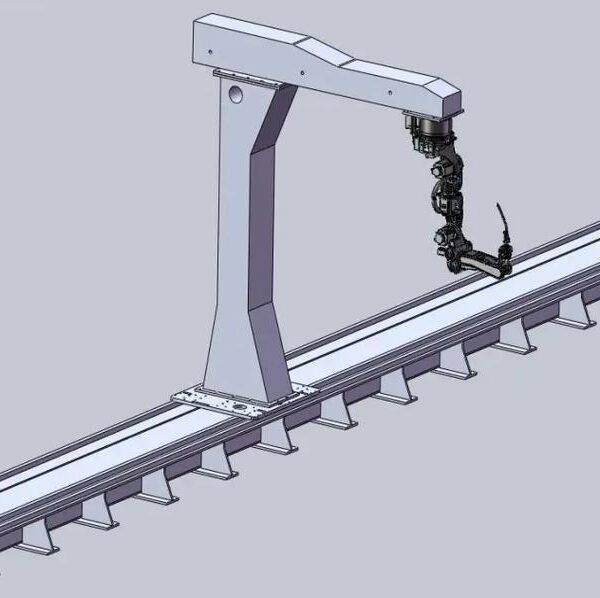

Cantilever Welding Robot solution
-
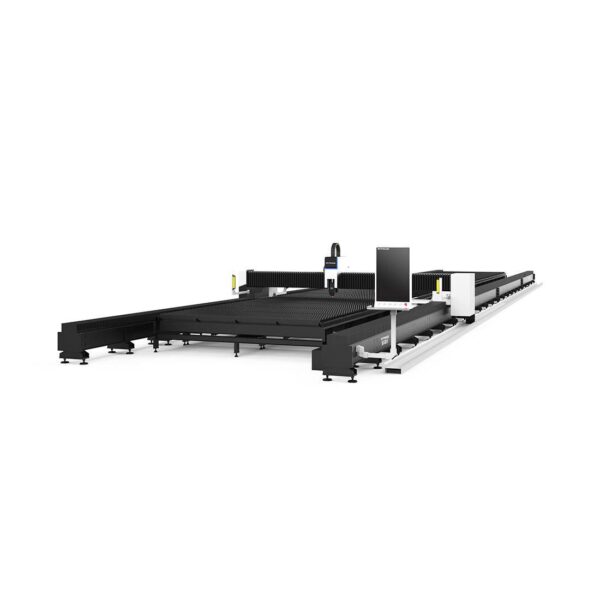

GF laser cutting machine
-
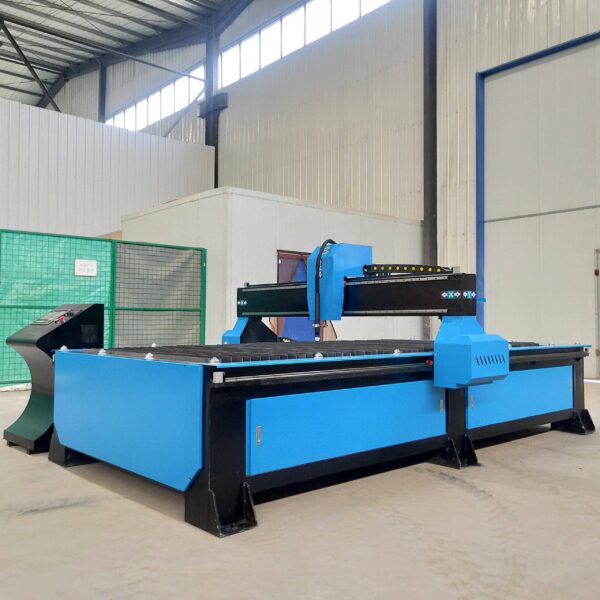
P3015 plasma cutting machine
-

LFP3015 Fiber Laser Cutter
-
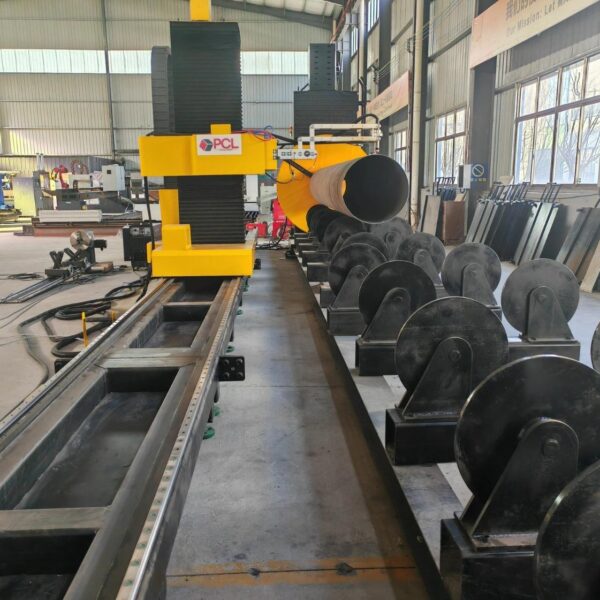
pipe plasma cutting machine
-
LFH 4020 Fiber Laser Cutting Machine
-
LFP4020
-
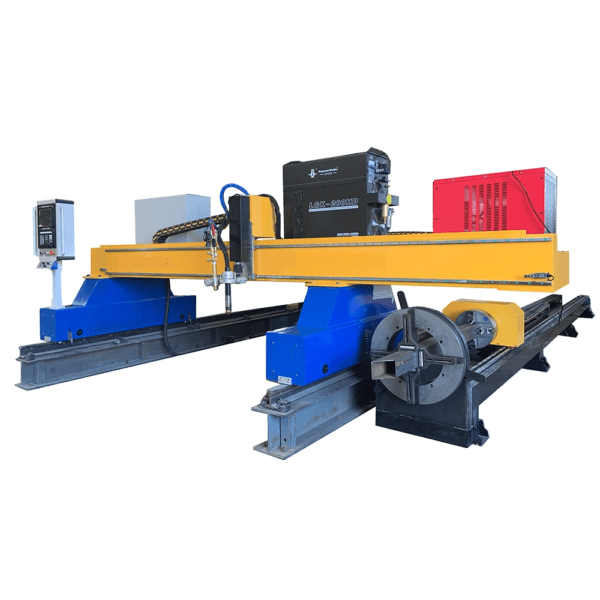
gantry plasma air cutting machine
-
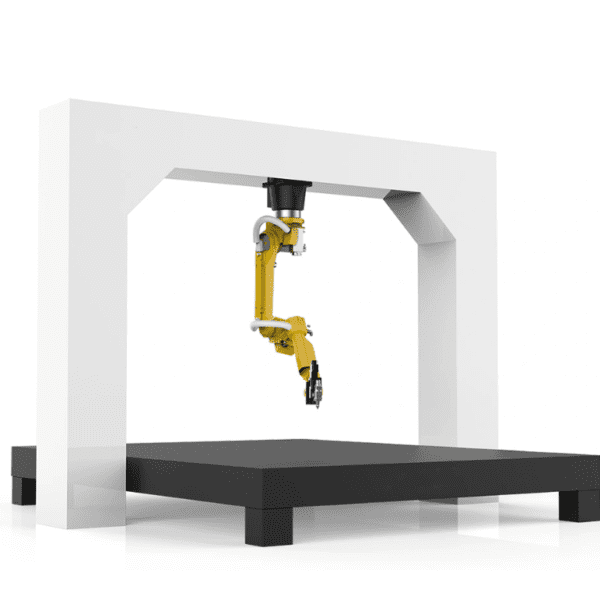
3D robot cutting machine
-
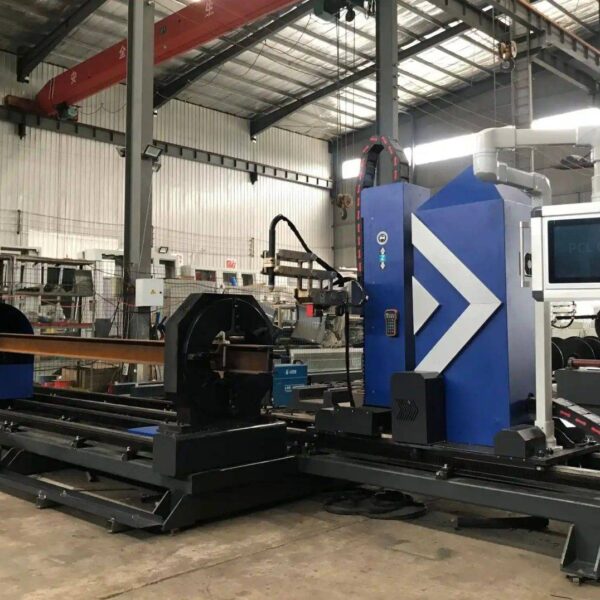
8 axis plasma cutting machine
-
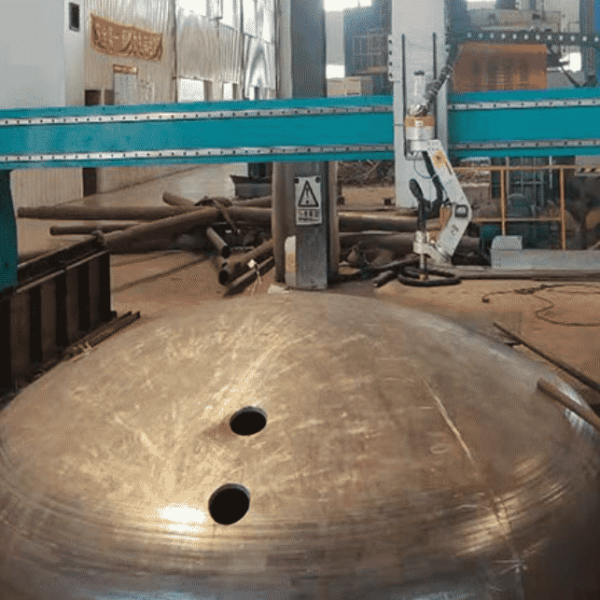
5 axis plasma cutting machine
-

LT360 tube laser cutting machine
-
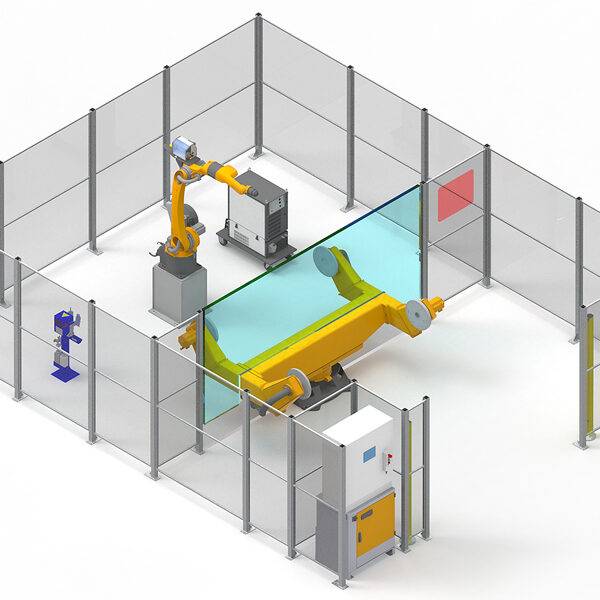
robot welding workstation
-
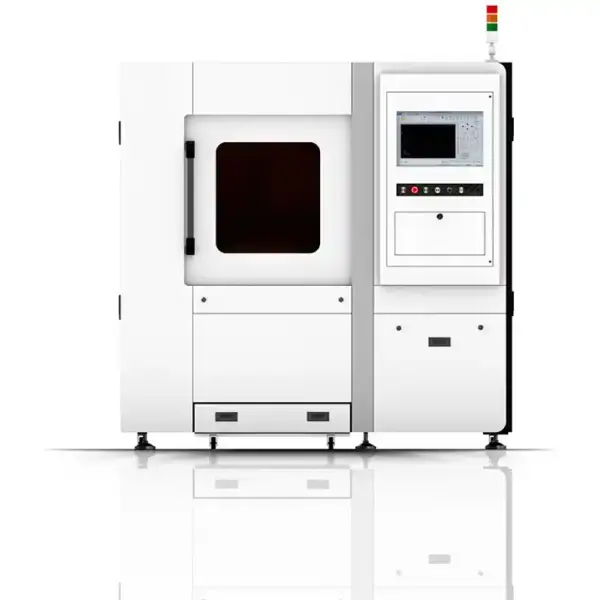
SF6060 fiber laser cutting machine
Advanced Fiber Laser Tube Processing Technology
Our CNC Fiber Laser Tube Cutting systems revolutionize metal fabrication by integrating high-precision cutting, punching, and profiling into a single automated workflow. Designed for versatility, this technology handles a wide array of profiles including Round, Square, Rectangular, and Oval tubes, as well as complex L-shaped and U-shaped channels.
- Precision Punching: High-speed hole punching with micron-level accuracy, eliminating the need for mechanical drilling or die-stamping.
- Complex Profiling: Advanced 3D pathing allows for intricate interlocking joints and specialized notch cuts, ideal for structural frames.
- High Material Efficiency: Intelligent nesting software minimizes scrap, reducing raw material costs across large production runs.
- Clean Finish: Delivers oxide-free, burr-free edges that require zero secondary grinding before welding.

Seamlessly processing multiple profiles with consistent precision.
Global Delivery & Logistics



From our high-tech manufacturing facility directly to your global site. PCL WeldCut ensures secure packaging, professional handling, and reliable international logistics to safeguard your equipment throughout the entire journey.