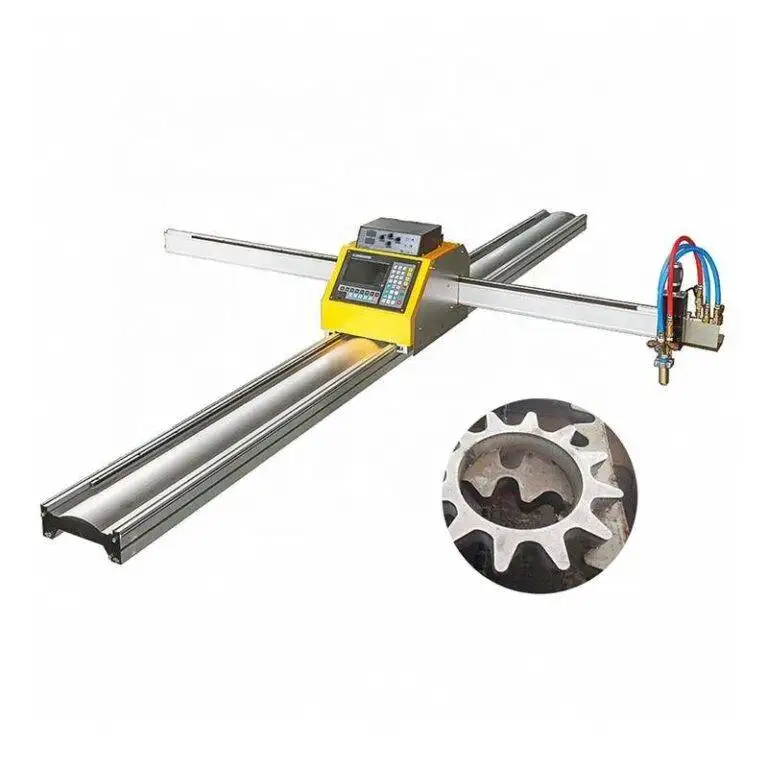
Beam Processing Center with Narrow Gap welding for for Bridge Trusses

In this article
- Integrating Plasma Beam Processing for Advanced Bridge Truss Fabrication
- Precision Intersection Accuracy in Complex Truss Geometries
- Low Maintenance Requirements for H-Beam Plasma Systems
- Advanced Beveling Capabilities for Narrow Gap Welding
- Enhancing Throughput through Integrated Material Handling
- Summary of Industrial Benefits
Integrating Plasma Beam Processing for Advanced Bridge Truss Fabrication
In the domain of heavy structural engineering, the shift toward automated Beam Processing Center technology is driven by the need for extreme precision and repeatable output. Bridge trusses, characterized by complex geometries and the requirement for high-fatigue resistance, demand a level of accuracy that manual layout and cutting cannot consistently provide. The core of this modernization lies in the Plasma Cutting system, specifically designed to handle heavy-duty H-beams and structural sections. By focusing on the mechanical synergy between plasma profiling and Narrow Gap Welding (NGW), fabricators can significantly reduce lead times while increasing the quality of the primary load-bearing joints.
Precision Intersection Accuracy in Complex Truss Geometries
Bridge trusses often involve intricate intersections where multiple members—chords, verticals, and diagonals—converge at a single node. The mechanical performance of these nodes depends entirely on the fit-up quality. Plasma beam processing centers utilize multi-axis robotic arms or specialized gantry systems to execute 3D profiling. This allows for the creation of complex “cope” cuts and “bird-mouth” intersections that match the mating surface of the receiving beam with sub-millimeter tolerances.
Intersection accuracy is not merely a matter of aesthetic fit; it is a requirement for managing the thermal dynamics of the subsequent welding process. When gaps are inconsistent, the welding arc behavior fluctuates, leading to potential defects like burn-through or lack of fusion. A high-definition plasma system ensures that the root opening remains constant across the entire profile of the beam. This consistency is vital when preparing for narrow gap welding, where the groove angle is drastically reduced to minimize weld metal volume and heat input.

Low Maintenance Requirements for H-Beam Plasma Systems
From an industrial engineering perspective, Total Productive Maintenance (TPM) is a critical metric for any fabrication facility. Modern plasma cutting systems are engineered for high-uptime environments. Unlike other thermal cutting processes that may require sensitive optical alignments or frequent gas pressure recalibrations, plasma systems for H-beams are robust and resistant to the dust and vibration inherent in structural steel shops.
Durability of Plasma Consumables and Torch Heads
The latest generation of plasma power sources utilizes long-life consumable technology. By controlling the ramp-up and ramp-down of gas flow and current, the erosion of the hafnium insert in the electrode is minimized. Furthermore, the torch head designs in beam processing centers are often equipped with breakaway sensors and collision detection. Given that H-beams may have slight mill variations or “camber,” these sensors prevent damage to the machine, ensuring that maintenance is limited to scheduled consumable replacement rather than emergency repairs to the motion system.
Self-Cleaning Slag Systems
Efficient beam processing centers incorporate automated slag removal and dust extraction. Plasma cutting generates a significant amount of dross and particulate matter. Industrial-grade systems utilize high-velocity downdraft tables and integrated scrap conveyors. For the bridge fabricator, this means less time spent on manual cleaning of the machine bed and more time dedicated to throughput. The “set and forget” nature of modern plasma torch height control (THC) further reduces the need for operator intervention, maintaining a constant arc voltage and cut quality without manual adjustment.
Advanced Beveling Capabilities for Narrow Gap Welding
The primary advantage of a 3D plasma beam processor is its ability to perform multi-axis beveling in a single pass. In bridge truss construction, thick-walled H-beams require specific edge preparations to facilitate deep-penetration welds. While traditional welding might use a 45-degree or 60-degree V-groove, Narrow Gap Welding utilizes much smaller angles—often between 5 and 20 degrees. Achieving this narrow angle on a thick flange requires the plasma torch to maintain precise angularity throughout the cut.
Geometric Precision in Edge Preparation
Narrow gap welding requires a highly specific joint geometry to ensure the welding torch can reach the root of the joint without short-circuiting against the side walls. The plasma center’s ability to execute precise Y-groove or K-groove bevels is paramount. The software governing the beam processor calculates the necessary compensation for the plasma kerf, ensuring that the final land thickness and groove angle are optimized for the NGW torch. This level of preparation eliminates the need for secondary grinding or edge dressing, which is a major bottleneck in traditional fabrication workflows.
Managing Heat Affected Zones (HAZ)
A common concern in structural steel is the Heat Affected Zone (HAZ) created during thermal cutting. High-definition plasma systems use high-energy density arcs and rapid travel speeds. This combination minimizes the duration of heat exposure to the base metal, resulting in a narrower HAZ compared to oxy-fuel cutting. For bridge steels, which often feature specific quenching and tempering, maintaining the metallurgical integrity of the edge is essential for the long-term fatigue life of the truss.
Enhancing Throughput through Integrated Material Handling
A Beam Processing Center is more than just a cutting tool; it is a logistics hub within the factory. Industrial engineers focus on the flow of material from the yard to the weld station. By integrating infeed and outfeed conveyors with the plasma unit, the system can process full-length H-beams (up to 18 meters or more) without manual crane intervention. The machine reads the DSTV or IFC files directly from the BIM software, executes all bolt holes, copes, and bevels, and then marks the piece with part numbers and weld locations.
This “one-touch” philosophy is where the ROI is realized. When the beam arrives at the narrow gap welding station, it is already perfectly beveled and marked. There is no “fit-up and check” cycle. The accuracy of the plasma cut ensures that the components lock together in the jig as designed. In the context of bridge trusses, where a single bridge may require hundreds of unique diagonal members, the elimination of manual layout errors prevents catastrophic rework costs and project delays.
Summary of Industrial Benefits
The implementation of a plasma-based beam processing center specifically for narrow gap welding applications provides a three-fold benefit to the bridge contractor. First, the intersection accuracy ensures that complex nodes are structurally sound and meet the stringent requirements of civil infrastructure codes. Second, the low maintenance profile of the H-beam plasma hardware ensures that production schedules are not derailed by equipment failure. Finally, the specialized beveling capabilities allow for the adoption of narrow gap welding, which reduces consumable consumption and welding time by up to 50% compared to standard groove welds.
As bridge designs become more ambitious and timelines more compressed, the reliance on automated plasma profiling will continue to grow. By prioritizing precision at the cutting stage, fabricators set the foundation for excellence in the welding and assembly phases, ultimately leading to safer and more cost-effective infrastructure.