Fiber Laser Cutting Machines
Fiber laser cutters from 3000 × 1200 mm to 6000 × 2000 mm and 1 kW to 60 kW, plus a 2-in-1 sheet-and-tube machine and a 3D robot cell, with a buying guide based on published cutting data.
- 9 models
- USD 7,000 – 50,000 FOB Qingdao
- 24 months warranty
- CE ISO 9001
-

2in1 fiber laser cutting machine
USD 7,000 – 50,000 View details -
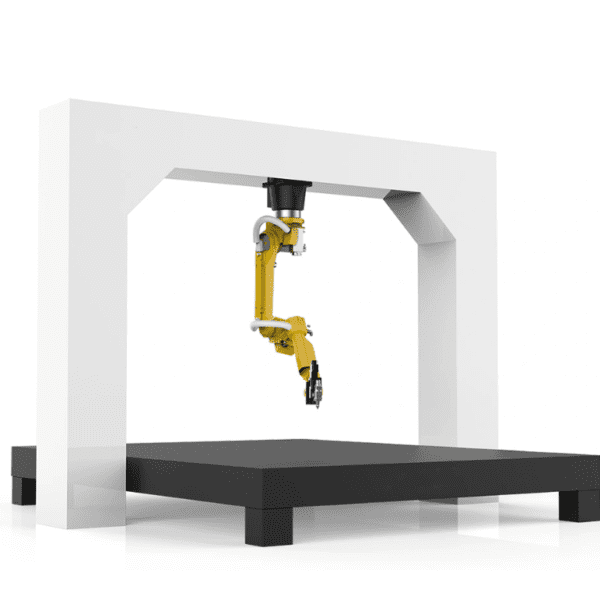
3D robot cutting machine
Price on request View details -

GF laser cutting machine
USD 7,000 – 50,000 View details -

LFH 4020 Fiber Laser Cutting Machine
USD 7,000 – 50,000 View details -
LFH6020 Fiber laser cutting machine
USD 7,000 – 50,000 View details -
LFP3015 Fiber Laser Cutter
USD 18,000 – 35,000 View details -
LFP4020
USD 7,000 – 50,000 View details -
LFP6020
USD 7,000 – 50,000 View details -
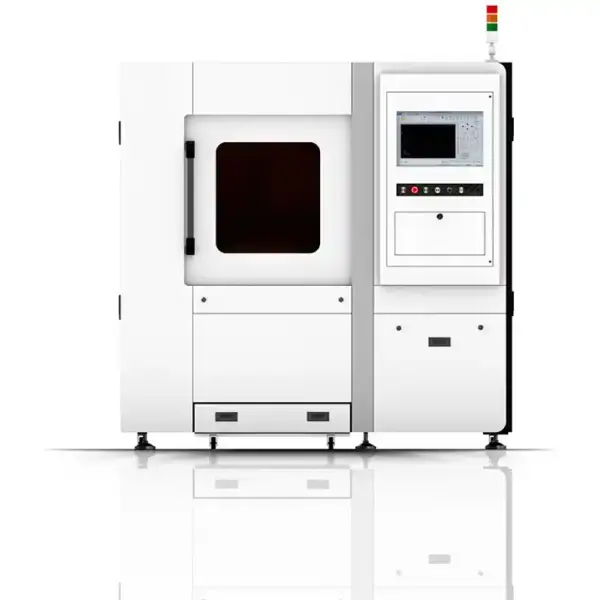
SF6060 fiber laser cutting machine
USD 7,000 – 50,000 View details
Start with the Sheets You Buy
Bed size is the first decision because it is the hardest to change later. Match it to the sheets your steel supplier delivers: 1500 × 3000 mm needs a 3015 bed, 2000 × 4000 mm a 4020 bed, and 6 m sheets or long strips a 6020 bed. A bed that is too small means shearing sheets first; one that is too big ties up floor space and money.
| Machine | Working area | Power | Notes |
|---|---|---|---|
| GF3012 | 3000 × 1200 mm | 6–60 kW | High power on a compact bed; auto-focus head |
| LFP3015 | 3000 × 1500 mm | 1–12 kW | Open single table, 100–120 m/min |
| LFP4020 | 4000 × 2000 mm | 1–30 kW | Automatic exchange table, 15–20 s swap |
| LFH4020 | 4000 × 2000 mm | 1–30 kW | Plate-welded, heat-treated bed for heavy plate |
| LFP6020 | 6000 × 2000 mm | 1.5–3 kW | Open single table for long sheets |
| LFH6020 | 6000 × 2000 mm | 1–12 kW | 120 m/min, dual-temperature chiller |
| 2-in-1 sheet & tube | 3015 or 4020 bed + tubes Ø20–220 mm | 1–12 kW | Flatbed and pneumatic chuck on one machine |
| 3D robot laser cell | 6-axis robot, 2010–3100 mm reach | 1–4 kW | Trimming formed and stamped parts |
| SF6060 | On request | On request | Compact enclosed cutter |
How Thick Can Each Power Cut?
| Laser power | Carbon steel (O₂) | Stainless (N₂) | Aluminium (N₂) | Brass (N₂) |
|---|---|---|---|---|
| 1 kW | 10 mm | 5 mm | 3 mm | 3 mm |
| 1.5 kW | 16 mm | 6 mm | 4 mm | 3 mm |
| 2 kW | 20 mm | 8 mm | 6 mm | 5 mm |
| 3 kW | 22 mm | 10 mm | 8 mm | 6 mm |
| 4 kW | 25 mm | 12 mm | 10 mm | 8 mm |
| 6 kW | 25 mm | 20 mm | 16 mm | 12 mm |
| 8 kW | 40 mm | 30 mm | 30 mm | 16 mm |
| 12 kW | 40 mm | 40 mm | 40 mm | 16 mm |
| 20 kW | 80 mm | 100 mm | 60 mm | 20 mm |
| 60 kW | 200 mm | 150 mm | – | – |
Maximum thickness is a ceiling, cut slowly and with a rougher edge. Plan daily production a few millimetres below it, and confirm with the cutting chart of the exact source and head in your quotation.
Two things follow. Power does not raise every material equally: from 3 to 6 kW the carbon-steel maximum hardly moves (22 to 25 mm), while stainless doubles (10 to 20 mm). And the maximum is not the useful limit, because the speed near it is well under 1 m/min. Aluminium generally reaches about 60–70 % of the carbon-steel thickness at the same power.
Fiber Laser Cutting Parameters
Three settings decide most cuts: the gas, the focus position and the nozzle. They go together, and mixing them up is the most common cause of a bad edge.
| Job | Gas and pressure | Focus | Nozzle | Result |
|---|---|---|---|---|
| Carbon steel 1–3 mm, high speed | Nitrogen or air, 10–14 bar | 0 to −1 mm | Single, small bore | Fastest; slight dross underneath |
| Carbon steel from 2 mm, clean edge | Oxygen, 0.5–1.6 bar | +3 to +14 mm (rises with thickness) | Double or E-type | Clean face; slower than nitrogen on thin sheet |
| Stainless, aluminium, brass | Nitrogen, 10–20 bar (rises with thickness) | 0 to −13 mm (falls with thickness) | Single for thin, large-bore for thick | Bright, oxide-free edge |
Oxygen cuts use a positive focus so the top of the kerf opens wide enough for the burning metal to escape. Nitrogen cuts rely on gas momentum alone, so the focus sits deep in the kerf. Switching a machine from thick carbon steel to stainless without resetting the focus gives a wide, rough cut on the stainless; zero or negative focus on thick carbon steel with oxygen stalls the cut.
| Thickness | 1.5 kW | 3 kW | 6 kW | 12 kW |
|---|---|---|---|---|
| 2 mm | 5.0 | 3.8–4.2 | – | – |
| 3 mm | 3.6 | 3.2–3.6 | 3.5–4.2 | – |
| 4 mm | 2.5 | 3.0–3.2 | 3.3–3.8 | – |
| 6 mm | 1.4 | 2.2–2.5 | 2.7–3.2 | – |
| 8 mm | 1.2 | 1.8–2.2 | 2.2–2.5 | – |
| 10 mm | 1.0 | 1.0–1.3 | 2.0–2.3 | 2.0–2.3 |
| 12 mm | 0.8 | 0.9–1.0 | 1.9–2.1 | 3.0–3.5 |
| 16 mm | 0.5 | 0.6–0.7 | 1.2–1.4 | 2.8–3.0 |
| 20 mm | – | 0.5–0.55 | 0.6–0.7 | 1.5–1.6 |
| 25 mm | – | – | 0.4–0.5 | 0.8–1.0 |
| Thickness | 3 kW | 6 kW | 12 kW |
|---|---|---|---|
| 1 mm | 28–35 | 35–45 | 50–60 |
| 2 mm | 16–20 | 20–25 | 35–40 |
| 3 mm | – | 12–14 | 28–33 |
| 4 mm | – | 8–10 | 20–24 |
| 6 mm | – | 5–6 | 10–13 |
| Thickness | 1.5 kW | 3 kW | 6 kW | 12 kW |
|---|---|---|---|---|
| 1 mm | 20 | 28–35 | 40–50 | 50–60 |
| 2 mm | 7 | 18–24 | 25–30 | 40–45 |
| 3 mm | 4.5 | 7–10 | 15–18 | 30–35 |
| 5 mm | 1.5 | 3.0–3.6 | 7–8 | 15–18 |
| 6 mm | 0.8 | 2.0–2.7 | 6–7 | 13–15 |
| 8 mm | – | 1.0–1.2 | 3.5–3.8 | 8–10 |
| 10 mm | – | 0.5–0.6 | 1.6–2.0 | 6.5–7.5 |
| 12 mm | – | – | 1.0–1.2 | 5.0–5.5 |
| 16 mm | – | – | 0.5–0.6 | 2.0–2.3 |
| 20 mm | – | – | 0.2–0.35 | 1.2–1.4 |
| Thickness | 1.5 kW | 3 kW | 6 kW | 12 kW |
|---|---|---|---|---|
| 1 mm | 18 | 25–30 | 30–45 | 45–50 |
| 2 mm | 6 | 15–18 | 20–25 | 35–40 |
| 3 mm | 2.5 | 7–8 | 14–16 | 25–30 |
| 5 mm | – | 2.5–3 | 5–6 | 15–18 |
| 6 mm | – | 1.5–2 | 3.5–4 | 12–15 |
| 8 mm | – | 0.6–0.7 | 1.5–2 | 8–10 |
| 10 mm | – | – | 1.0–1.2 | 6–7 |
Speeds in m/min. Typical values for good-quality cutting; edge requirements, material grade, gas purity and the head change them. Your quotation includes the chart for the exact configuration.
On a 6 kW or larger machine, carbon steel under about 6 mm is usually cut faster with nitrogen or air, accepting a light dross; above about 10 mm, or where the edge must be dross-free, oxygen with positive focus is the better choice. Below 1 mm, oxygen is not used.
Piercing Thick Plate
On thick plate the pierce is the riskiest moment: done in one step it blows molten metal back at the nozzle. Thick carbon steel is pierced in three stages, from a high stand-off with full power down to cutting height with pulsed power and a lower focus, and the head only starts moving after the last stage. On 22 mm carbon steel at 3 kW, the stages together take several seconds. Test pierce settings on scrap first; surface condition, oxygen purity and a dirty lens all change the timing.
Nozzle Types
| Type | Use |
|---|---|
| Single (S) | Nitrogen and air; general purpose; larger bores for thicker stainless and aluminium |
| Double (D) | Oxygen cutting of carbon steel at low to medium power |
| E-type | High-flow oxygen nozzle for 6 kW and above |
| Large-bore (B) | Nitrogen on thick stainless and aluminium at 6 kW and above |
Uniform gas flow needs a centred, undamaged nozzle. Check centring whenever the nozzle is changed and replace nozzles with a damaged tip; a burred tip causes uneven dross on one side of the cut.
When the Edge Goes Wrong
| Symptom | Likely causes | Fix |
|---|---|---|
| Heavy dross under carbon steel (oxygen) | Speed too high, oxygen pressure low, focus too negative, partly blocked nozzle | Reduce speed by 5–8 %; keep oxygen at 0.5–0.7 bar; set focus +3 to +4 mm; check the nozzle tip |
| Yellow or brown stainless edge | Nitrogen purity below 99.99 %, low pressure, stand-off too high, gas leak | Use at least 99.99 % nitrogen; stand-off about 0.5 mm; add 1–2 bar; leak-test the fittings |
| Thick carbon steel not cut through | Pierce not finished, focus not positive enough, dirty lens | Let all pierce stages finish; raise focus in 1 mm steps; clean or replace the protective window |
| Quality varies across the sheet | Bowed plate, debris under the plate, worn rack or belt | Flatten the plate; clean the slats; calibrate the drives if the variation repeats |
Oxygen, Nitrogen or Air
| Gas | Use | Edge |
|---|---|---|
| Oxygen | Carbon steel, especially from medium thickness up | Oxide skin on the edge; remove it before powder coating or welding critical joints |
| Nitrogen | Stainless steel, aluminium; carbon steel when the edge must be oxide-free | Bright edge, ready to weld or coat; high gas use |
| Compressed air | Thin carbon and stainless sheet | Slight oxidation; cheapest per metre if the air is dry and oil-free |
The pressures are very different. Oxygen runs at about 0.5–1.6 bar, nitrogen at 10–20 bar. Oxygen burns along with the laser and needs little flow; nitrogen has to blow the molten metal out of the kerf on its own, so it needs high pressure and a lot of gas. For a clean stainless edge, nitrogen of 99.999 % purity is the usual specification.
Decide where the gas comes from before the machine arrives. Cylinder bundles are fine for occasional nitrogen cutting; daily stainless work usually justifies a liquid tank or a nitrogen generator.
Reading a Laser Spec Sheet
Spec sheets for 3015 machines on B2B platforms look almost identical: ±0.03 mm positioning, ±0.02 mm repositioning, 120–150 m/min, 1.5 G, 380 V three-phase. Some even give two different accuracy figures on the same page. What separates machines is behind those lines:
| Line on the spec sheet | What to check |
|---|---|
| Positioning vs repositioning accuracy | Positioning (for example ±0.03 mm) is how close the axis gets to a commanded point; repositioning (often ±0.02 mm) is how well it returns to the same point. Ask which test method the figure comes from, such as ISO 230-2. |
| Max speed | Listings quote 100–150 m/min. That is the rapid travel between cuts. Cutting speed on 6 mm steel at 3 kW is around 2 m/min. |
| Acceleration | 1.0–1.5 G is common. It decides cycle time on thin sheet with many small contours, more than laser power does. |
| Weight | B2B listings often give the package gross weight, not the machine weight. Ask for the machine weight and floor load if you plan the foundation. |
| Brand names | “Raycus/IPG/Max” or “Yaskawa/Delta/HCFA” on a listing means the seller may fit any of them. The brands in your contract are the ones that count. |
Cut Quality: Use ISO 9013 on the Drawing
“Good edge” means different things to different people. ISO 9013 classifies thermal cuts by perpendicularity (ranges 1 to 5) and by surface roughness Rz5 (ranges 1 to 4), with tolerances that grow with plate thickness. If you put the required ranges on your drawing, you and the supplier judge sample parts against the same yardstick.
Copper, Brass and Aluminium
Fiber lasers work at about 1.07 µm, a tenth of the CO₂ wavelength, and focus to a much smaller spot. That higher power density is what lets them cut copper and brass that CO₂ lasers struggle with. Practical rules for reflective metals: cut 10–15 % below the maximum feed rate, let the pierce go fully through before moving, keep the focus near the top surface, use oxygen on copper and nitrogen on brass. Conservative minimum powers for copper are 1 kW for 1 mm, 2 kW for 3 mm and 4 kW for 6 mm.
The same applies to steel: in comparative trials on 15 mm mild steel and 10 mm stainless, a fiber laser needed less power than a CO₂ laser for the same cutting speed, because steel absorbs its wavelength better.
Open Table or Exchange Table
On an open single-table machine (LFP3015, LFP6020) the laser stands still while the operator clears parts and loads the next sheet. For prototypes and mixed jobs that is acceptable, and the machine costs less. When the machine runs production for full shifts, the waiting adds up; an exchange table (LFP4020, 15–20 s swap) lets you load while it cuts.
Fiber Laser, Plasma or Tube Laser
Fiber laser gives the best accuracy and edge on sheet and medium plate. CNC plasma costs less per millimetre of thickness on heavy carbon steel and cuts weld bevels. If tubes make up a large share of your parts, a dedicated tube laser does the sawing, drilling and notching in one pass; the 2-in-1 machine covers smaller tube volumes.
Before You Order
- Sheet formats and your thickness mix by material, as hours per month.
- Source brand and power, with that source’s cutting chart.
- Single or exchange table.
- Head, servo, rail and controller brands written into the contract.
- Gas supply, power connection, floor and fume extraction.
- Sample parts from your own drawing, judged against ISO 9013 ranges if you use them.
Fiber Laser Cutting Machine FAQ
Which laser cutter suits a small job shop?
Usually a 3015 such as the LFP3015: it takes standard 1500 × 3000 mm sheets and can be ordered from 1 kW to 12 kW.
How thick can a 3 kW fiber laser cut?
Typically about 22 mm carbon steel with oxygen and 10 mm stainless with nitrogen as a maximum, at very low speed. For daily production, plan a few millimetres less and check the chart of the source you are quoted.
Is a higher-power laser always faster?
No. On thin sheet the speed is limited by acceleration and the controller. Extra power pays off from medium thickness upwards.
Why is nitrogen cutting so expensive?
Nitrogen runs at about 12–20 bar on a 3 kW machine and has to blow the melt out on its own, so consumption is high. A tank or generator lowers the cost per cubic metre.
Can a fiber laser cut copper and brass?
Yes. As conservative minimums, plan 1 kW for 1 mm copper and 4 kW for 6 mm, with oxygen for copper and nitrogen for brass.
Can you cut samples before I order?
Yes. Send a DXF, the material and thickness, and we cut samples on the configuration you are considering.
Send your sheet sizes and thickness mix. We recommend a bed size and source, and quote with every component brand named.
Get a quote