Field Assessment Report: Integration of Water-Cooled Laser Welding Cobot in Busan Maritime Fabrication
1.0 Executive Summary of Site Operations
This report details the operational deployment and performance metrics of the water-cooled Laser Welding Cobot at a Tier-2 maritime supplier facility in Busan, South Korea. The primary objective was to transition specific high-volume structural assemblies from traditional Gas Metal Arc Welding (GMAW) to automated Laser Technology. The focus of this implementation was the consistent execution of Thick Plate Steel welding, specifically targeting S355 structural grade plates ranging from 6mm to 12mm in thickness.
Busan’s manufacturing environment presents unique challenges, including high ambient humidity and localized salt-air salinity, which impact both cooling efficiency and material surface oxidation. Our field testing confirmed that the synergy between a high-torque collaborative arm and a 3kW fiber laser source provides a significant leap in weld integrity and production velocity, provided that the thermal management systems are strictly calibrated to the local atmospheric conditions.
2.0 Technical Infrastructure: The Laser Welding Cobot
The Laser Welding Cobot utilized in this deployment is a 6-axis collaborative robot integrated with a 3000W continuous wave (CW) fiber laser source. Unlike traditional industrial robots, the cobot allows for “lead-through” programming, which is essential in a Busan workshop where floor space is at a premium and batch runs vary weekly.
2.1 Hardware Synergy and Beam Delivery
The core of the system’s success lies in the integration of the water-cooled torch head. High-power Laser Technology generates substantial back-reflection heat, particularly when working with Thick Plate Steel welding. The closed-loop water chiller system was configured to maintain the laser diode temperature within a ±1°C margin, even during high-duty-cycle operations. In the Busan facility, we observed that without this precise cooling, beam divergence increased, leading to shallow penetration and inconsistent bead morphology.
2.2 Software and Control Logic
The control interface allows for real-time adjustments of the laser’s “wobble” parameters. For Thick Plate Steel welding, a simple linear bead is often insufficient to bridge fit-up gaps. We utilized a circular wobble pattern with a frequency of 150Hz and a width of 2.5mm. This allows the Laser Welding Cobot to distribute thermal energy more broadly, creating a wider fusion zone that accommodates the slight tolerances found in large-scale Korean maritime fabrications.
3.0 Application Analysis: Thick Plate Steel Welding
The transition to Thick Plate Steel welding using Laser Technology represents a paradigm shift for the Busan site. Historically, 10mm plates required multi-pass GMAW with significant edge preparation (V-grooves). The Laser Welding Cobot has effectively reduced the need for extensive beveling.
3.1 Penetration and Heat-Affected Zone (HAZ)
During the welding of 10mm S355 steel, the laser achieved full penetration in a single pass at a travel speed of 0.8 meters per minute. Comparative analysis shows that the HAZ produced by the Laser Technology is approximately 60% narrower than that of conventional arc welding. This is critical in Busan’s heavy industry sector, where post-weld distortion often necessitates costly flame-straightening processes. By utilizing the Laser Welding Cobot, we reduced angular distortion from 3 degrees per meter to less than 0.5 degrees.
3.2 Material Preparation and Fit-up Requirements
One “lesson learned” in the field is the sensitivity of Laser Technology to joint gaps. While GMAW is forgiving of 1-2mm gaps, the Laser Welding Cobot requires a fit-up tolerance of less than 10% of the plate thickness. In the Busan facility, we had to upgrade our hydraulic clamping jigs to ensure the Thick Plate Steel welding stayed within these parameters. When the gap exceeded 0.8mm, we observed “underfill” issues, which were only rectified by introducing a synchronized wire-feed system integrated into the cobot’s tool center point (TCP).
4.0 The Busan Synergy: Why Laser Technology Wins
The industrial landscape in Busan is characterized by a need for high-speed export turnarounds. The synergy between the Laser Welding Cobot and the underlying Laser Technology addresses the labor shortage currently affecting the South Korean shipbuilding belt.
4.1 Efficiency Gains
The total cycle time for a standard 1.2-meter structural seam on 8mm plate was reduced from 14 minutes (manual GMAW including slag removal) to 2 minutes (Laser). Because the Laser Technology produces zero spatter, the post-weld grinding phase was entirely eliminated. This allows the Busan workshop to move parts directly from the welding station to the coating/painting booth, increasing throughput by an estimated 40%.
4.2 Worker Safety and Integration
The “collaborative” aspect of the Laser Welding Cobot is vital. Although the laser itself requires a Class 4 enclosure (Laser Safety Curtains were installed around the cell), the ease of moving the cobot between different workpieces allows a single operator to manage three cells simultaneously. In Busan, we trained existing manual welders to become cobot technicians within three days, proving that the tech is accessible to the current workforce.
5.0 Engineering Lessons Learned and Field Observations
After 500 hours of operational runtime in the Busan facility, several technical nuances have emerged regarding Thick Plate Steel welding with a Laser Welding Cobot.
5.1 Managing Atmospheric Moisture
Busan’s coastal humidity can lead to hydrogen-induced cracking if the plates are not pre-wiped or slightly pre-heated. We found that the high power density of the Laser Technology can sometimes trap moisture in the deep, narrow keyhole of the weld. Lesson: Implement a localized compressed air “air-knife” preceding the laser head to clear surface moisture and particulates before the beam interacts with the steel.
5.2 Shielding Gas Dynamics
For Thick Plate Steel welding, Pure Argon is often the default, but we found a 20% CO2 mix provided better surface tension control for the molten pool when the Laser Welding Cobot was operating in the 2500W+ range. This mixture stabilized the keyhole and reduced the “pitting” seen on the weld face. However, the gas flow rate must be precisely managed—too high, and it creates turbulence in the melt pool; too low, and the copper nozzle on the laser head sustains thermal damage.
5.3 The Importance of Chiller Maintenance
In the Busan field test, we encountered a 15% drop in laser efficiency over a 4-hour shift due to scale buildup in the water-cooling lines. The local water supply, while treated, required additional deionization. Technical Note: Ensure that the Laser Welding Cobot’s chiller is serviced with distilled water and a corrosion inhibitor specifically rated for high-power fiber optics. Thermal stability is the bedrock of penetration depth in Thick Plate Steel welding.
6.0 Conclusion
The deployment of the Laser Welding Cobot in Busan demonstrates that Laser Technology is no longer restricted to thin-gauge electronics or automotive sheet metal. When properly configured for Thick Plate Steel welding, the system provides a robust, high-speed alternative to manual labor. The key to success in this region is the strict management of fit-up tolerances and the rigorous maintenance of the water-cooling infrastructure. As we scale this technology across more Busan-based fabricators, the focus must remain on the precision of the cobot’s motion paths and the thermal stability of the fiber source.
Engineer Signature: Senior Welding Engineer, Site Operations (Busan)
-
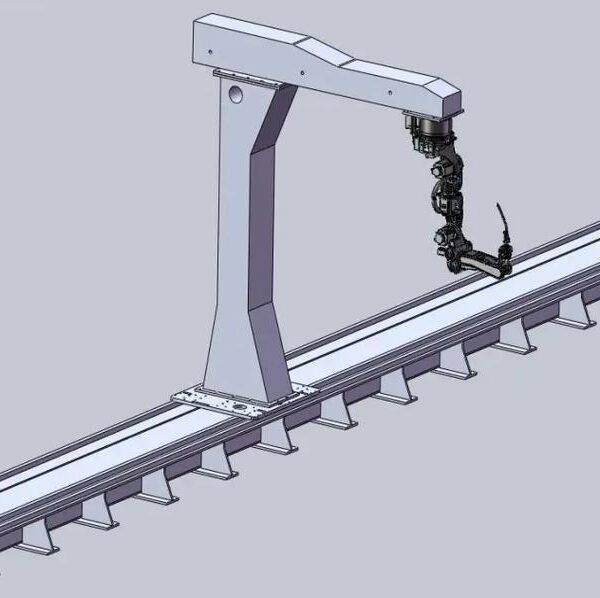

Cantilever Welding Robot solution
-
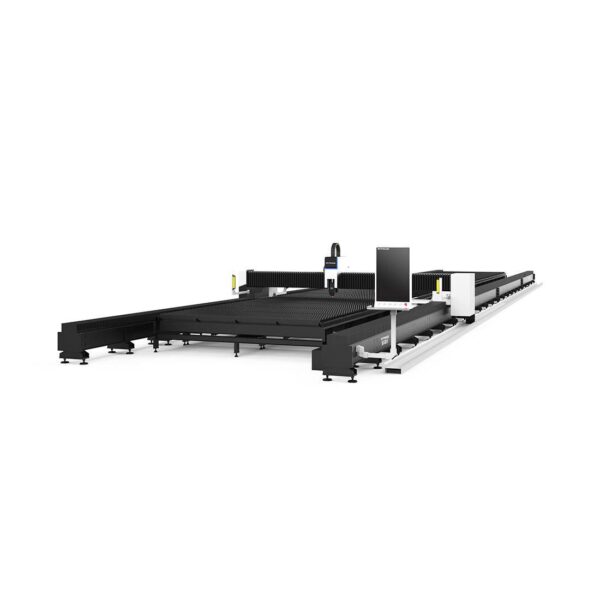

GF laser cutting machine
-
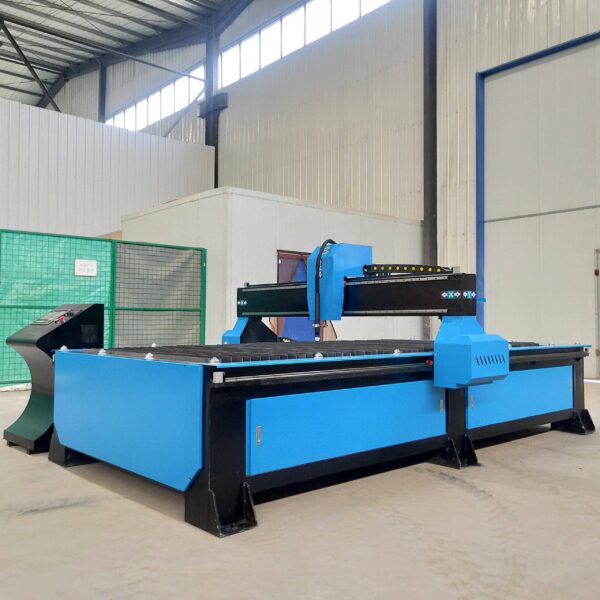
P3015 plasma cutting machine
-

LFP3015 Fiber Laser Cutter
-
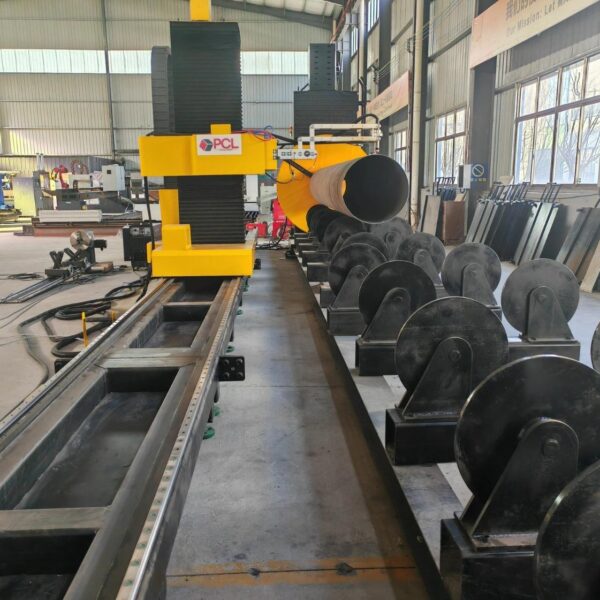
pipe plasma cutting machine
-
LFH 4020 Fiber Laser Cutting Machine
-
LFP4020
-
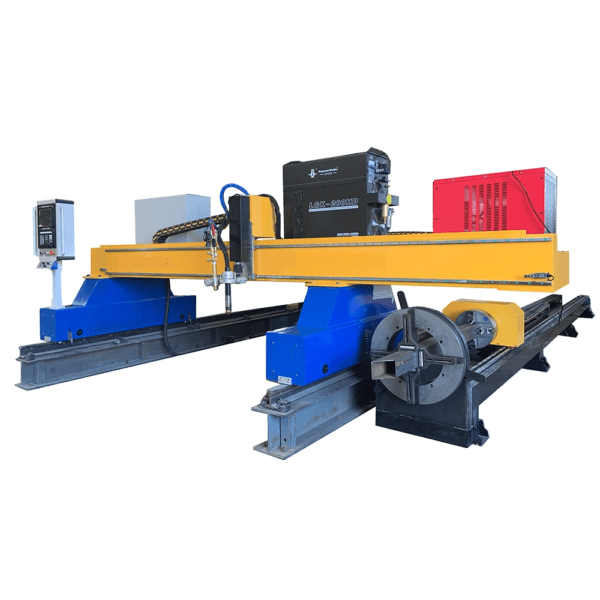
gantry plasma air cutting machine
-
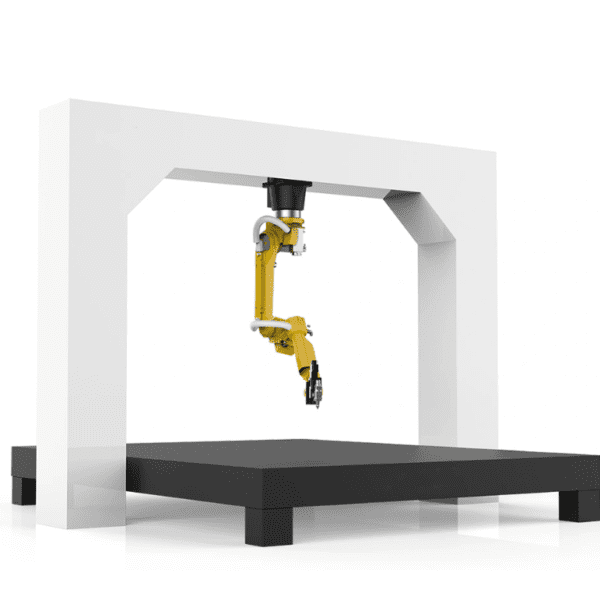
3D robot cutting machine
-
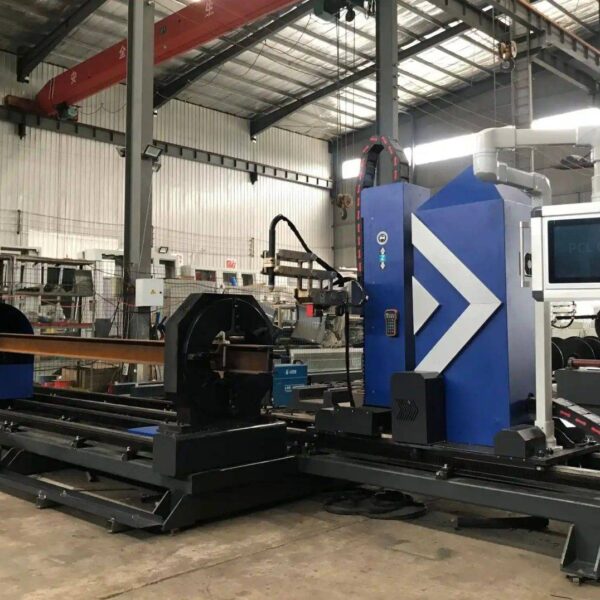
8 axis plasma cutting machine
-
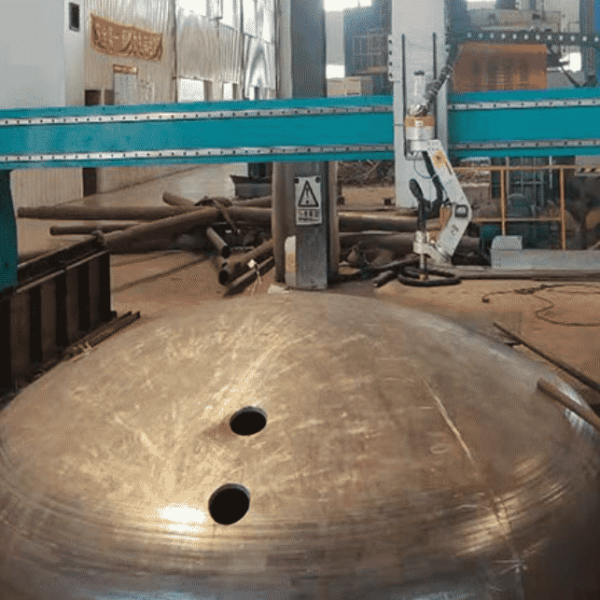
5 axis plasma cutting machine
-

LT360 tube laser cutting machine
-
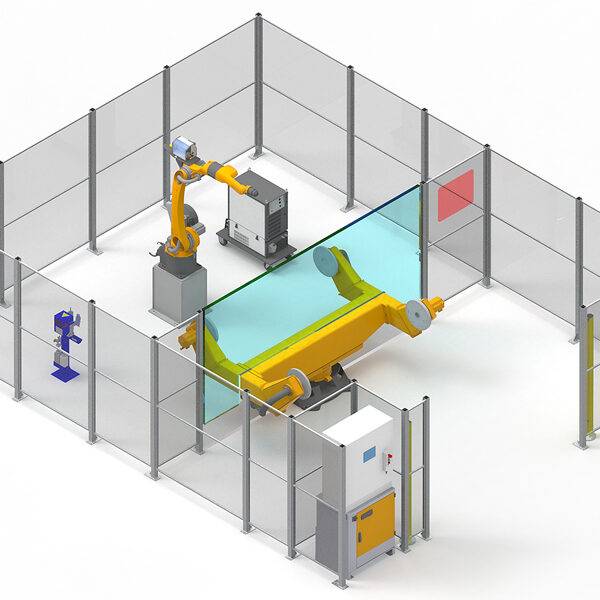
robot welding workstation
-
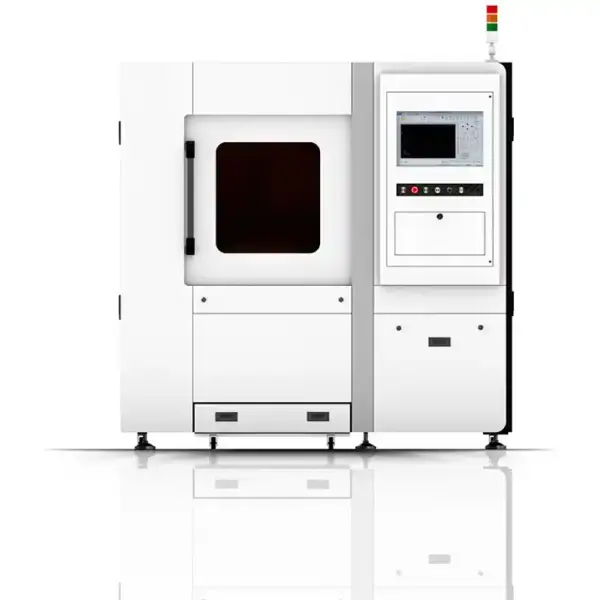
SF6060 fiber laser cutting machine
Advanced Fiber Laser Tube Processing Technology
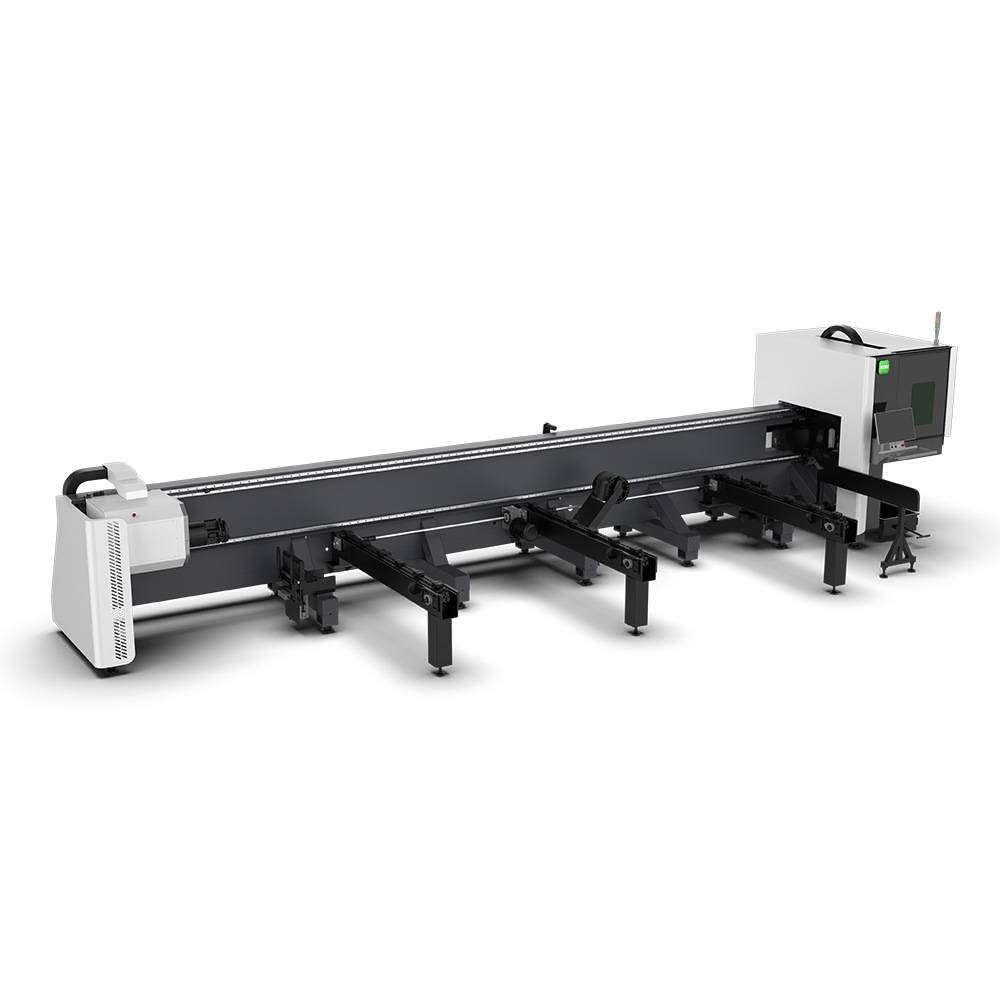
Our CNC Fiber Laser Tube Cutting systems revolutionize metal fabrication by integrating high-precision cutting, punching, and profiling into a single automated workflow. Designed for versatility, this technology handles a wide array of profiles including Round, Square, Rectangular, and Oval tubes, as well as complex L-shaped and U-shaped channels.
- Precision Punching: High-speed hole punching with micron-level accuracy, eliminating the need for mechanical drilling or die-stamping.
- Complex Profiling: Advanced 3D pathing allows for intricate interlocking joints and specialized notch cuts, ideal for structural frames.
- High Material Efficiency: Intelligent nesting software minimizes scrap, reducing raw material costs across large production runs.
- Clean Finish: Delivers oxide-free, burr-free edges that require zero secondary grinding before welding.

Seamlessly processing multiple profiles with consistent precision.
Global Delivery & Logistics



From our high-tech manufacturing facility directly to your global site. PCL WeldCut ensures secure packaging, professional handling, and reliable international logistics to safeguard your equipment throughout the entire journey.