Mechanized Fillet Welding in LNG Infrastructure Construction
The global surge in Liquefied Natural Gas (LNG) demand has necessitated the rapid construction of massive containment tanks, often exceeding 160,000 cubic meters in capacity. In industrial engineering terms, the critical path of these projects frequently resides in the welding of the inner tank, typically composed of 9% Nickel steel or high-grade stainless steel. The primary challenge is the sheer volume of tank fillet welding required at the shell-to-bottom joints and the reinforcement of stiffeners. Manual welding at this scale introduces unacceptable variances in quality and unsustainable labor costs.
To address these bottlenecks, field construction is shifting toward mechanized solutions that utilize magnetic crawlers. These units are designed to operate in the harsh environments of field sites where wind, humidity, and irregular surfaces are constant variables. Unlike stationary workshop setups, these mobile units must provide the stability of a fixed machine while maintaining the portability required to move around the circumference of a large-diameter tank.
Engineering Stability: The Role of Magnetic Crawlers
Field stability is the cornerstone of effective fillet welding. Traditional tractors often suffer from slippage or vibration, which directly translates to arc instability and weld defects such as undercut or lack of fusion. High-traction magnetic crawler systems resolve this by utilizing powerful permanent magnets or switchable electromagnets that lock the carriage onto the vertical or horizontal work surface. This magnetic adhesion ensures that the torch-to-work distance remains constant, even when the crawler encounters plate misalignment or surface roughness.
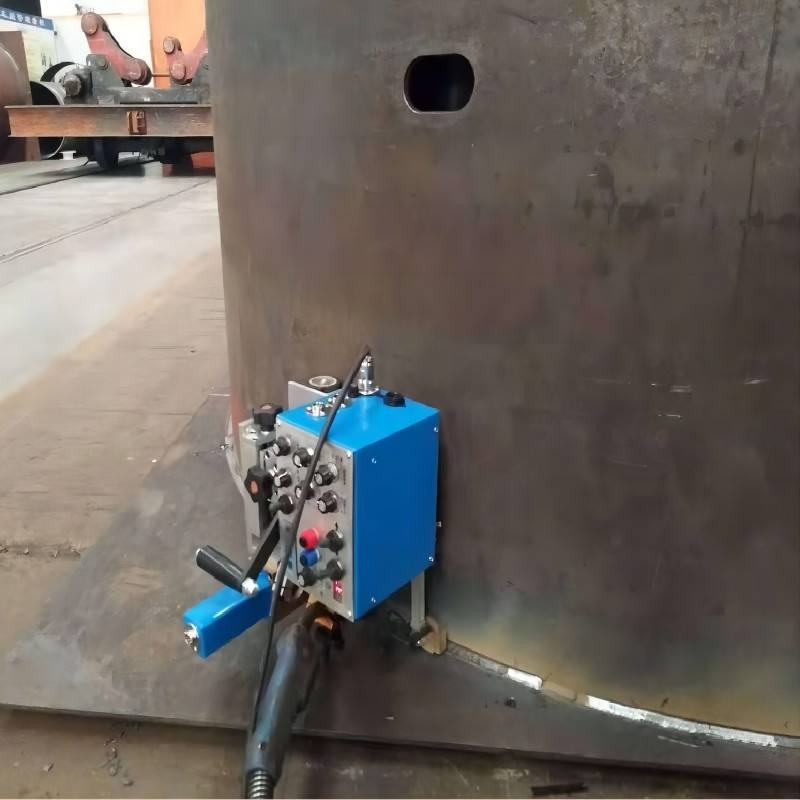
From an industrial engineering perspective, the stability of the carriage allows for the use of high-current parameters that would be impossible to control manually. By maintaining a rigid mechanical link between the torch and the joint, the system can support Gas Metal Arc Welding (GMAW) or Flux-Cored Arc Welding (FCAW) processes at higher travel speeds. This mechanical consistency is vital for LNG tanks, where the cryogenic service requirements demand a very specific heat input to maintain the fracture toughness of the 9% Nickel steel.
Integration of Offline Programming for Mechanized Tractors
While the term is often associated with high-end factory automation, offline programming (OLP) has become a transformative tool for field-deployed mechanized crawlers. In the context of LNG tank construction, OLP involves creating a digital map of the tank’s geometry and pre-calculating the welding paths and parameters before the equipment even touches the steel. This approach minimizes the “arc-off” time associated with manual adjustments and setup trials.
The OLP software takes the theoretical tank design—including diameter, plate thickness, and joint configuration—and generates a precise sequence of operations. The industrial engineer can simulate the torch angle, the travel speed, and the oscillation width required to achieve the desired fillet leg length. This data is then uploaded to the crawler’s control unit via a ruggedized interface. On-site, the operator simply aligns the crawler with the starting point, and the system executes the pre-programmed parameters, ensuring that every centimeter of the fillet weld meets the rigorous API 620 or EN 14620 standards.
Optimizing the Duty Cycle and Deposition Rates
The primary metric for evaluating the success of a field construction stability initiative is the duty cycle—the percentage of time the arc is actually burning. Manual welders in LNG projects typically achieve a duty cycle of 20% to 30% due to fatigue, environmental factors, and the need for frequent repositioning. Mechanized magnetic crawlers, supported by pre-programmed logic, can push this figure above 65%.
By optimizing the deposition rate through OLP, engineers can specify the exact wire feed speed and voltage needed to fill the fillet joint in the fewest possible passes. For large shell-to-bottom joints, this might mean moving from a three-pass manual procedure to a single or dual-pass mechanized procedure. The reduction in the number of thermal cycles also benefits the metallurgy of the heat-affected zone (HAZ), reducing the risk of grain growth and maintaining the structural integrity required for storing liquid gas at -162 degrees Celsius.
Overcoming Site Challenges: Trackless Navigation
A significant advantage of the magnetic crawler over traditional track-based systems is the elimination of track setup time. In LNG tank construction, laying hundreds of meters of track is a labor-intensive process that often introduces its own set of errors. Trackless magnetic crawlers use the joint itself or a guide roller to navigate. This freedom of movement allows for continuous welding around the tank’s circumference, significantly reducing the number of starts and stops.
Each start and stop in a weld is a potential point of failure where porosity or craters can occur. By utilizing a continuous mechanized drive, the integrity of the fillet weld is vastly improved. Furthermore, the compact profile of these crawlers allows them to operate in the tight spaces between the inner and outer tank walls, areas where human ergonomic limitations often lead to poor weld quality.
Data Logging and Quality Assurance
The digital nature of modern OLP-compatible crawlers provides an additional layer of quality assurance that is essential for LNG Projects. As the crawler moves along the fillet joint, it can log real-time data including travel speed, current, voltage, and heat input. This “digital birth certificate” for each weld allows industrial engineers to verify compliance with the Welding Procedure Specification (WPS) without relying solely on post-weld visual inspections or non-destructive testing (NDT).
If the system detects a deviation from the programmed parameters—perhaps due to a voltage drop in the site power supply—it can automatically pause the process or alert the operator. This proactive approach to quality control reduces the repair rate, which is a critical factor in maintaining the project schedule. In the high-stakes environment of LNG infrastructure, where a single repair can cost thousands of dollars and days of delay, the precision of mechanized fillet welding is not just a luxury, but a logistical necessity.
Economic Impact and Long-term Scalability
The investment in magnetic crawler technology and OLP software is justified by the drastic reduction in man-hours per linear meter of weld. While the initial capital expenditure is higher than manual equipment, the ROI is realized through faster tank completion and lower NDT failure rates. Furthermore, as the industry moves toward more standardized tank designs, the OLP templates created for one project can be refined and redeployed for future tanks, creating a library of optimized welding procedures.
In conclusion, the transition to mechanized fillet welding for LNG tanks represents a fundamental shift in field construction methodology. By focusing on the mechanical stability of magnetic crawlers and the predictive power of offline programming, industrial engineers can achieve levels of productivity and quality that were previously restricted to controlled factory environments. This approach ensures that the critical infrastructure required for the global energy transition is built safely, efficiently, and to the highest technical standards.
-
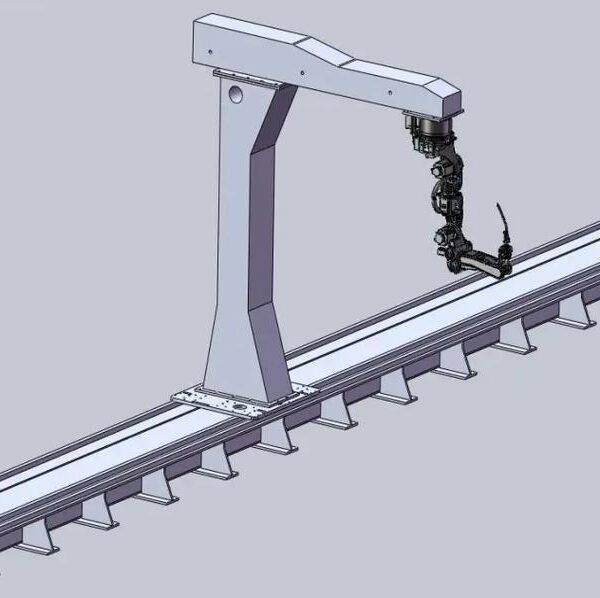

Cantilever Welding Robot solution
-
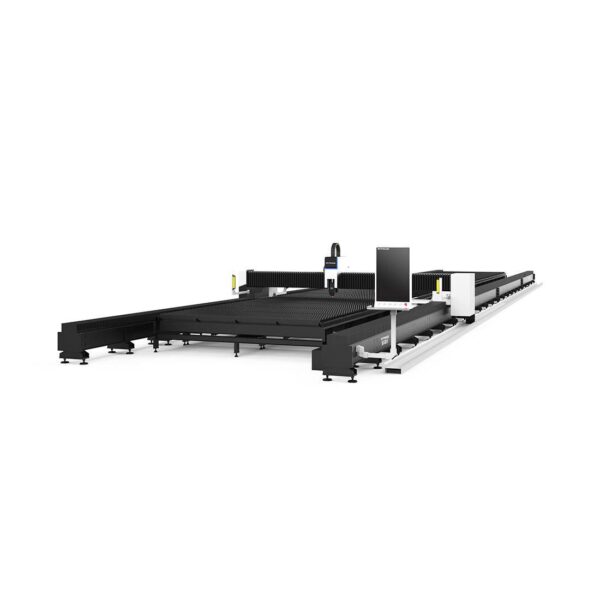

GF laser cutting machine
-
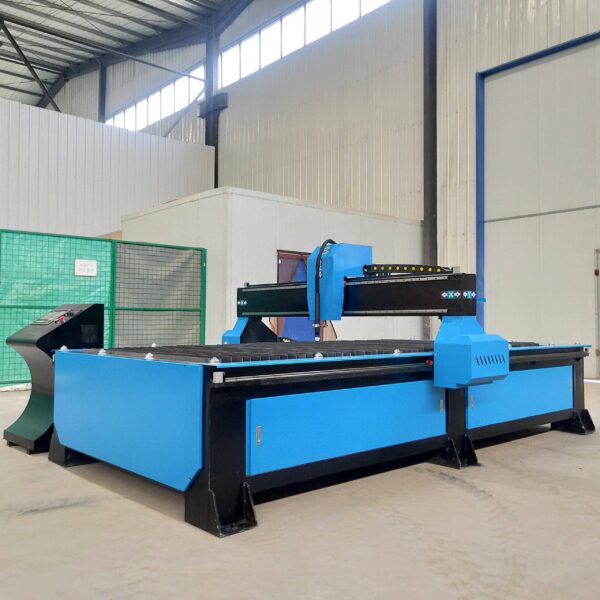
P3015 plasma cutting machine
-

LFP3015 Fiber Laser Cutter
-
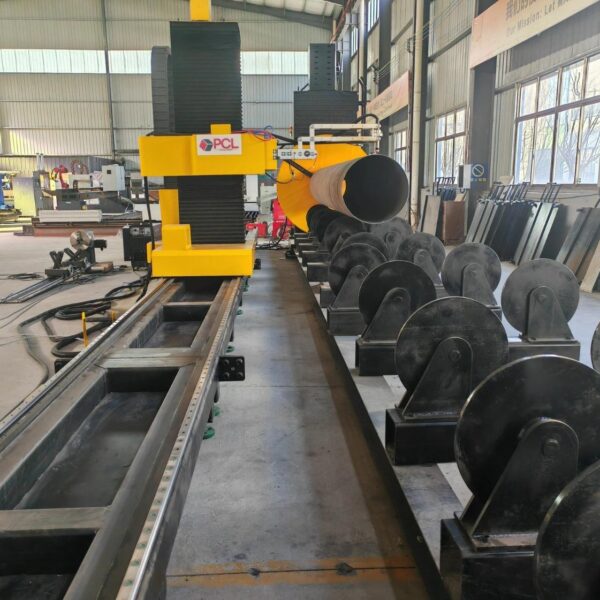
pipe plasma cutting machine
-
LFH 4020 Fiber Laser Cutting Machine
-
LFP4020
-
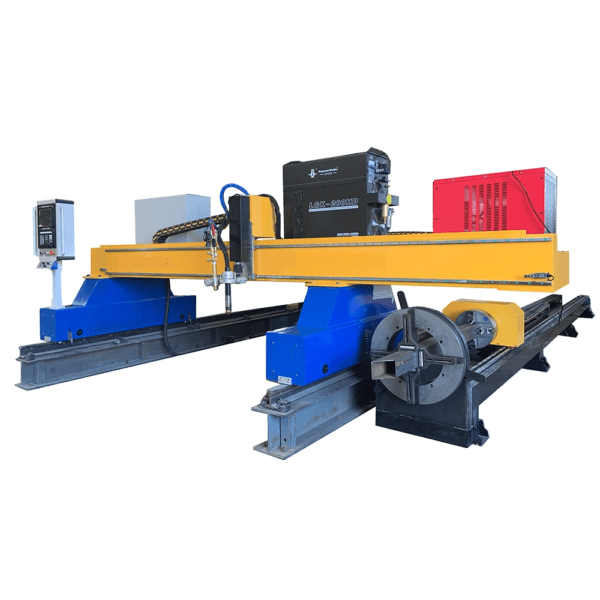
gantry plasma air cutting machine
-
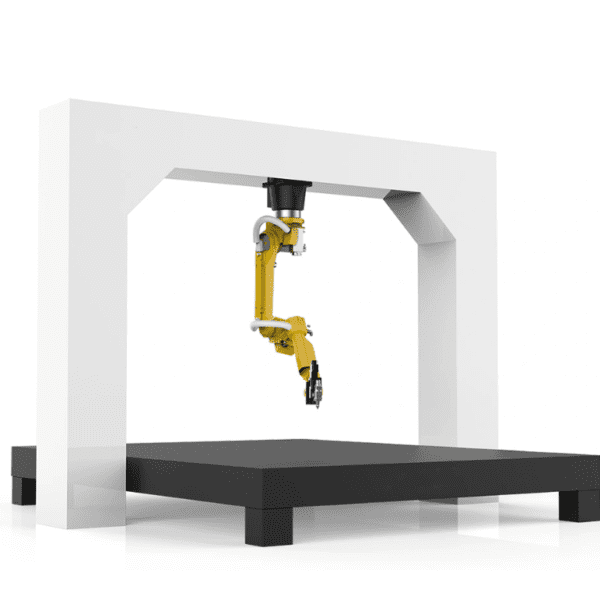
3D robot cutting machine
-
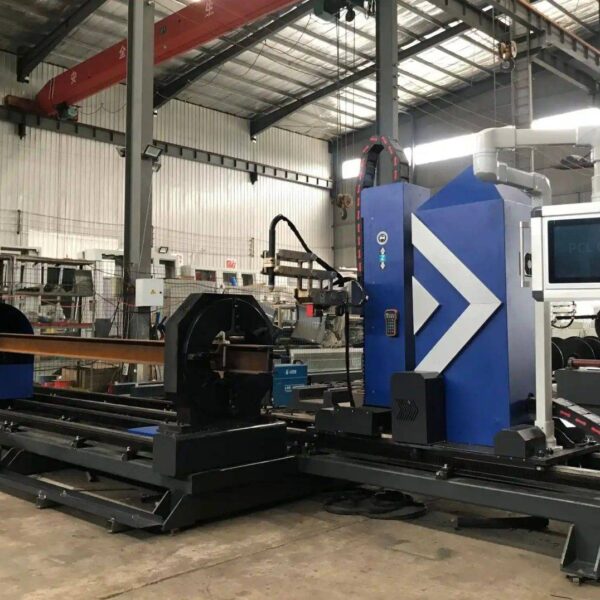
8 axis plasma cutting machine
-
5 axis plasma cutting machine
-

LT360 tube laser cutting machine
-
robot welding workstation
-
SF6060 fiber laser cutting machine
