Optimizing Wind Tower Assembly with Specialized Fillet Welding Systems
In the heavy industrial sector, specifically within wind energy infrastructure, the fabrication of wind towers presents unique logistical and structural challenges. As tower diameters increase to support larger turbines, the demand for high-integrity fillet welds at the base flanges and internal structural supports becomes critical. The implementation of a dedicated Fillet Welding Machine designed for tank-style environments allows for a transition from manual stick welding to semi-automated, high-deposition processes.
The primary engineering objective in wind tower fabrication is to maintain circularity and structural alignment while depositing large volumes of weld metal. Traditional methods often result in inconsistent penetration and excessive heat input, which can distort the high-tensile steel plates. By utilizing a Magnetic Crawler system, engineers can ensure that the welding torch remains at a constant torch-to-work distance, regardless of the orientation or the height of the tower section. This stability is the cornerstone of field construction reliability.
The Mechanics of Narrow Gap Welding in Fillet Applications
While typically associated with butt joints, Narrow Gap Welding principles are increasingly applied to thick-walled fillet joints in wind tower construction. In a standard fillet weld, a wide root opening or a large leg length often requires multiple passes, leading to increased wire consumption and potential for slag inclusion. Narrow gap techniques modify the joint geometry to reduce the total volume of the weld groove, focusing the arc energy into a tighter area.
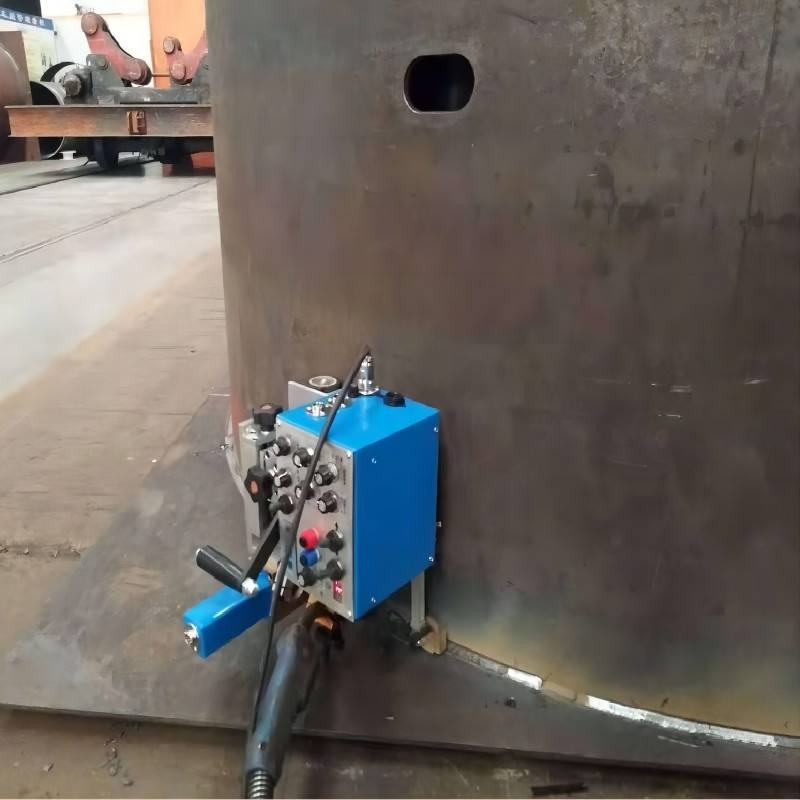
This process requires precise control over the electrode oscillation and wire feed speed. In the context of a Tank Fillet Welding Machine, the narrow gap approach allows for deep penetration into the root of the flange-to-shell connection. By reducing the included angle of the joint, the cross-sectional area of the weld is minimized. From an industrial engineering perspective, this translates directly to a reduction in “arc-on” time per meter of weld, lower gas consumption, and a significant decrease in the heat-affected zone (HAZ), preserving the metallurgical properties of the tower steel.
Magnetic Crawler Dynamics and Field Stability
Field construction of wind towers often occurs in environments where floor-mounted automation is impossible. The Magnetic Crawler serves as the mobile platform for the welding head, utilizing high-power permanent magnets or switchable electromagnets to adhere to the curved steel surface of the tower. This adhesion is critical for overcoming the effects of gravity when performing horizontal-vertical (2F) fillet welds.
Surface Contact and Traction Control
Industrial-grade crawlers are engineered with four-wheel drive systems and high-torque motors to maintain a constant travel speed. In Wind Tower Fabrication, surface irregularities such as mill scale or slight rust can interfere with traction. The mechanical design of the crawler must incorporate a suspension system that allows the magnets to maintain a consistent air gap, ensuring that the pull force remains within the safety factor required to support the weight of the wire feeder and the welding torch.
Environmental Resilience
Unlike indoor factory setups, field welding machines must contend with wind gusts and ambient temperature fluctuations. The stability of the magnetic crawler ensures that the welding arc is shielded from mechanical vibration. Furthermore, integrated wind shielding around the torch nozzle protects the shielding gas envelope, preventing porosity in the weld bead. This mechanical stability is what allows narrow gap techniques to be feasible outdoors, as the tight tolerances of the process leave no room for torch oscillation caused by external forces.
Technical Specifications for High-Output Fillet Welding
To achieve optimal throughput, the welding machine must integrate several sub-systems:
Integrated Wire Feeding Systems
The wire feeder is typically mounted directly onto the crawler or pulled in a secondary carriage. This minimizes the distance between the drive rolls and the contact tip, ensuring smooth wire delivery for flux-cored or solid wire applications. In narrow gap configurations, constant current (CC) or pulsed spray transfer modes are utilized to manage the weld pool in various positions.
Precision Torch Oscillation
The machine must feature a motorized slide for torch positioning. In fillet welding, the angle of the torch (typically 45 degrees to the joint) must be maintained with high precision. The narrow gap technique often employs a “weave” or “oscillation” pattern that ensures sidewall fusion without the need for an excessively wide weld pool.
Industrial Impact on Productivity and Quality Control
The shift toward automated tank fillet welding machines represents a significant leap in productivity for wind energy contractors. By quantifying the meters of weld produced per shift, industrial engineers have noted a 300% to 400% increase in output compared to manual Shielded Metal Arc Welding (SMAW).
Reduction in Consumable Waste
By narrowing the gap of the fillet preparation, the volume of weld metal required is reduced by up to 30%. This not only lowers the cost of welding wire and shielding gas but also reduces the energy consumption per tower section. From a quality assurance standpoint, the consistency of the automated travel speed produces a uniform weld bead profile, which facilitates easier non-destructive testing (NDT) such as ultrasonic or radiographic inspection.
Structural Integrity and Fatigue Life
Wind towers are dynamic structures subject to millions of stress cycles over their lifespan. The fillet welds at the base and flange junctions are primary load-bearing points. Using a magnetic crawler with narrow gap capabilities ensures consistent penetration at the root, which is vital for preventing fatigue cracks. The controlled heat input associated with this automated process results in a finer grain structure in the weld metal, enhancing the overall fracture toughness of the assembly.
Conclusion
The integration of the Fillet Welding Machine into the Wind Tower Fabrication workflow is no longer an optional upgrade but a necessity for competitive production. Through the use of Magnetic Crawler technology and Narrow Gap Welding methodologies, manufacturers can achieve a level of precision and stability that manual processes cannot match. This systematic approach to welding engineering ensures that wind tower structures meet the rigorous demands of the global energy transition while optimizing cost and material efficiency on the construction site.
-
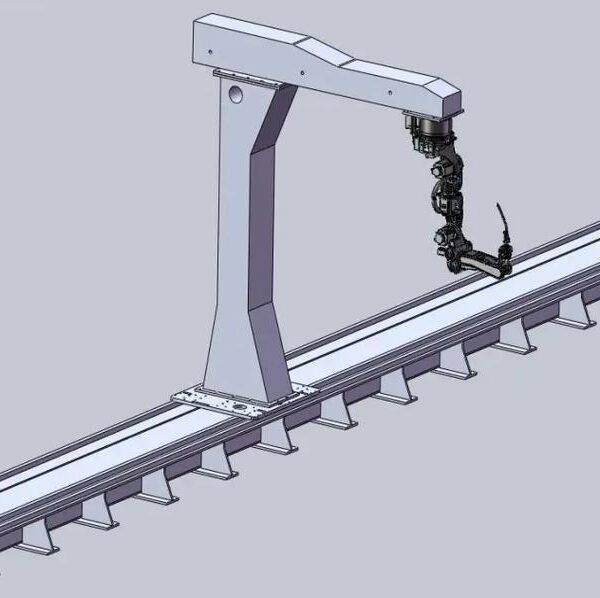

Cantilever Welding Robot solution
-
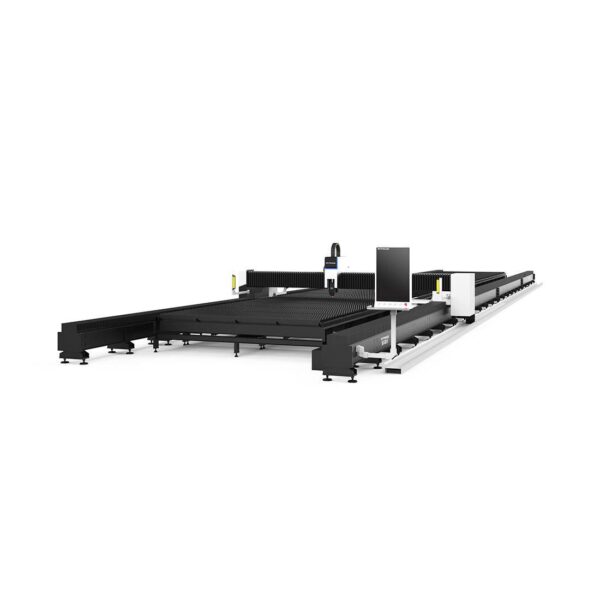

GF laser cutting machine
-
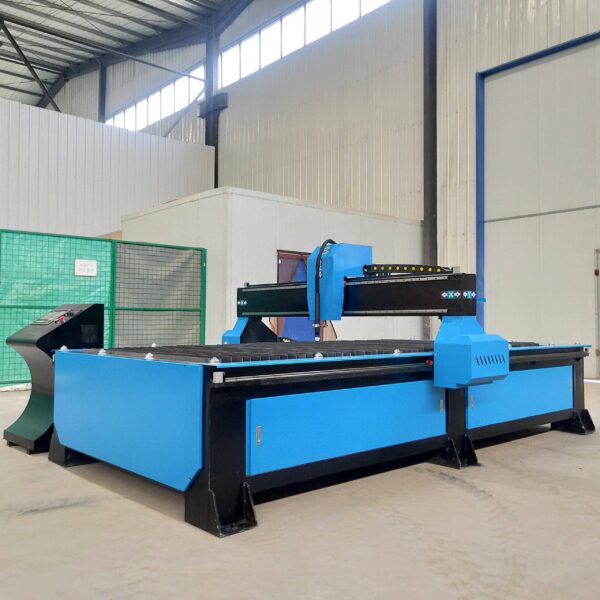
P3015 plasma cutting machine
-

LFP3015 Fiber Laser Cutter
-

pipe plasma cutting machine
-
LFH 4020 Fiber Laser Cutting Machine
-
LFP4020
-
gantry plasma air cutting machine
-
3D robot cutting machine
-
8 axis plasma cutting machine
-
5 axis plasma cutting machine
-

LT360 tube laser cutting machine
-
robot welding workstation
-

SF6060 fiber laser cutting machine
