Optimization of Tank Fillet Welding in Field Construction
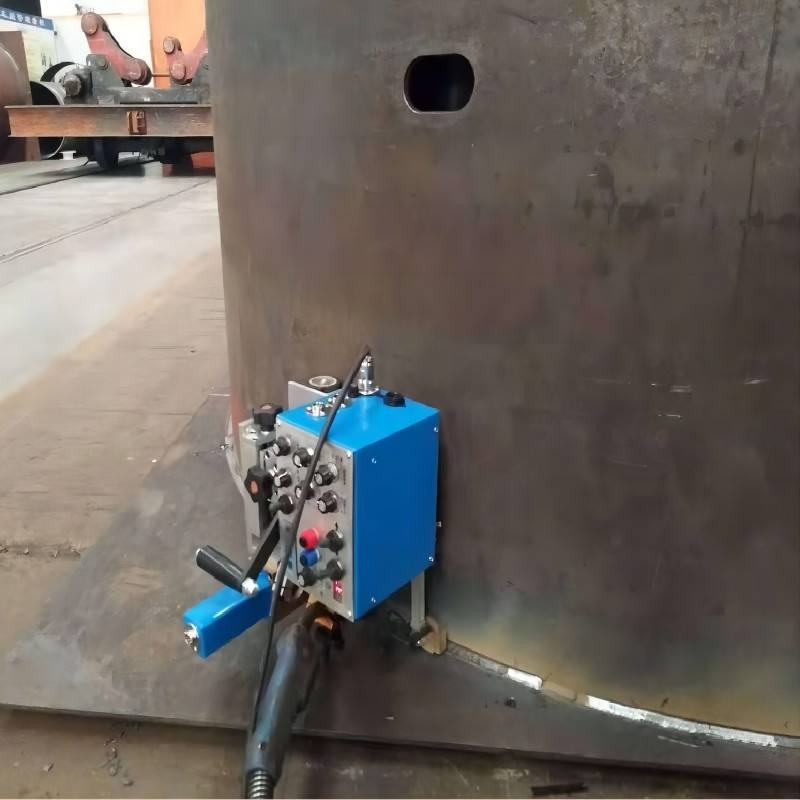
In the industrial engineering landscape of oil and gas infrastructure, the integrity of storage tank welds is non-negotiable. Field-erected tanks, often complying with API 650 or API 620 standards, require thousands of linear meters of high-quality fillet welds, particularly at the critical junction between the tank bottom and the first shell course. The introduction of the Tank Fillet Welding Machine has transformed this process from a labor-intensive manual task into a precision-engineered automated operation.
The primary objective of using an automated crawler in field conditions is to mitigate the variables that compromise weld quality. Manual welding is subject to welder fatigue, inconsistent travel speeds, and varying torch angles. An automated system, specifically designed for fillet geometries, provides a standardized deposition rate and a repeatable thermal profile. This level of control is essential when dealing with the heavy plate thicknesses and high-strength alloys common in modern petrochemical storage solutions.
The Mechanics of Magnetic Crawler Traction
The foundation of a reliable tank welding system is its ability to maintain a consistent trajectory along a curved or linear path. For oil and gas tanks, which can exceed 50 meters in diameter, the welding carriage must navigate the circumference of the tank without deviating from the joint. Magnetic Crawler Welding technology utilizes high-flux permanent magnets or electromagnets integrated into the drive wheels or the chassis of the tractor.
These magnets generate a powerful downforce that secures the machine against the vertical shell or the horizontal bottom plate. This adhesion is critical for field construction stability, as it prevents the machine from “walking” away from the joint due to vibration, cable drag, or minor surface irregularities. From an engineering standpoint, the friction coefficient between the crawler wheels and the steel plate is maximized, allowing for precise motion control even when the plates are coated with shop primers or light surface oxidation.
Drive Systems and Motion Control
The drive assembly typically consists of a four-wheel-drive configuration powered by high-torque DC stepper or servo motors. These motors are geared to provide a steady travel speed, often ranging from 100 to 1,500 mm/min depending on the welding process and plate thickness. Integrated encoders provide real-time feedback to the control unit, ensuring that the travel speed remains constant regardless of the load fluctuations caused by the weight of the welding lead or the wire spool.
Principles of Arc Voltage Control (AVC)
While the crawler manages horizontal travel, the Arc Voltage Control (AVC) system manages the vertical position of the welding torch. In fillet welding, the distance between the electrode and the workpiece (the arc length) is a critical variable that dictates the voltage and, consequently, the heat input and bead morphology.
Field-erected plates are rarely perfectly flat. Undulations in the floor plates or slight misalignments in the shell courses create a “wavy” path. If the torch height were fixed, the arc length would fluctuate, leading to defects such as undercut, lack of fusion, or excessive spatter. The AVC system solves this by continuously monitoring the arc voltage during the welding process.
The Feedback Loop Mechanism
The AVC controller compares the measured arc voltage against a pre-set value. If the voltage increases (indicating the arc length has widened), the system triggers a motorized slide to lower the torch. Conversely, if the voltage drops, the torch is raised. This closed-loop feedback occurs at millisecond intervals, maintaining a constant arc length even as the crawler traverses uneven plate surfaces. This automation ensures that the weld throat thickness remains consistent throughout the entire circumference of the tank, which is a key requirement for NDT (Non-Destructive Testing) compliance.
Enhanced Field Construction Stability
Operating in a field environment presents challenges not found in a controlled factory setting. Wind, temperature swings, and the physical scale of the project require a machine that prioritizes Field Construction Stability. The mechanical design of the fillet welder incorporates low-center-of-gravity engineering to prevent tipping.
Furthermore, the stability of the arc is protected by the machine’s shielding gas delivery system, which is often optimized with specialized nozzles or trailing shields to combat crosswinds. The integration of a flux recovery system (in the case of Submerged Arc Welding) adds a layer of complexity but also contributes to stability by providing a consistent burden of flux over the molten pool, protecting it from atmospheric contamination.
Impact on Heat Affected Zone (HAZ)
By maintaining a constant travel speed and arc length, the automated machine ensures a uniform heat input. This is vital for maintaining the metallurgical properties of the tank steel. Excessive heat can enlarge the Heat Affected Zone (HAZ), leading to reduced notch toughness and increased susceptibility to stress corrosion cracking in sour crude environments. The precision of the AVC and crawler movement allows engineers to specify exact parameters that stay within the qualified Welding Procedure Specification (WPS).
Operational Efficiency and ROI
From an industrial management perspective, the deployment of a tank fillet welding machine is driven by the need for higher deposition rates and reduced man-hours. A single operator can oversee one or more machines, which can operate at duty cycles far exceeding manual capabilities.
Comparison of Manual vs. Automated Fillet Welding
1. Deposition Rate
Manual GMAW (Gas Metal Arc Welding) or SMAW (Shielded Metal Arc Welding) is limited by the physical capacity of the welder and the need for frequent electrode changes or repositioning. The automated crawler can utilize large 25kg wire spools and operate continuously for hours. This results in a 3x to 4x increase in linear meters welded per shift.
2. Quality and Repair Rates
Manual welds in tank bottoms often suffer from inconsistencies at the stop-start points. Automated systems minimize these transitions. When coupled with AVC, the frequency of repairs due to porosity or slag inclusions is significantly reduced. In the oil and gas industry, where a single leak can lead to catastrophic environmental and financial consequences, the “right first time” approach provided by automation is a significant risk-mitigation factor.
3. Safety and Ergonomics
Welding at the base of a large tank involves working in cramped or repetitive positions. Automating the process removes the welder from the immediate vicinity of the welding fumes and intense UV radiation. The operator takes on the role of a technician, monitoring the system from a distance, which reduces long-term occupational health risks and improves overall site safety metrics.
Integration with Welding Power Sources
Modern tank fillet machines are designed to be “plug-and-play” with industry-standard heavy-duty power sources. These power sources must provide a stable CC (Constant Current) or CV (Constant Voltage) output. The communication between the AVC unit and the power source is critical. Advanced systems use digital communication protocols to ensure that the voltage sensing is accurate and free from electromagnetic interference caused by the high-current welding cables.
Maintenance and Durability Requirements
Given the harsh environments of refineries and tank farms—often characterized by dust, humidity, and salt air—the construction of the magnetic crawler must be rugged. Housing for electronics is typically IP65 rated or higher. The drive gears and slides for the AVC must be shielded from weld spatter and grit. Industrial engineers must implement a strict maintenance schedule, focusing on the cleaning of the magnetic wheels and the calibration of the AVC sensors to ensure the longevity of the equipment under continuous field use.
Conclusion
The application of a Tank Fillet Welding Machine with Arc Voltage Control represents a significant leap forward in oil and gas infrastructure construction. By combining the mechanical grip of magnetic crawlers with the electronic precision of AVC, companies can achieve unparalleled stability and weld integrity. This technology does not merely speed up the construction process; it elevates the structural reliability of the world’s energy storage assets by ensuring every millimeter of the fillet weld meets the most stringent engineering standards.
-
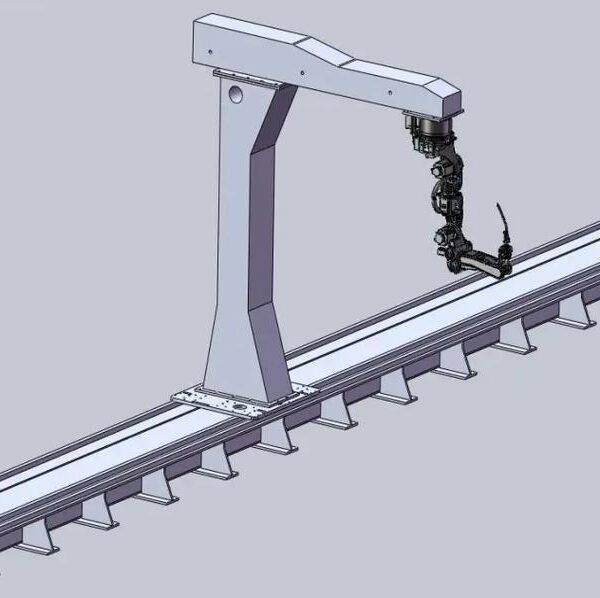

Cantilever Welding Robot solution
-

GF laser cutting machine
-
P3015 plasma cutting machine
-

LFP3015 Fiber Laser Cutter
-
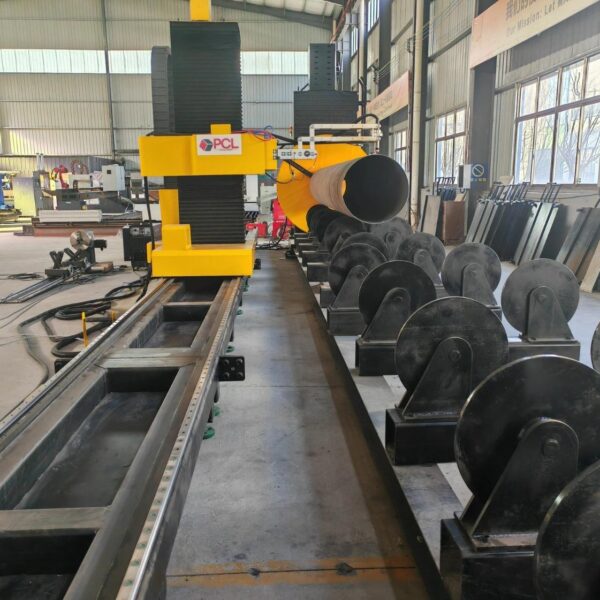
pipe plasma cutting machine
-
LFH 4020 Fiber Laser Cutting Machine
-
LFP4020
-
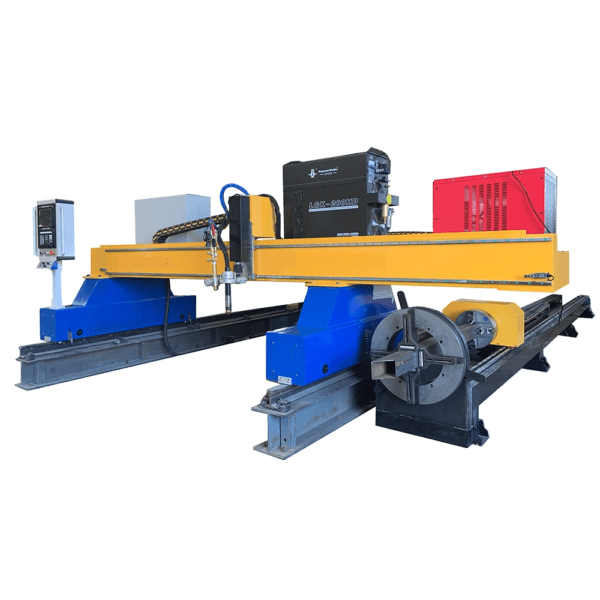
gantry plasma air cutting machine
-
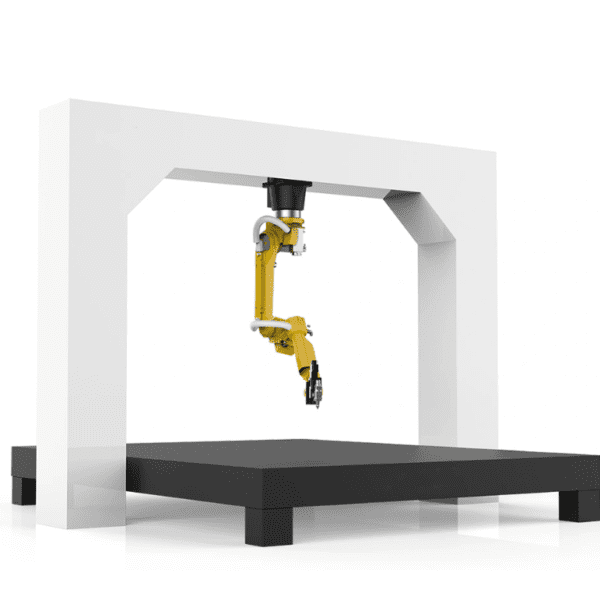
3D robot cutting machine
-
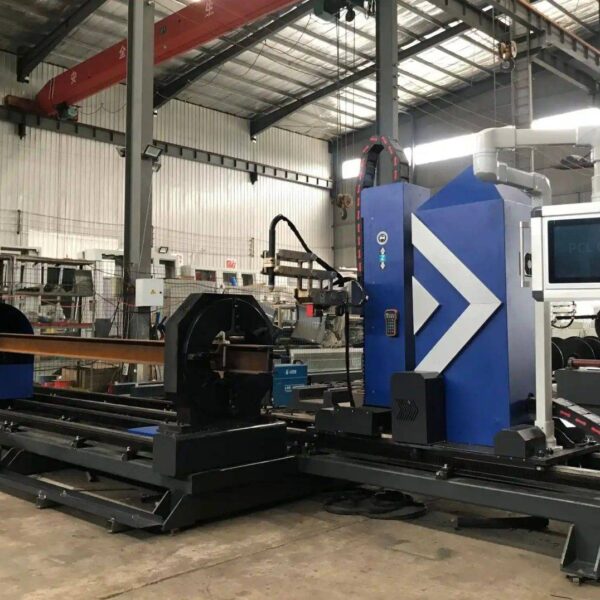
8 axis plasma cutting machine
-
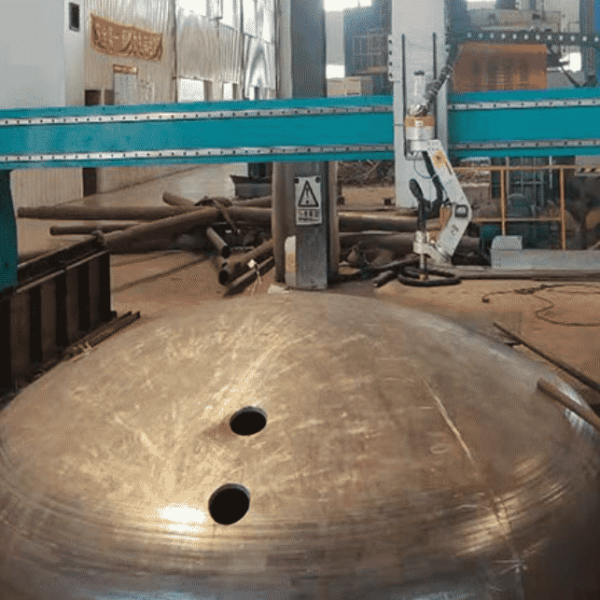
5 axis plasma cutting machine
-

LT360 tube laser cutting machine
-
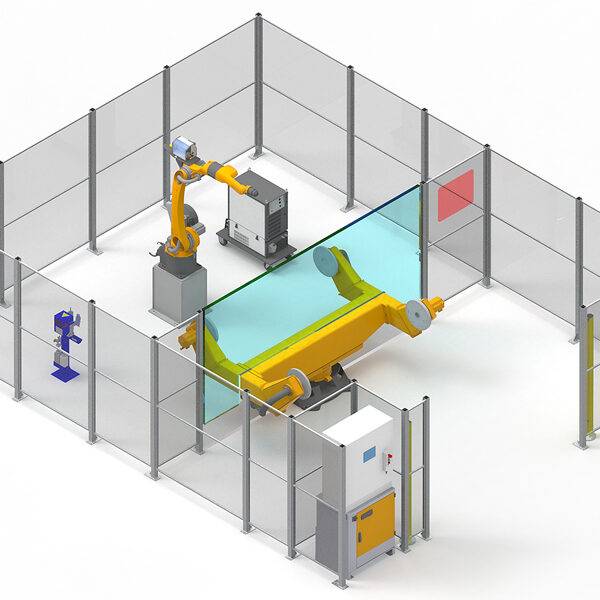
robot welding workstation
-
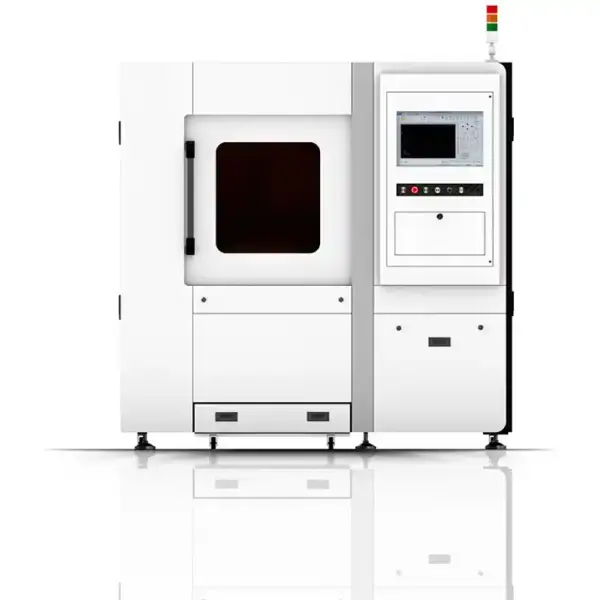
SF6060 fiber laser cutting machine
