Field Engineering Report: Implementation of Collaborative MIG Systems in Melbourne Heavy Industry
This report summarizes the technical deployment and operational tuning of a 10kg-payload Cobot Welding Machine within a high-mix, low-volume (HMLV) fabrication facility located in the industrial precinct of Dandenong, Melbourne. The project objective was to transition specific high-thermal-demand tasks—specifically Copper Components welding—from manual TIG/MIG stations to an automated framework utilizing Collaborative Robotics.
Melbourne’s manufacturing sector currently faces a dual pressure: a critical shortage of 1G-4G certified welders and an increasing demand for precision electrical infrastructure components. This report details why the synergy between a modern Cobot Welding Machine and the philosophy of Collaborative Robotics is no longer a luxury, but a technical necessity for maintaining WPS (Welding Procedure Specification) compliance in non-ferrous applications.
The Synergy of Cobot Welding Machines and Collaborative Robotics
In the context of a Melbourne workshop, the distinction between a “robot” and “collaborative robotics” is defined by spatial utility. Traditional robotic cells require extensive guarding, light curtains, and dedicated floor space that many inner-suburban Melbourne shops simply do not have. By utilizing a Cobot Welding Machine, we integrated the unit directly into existing manual bays.

The synergy here lies in the “human-in-the-loop” workflow. In our deployment, the senior welder retains control over the fit-up and tacking of complex geometries, while the collaborative arm handles the long-run longitudinal seams. This Collaborative Robotics approach allows for hand-guiding lead-through programming, which reduced our setup time for bespoke busbar housings from six hours to forty-five minutes. Unlike traditional industrial robots, the cobot’s force-torque sensors allow it to operate safely alongside staff, reacting to millimetric obstructions without the need for physical fencing.
Technical Challenges in Copper Components Welding
The most significant technical hurdle during this field deployment was the Copper Components welding phase. Copper’s thermal conductivity is approximately ten times that of mild steel. In a MIG process, this results in the base metal acting as a massive heat sink, often leading to “cold starts” and lack of fusion at the beginning of the weld bead.
Overcoming Thermal Dissipation
To successfully automate the welding of 12mm thick C101 oxygen-free copper plates, we had to rethink the standard MIG parameters. A standard Cobot Welding Machine setup usually defaults to steel or aluminum profiles. For copper, we implemented the following technical adjustments:
1. Shielding Gas and Ionization
Standard Argon was insufficient. We moved to an Argon/Helium mix (75% He / 25% Ar). The Helium component increases the arc voltage and provides the high-energy heat input required to overcome copper’s conductivity. This required recalibrating the cobot’s gas solenoid timing to ensure a 2-second pre-flow, preventing oxidation before the arc strikes.
2. Pulse-on-Pulse Waveform Control
Using a high-end inverter power source integrated with the Cobot Welding Machine, we utilized a pulsed MIG waveform. This allowed us to maintain a stable spray transfer mode even at lower average currents, reducing the risk of burn-through while ensuring the puddle remained fluid enough for the cobot to maintain a travel speed of 350mm/min.
Path Programming for High-Conductivity Alloys
When dealing with Copper Components welding, the “start” and “end” points of the weld are the failure points. We programmed the collaborative arm to perform a “hot start” routine, where the arc stays stationary for 0.8 seconds with a 15% increase in amperage to establish the puddle before initiating travel. At the termination point, we programmed a crater-fill routine with a 5mm back-step to eliminate shrinkage cracks, a common defect in copper alloys.
The Melbourne Workshop Context: Lessons Learned
Operating in the Melbourne industrial climate (specifically considering the ambient temperature fluctuations in uninsulated corrugated sheds) taught us several “boots-on-the-ground” lessons that are often omitted from the manufacturer’s manual.
Lesson 1: Environmental Impact on Gas Coverage
Melbourne’s afternoon bay breezes can wreak havoc on gas coverage in an open collaborative environment. Unlike caged robots in sealed rooms, Collaborative Robotics often sit in the middle of the shop floor. We found that even a 5km/h draft would cause porosity in the copper welds. Lesson: Use oversized gas shrouds (No. 12 or 14) and localized wind shields when welding non-ferrous materials in open-plan workshops.
Lesson 2: Wire Feed Tension and Conduit Length
Copper wire is significantly softer than ER70S-6 steel wire. During the deployment, we experienced several instances of “bird-nesting” at the drive rolls. Because the Cobot Welding Machine moves through complex 6-axis orientations, the liner undergoes constant flexing. We switched to U-grooved rollers and a Teflon liner, and restricted the torch lead to 3 meters to minimize friction. In Collaborative Robotics, cable management is not just about safety; it’s about wire feed consistency.
Lesson 3: The Myth of “Set and Forget”
Even with a high-precision Cobot Welding Machine, copper’s high expansion coefficient means the part moves during the weld. A 500mm seam can see a 2mm shift in the joint gap due to thermal expansion. We learned that the “collaborative” aspect must include the operator periodically checking the Tool Center Point (TCP). We implemented a “touch-sense” routine where the cobot uses the wire tip to sense the plate position before every third cycle, compensating for thermal drift automatically.
Metallurgical Results and Standard Compliance
The final assemblies were tested to AS/NZS 1554.1 standards. The Copper Components welding achieved full penetration with a significant reduction in the Heat Affected Zone (HAZ) compared to manual MIG. This is attributed to the cobot’s ability to maintain a constant travel speed and torch angle—something a human welder struggles with when faced with the intense radiant heat reflected by copper.
WPS Specification Summary:
- Material: C11000 Electrolytic Tough Pitch Copper.
- Process: Pulsed MIG (GMAW-P).
- Filler: ERCu (Deoxidized Copper).
- Wire Diameter: 1.2mm.
- Travel Speed: 320-380 mm/min.
- Shielding: 75% He / 25% Ar at 20 L/min.
Strategic Outlook for Melbourne Fabricators
The integration of Collaborative Robotics into the local Melbourne market represents a shift toward “Sovereign Capability.” By delegating the physically taxing and technically repetitive Copper Components welding to a Cobot Welding Machine, firms can reallocate their skilled labor to higher-value tasks like weld design and quality assurance.
The primary takeaway from this field report is that the cobot is not a replacement for the welder, but a specialized tool that requires expert oversight. Success in automating non-ferrous alloys depends less on the robot’s software and more on the engineer’s understanding of fluid dynamics and thermal management. As we move forward, the focus must remain on refining the interface between the human operator’s intuition and the machine’s repeatability.
Report End.
Prepared by: Senior Welding Engineer, Melbourne Field Office.
-
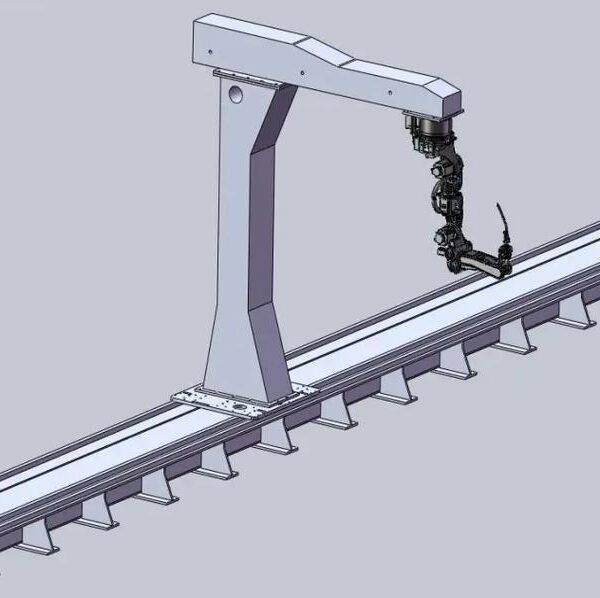

Cantilever Welding Robot solution
-
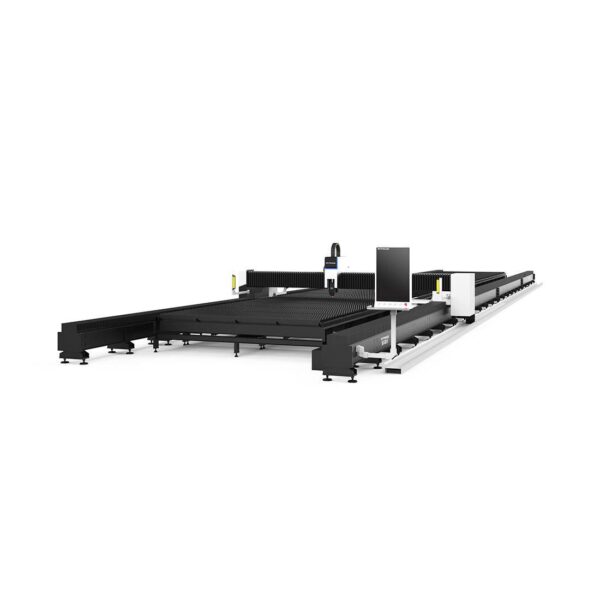

GF laser cutting machine
-
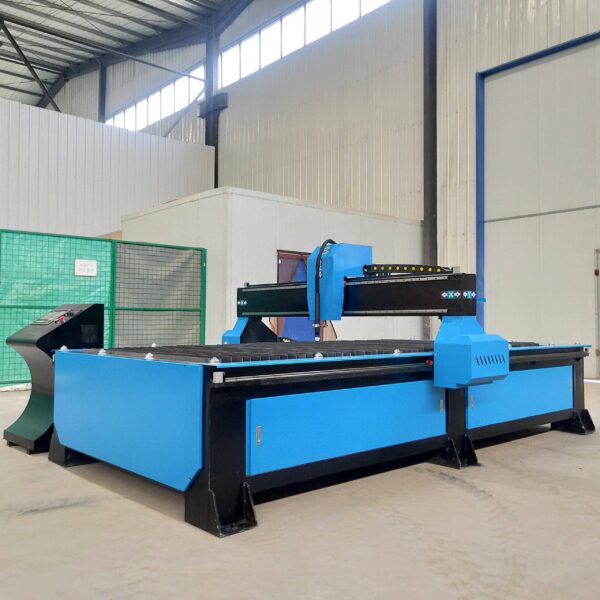
P3015 plasma cutting machine
-

LFP3015 Fiber Laser Cutter
-
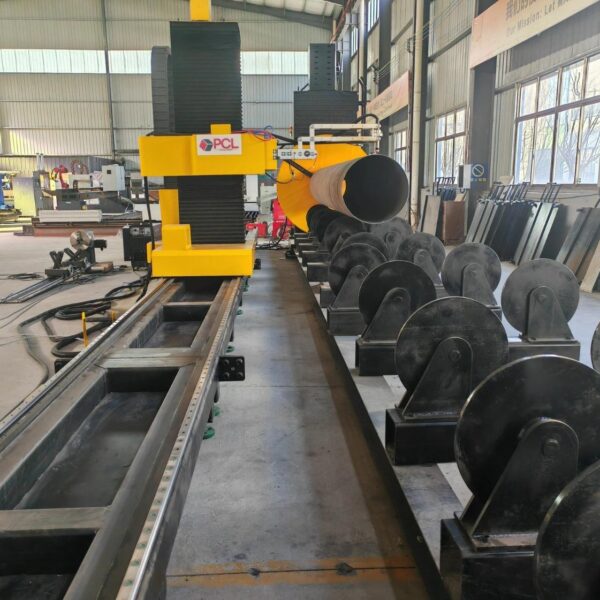
pipe plasma cutting machine
-
LFH 4020 Fiber Laser Cutting Machine
-
LFP4020
-
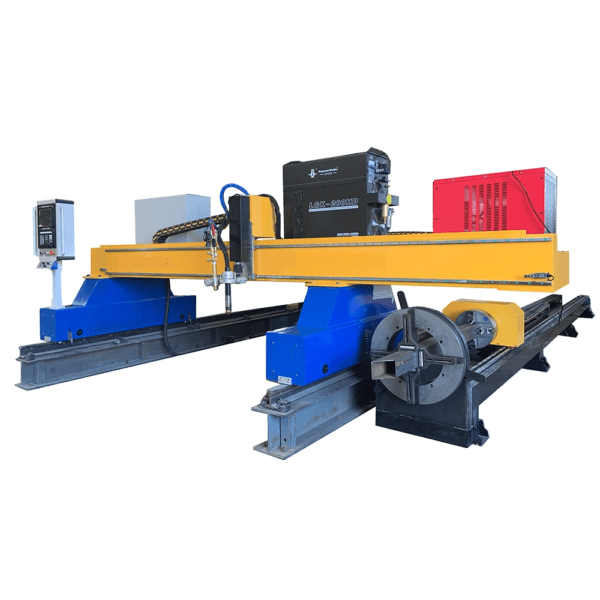
gantry plasma air cutting machine
-
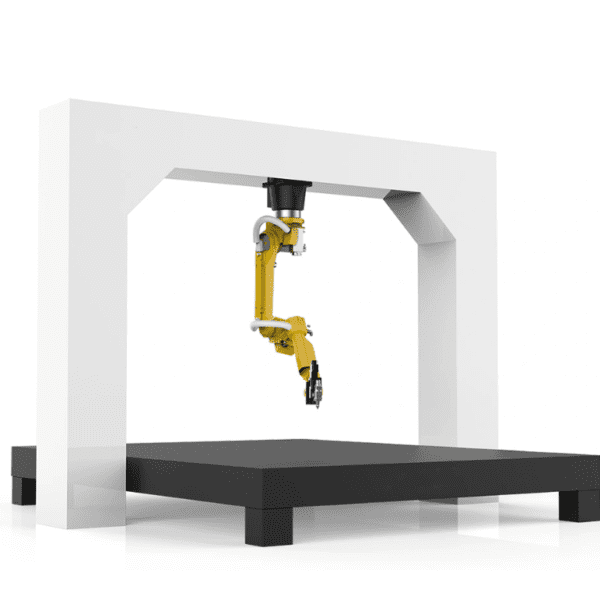
3D robot cutting machine
-
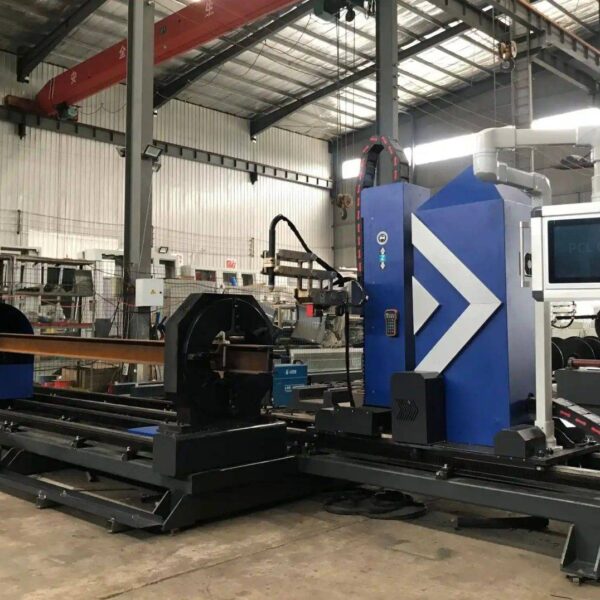
8 axis plasma cutting machine
-
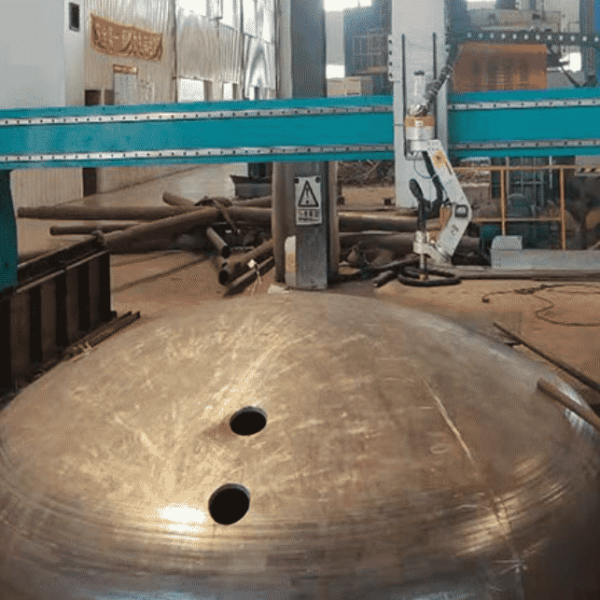
5 axis plasma cutting machine
-

LT360 tube laser cutting machine
-
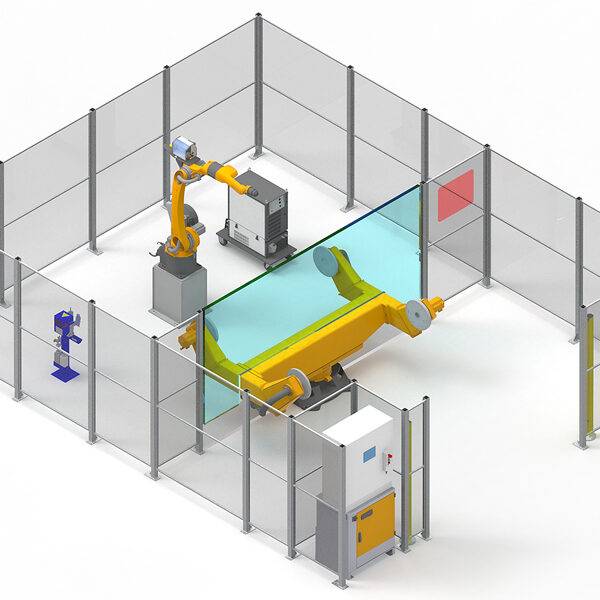
robot welding workstation
-
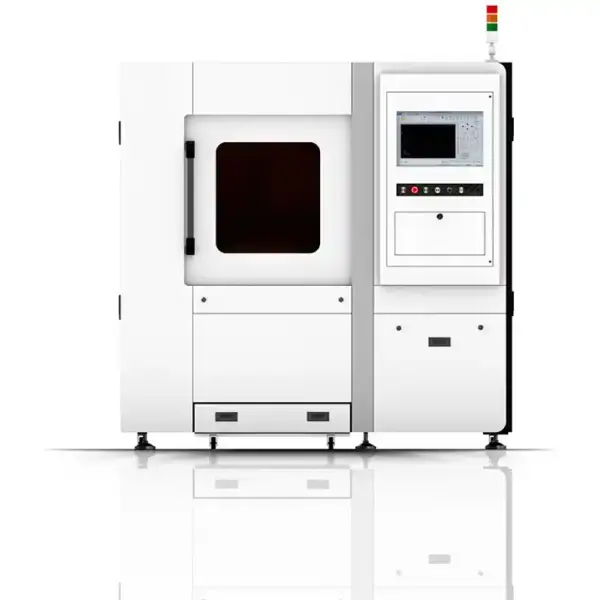
SF6060 fiber laser cutting machine
Advanced Fiber Laser Tube Processing Technology
Our CNC Fiber Laser Tube Cutting systems revolutionize metal fabrication by integrating high-precision cutting, punching, and profiling into a single automated workflow. Designed for versatility, this technology handles a wide array of profiles including Round, Square, Rectangular, and Oval tubes, as well as complex L-shaped and U-shaped channels.
- Precision Punching: High-speed hole punching with micron-level accuracy, eliminating the need for mechanical drilling or die-stamping.
- Complex Profiling: Advanced 3D pathing allows for intricate interlocking joints and specialized notch cuts, ideal for structural frames.
- High Material Efficiency: Intelligent nesting software minimizes scrap, reducing raw material costs across large production runs.
- Clean Finish: Delivers oxide-free, burr-free edges that require zero secondary grinding before welding.

Seamlessly processing multiple profiles with consistent precision.
Global Delivery & Logistics



From our high-tech manufacturing facility directly to your global site. PCL WeldCut ensures secure packaging, professional handling, and reliable international logistics to safeguard your equipment throughout the entire journey.