Precision Engineering in Heavy-Duty Racking Production
Warehouse racking systems require a convergence of high load-bearing capacity and manufacturing speed. Traditional mechanical sawing and drilling methods introduce structural vulnerabilities through physical stress and imprecise tolerances. Transitioning to fiber laser tube cutting, specifically systems utilizing a 3-chuck configuration, addresses the fundamental requirements of modern logistics infrastructure: structural integrity, material efficiency, and rapid assembly.
The primary challenge in manufacturing uprights and beams for high-density racking is maintaining the profile’s geometric stability during the cutting process. Standard 2-chuck systems often suffer from tube vibration or “sagging” when processing long-form structural steel, leading to inaccuracies in hole placement. The 3-chuck system solves this by providing continuous support along the workpiece, enabling Zero-tailing waste by allowing the laser head to cut between the chucks, utilizing the entire length of the raw material.
Thermal Management and the Heat Affected Zone
In high-stress applications like warehouse racking, the metallurgical properties of the steel must remain intact. Laser cutting is a thermal process, but the precision of fiber delivery minimizes the Heat Affected Zone (HAZ). A narrow HAZ is critical because excessive heat input can alter the grain structure of the carbon steel or galvanized layers, leading to brittleness near the cut edge.
By maintaining a concentrated energy beam and high-speed gas assistance (typically oxygen or nitrogen), the laser achieves a clean vaporization of the metal with minimal heat soak. This ensures that the structural integrity of the racking upright is not compromised. In earthquake-prone zones or high-load cold storage environments, where metal ductility is paramount, the preservation of the material’s original temper through precision laser cutting is a non-negotiable safety requirement.
Advanced Beveling for Seamless Weld Preparation
The integration of 3D 5-axis cutting heads allows for 45-degree beveling directly on the tube processing line. In the context of racking, beveling is essential for beam-to-connector joints. A precise 45-degree bevel creates a V-groove that allows for deeper weld penetration, resulting in a joint that is often stronger than the parent material itself.
Without integrated laser beveling, manufacturers must perform secondary grinding operations, which are labor-intensive and introduce human error. The 3-chuck system ensures the tube remains perfectly centered during rotation, allowing the laser to maintain a constant focal point even during complex beveling paths. This results in a “fit-up” that is tight enough for robotic welding cells, which require sub-millimeter tolerances to function without wire-feed interruptions.
Aesthetics and Functional Industrial Design
While racking is primarily functional, there is a growing market for high-end industrial furniture and retail shelving that utilizes the same manufacturing principles. For these applications, aesthetics are as important as strength. The 3-chuck laser system allows for the creation of “hidden” industrial design features. This includes tab-and-slot designs where one tube locks into another with interlocking tabs.
These precision-cut interlocking features remove the need for bulky external brackets, creating a seamless, minimalist aesthetic. Furthermore, the laser’s ability to cut complex geometries—such as teardrop holes or custom perforations—without deforming the tube walls ensures that the finished product meets the visual standards of high-end interior environments. The absence of burrs or dross on the interior or exterior of the cut means that the parts move directly from the laser to the powder coating line without manual deburring.
Risk Mitigation in Industrial Environments
Operating a high-power fiber laser in a factory environment presents challenges, particularly regarding dust and debris. Warehouse racking production generates significant particulate matter. To mitigate risk, modern 3-chuck systems employ Fiber laser stability protocols, which include pressurized, sealed optical paths and redundant filtration systems.
The stability of the chucking system itself is a critical risk mitigation factor. In a 2-chuck setup, the tube is prone to “whipping” at high rotational speeds, which can damage the machine or cause catastrophic part failure. The third chuck acts as a steady rest, neutralizing centrifugal forces. This allows for higher RPMs and faster feed rates without sacrificing the concentricity of the cut. This mechanical stability reduces the wear on the drive motors and extends the operational lifespan of the equipment.
Technical Comparison: 2-Chuck vs. 3-Chuck Systems
| Feature | Standard 2-Chuck | Advanced 3-Chuck |
|---|---|---|
| Material Utilization | 200mm – 300mm tailing waste | Near-zero tailing waste |
| Tube Support | Prone to sagging/vibration | Continuous triple-point support |
| Processing Length | Limited by tube weight/flex | Up to 12 meters with stability |
| Cutting Accuracy | +/- 0.5mm | +/- 0.1mm |
| Secondary Operations | High (manual deburring/grinding) | Minimal (Ready for weld/paint) |
Operational ROI and Long-Term Value
The capital expenditure of a 3-chuck laser system is offset by the reduction in raw material costs and the elimination of secondary processing. When manufacturing thousands of racking components, a 10% saving in material waste (through zero-tailing technology) translates directly into profit margin. Furthermore, the precision of the laser ensures that every upright is identical, facilitating faster on-site assembly of the racking systems.
In summary, the transition to 3-chuck fiber laser cutting represents a move toward high-precision industrial manufacturing. By controlling the thermal impact on the steel, ensuring perfect bevels for welding, and maintaining mechanical stability in harsh environments, manufacturers can produce racking that is safer, more aesthetically pleasing, and significantly more cost-effective.
-
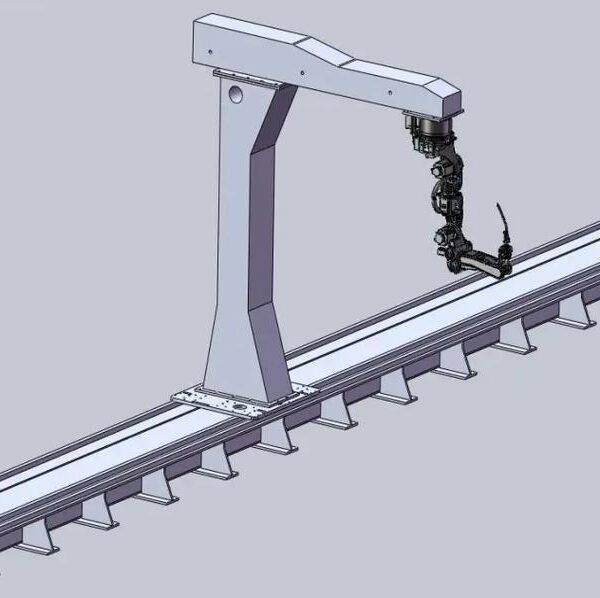

Cantilever Welding Robot solution
-
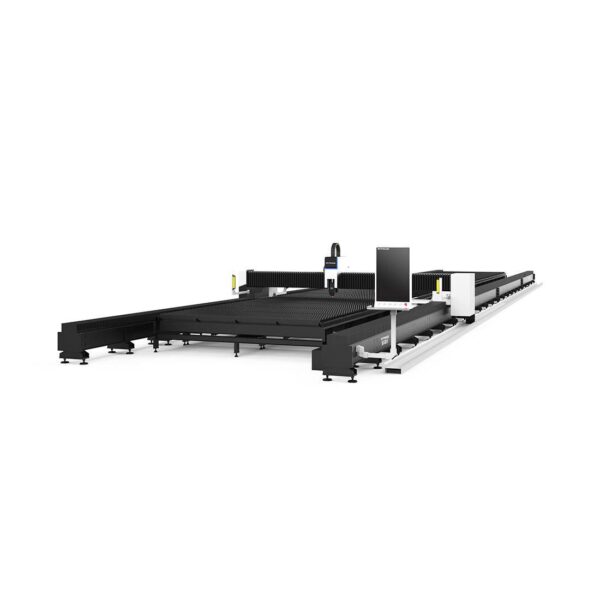

GF laser cutting machine
-
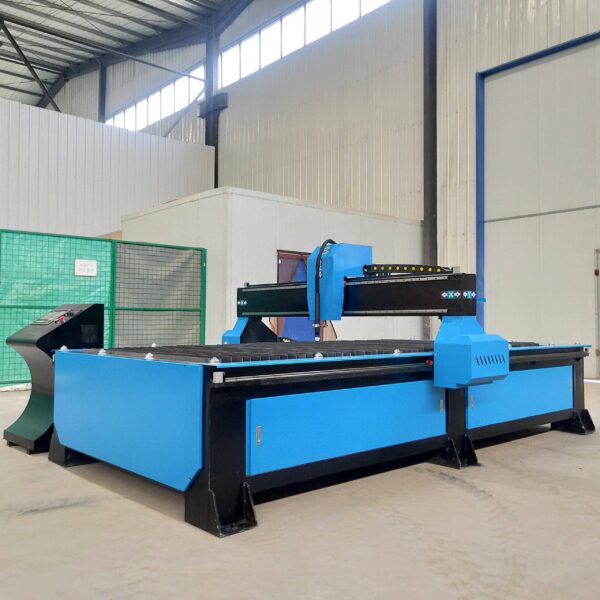
P3015 plasma cutting machine
-

LFP3015 Fiber Laser Cutter
-
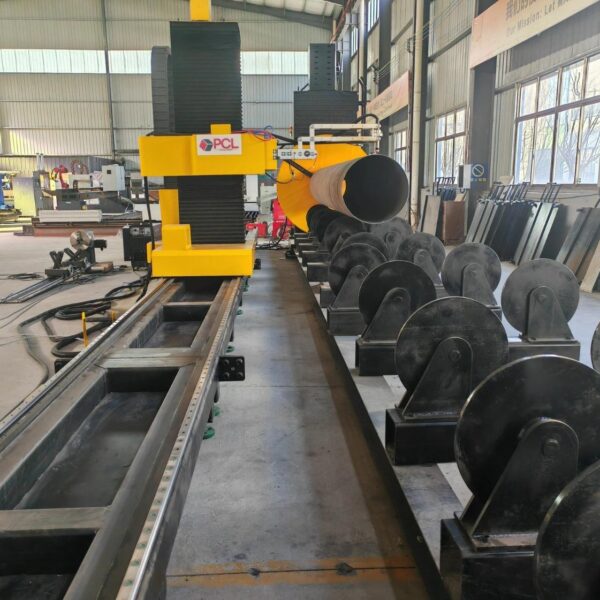
pipe plasma cutting machine
-
LFH 4020 Fiber Laser Cutting Machine
-
LFP4020
-
gantry plasma air cutting machine
-
3D robot cutting machine
-
8 axis plasma cutting machine
-
5 axis plasma cutting machine
-

LT360 tube laser cutting machine
-
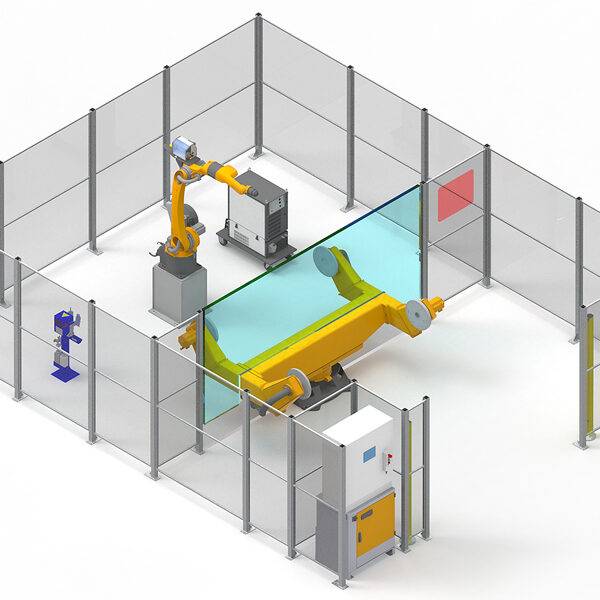
robot welding workstation
-
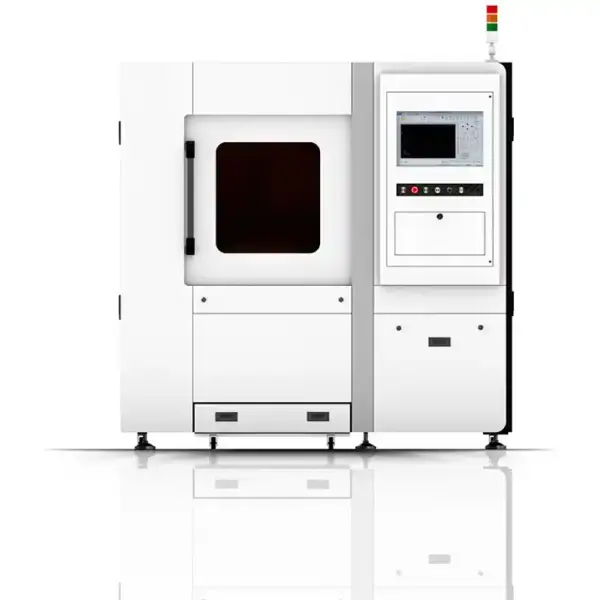
SF6060 fiber laser cutting machine
Advanced Fiber Laser Tube Processing Technology
Our CNC Fiber Laser Tube Cutting systems revolutionize metal fabrication by integrating high-precision cutting, punching, and profiling into a single automated workflow. Designed for versatility, this technology handles a wide array of profiles including Round, Square, Rectangular, and Oval tubes, as well as complex L-shaped and U-shaped channels.
- Precision Punching: High-speed hole punching with micron-level accuracy, eliminating the need for mechanical drilling or die-stamping.
- Complex Profiling: Advanced 3D pathing allows for intricate interlocking joints and specialized notch cuts, ideal for structural frames.
- High Material Efficiency: Intelligent nesting software minimizes scrap, reducing raw material costs across large production runs.
- Clean Finish: Delivers oxide-free, burr-free edges that require zero secondary grinding before welding.

Seamlessly processing multiple profiles with consistent precision.
Global Delivery & Logistics



From our high-tech manufacturing facility directly to your global site. PCL WeldCut ensures secure packaging, professional handling, and reliable international logistics to safeguard your equipment throughout the entire journey.