Optimizing Material Yield with Zero-Tailing Plasma Systems
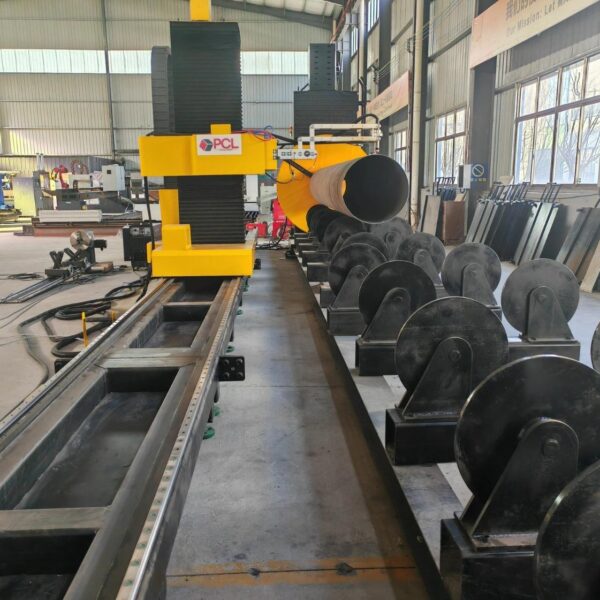
In the domain of structural steel fabrication, material cost typically accounts for a significant portion of the total project expenditure. Conventional Plasma Cutting Machines often leave a substantial “tail” or remnant at the end of an H-beam or channel, usually ranging from 300mm to 600mm. This waste is primarily due to the physical limitations of the gripping and feeding mechanisms that cannot push the material past the cutting torch safely. The introduction of zero-tailing technology addresses this inefficiency by utilizing a dual-chuck or secondary feeding system. This configuration allows the machine to maintain a constant grip on the workpiece even as the final section passes through the cutting zone, effectively reducing the scrap rate to near zero. From an industrial engineering perspective, this translates directly to a 3-5% increase in material utilization, which, over the course of a fiscal year, significantly impacts the bottom line.
The Mechanics of Intersection Accuracy in 3D Plasma Cutting
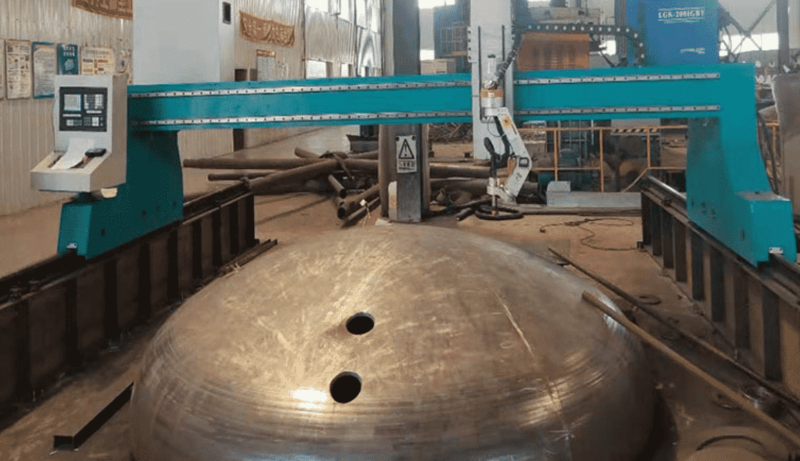
Structural integrity in steel frameworks relies heavily on the precision of intersections. Whether it is a web-to-flange connection or a complex miter cut for a truss, the tolerance levels must be stringent to ensure proper load distribution. High-definition plasma systems utilized in modern fabrication shops leverage multi-axis robotic arms or specialized 5-axis gantry heads to maintain plasma cutting precision. Unlike 2D plate cutting, H-beam processing requires the torch to dynamically adjust its height and angle relative to the shifting surfaces of the beam.
To achieve high intersection accuracy, the CNC controller must execute real-time coordinate transformations. This involves compensating for the “kerf” or the width of the cut, which varies based on the gas pressure and nozzle orifice size. By integrating sophisticated laser profiling sensors, the machine can scan the actual dimensions of the H-beam—accounting for mill tolerances and slight deviations in the beam’s straightness—before the cut begins. This pre-cut scanning ensures that bolt holes and cutouts align perfectly during site assembly, eliminating the need for costly field rework.
H-Beam Processing and Low Maintenance Requirements
Industrial uptime is the primary metric for evaluating any heavy machinery. Plasma cutting systems designed for H-beams are engineered to withstand the harsh environment of a steel mill. One of the standout features of plasma technology in this sector is its relative immunity to surface contaminants. Structural steel often arrives with mill scale, rust, or protective primers. Plasma arcs, being a thermal-electric process, penetrate these layers with ease, maintaining a stable arc where other technologies might struggle.
The maintenance profile for plasma systems is optimized for high-volume production. Modern plasma torches feature “quick-change” consumables that allow operators to replace nozzles and electrodes in under a minute. Furthermore, the absence of complex optical paths means there are no sensitive lenses or mirrors to clean or align. For H-beam structural integrity, the localized heat-affected zone (HAZ) of high-definition plasma is narrow enough to prevent significant metallurgical changes, ensuring that the structural properties of the steel remain within the design specifications. The slag management systems in these machines are also designed for heavy-duty use, utilizing automated scrap conveyors and high-velocity dust extraction to keep the mechanical rails clear of debris, thus extending the service life of the linear guides and rack-and-pinion drives.
Advanced Beveling for Weld Preparation
Welding is the most labor-intensive part of steel structure assembly. To ensure deep penetration and strong joints, the edges of the steel beams must be beveled. Manually grinding bevels on thick-walled H-beams is not only slow but also introduces human error and safety risks. Modern plasma machines incorporate automated beveling cycles that can produce V, Y, K, and X-type joints in a single pass.
The ability of a plasma head to tilt up to 45 or 50 degrees allows for the creation of precise weld preparations directly on the web and flanges. This capability is managed through advanced CAM (Computer-Aided Manufacturing) software that translates 3D CAD models into complex G-code. The software calculates the necessary torch tilt and rotation (A and B axes) while adjusting the feed rate to maintain a consistent thermal input. Because the plasma arc is a flexible tool, it can follow the contour of the beam’s radius—the “k-area”—which is notoriously difficult to machine. By providing a clean, beveled surface ready for the welding robot or technician, the plasma machine reduces the total fabrication time per ton of steel.
Thermal Management and Distortions
A critical consideration for any industrial engineer is the management of thermal distortion. During the plasma cutting process, the intense heat can cause thinner sections of a beam to warp. To mitigate this, zero-tailing machines often employ intelligent cutting paths. Instead of cutting a profile in one continuous motion, the CNC software may skip sections and return to them after the heat has dissipated. This strategic sequencing, combined with the high-speed travel of modern plasma torches, ensures that the structural geometry remains within the tight tolerances required for high-rise buildings and industrial plants.
Conclusion on System Integration
The integration of zero-tailing technology into plasma cutting workflows represents a shift toward “lean” structural steel fabrication. By focusing on the elimination of waste at the source—the material remnant—and maximizing the precision of the cut through advanced multi-axis control, manufacturers can achieve a higher throughput with lower overhead. The low maintenance requirements of the plasma hardware ensure that the machine remains a reliable component of the production line, while the automated beveling capabilities bridge the gap between raw material processing and final assembly. As the demand for complex architectural steel grows, the reliance on high-accuracy, high-yield plasma systems will only increase, cementing their role as the backbone of the modern structural workshop.
-
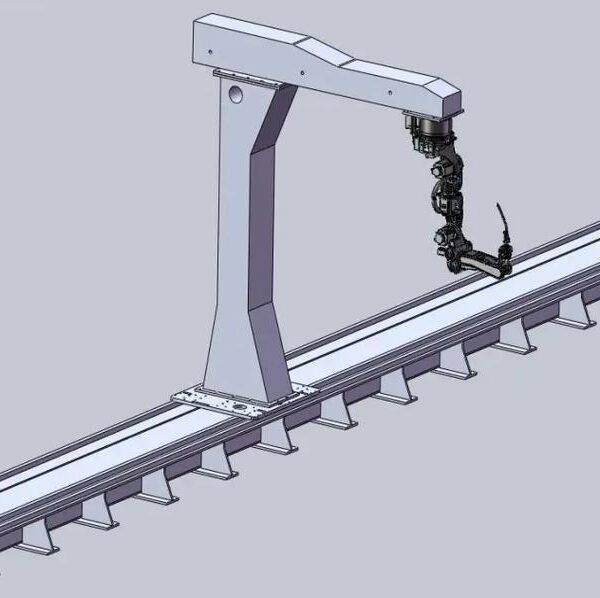

Cantilever Welding Robot solution
-
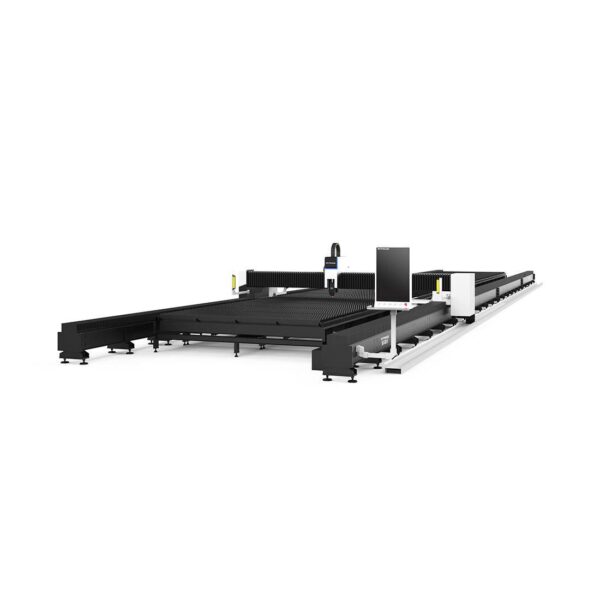

GF laser cutting machine
-
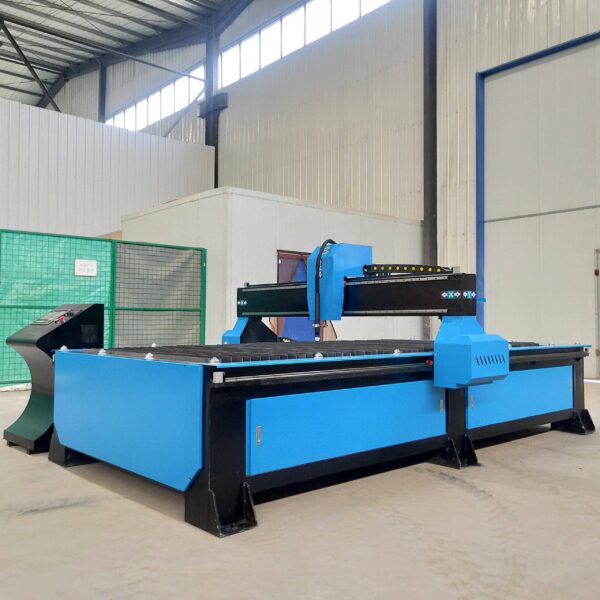
P3015 plasma cutting machine
-

LFP3015 Fiber Laser Cutter
-
pipe plasma cutting machine
-
LFH 4020 Fiber Laser Cutting Machine
-
LFP4020
-
gantry plasma air cutting machine
-
3D robot cutting machine
-
8 axis plasma cutting machine
-
5 axis plasma cutting machine
-

LT360 tube laser cutting machine
-
robot welding workstation
-
SF6060 fiber laser cutting machine
Advanced Fiber Laser Tube Processing Technology
Our CNC Fiber Laser Tube Cutting systems revolutionize metal fabrication by integrating high-precision cutting, punching, and profiling into a single automated workflow. Designed for versatility, this technology handles a wide array of profiles including Round, Square, Rectangular, and Oval tubes, as well as complex L-shaped and U-shaped channels.
- Precision Punching: High-speed hole punching with micron-level accuracy, eliminating the need for mechanical drilling or die-stamping.
- Complex Profiling: Advanced 3D pathing allows for intricate interlocking joints and specialized notch cuts, ideal for structural frames.
- High Material Efficiency: Intelligent nesting software minimizes scrap, reducing raw material costs across large production runs.
- Clean Finish: Delivers oxide-free, burr-free edges that require zero secondary grinding before welding.

Seamlessly processing multiple profiles with consistent precision.
Global Delivery & Logistics



From our high-tech manufacturing facility directly to your global site. PCL WeldCut ensures secure packaging, professional handling, and reliable international logistics to safeguard your equipment throughout the entire journey.
One thought on “Plasma Cutting Machine with Zero-tailing technology for for Steel Structure”
The customer support for the Cutting System was very helpful during installation.